
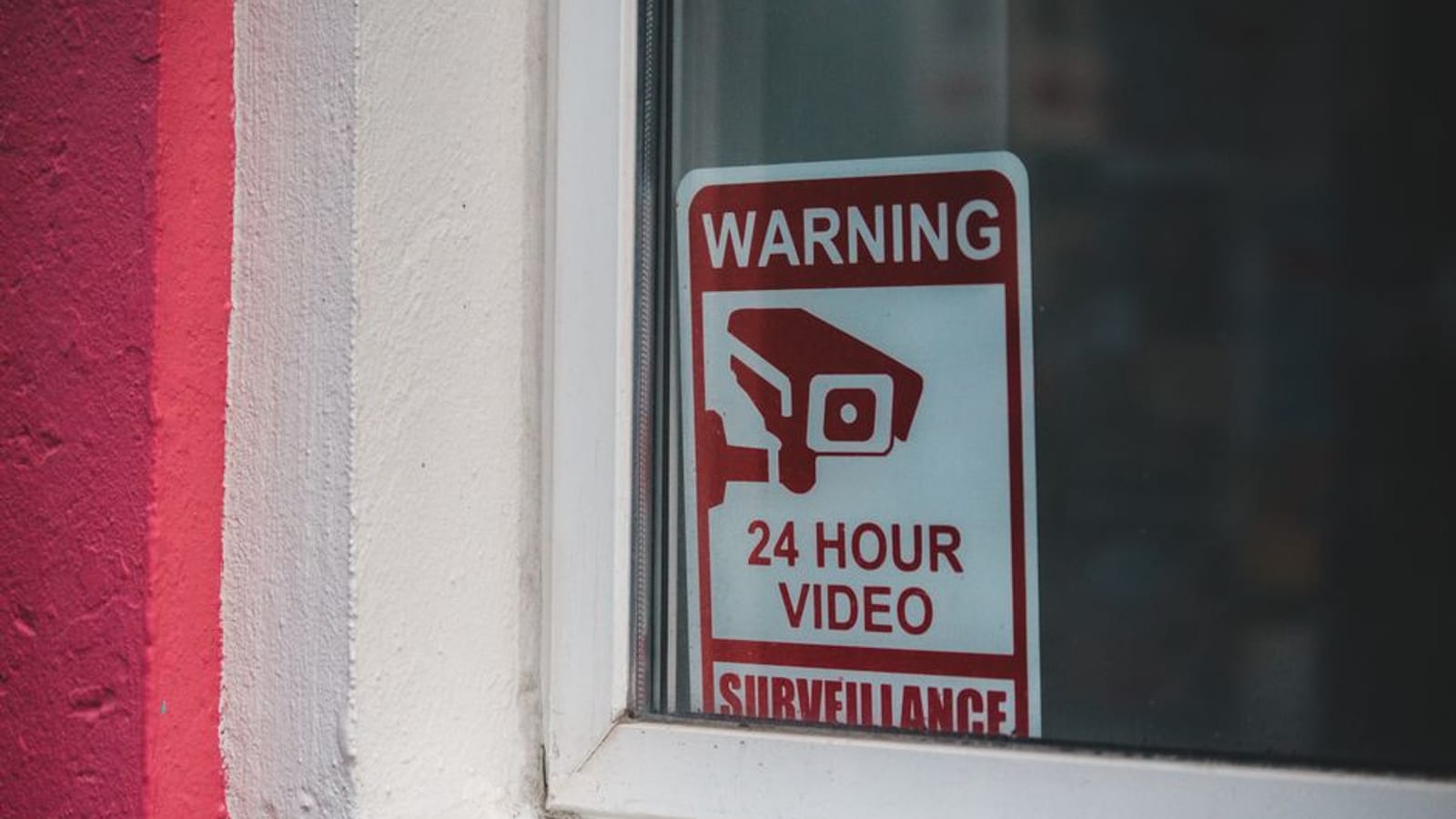
Window Security Film: Is It Worth the Investment?
Most homeowners spend money on alarm systems and smart locks, then leave their windows completely exposed. That is a gap intruders know how to exploit. Window security film closes it quietly, without rewiring your house or alerting your neighbors. The question is whether the numbers justify the spend.
Understanding Window Security Film
Window security film is a thin polyester layer bonded directly to glass. It does not stop a strike. What it does is hold the glass together after impact, turning a shattered pane into a stubborn, jagged barrier that costs an intruder time they do not want to spend.
That time is the whole point. Most break-ins are opportunistic. Burglars target soft entry points and move on when resistance appears. A window that refuses to give way in the first few seconds changes the risk calculation entirely. The film is invisible from the street, so it does not signal that you are worried. It just works.
Case Studies: Real-World Effectiveness
A security firm study tracked homes before and after security film installation. Break-in attempts dropped significantly across the sample. One documented case showed a would-be intruder striking a treated window repeatedly, failing to gain entry, and abandoning the attempt. That is not an anomaly. It is a pattern that repeats wherever the film is installed correctly.
Installation and Cost Considerations
Expect to pay between $7 and $15 per square foot. Window size and film grade drive that range. For an average home, the total outlay is real but not unreasonable when you stack it against a single insurance claim or a single break-in.
DIY installation is possible if you are comfortable with detail work. Professional installation is the smarter call. Air bubbles and misaligned edges are not cosmetic problems — they compromise the film’s structural integrity and reduce its effectiveness exactly when you need it most.
Additional Benefits Beyond Security
Security is the headline. These are the supporting numbers that make the decision easier:
- UV Protection: Quality films block up to 99% of UV rays, which means your furniture, flooring, and artwork stop fading prematurely.
- Energy Efficiency: The film reduces heat gain in summer and heat loss in winter. Lower energy bills compound quietly over years.
- Privacy: Tinted and reflective options give you an additional layer of visual privacy without blocking your own sightlines.
Comparing with Other Security Measures
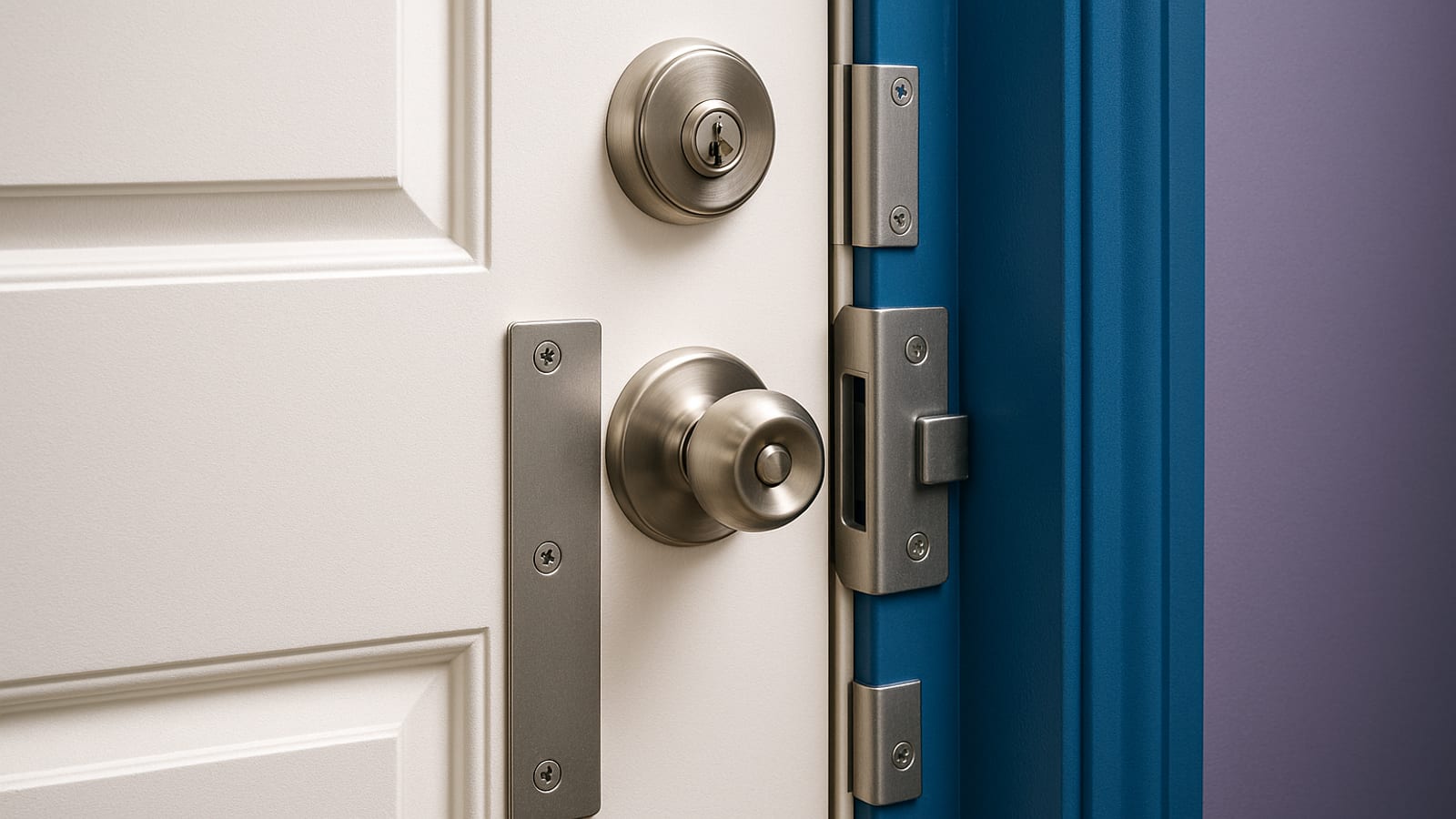
Window film is one layer in a complete system. It does not replace door reinforcement — it works alongside it. A door reinforcement kit hardens the frame and hinges that most forced entries target first. Anti-kick-in devices lock down the door against aggressive breach attempts. Stack these measures together and you have eliminated the three fastest entry points in most residential break-ins.
Step-by-Step Guide: Installing Window Security Film
If you are going the DIY route, execute each step cleanly. Shortcuts here cost you protection.
- Measure the Window: Get exact dimensions before you cut anything.
- Clean the Glass: Remove every trace of dust, grease, and debris. Contamination under the film creates weak points.
- Cut the Film: Cut slightly oversized. You can trim down; you cannot add back.
- Apply the Film: Peel the backing and lay the film from the top down, keeping it aligned as you go.
- Remove Air Bubbles: Work a squeegee from center to edges. Do not rush this step.
- Trim Excess Film: Use a sharp utility knife and a steady hand along the frame edge.
Conclusion: Is Window Security Film Worth It?
The math is straightforward. A few hundred dollars of film buys you a decade or more of reinforced glass, reduced UV damage, lower energy costs, and a meaningful deterrent against opportunistic break-ins. That is not a marginal return. It is a compounding one.
Build your security system in layers. Window film handles the glass. Door reinforcement handles the frame. Together, they close the gaps that most homes leave wide open. Start with the weakest point in your perimeter and work outward from there.
For more data-driven home security analysis, visit ArcanoLabs.
Advanced Security Film Technologies
The baseline product has improved significantly. Today’s films go further than simple glass retention, incorporating materials and integrations that were not available a few years ago.
Smart Window Films
Smart films connect directly to home automation systems. They adjust opacity on a schedule or on command via smartphone, giving you privacy and solar control without manual intervention. For the operator who wants every system running efficiently with minimal daily input, this is the logical upgrade.
Multi-Layered Films
Single-layer films do the job. Multi-layered films do it better. Each additional polyester layer increases tensile strength and penetration resistance. The compounded effect also makes these films significantly more capable against extreme weather — hurricane-force winds, debris impact, pressure differentials that would destroy standard glass outright.
Checklist for Choosing the Right Security Film
Do not buy on price alone. Run through this list before you commit:
- Security Rating: Verify the film meets recognized industry standards for impact resistance.
- UV Protection: Confirm the UV blocking percentage. Anything under 95% is leaving performance on the table.
- Energy Efficiency: Check thermal insulation ratings. The energy savings are real and measurable.
- Warranty: Know exactly what is covered — materials, installation defects, and the duration.
- Installation Method: Be honest about your skill level. Professional installation protects the investment.
- Smart Home Compatibility: If you run an integrated home system, confirm the film can connect to it before you buy.
FAQs About Window Security Film
The questions homeowners ask most often, answered directly.
How long does window security film last?
Expect 10 to 20 years under normal conditions. Quality of installation and local climate are the two biggest variables. Clean it properly and it will stay effective for the long end of that range.
Can security film be removed?
Yes. It requires careful peeling and thorough cleaning to avoid damaging the glass beneath. Professional removal is the right call if you want the surface ready for a fresh application.
Does window security film affect visibility?
Quality film is effectively invisible. Clear options maintain full sightlines. Tinted versions reduce visibility from outside more than from inside, which is the direction that matters for privacy.
Key Performance Indicators (KPIs) for Evaluating Security Film Impact
Install it, then measure it. These are the numbers worth tracking:
- Reduction in Break-In Attempts: Compare incident frequency before and after installation. The trend should be clear.
- Energy Savings: Pull your utility bills month over month. Thermal improvements show up in the data within one full seasonal cycle.
- UV Damage Reduction: Observe fading rates on interior furnishings. The difference is visible within a year.
- Maintenance Costs: Track window repair and replacement expenses. Film-protected glass breaks less and costs less to maintain.
Track these KPIs consistently and you will have a clear picture of your return. The silent operators who build durable home security systems do not guess at ROI — they measure it, adjust, and build in silence.
Leave a Reply