
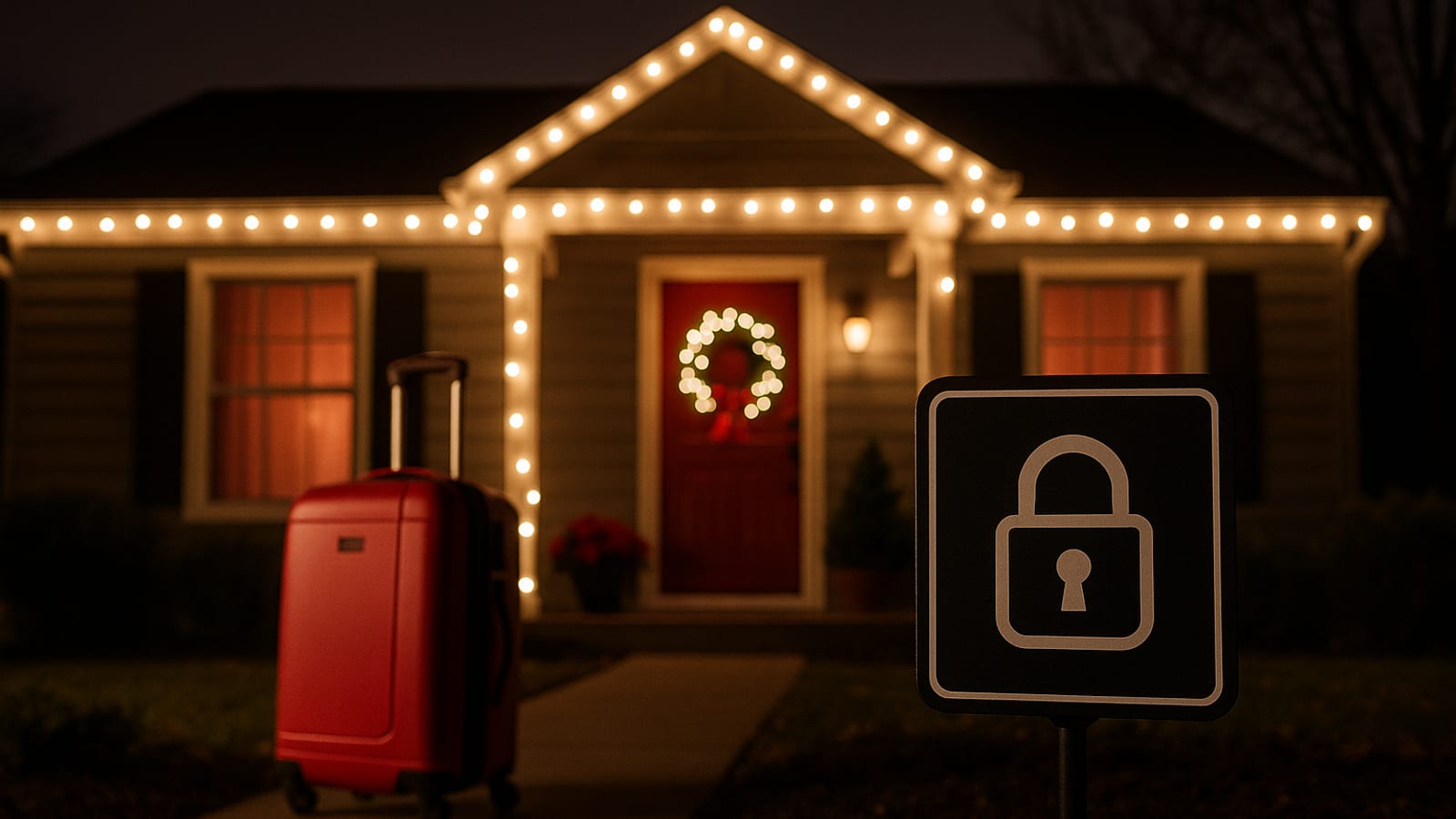
Holiday Season Home Security: Protecting Your Home While Away
The holidays empty homes. Burglars know it. While you are focused on travel plans and family dinners, someone else is scanning your street for the easiest target. The good news: a few deliberate decisions before you leave can make your home the wrong choice. This guide covers what actually works — starting with the entry points that fail first.

Understanding the Risks: Why Holiday Home Security Matters
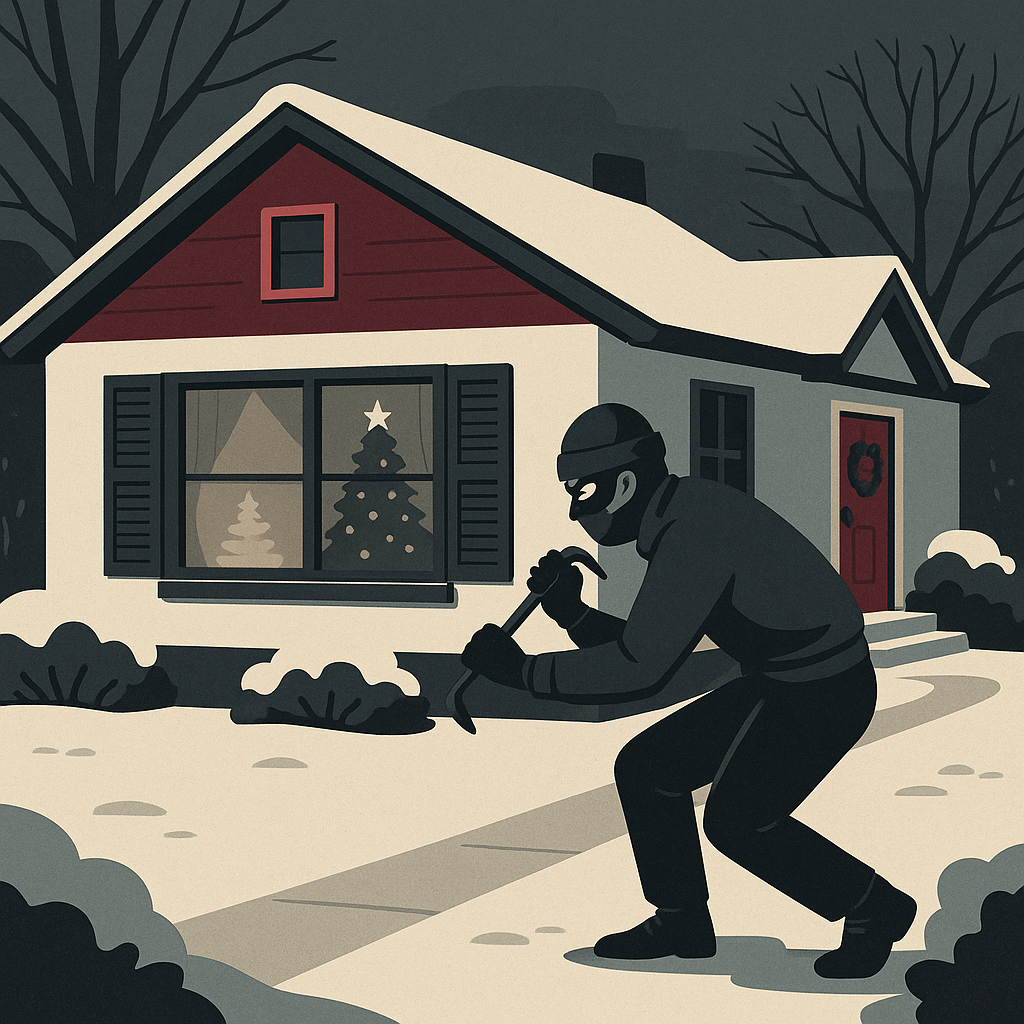
Unattended homes are the easiest targets on the block. Security experts are consistent on this: homes without reinforced entry points are dramatically more likely to be breached. Understanding where you are exposed is the first step to closing the gap.
Common Vulnerabilities
- Unlocked Doors and Windows: A surprising number of break-ins require zero force. The door was simply never locked.
- Poorly Reinforced Doors: Standard door frames splinter under a single kick. That is the primary entry method, and most homes are not built to stop it.
- Visible Signs of Absence: Stacked mail and dark windows at 9 p.m. broadcast vacancy to anyone paying attention.
Case Study: Effective Door Reinforcement
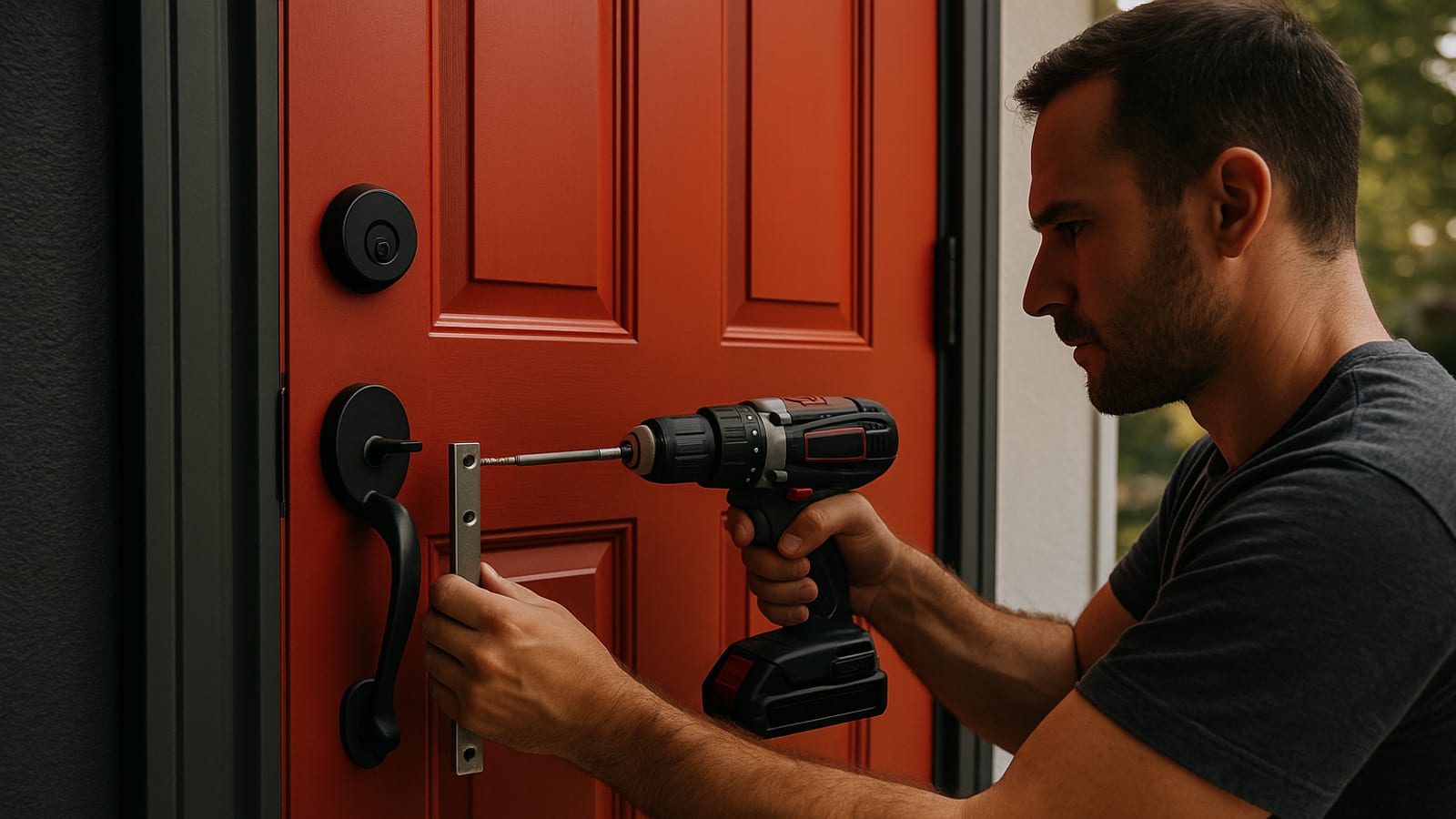
One homeowner installed a Single Door Security Kit before leaving for vacation. An attempted break-in followed. The reinforced door held. The intruder left. That outcome is not luck — it is what happens when the physical barrier is actually built to resist force.
Step-by-Step Guide to Securing Your Home

Real security is layered. One lock is not a strategy. Here is how to build a system that actually holds.
1. Reinforce Entry Doors
Your front door is the most common point of failure. A Single Door Security Kit runs around 79 dollars and addresses the three spots that give way first: the frame, the hinges, and the strike plate. That is a small price for a hardened entry point.
2. Secure Sliding Glass Doors
Sliding glass doors fail differently — lift-and-pry attacks bypass the lock entirely. A Sliding Glass Door Security kit closes that gap. If your home has multiple sliding doors, this is non-negotiable.
3. Use Smart Home Technology
Smart locks and security cameras let you monitor your property from anywhere. Real-time alerts to your phone mean you know the moment something changes. You do not have to be home to be informed.
4. Maintain a Lived-in Appearance
An occupied-looking home is a skipped home. Use light timers to simulate activity at irregular intervals. Have a trusted neighbor pull your mail and walk the property. Predictable absence is a vulnerability. Break the pattern.
Enhancing Door Security: Tools and Resources
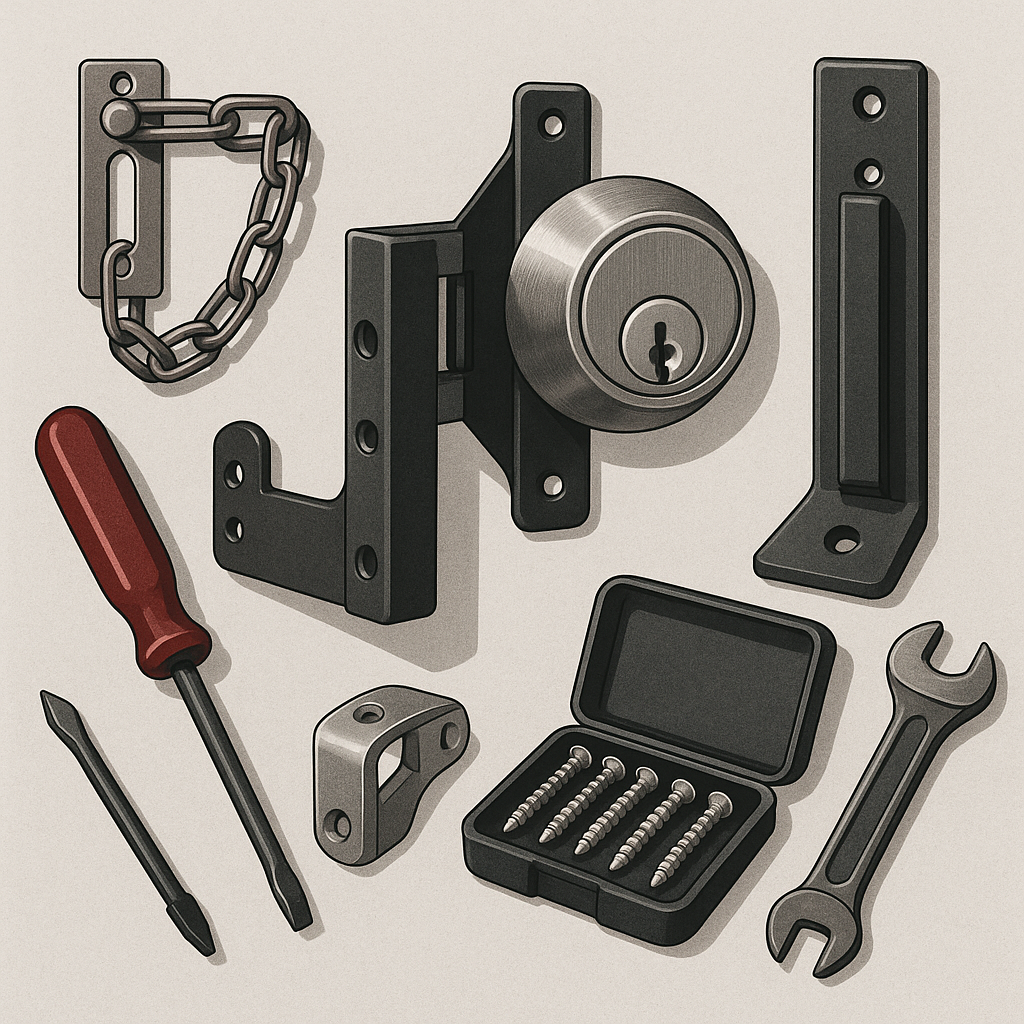
If you are serious about physical security, the hardware matters. Here are the products worth your attention:
- Product Bundles: Built for landlords and homeowners with multiple entry points. Comprehensive coverage at a price that makes sense when you are protecting more than one door.
- Double Door Security Kit: Designed for French and double entry doors, priced around 149 dollars. Includes installation instructions and a video walkthrough so you are not guessing.
For the full range of options, visit the shop page.
Preparing for a Safe Return: Final Checks
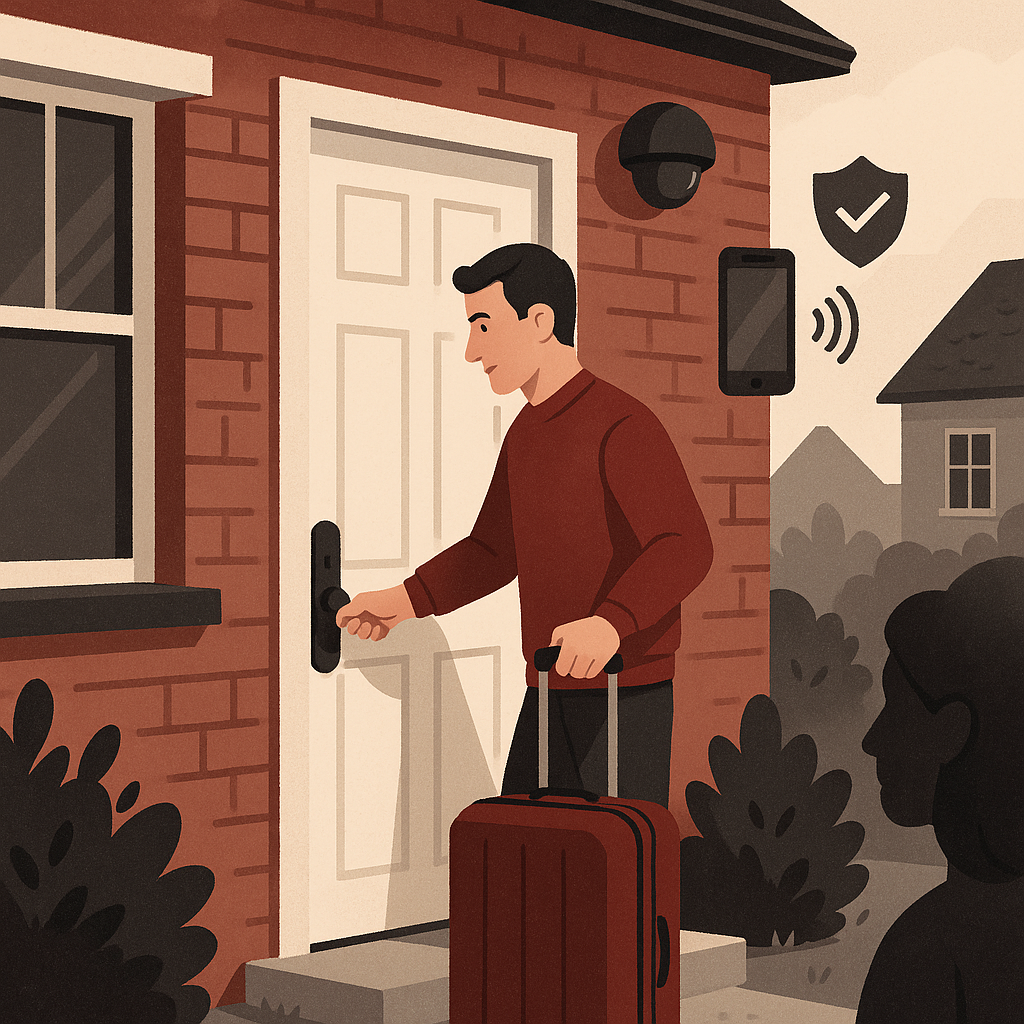
Before you walk out the door, run this check. Every item matters.
- Confirm every door and window is locked — not assumed locked.
- Activate your security system and verify alerts are routing to your phone.
- Give a neighbor your travel window and an emergency contact. Someone on the ground is irreplaceable.
Conclusion: Enjoy Peace of Mind This Holiday Season
Solid home security is not complicated. It is consistent. Reinforce the physical entry points. Layer in smart monitoring. Make the home look occupied. Do the pre-departure check without skipping steps. That combination removes you from the easy-target category entirely. For more solutions, explore the full lineup at Door Armor.
Your home should be waiting exactly as you left it when you return. Take the steps now to make sure it is.
For more expert guidance on home security, visit the Door Armor website. Build the system once. Trust it completely.
Advanced Security Measures: Beyond Basic Protection
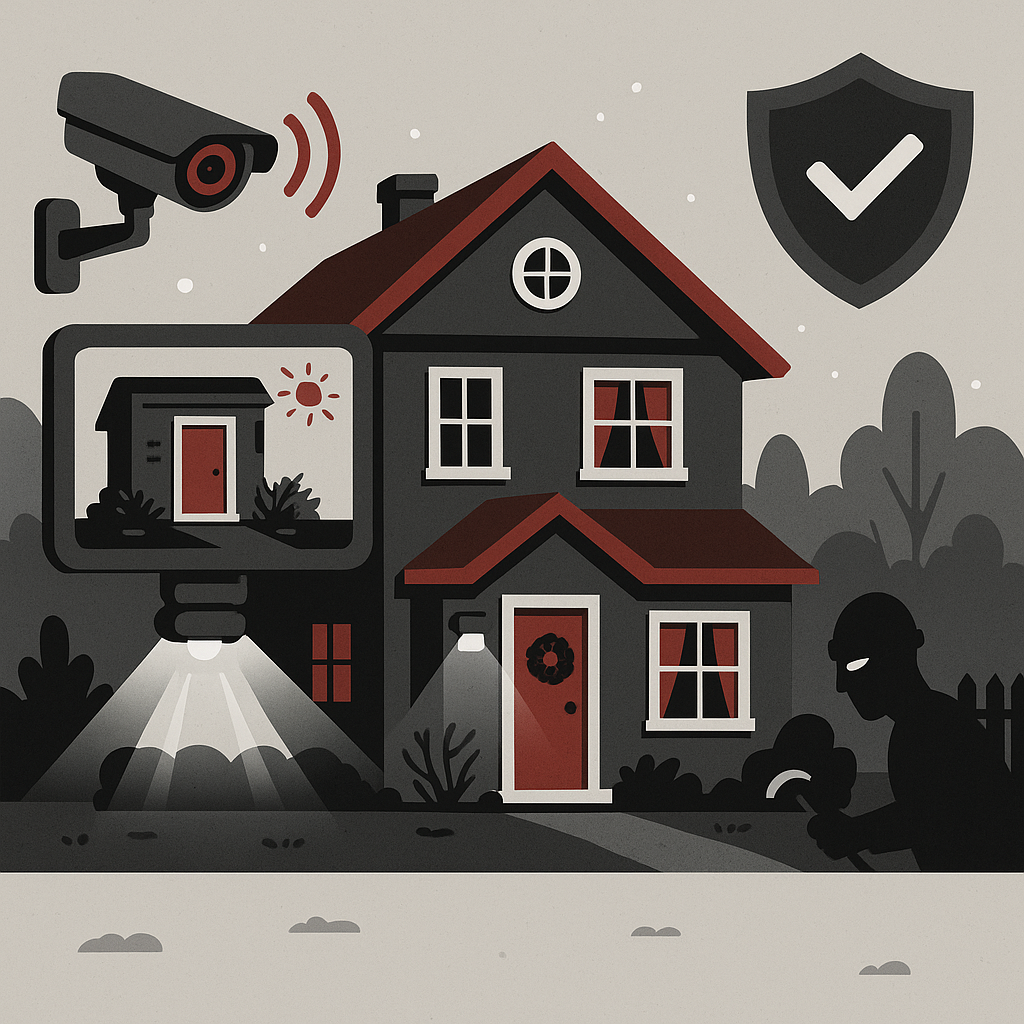
Once the fundamentals are locked in, advanced systems add another layer that most intruders will not bother testing. These are not luxury upgrades — they are deterrents that work before anyone touches your door.
Advanced Surveillance Systems
A quality surveillance system does two things: it records what happens and it signals to anyone approaching that they are being watched. Look for systems that include:
- High-Resolution Cameras: Night vision and wide-angle lenses are non-negotiable. Blurry footage does not identify anyone.
- Cloud Storage: Local storage can be stolen or destroyed. Cloud-stored footage survives the incident.
- Motion Detection Alerts: Instant smartphone notifications mean you can respond in real time, not after the fact.
Automated Lighting Systems
Automated lighting is one of the most cost-effective deterrents available. A dark house at 8 p.m. every night is a signal. Randomized lighting breaks that pattern. Consider:
- Smart Bulbs: Control schedules remotely from your phone. Adjust them mid-trip if needed.
- Motion-Activated Lights: Position these at every entry point. Sudden illumination stops most casual attempts cold.
Security Window Film
Glass is the shortcut burglars use when doors are too hard. Security window film makes that shortcut significantly slower and louder. It holds shattered glass in place, buying time and raising noise. Ground-level windows and glass doors are the priority.
Checklist for Comprehensive Holiday Security
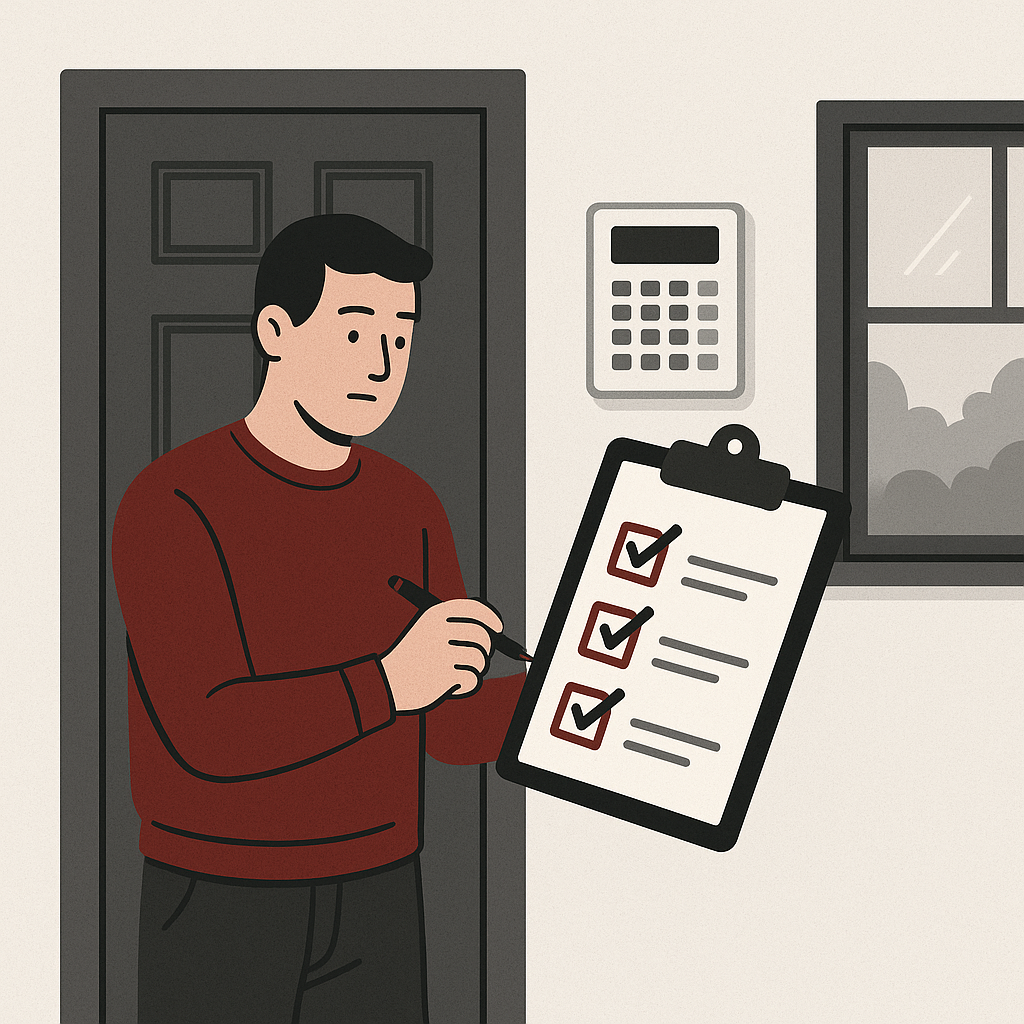
Run this before you leave. No skipped items.
- Lock and Reinforce: Physically check every door and window. Confirm reinforcement hardware is installed and seated correctly.
- Test Security Systems: Run a full test — alarms, cameras, motion sensors. Assume nothing is working until you confirm it.
- Update Contact Information: Your security provider needs current contacts. Outdated information delays response when it counts.
- Communicate with Neighbors: Tell a trusted neighbor your travel window. Ask them to flag anything that looks off.
- Secure Valuables: Move high-value items to a safe or off-site storage. Do not make a successful entry worth the effort.
FAQs: Addressing Common Concerns
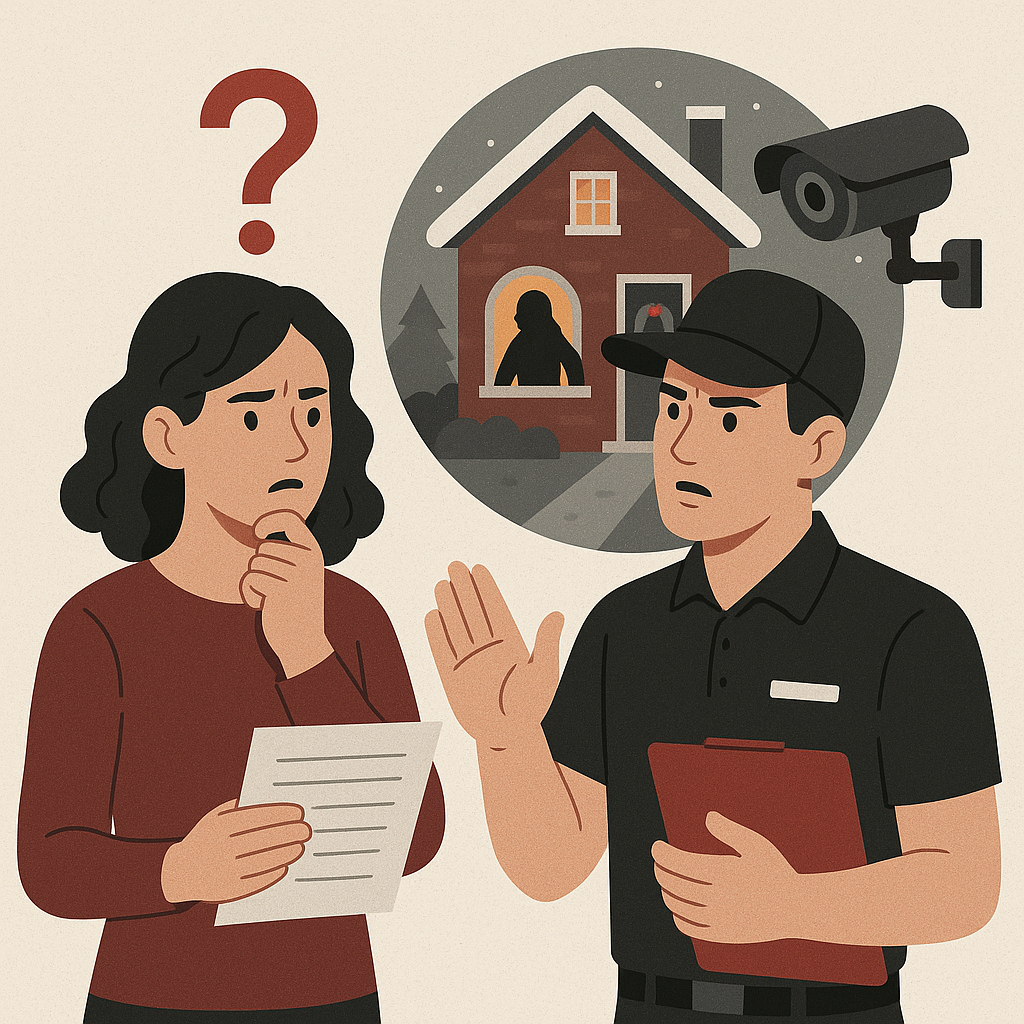
Direct answers to the questions homeowners ask most before leaving for the holidays.
What should I do if I suspect someone is casing my home?
Report it to local authorities immediately. Do not wait for something to happen. Add cameras or motion sensors if you have gaps in coverage, and loop in neighbors so there are more eyes on the street.
How can I ensure my smart home devices are secure?
Update firmware before you leave. Use strong, unique passwords on every device. Enable two-factor authentication. A compromised smart lock is worse than no smart lock.
Is it worth investing in professional monitoring services?
If you travel frequently or live in a higher-risk area, yes. Professional monitoring provides 24/7 coverage and direct escalation to authorities. It is the difference between an alert and an actual response.
Key Performance Indicators for Home Security Effectiveness
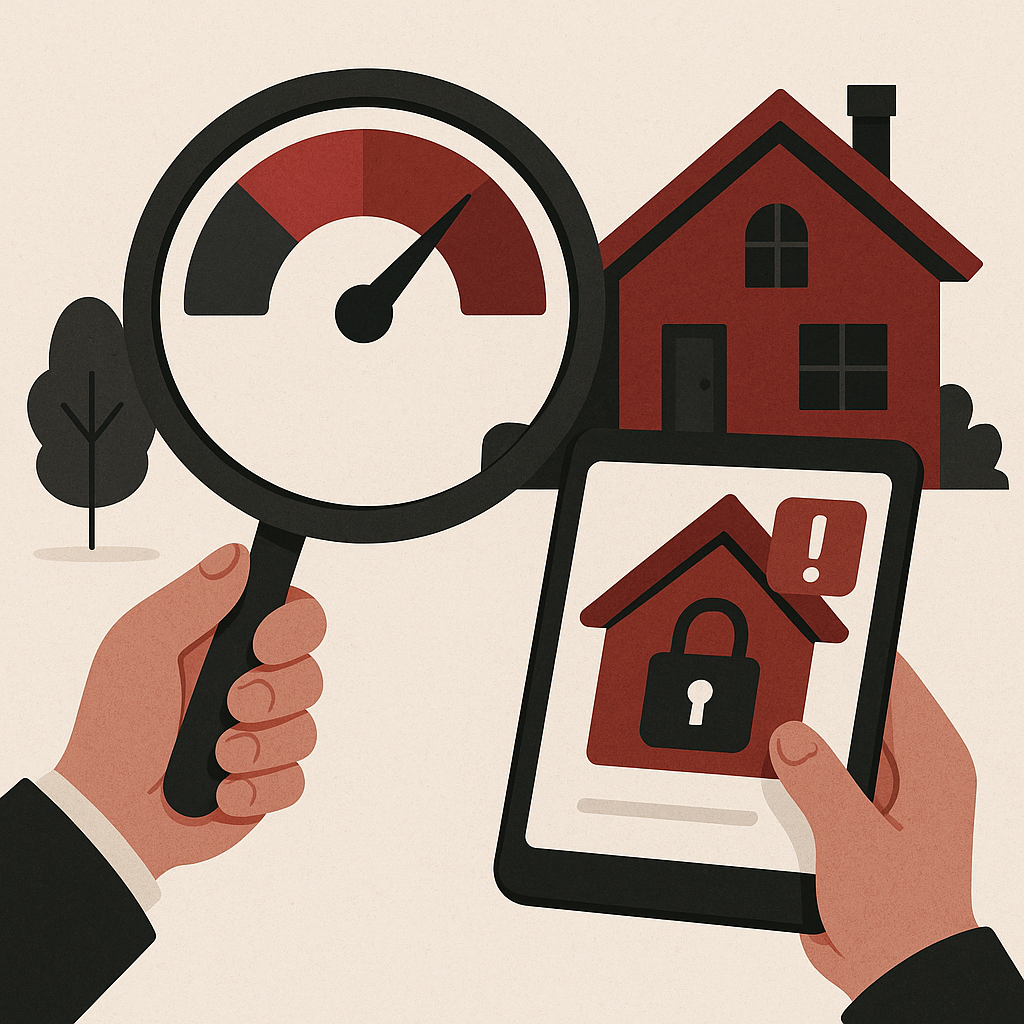
A security system you never measure is a system you cannot improve. Track these three indicators to know whether your setup is actually performing.
- Response Time: How long from alert to your acknowledgment and action. Slow response time is a gap worth closing.
- False Alarm Rate: Frequent false alarms signal misconfiguration. They also train you to ignore real alerts — which is dangerous.
- Incident Reduction: Compare security events before and after each upgrade. If the number is not moving, something in the system needs adjustment.
Measure consistently. Adjust deliberately. A security system that compounds improvements over time is one that actually protects you.
Neighborhood Watch Collaboration
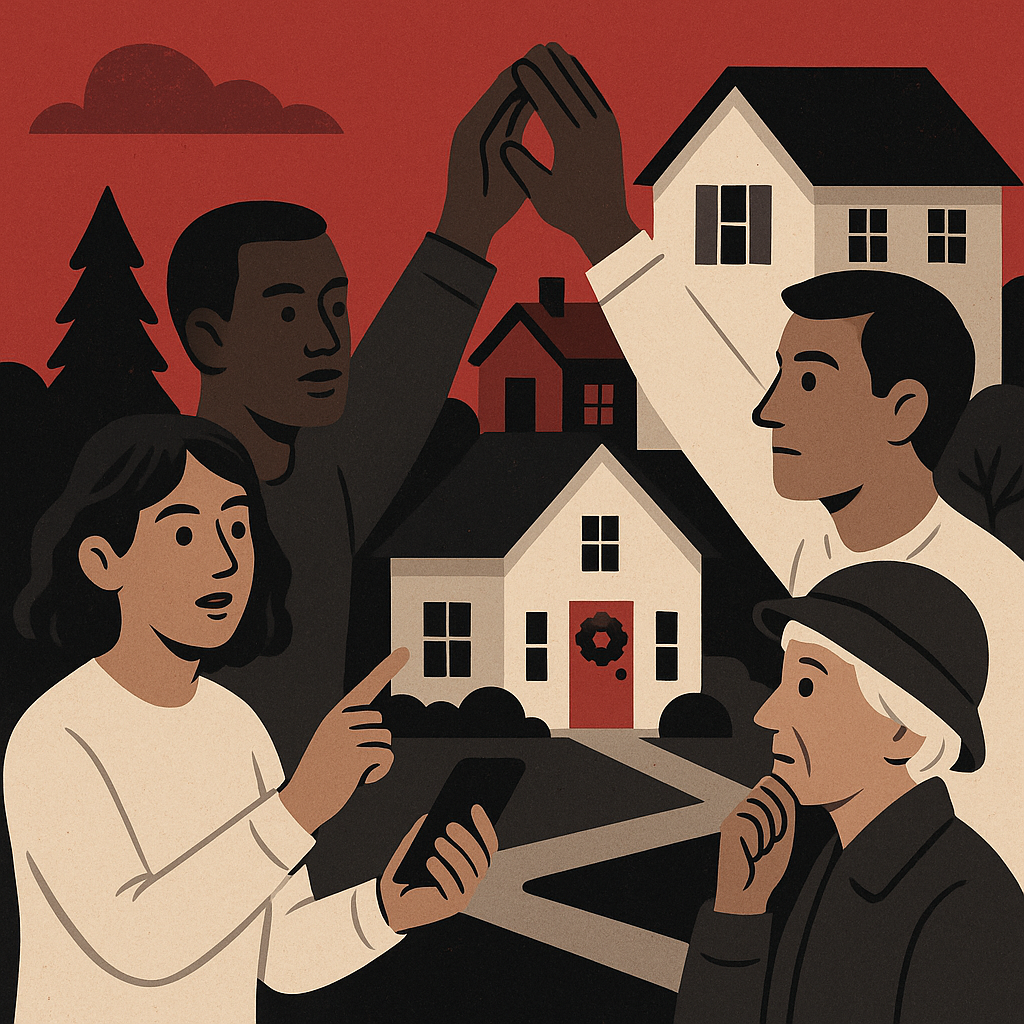
Technology secures your perimeter. People secure your block. A coordinated neighborhood watch changes the risk calculus for anyone considering your street as a target. Here is how to build one that actually functions.
Organize Regular Meetings
Schedule consistent meetings — in person or virtual — to share updates and surface concerns. Bring in local law enforcement when possible. Officers can identify patterns residents miss and provide practical guidance on what suspicious activity actually looks like.
Establish a Communication Channel
Create a dedicated group — a private messaging app or closed social media group — for real-time information sharing. When someone spots something unusual, the whole block knows within minutes. Speed matters in these situations.
Assign Roles and Responsibilities
A watch program without structure dissolves quickly. Designate coordinators, block captains, and communication leads. Clear roles mean clear accountability. Everyone knows their job and does it.
Implement a Patrol Schedule
Organize volunteer patrols during peak travel periods. Visible, active presence on the street is one of the most effective deterrents available. Burglars choose the path of least resistance. A watched neighborhood is not that path.
Your neighbors are an asset. Organize them, communicate consistently, and the entire block becomes harder to target — not just your home.
Disclosure: this article may contain affiliate links. If you buy through them, we may earn a small commission at no extra cost to you.
Leave a Reply