
“`html
Seasonal Home Security: How to Stay Protected Year-Round
Seasonal Home Security: How to Stay Protected Year-Round
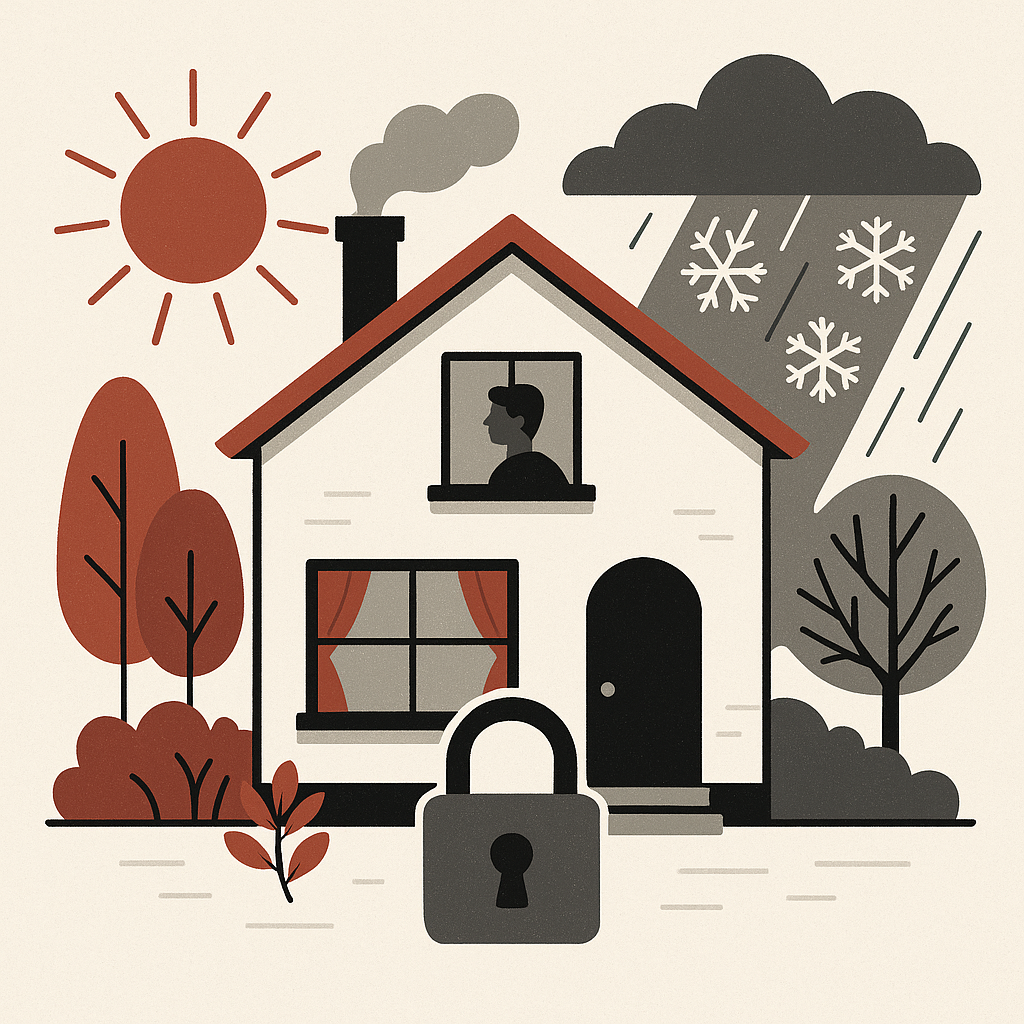
Your home’s threat profile shifts with the calendar. Summer vacations leave properties empty. Winter storms open gaps you never noticed. Most homeowners react after something goes wrong. The ones who stay protected build a system that adapts before the season does. This guide gives you the exact actions to take each quarter — no guesswork, no wasted effort.

Spring: Renew and Reinforce
Spring is your audit window. While you’re clearing out the clutter, run a hard look at every entry point. Here’s where to start:
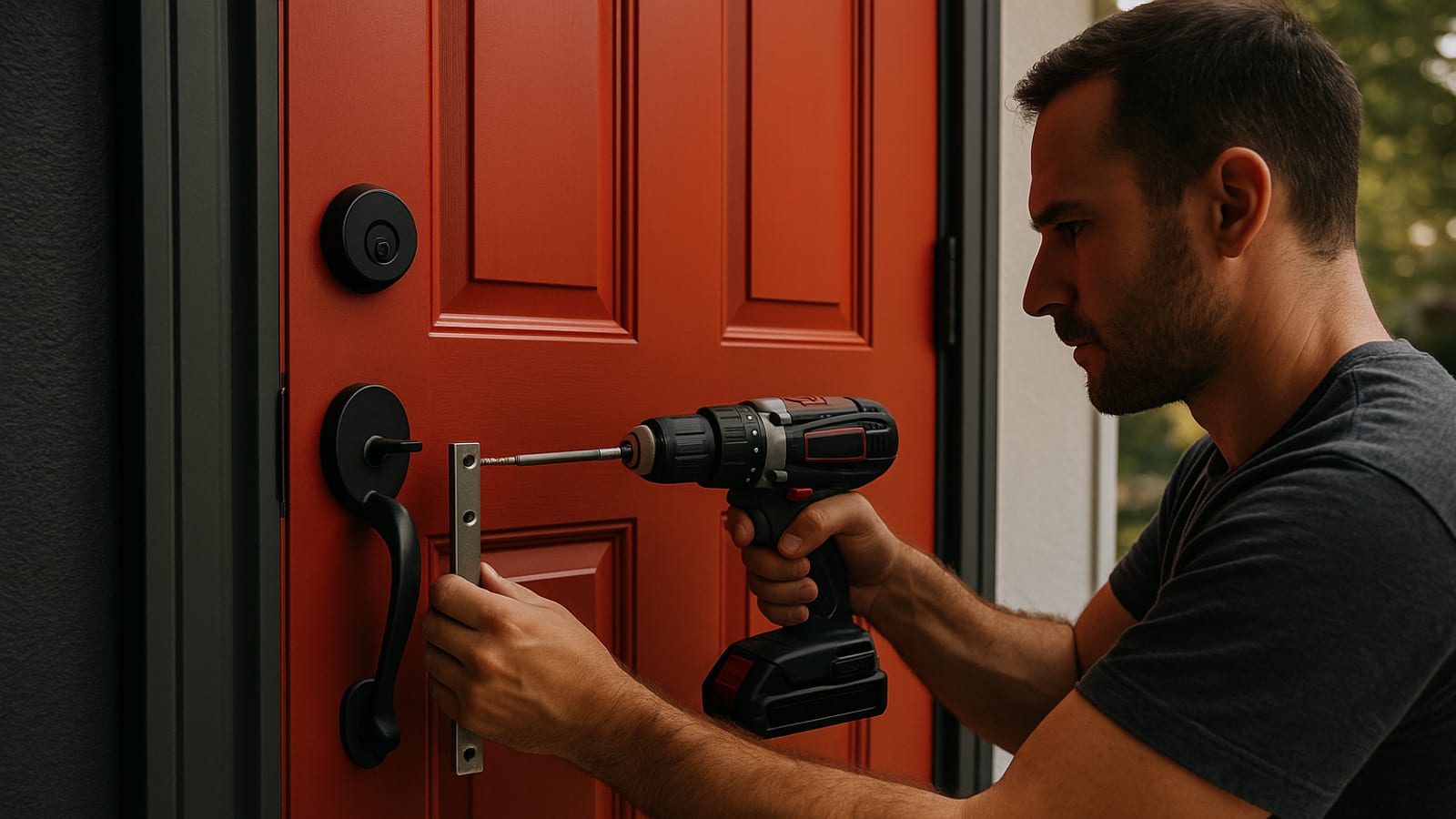
- Inspect Doors and Windows: Look for wear, warped frames, and loose hardware. Shore up weak entry points with a Single Door Security Kit — it’s one of the most direct defenses against forced entry.
- Upgrade Locks: Smart locks let you monitor and control access remotely. That matters when you can’t be there in person.
- Trim Landscaping: Overgrown shrubs are cover for people who shouldn’t be near your home. Cut them back. Eliminate the hiding spots.

Summer: Secure While Away
An empty house during vacation season is an opportunity for the wrong people. Don’t hand it to them. Take these steps before you leave:
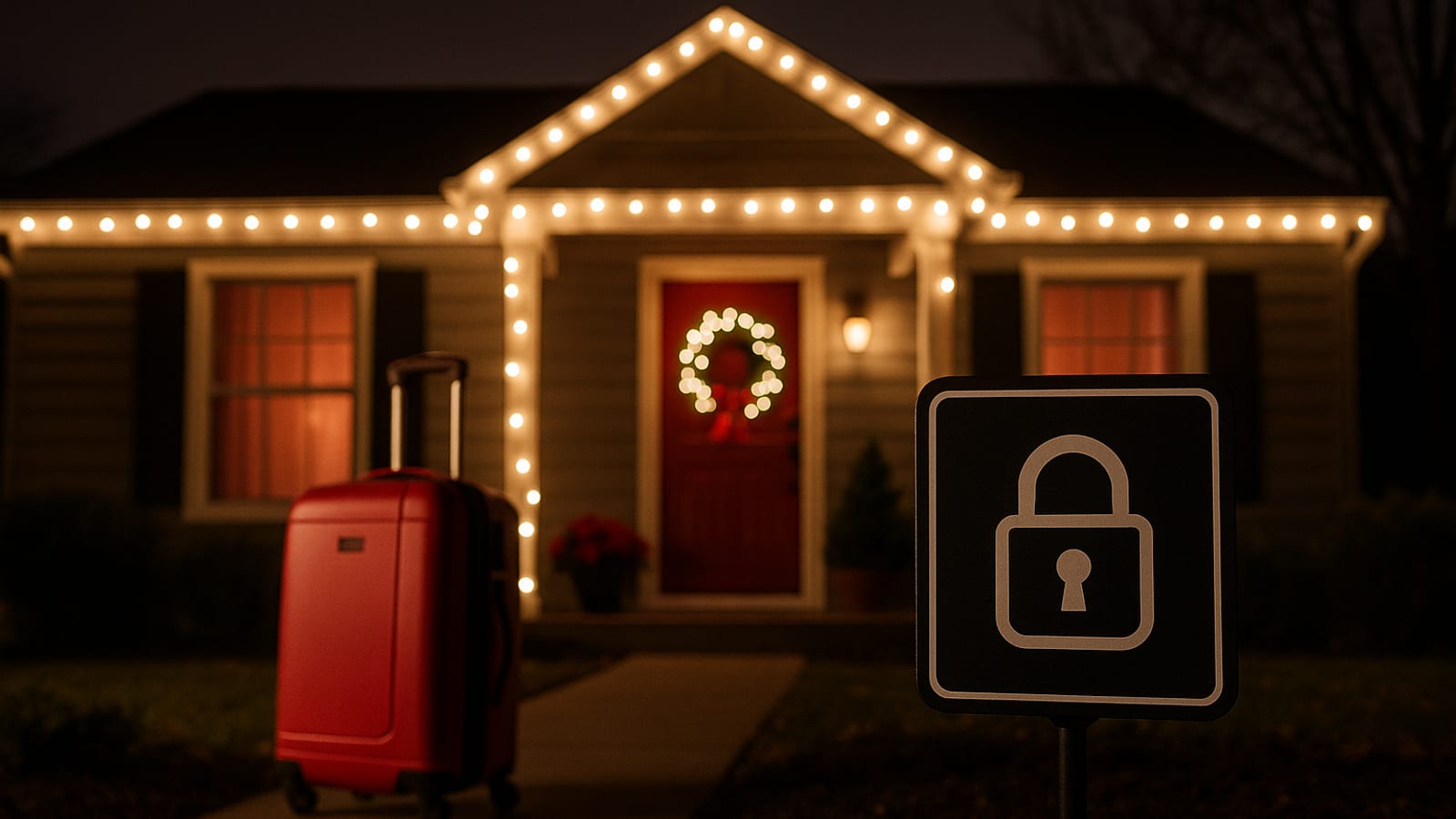
- Install Timers: Lights and electronics on timers signal occupancy. A dark, silent house at 9 p.m. tells a different story.
- Monitor with Cameras: Position cameras at key entry points. Real-time alerts mean you know what’s happening the moment it happens — not the next morning.
- Secure Sliding Doors: Sliding glass doors have a known lift-and-pry vulnerability. A Sliding Glass Door Security Kit closes that gap directly.

Autumn: Prepare for the Unknown
Shorter days mean longer windows of darkness. Visibility drops. So does deterrence — unless you plan for it. Autumn is the time to act:
- Enhance Outdoor Lighting: Motion-sensor lights around your perimeter change the calculus for anyone approaching your property uninvited.
- Secure Windows: Window Security Film reinforces glass and slows forced entry. It’s a low-cost upgrade with a real deterrent effect.
- Check Alarms: Test every system. Replace outdated equipment now, not when you need it to work.

Winter: Fortify Against the Elements
Winter doesn’t just bring cold — it creates structural vulnerabilities that can become security problems fast. Stay ahead of them:
- Inspect Roof and Gutters: Heavy snow load damages these areas. Damage creates access points. Regular maintenance is not optional.
- Reinforce Entry Points: A Single Door Security Kit adds meaningful resistance against door kick-ins — one of the most common forced-entry methods.
- Emergency Preparedness: Power outages knock out security systems. Have a backup power source ready before the first storm hits.

Year-Round Strategies for Maximum Security
Seasonal adjustments matter. But some disciplines don’t take a quarter off. These run continuously:
- Regularly Update Security Systems: Threats evolve. Your systems need to keep pace. Schedule updates — don’t wait for a failure to prompt you.
- Maintain Communication: Build a reliable network of neighbors who will flag unusual activity. Eyes on the street are still one of the most effective deterrents available.
- Professional Assessment: A professional security audit surfaces vulnerabilities you’ve stopped seeing. Do it at least once a year.
To explore door security solutions in depth, visit our shop for products built around your specific entry points.
Conclusion: Take Charge of Your Home Security Today
Adapting your security approach to each season is not complicated. It is disciplined. Homeowners who do this consistently reduce their exposure significantly and stop reacting to problems they could have prevented. Start with the season you’re in right now. A Single Door Security Kit is a concrete first step toward a more fortified entry point.
For additional guidance, explore more home security resources on our website.
Proactive beats reactive every time. Build the system now. Don’t wait for the threat to show you the gap.
Advanced Seasonal Security Technologies
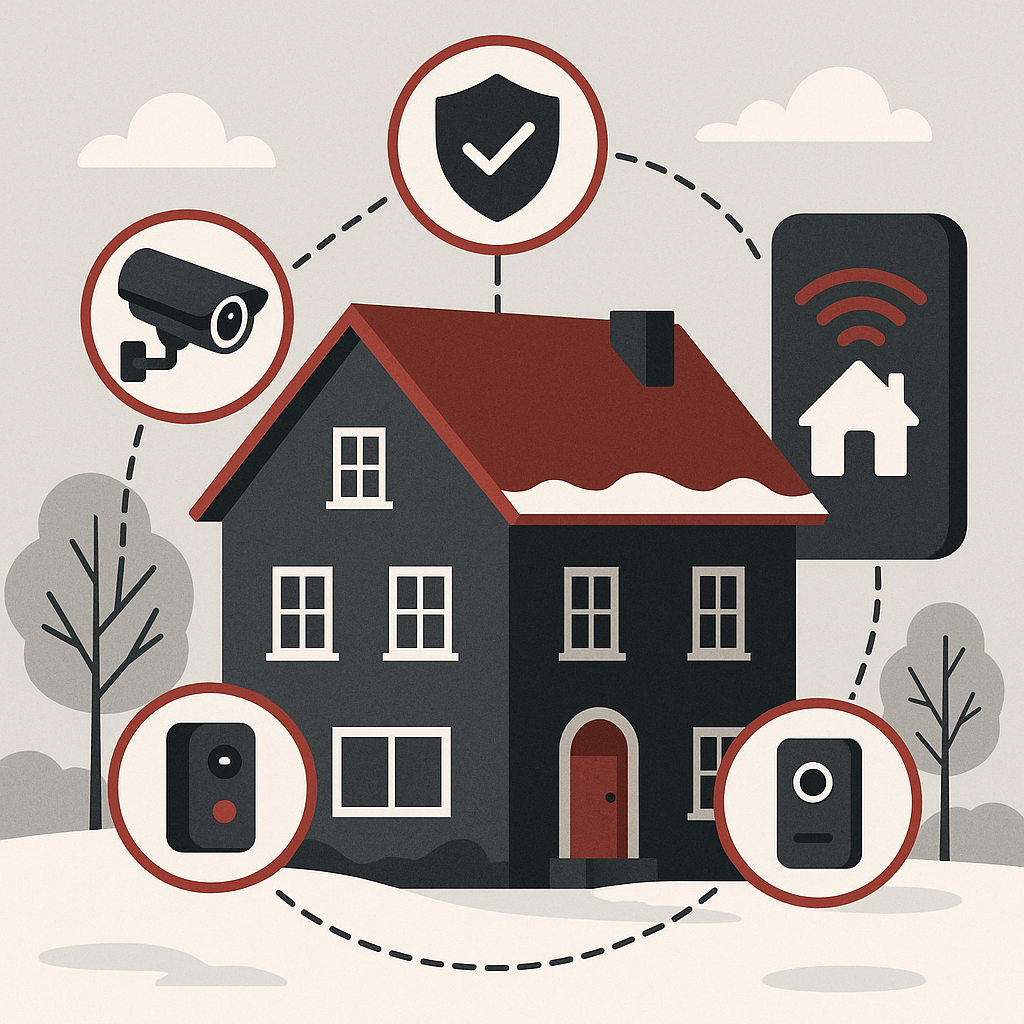
Technology has moved fast. The tools available to homeowners today would have required a professional installation budget five years ago. Here’s what’s worth your attention now:
Smart Home Integration
Connecting your security systems to a smart home platform gives you control you can act on in real time:
- Smart Sensors: Door and window sensors that push instant alerts to your phone. You know the moment something opens that shouldn’t.
- Voice-Activated Controls: Amazon Alexa and Google Assistant let you arm, check, and adjust security devices without touching a panel. Convenient and fast when it counts.
- Automated Surveillance: AI-enabled cameras distinguish humans from animals. Fewer false alarms. More accurate alerts when something real happens.
Environmental Monitoring
Intruders are not the only seasonal threat. Environmental monitoring protects the structure itself:
- Flood Sensors: Place them in basements and near water heaters. Early detection during rainy seasons prevents the kind of damage that takes months to repair.
- Smoke and Carbon Monoxide Detectors: Smart-enabled units push alerts directly to your phone. You don’t have to be home to know there’s a problem.
- Temperature Sensors: Monitor for freezing conditions that burst pipes in winter or heat spikes that signal fire risk in summer. Passive protection that runs in the background.
Community-Based Security Efforts
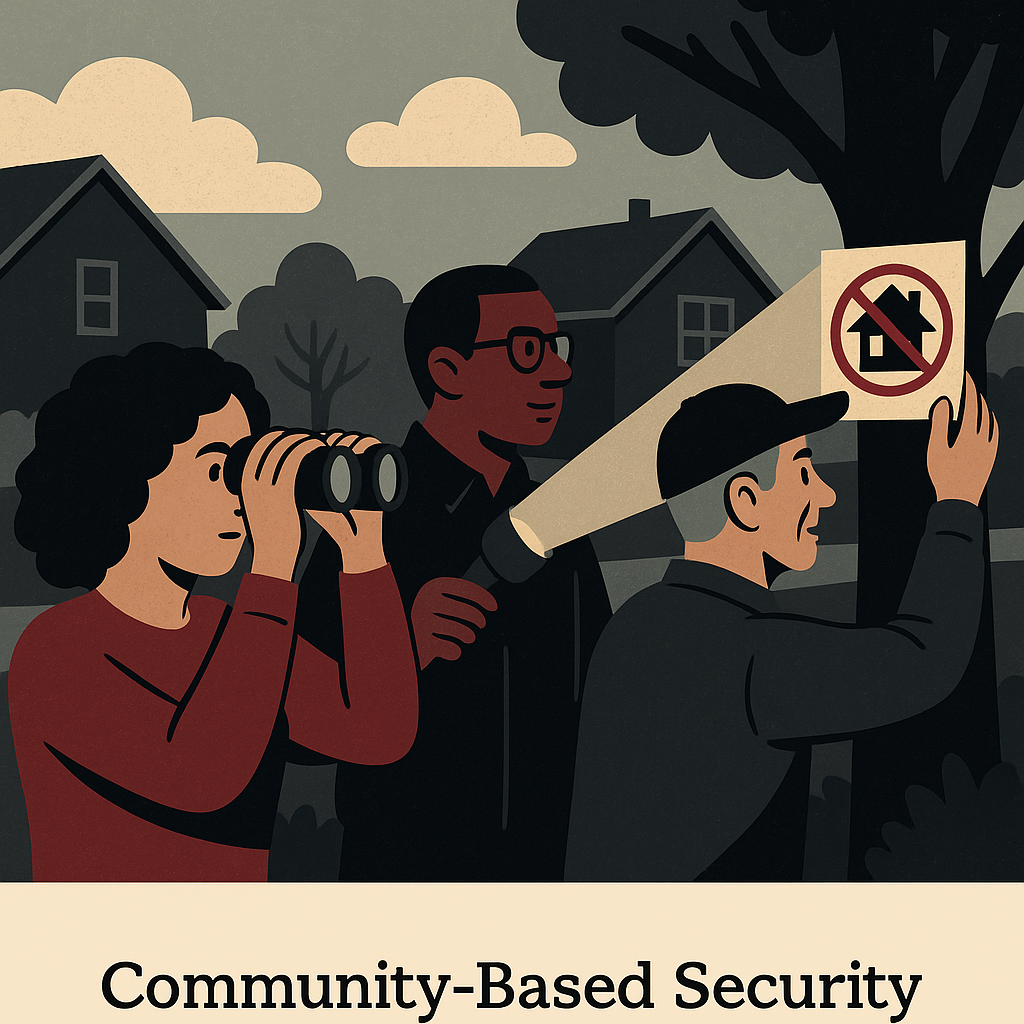
Individual systems have limits. A coordinated block is harder to target than a single well-secured house. Community involvement multiplies your protection without multiplying your costs.
Neighborhood Watch Programs
A functioning neighborhood watch is one of the most cost-effective deterrents available:
- Regular Meetings: Consistent communication keeps everyone calibrated on what’s normal and what isn’t. Patterns get spotted faster.
- Shared Surveillance: Pooled resources for neighborhood-wide camera coverage close the blind spots that individual systems leave open.
- Communication Channels: A WhatsApp group or similar platform lets residents share real-time information. Speed matters when something is actively happening.
Local Security Partnerships
Relationships with local law enforcement and security professionals add layers that technology alone cannot provide:
- Security Audits: Local professionals see vulnerabilities that residents overlook. An outside perspective is worth the time.
- Police Liaison: A direct line to local police shortens response times and builds a working relationship before an emergency requires it.
- Community Events: Security workshops and demonstrations raise the baseline knowledge across your entire neighborhood. A more informed block is a harder target.
Cost-Effective Security Solutions
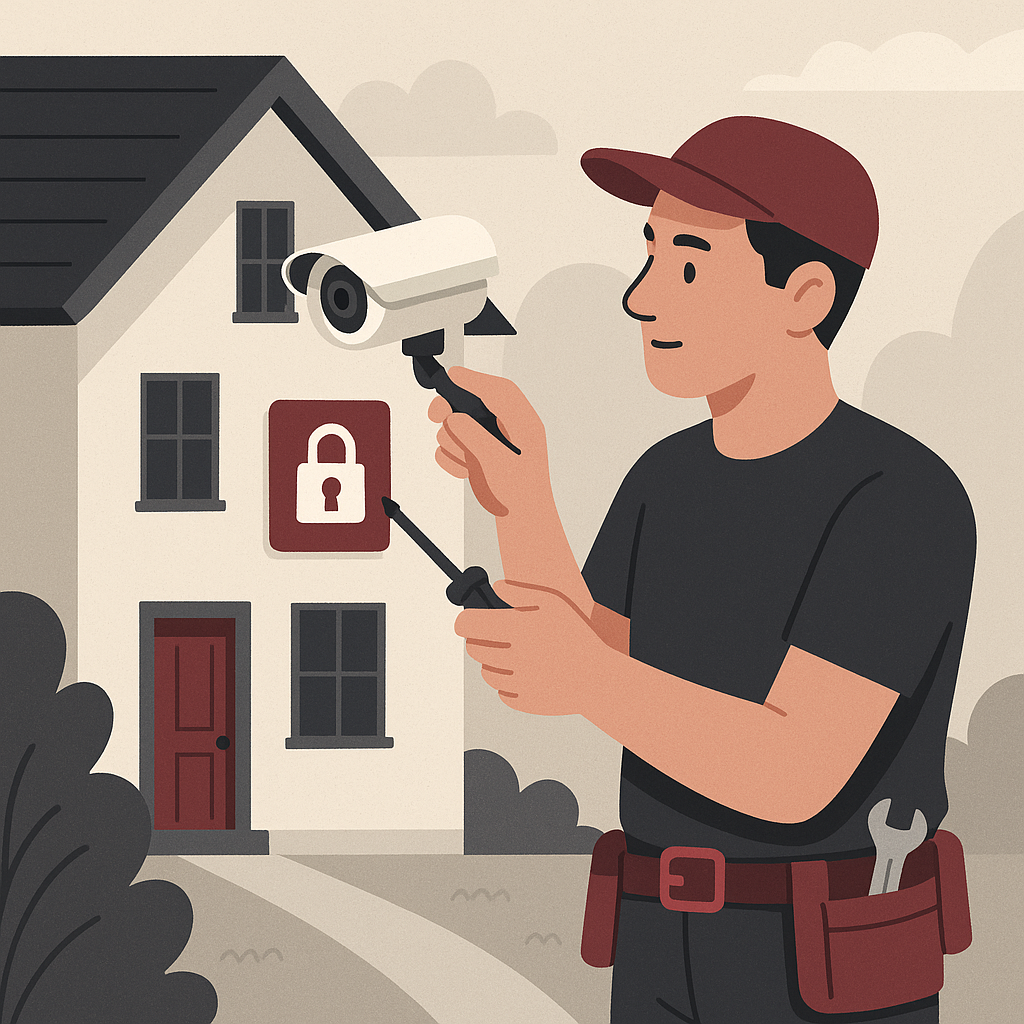
A strong security posture does not require a large budget. It requires smart prioritization. Here’s where to put your money and effort first:
DIY Security Enhancements
Several high-impact upgrades require no professional installation:
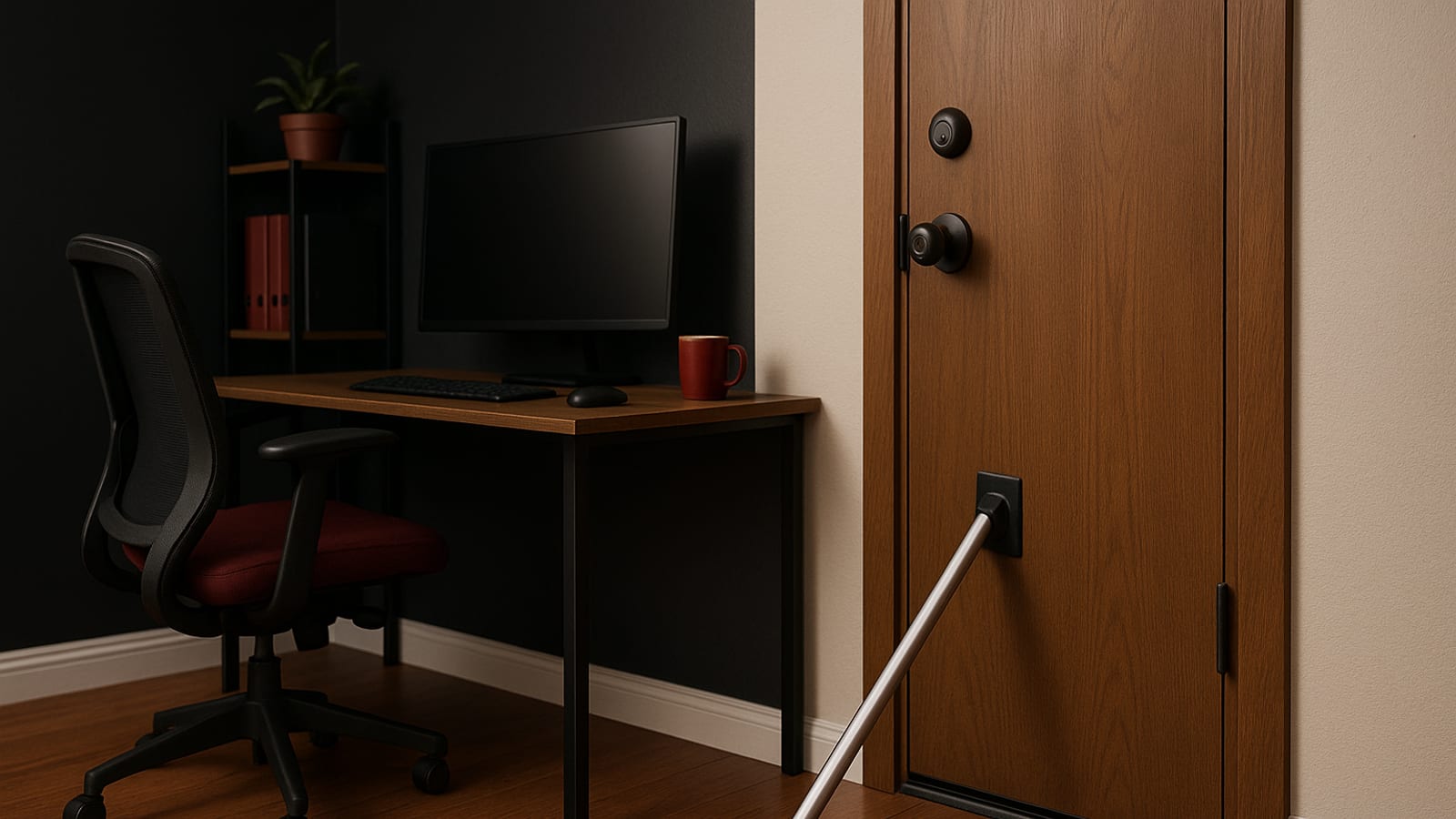
- Reinforce Doors: Door jammers and additional deadbolts raise the effort required for forced entry significantly. Simple, effective, and inexpensive.
- Window Locks: Dowels or secondary locks on sliding windows prevent them from being forced open from outside. A five-dollar fix for a real vulnerability.
- Security Decals: Visible security signage deters opportunistic intruders. It signals that your property is monitored, even before they test it.
Energy-Efficient Solutions
The best security upgrades pull double duty — protecting your home while cutting operating costs:
- Solar-Powered Lights: Motion-activated solar lights eliminate the electricity cost entirely while maintaining perimeter deterrence around the clock.
- LED Bulbs: LED security lighting delivers full brightness at a fraction of the energy draw. Lower bills, same deterrent effect.
- Smart Thermostats: Remote control of heating and cooling integrates naturally into a broader smart security setup — and pays for itself in energy savings over time.
Modern technology, coordinated community effort, and targeted low-cost upgrades combine into a security strategy that holds up across every season. You don’t need to do everything at once. You need to build consistently, review quarterly, and close gaps before they become problems.
Seasonal Security Maintenance Checklist
Run through this checklist each quarter. Don’t skip it because nothing went wrong last season — that’s exactly when gaps form:
- Spring: Test all alarm systems. Replace batteries in smoke and carbon monoxide detectors. Clean and reposition security cameras for optimal coverage.
- Summer: Review outdoor lighting. Adjust timers for longer daylight hours. Check fencing and hedges for gaps that could be exploited.
- Autumn: Inspect and replace weather stripping on doors and windows. Update contact information in your security system directories.
- Winter: Confirm all backup power systems are operational. Keep pathways clear of snow and ice so emergency services can reach you without delay.
Run this checklist without shortcuts. The season that feels the most routine is usually the one where something gets missed.
Disclosure: this article may contain affiliate links. If you buy through them, we may earn a small commission at no extra cost to you.
“`
Disclosure: this article may contain affiliate links. If you buy through them, we may earn a small commission at no extra cost to you.
Leave a Reply