
Know What You Are Up Against
Most break-ins are not sophisticated. They are fast and physical. Doors are the primary entry point, and forced entry is the most common method. A determined intruder does not pick locks — they kick frames. That single fact should shape every decision you make about door security. This is not about fear. It is about building a system that makes your home the wrong target.
Reinforce the Door Itself
The door is only as strong as its weakest component. Here is where to start:
- Install a Security Kit: A purpose-built kit addresses multiple failure points at once. The Single Door Security Kit (affiliate) is designed for standard doors — straightforward to install and built to absorb real force.
- Upgrade Your Locks: Deadbolts with a minimum one-inch throw bolt are non-negotiable. Choose locks rated to resist picking and bumping. Hardware store specials do not qualify.
- Reinforce the Frame: The frame fails before the door does. A 16-gauge steel jamb reinforcement stops a kick-in cold. This is the upgrade most people skip. Do not skip it.
Securing Specialty Doors
Standard solutions do not fit every door. Know your vulnerabilities:
- French and Double Doors: The center gap is the weak point. The Double Door Security Kit (affiliate) is engineered specifically for this configuration and closes that gap fast.
- Sliding Glass Doors: These fail through lift-and-pry attacks. Address both the track and the locking mechanism — one without the other is incomplete.
- Doors with Side Lights: Decorative glass panels beside your door are an invitation. The Side Light Door Security Kit (affiliate) protects the frame around those panels so glass alone does not decide your fate.
Additional Security Measures
Door reinforcement is the foundation. Build on it:
- Window Security: Window Security Film (affiliate) keeps glass intact under impact. It will not stop a determined intruder forever, but it buys you time — and time matters.
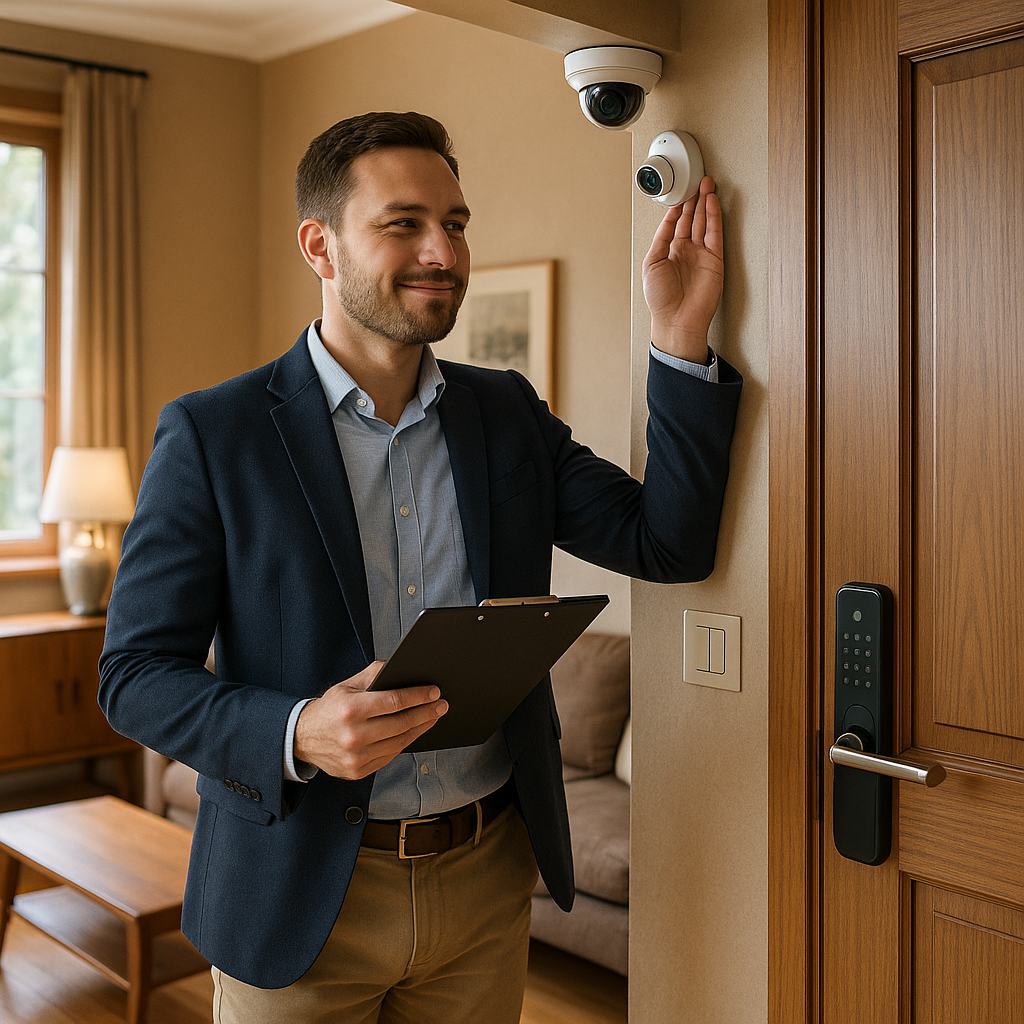
- Security Cameras: Cameras at entry points do two things: they deter and they document. Visible cameras change the calculus for anyone casing your home.
- Lighting: Motion-sensor lights at every entryway eliminate the cover of darkness. Simple, cheap, and consistently effective.
Build Your System, Then Protect It
A layered approach is the only approach that holds. Whether you start with a Single Door Security Kit (affiliate) or go comprehensive from day one, the principle is the same: stack your defenses so that no single failure point ends the game. For deeper guidance on DIY Door Reinforcement and Renter-Friendly Security Solutions, the resources are there. Your home should be a sanctuary. Build it like one.
Smart Technology for Enhanced Door Security
Technology does not replace physical reinforcement. It extends it. Here is what is worth adding to your system:
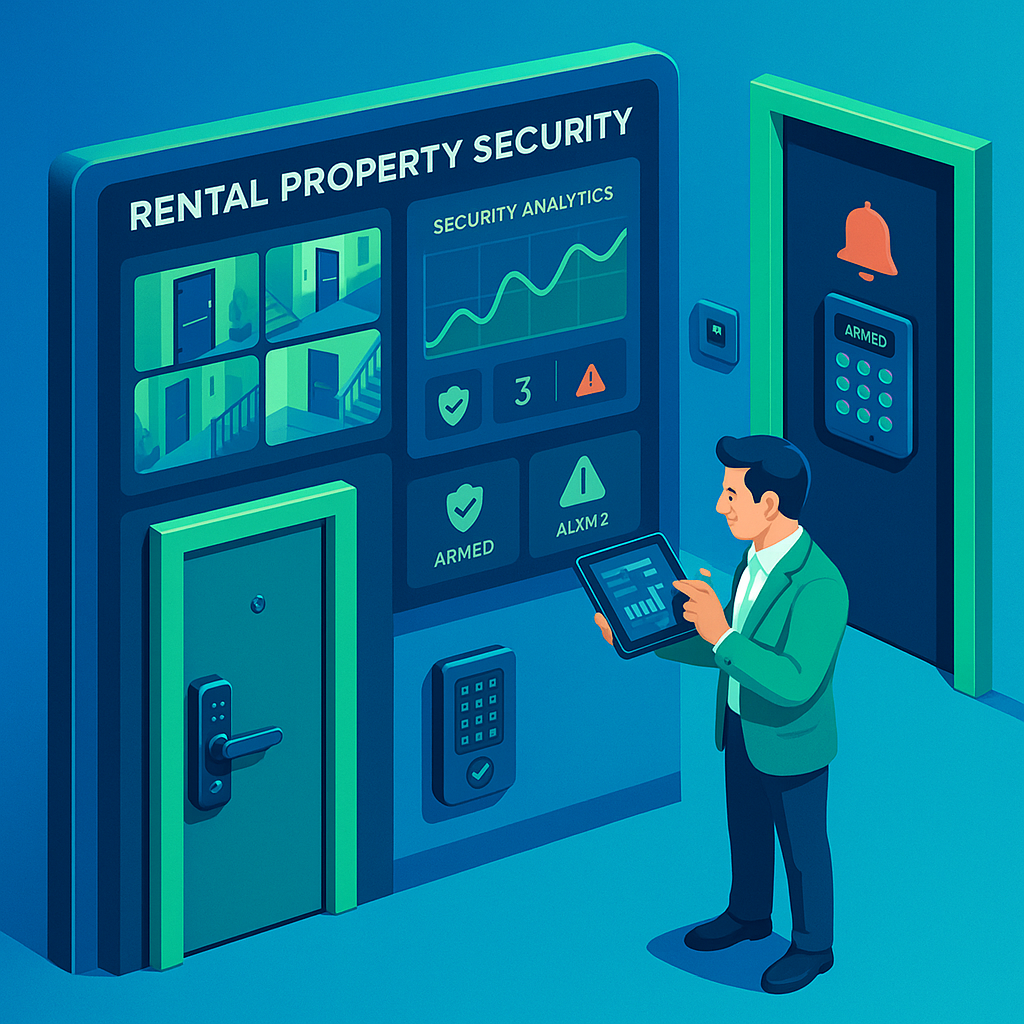
- Smart Locks: Control access remotely from your phone. Grant temporary entry to trusted people without cutting spare keys. Revoke access instantly when circumstances change.
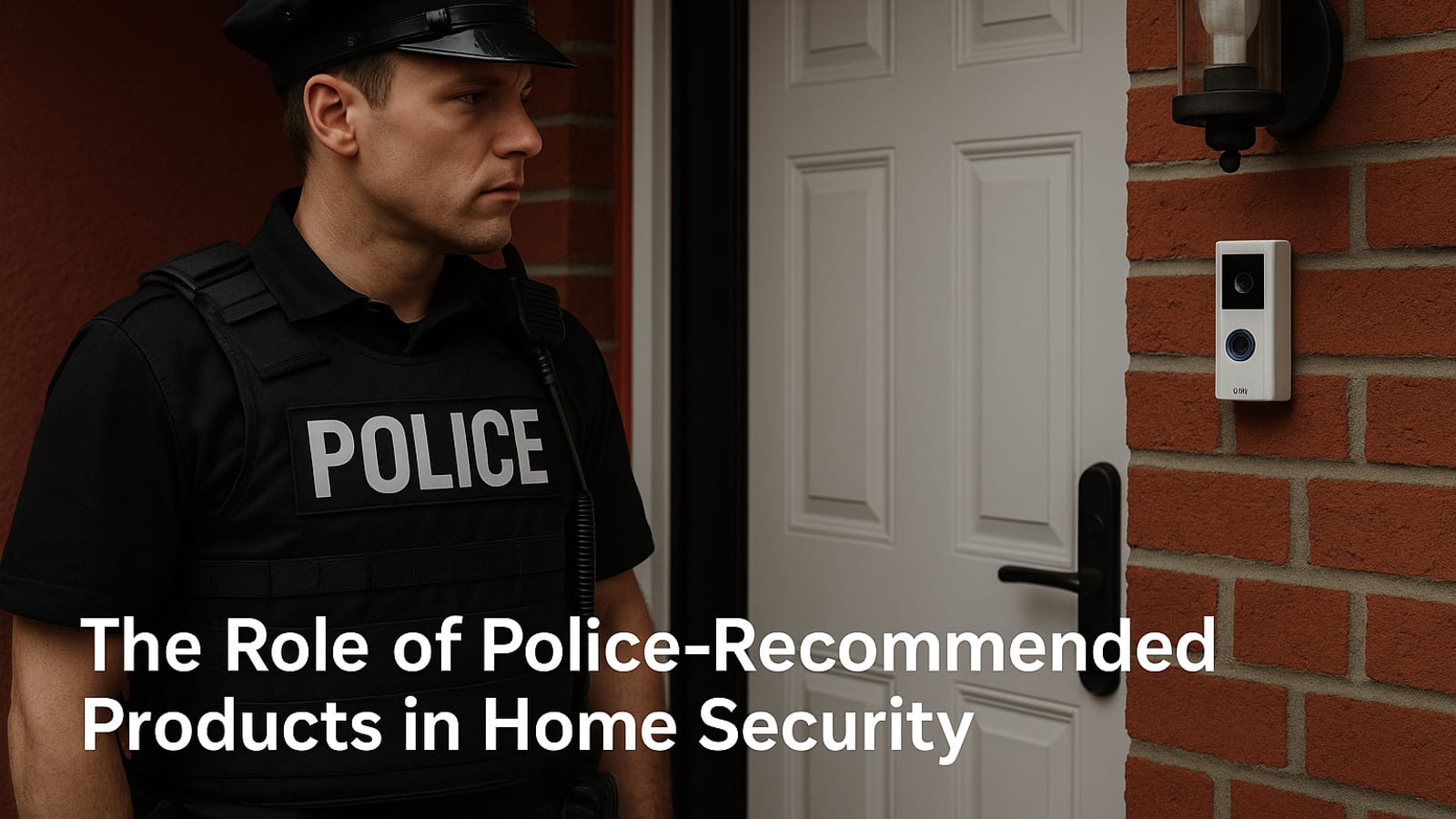
- Video Doorbells: See and speak with anyone at your door whether you are home or three states away. The visible camera alone deters most opportunists before they test your locks.
- Smart Alarms: An integrated alarm system sends real-time alerts to your phone the moment an unauthorized entry is attempted. Awareness is response time, and response time is everything.
Checklist for Routine Security Maintenance
A system you do not maintain is a system that fails when you need it most. Run this checklist consistently:
- Inspect Locks: Test every lock monthly. If it sticks, drags, or feels loose, replace it before it becomes a liability.
- Test Security Systems: Run monthly checks on alarms and cameras. Swap batteries. Update firmware on smart devices. A camera with a dead battery is decoration.
- Check Door Frames and Hinges: Quarterly, examine frames and hinges for wear. Tighten loose screws. Lubricate hinges. Small maintenance prevents large failures.
Case Study: Successful Security Implementation
Sarah lived alone and had a close call — a burglary attempt that shook her but did not break her. She responded with a deliberate, layered system: smart locks, security cameras, and door reinforcement kits installed across every entry point. The result was immediate. Remote monitoring gave her real-time visibility into her home. Alerts meant she could respond before situations escalated. The intrusion attempts stopped.
She also connected with a local community watch program. Neighborhood vigilance compounded her individual upgrades. The combination — physical reinforcement, smart technology, and community awareness — produced a measurably safer environment. That is what a real security system looks like.
Key Performance Indicators for Measuring Security Effectiveness
You cannot improve what you do not measure. Track these indicators to know whether your system is actually working:
- Incident Response Time: How fast do you act when an alert fires? Slow response erases the advantage your technology provides. Know your number and tighten it.
- System Downtime: Every hour your cameras or alarms are offline is an hour of exposure. Log outages and eliminate the causes systematically.
- False Alarm Rate: Frequent false alarms signal a miscalibrated system — and they train you to ignore real alerts. A high rate demands immediate recalibration.
Review these metrics regularly. Adjust what is not performing. A security system is not a one-time install — it is an ongoing commitment to staying ahead of the threat.

Leave a Reply