
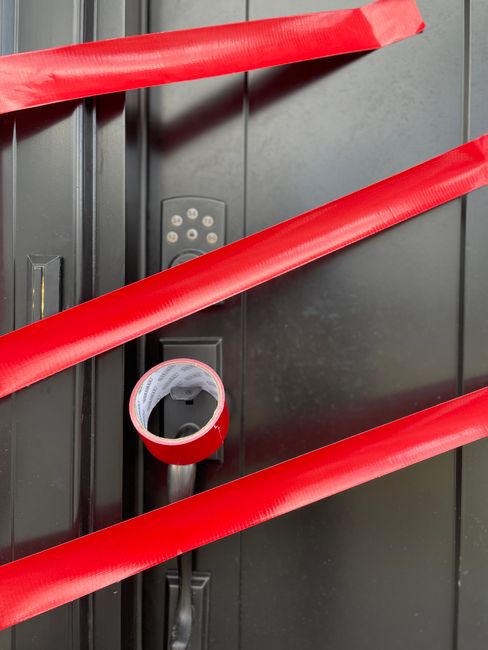
Most forced entries happen at the front door. Not through a window. Not through a back gate. The front door — the one you walk through every day without a second thought. If your door security is soft, everything else you’ve done to protect your home means very little. This guide gives you the exact strategies and tools to close that gap.
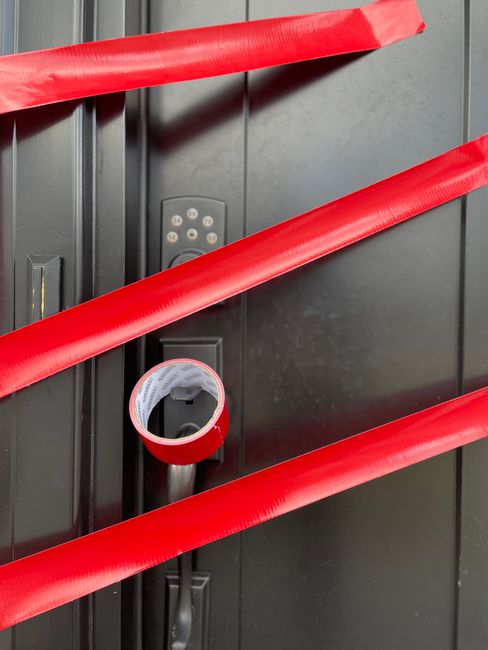
Understanding Door Security Vulnerabilities
Before you fix anything, you need to see your door the way an intruder does. Three weaknesses show up again and again in homes that get breached:
- Weak Door Frames: The frame fails before the lock does. One solid kick splits an unreinforced frame and the door swings open. The lock never mattered.
- Inadequate Lock Systems: Standard builder-grade locks offer minimal resistance. They look functional. They are not.
- Poor Hinge Security: Exposed hinges let an intruder pop the door off its frame entirely — bypassing every lock you installed.
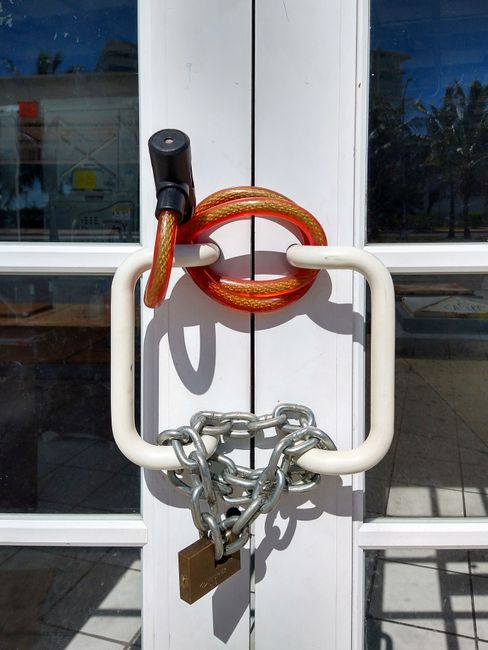
Reinforcing Door Frames
The frame is the first thing you fix. Here is how to do it right:
- Install a Door Reinforcement Kit: These kits are engineered to stop frame splitting on impact. Door Armor offers kits starting around $80. That is a low price for a meaningful upgrade in forced-entry resistance.
- Use Longer Screws: Swap the short screws in your strike plate and hinges for 3-inch screws. They reach the wall studs. Short screws only grip drywall — and drywall gives way.
Upgrading Lock Systems
Your lock is your first line of defense. Treat it accordingly:
- Deadbolt Locks: A Grade 1 deadbolt is the minimum standard for any exterior door. It is rated to withstand the force that cheaper locks cannot.
- Smart Locks: A smart lock system lets you monitor and control access remotely. The August Smart Lock starts at approximately $150 and adds a layer of visibility that a keyed lock never can.
Enhancing Hinge Security
Do not overlook the hinges. They are a quiet vulnerability with a straightforward fix:
- Use Security Hinges: Non-removable pin hinges eliminate the risk of the door being lifted off the frame from the outside.
- Reinforce with Hinge Bolts: Hinge bolts anchor the door to the frame independently of the hinges. Even if a hinge is compromised, the door holds.
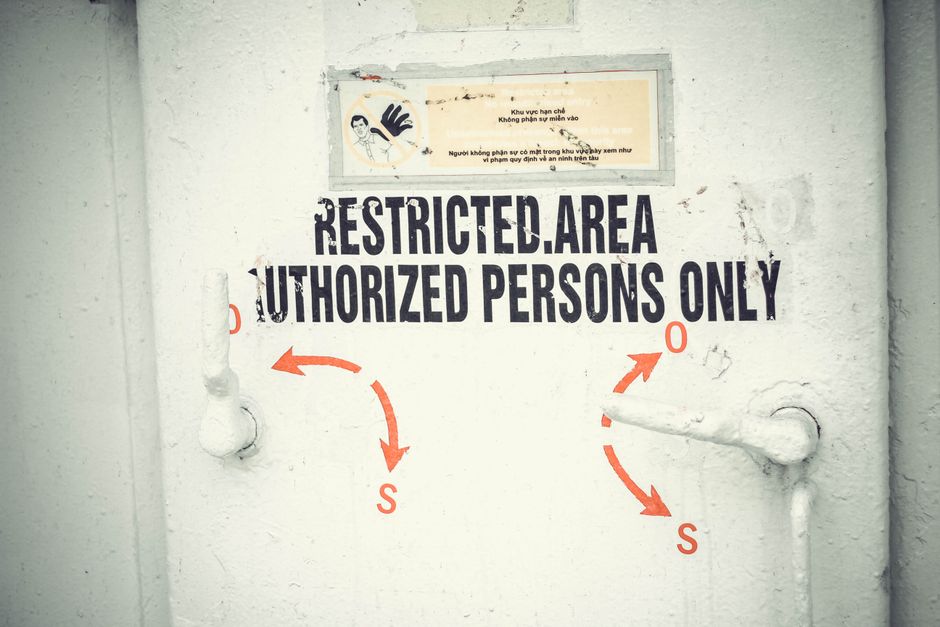
Implementing Additional Security Measures
A hardened door is the foundation. Layer these measures on top of it:
- Install a Security Camera: Visible cameras change the calculus for an intruder. Ring and Arlo offer full packages starting at $200. Deterrence is worth every dollar.
- Use Door Sensors: Sensors tied to your security system alert you the moment a door opens unexpectedly. You know before anything escalates.
- Outdoor Lighting: Motion-activated lights eliminate the cover of darkness. Most intruders will not operate under a spotlight.
Choosing the Right Door Material
The door itself matters. Material determines how much punishment it can absorb before it fails:
- Solid Wood Doors: Dense and strong, but they require consistent maintenance. Neglect leads to warping, and warping creates gaps.
- Metal Doors: Steel doors resist forced entry better than wood. They do not warp, and they tend to cost less over time.
- Fiberglass Doors: The middle ground. Durable, dent-resistant, and visually closer to wood than steel. A solid option when aesthetics matter alongside security.
Regular Maintenance and Inspection
Installing strong hardware is step one. Keeping it functional is the ongoing work that most homeowners skip:
- Inspect Locks and Hinges: Check for rust, wear, or looseness on a regular schedule. A compromised lock you did not notice is worse than no lock at all.
- Test Security Systems: Smart locks and sensors need updated firmware and fresh batteries. A dead sensor is a silent gap in your perimeter.
- Reinforce Weatherstripping: Solid weatherstripping adds a layer of resistance at the door edge. It is primarily for insulation, but it contributes to overall door integrity.
Case Study: Successful Door Security Implementation
The Smith family upgraded their door security after a break-in hit their neighborhood. They did not panic. They built a system.
They installed solid steel doors with Grade 1 smart deadbolts that could be monitored remotely. Security cameras covered every entry point. The setup was visible, deliberate, and comprehensive. Months later, the neighborhood saw another break-in attempt. The intruders approached the Smiths’ property, assessed what they were looking at, and moved on without attempting entry.
That outcome is not luck. It is what layered, well-maintained security produces. The visible deterrent did the work before any lock was ever tested.
Checklist for Evaluating Your Door Security
Run through this before you consider your doors secure:
- ✔️ Is your door made of solid wood, steel, or fiberglass?
- ✔️ Are your door frames reinforced with a kit or 3-inch screws into wall studs?
- ✔️ Do you have a Grade 1 deadbolt on every exterior door?
- ✔️ Are your hinges fitted with non-removable pins or hinge bolts?
- ✔️ Do you have a security or doorbell camera covering entry points?
- ✔️ Is your outdoor lighting motion-activated and positioned correctly?
- ✔️ Are locks, hinges, and security systems on a regular maintenance schedule?
Frequently Asked Questions (FAQs) on Door Security
What is the most secure type of door lock?
A Grade 1 deadbolt. It is the residential standard for forced-entry resistance and the benchmark every other lock is measured against.
How often should I replace my door locks?
Every seven to ten years under normal conditions — sooner if you see rust, wear, or malfunction. Replace immediately after a lost key or a security breach. Do not wait.
Can smart locks be hacked?
No system is completely immune. But smart locks with encryption and two-factor authentication offer strong protection. Keep the firmware updated. That single habit closes most of the risk.
Key Performance Indicators (KPIs) to Measure Security Effectiveness
You cannot improve what you do not track. Monitor these to know whether your security is actually working:
- Number of Unauthorized Entry Attempts: How often are your systems detecting and stopping access attempts? That number tells you whether your deterrents are working.
- Response Time to Security Alerts: Speed matters when an alert fires. Know your average response time and work to reduce it.
- System Downtime: Log every malfunction or outage. Patterns in downtime reveal the weakest component in your setup.
- Maintenance Frequency: Keep a record of every inspection and service. Gaps in that record are gaps in your security.
Take Action on Your Home’s Security
Securing your doors is not a one-afternoon project you check off and forget. It is a system you build, test, and maintain. Start with an honest assessment of what you have. Then reinforce the frame, upgrade the locks, harden the hinges, and layer in cameras and lighting. Each step compounds on the last. Done right, your home becomes a property that intruders assess and walk away from.
That is the outcome worth building toward. For more on building secure, automated systems across domains, explore ArcanoLabs and see how AI-driven tools can sharpen your approach to security and efficiency.

Leave a Reply