
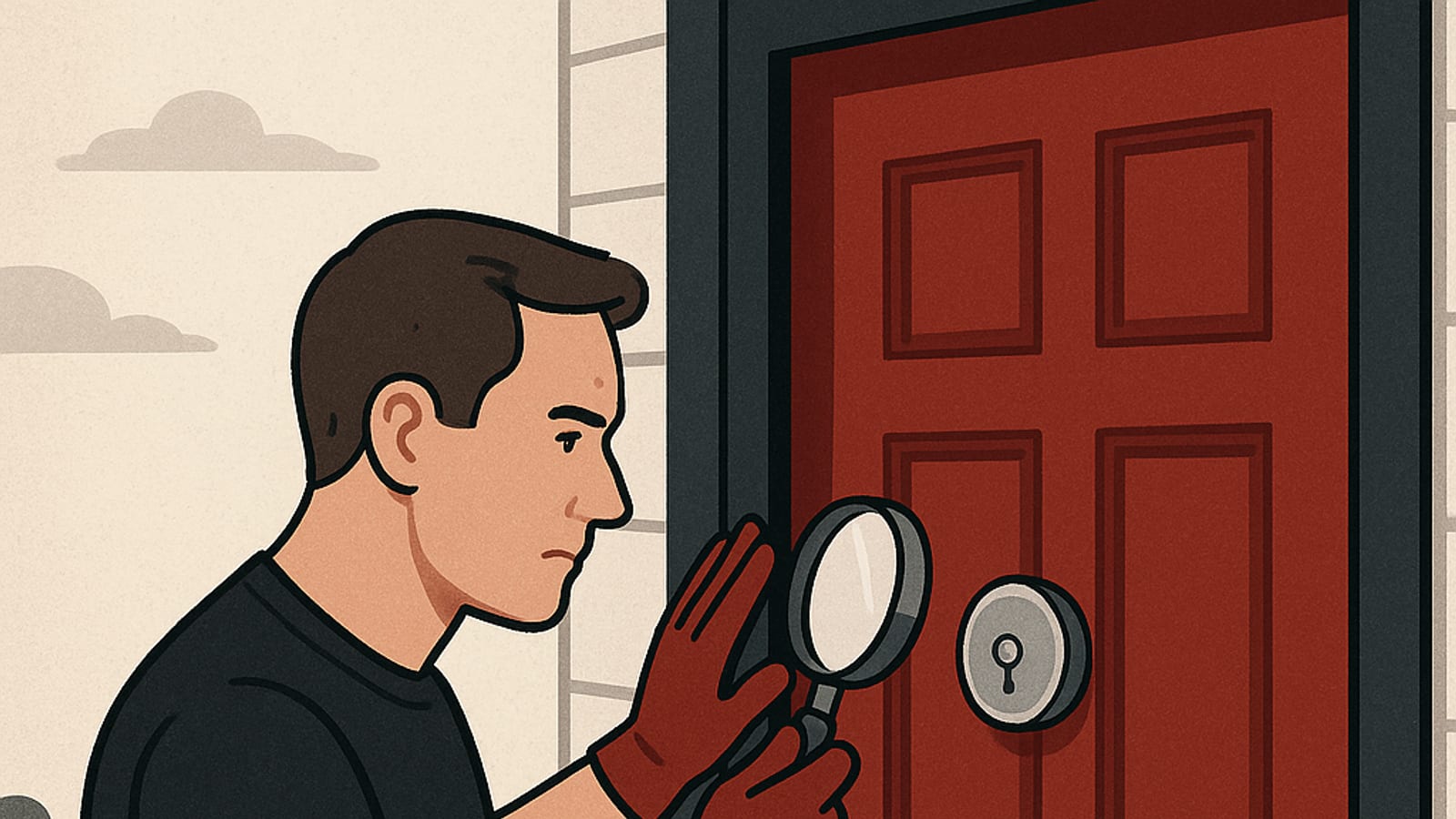
Most homeowners spend money on alarm systems and smart cameras. Meanwhile, the front door—the actual point of failure—stays weak. Experts know something most people don’t: a determined intruder doesn’t pick locks. They kick doors. And a standard door, even a locked one, goes down in seconds. The first upgrade worth making isn’t high-tech. It’s door reinforcement. Here’s exactly why, and how to do it right.
Understanding the Importance of Door Reinforcement
Your front door is the primary entry point in most home invasions. A standard door, even when locked, folds under a single well-placed kick. Reinforcement isn’t just about adding a better lock—it’s about hardening the entire structure so forced entry becomes a real obstacle instead of a ten-second problem.
Picture this: a homeowner installs a high-tech alarm system but ignores the hollow door frame. An intruder kicks the door once. The frame splits. The alarm triggers after the fact. That’s not security—that’s theater. Door reinforcement addresses the physical vulnerability before any alarm ever needs to fire.
Key Components of Door Reinforcement
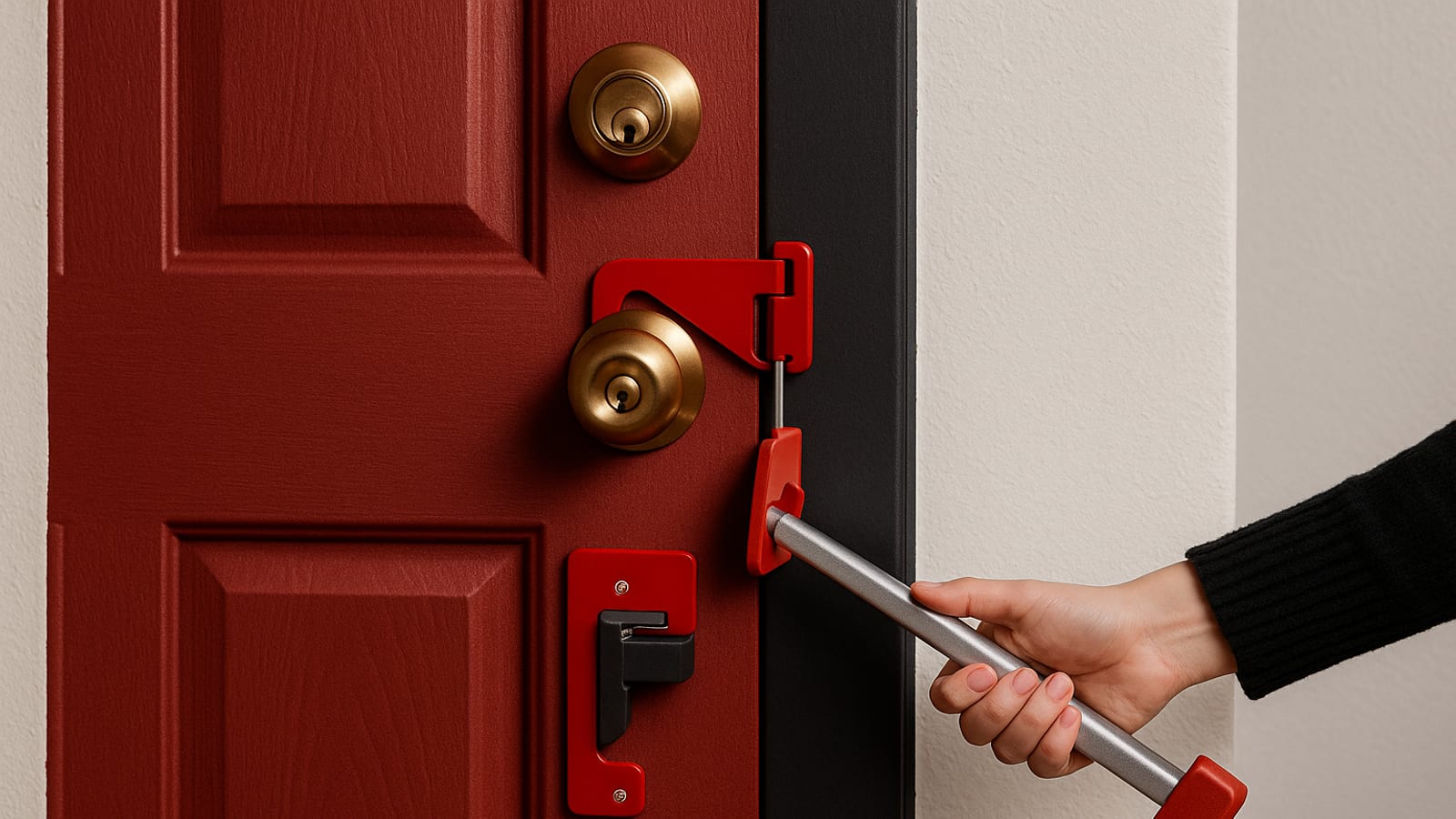
- Strike Plate Reinforcement: A heavy-duty strike plate secured with long screws stops door frame splitting at the point of impact.
- Door Jamb Reinforcement: A metal jamb kit absorbs kick force and keeps the frame intact.
- Hinge Reinforcement: Reinforced hinges prevent the door from being pulled or pried out of its frame entirely.
These three components work as a system. Each one closes a specific gap. Together, they raise the cost of forced entry high enough that most intruders move on.
Step-by-Step Guide to Reinforcing Your Door
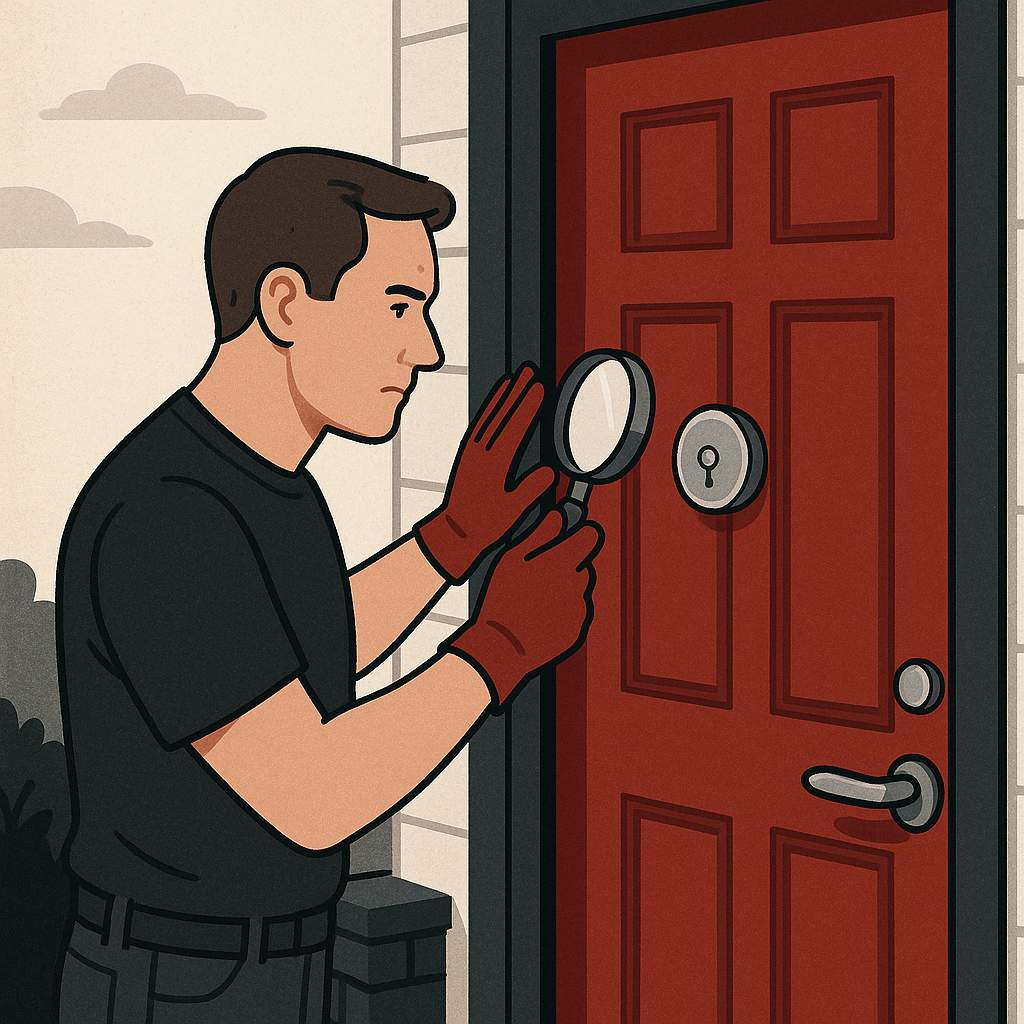
This is a job most homeowners can complete in an afternoon. No contractor required. Follow these steps and you’ll have a measurably stronger entry point before the day is out.
Step 1: Assess Your Current Door Setup
Start with a hard look at your door and frame. Check for existing cracks, splits, or soft wood around the strike plate area. Fix structural damage before you add reinforcement—otherwise you’re building on a weak foundation.
Step 2: Choose the Right Door Reinforcement Kit
For a standard single entry door, the Single Door Security Kit covers what you need. For French doors or double entry doors, step up to the Double Door Security Kit. Both include strike plates, jamb shields, and hinge reinforcements—everything in one box.
Step 3: Install Strike Plate Reinforcement
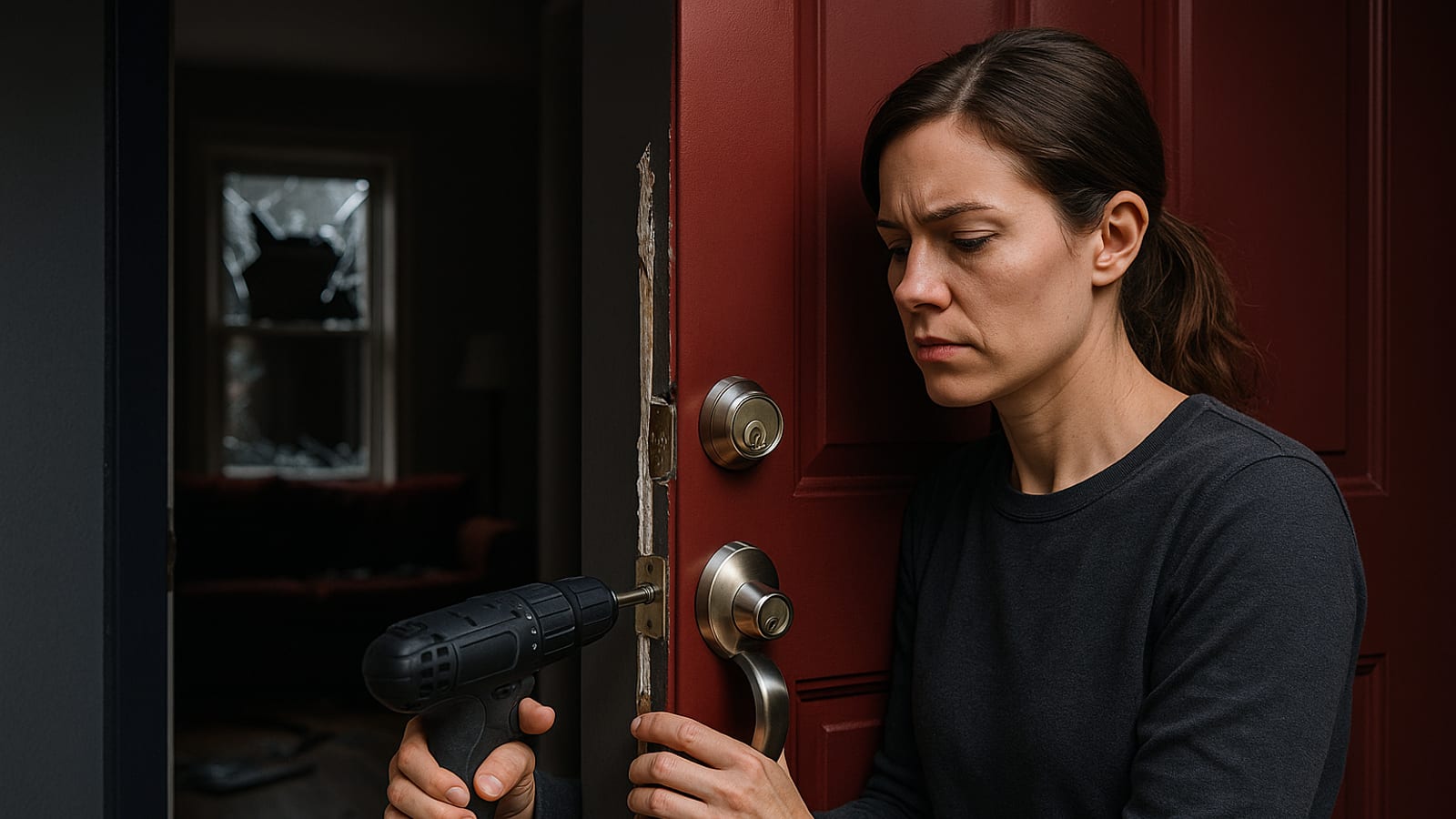
Pull the existing strike plate off. Replace it with the heavy-duty version from your kit. Drive 3-inch screws directly into the wall stud behind the frame. That connection to the stud is what makes the difference—short screws only grip the trim.
Step 4: Reinforce the Door Jamb
Fit the metal jamb shield along the door frame. This is the component that stops a kick-in cold. The shield distributes impact force across a wider area, so the frame holds instead of splitting.
Step 5: Upgrade Door Hinges
Swap standard hinges for the reinforced versions included in your kit. Again, use long screws that reach the wall stud. Hinges secured only to trim are a liability you don’t want.
Additional Security Measures
Door reinforcement is the foundation. These additions build on top of it:
- Window Security Film: Window security film makes glass harder to breach quickly—a meaningful deterrent at entry points adjacent to door locks.
- Smart Locks: Remote access control and activity logs give you visibility into who enters and when.
- Security Cameras: Visible cameras at entry points change the risk calculation for anyone casing your property.
None of these replace a reinforced door. They complement it. Stack them in the right order and you have a genuinely layered defense.
Cost and Investment
The numbers are straightforward. A Single Door Security Kit runs around $79. A Double Door Security Kit is about $149. The average loss from a residential burglary in the U.S. exceeds $2,600—and that figure doesn’t account for what gets broken, the insurance deductible, or the time you lose dealing with the aftermath.
If you have multiple entry points, look at product bundles for better per-door value and full coverage without gaps.
Actionable Next Steps
Walk your entry points today. Front door, back door, any secondary access. Note what’s weak. Then match each door to the right kit and get the installation done this week—not next month.
For the full range of options, visit Door Security Solutions and find the kit that fits your setup.
One afternoon of work. A measurable reduction in risk. That’s the trade. Take it.
Understanding Different Types of Door Reinforcement Kits
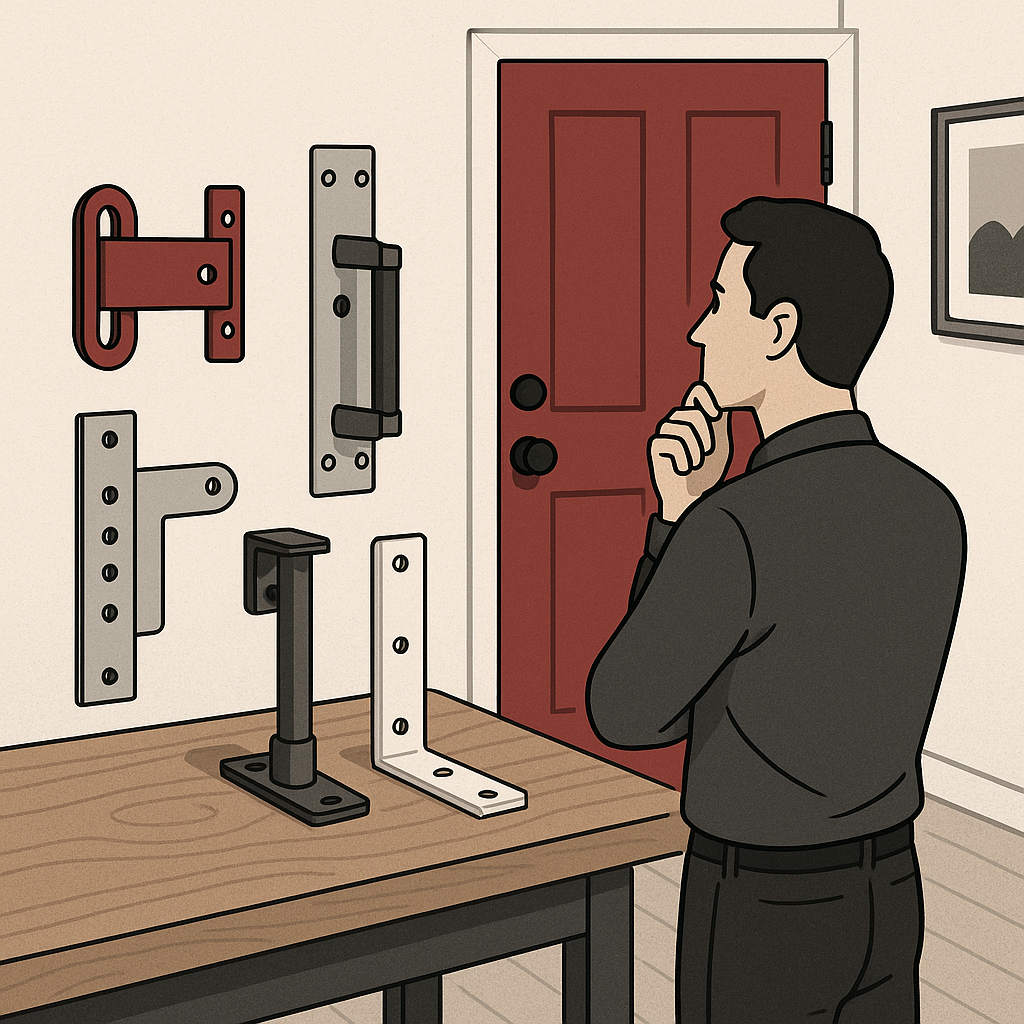
Not every door has the same vulnerability profile. Picking the right kit means understanding what you’re actually securing. Here’s how the main categories break down.
Standard Door Kits
Built for single-entry doors—the most common configuration in residential homes. A standard kit includes a reinforced strike plate, door jamb shield, and upgraded hinges. It addresses the three failure points that account for the vast majority of kick-in entries on wooden and metal doors.
Double Door Kits
French doors and double entry doors carry extra vulnerability at the center seam where the two panels meet. Double door kits include additional strike plates and jamb shields to close that gap. If you have this door type and you’re using a standard kit, you have a blind spot.
Sliding Door Kits
Sliding doors are a frequently overlooked entry point. Specialized kits include reinforcement bars and locks that prevent the door from being lifted off its track or forced laterally. If your patio door isn’t on your security checklist, add it now.
Customizable Kits
Non-standard doors—unusual dimensions, decorative designs, custom frames—need a tailored approach. Customizable kits let you select individual components, including high-security deadbolts or electronic locks, to fit the specific door without compromising its structure or appearance.
Security Metrics and Key Performance Indicators (KPIs)
You can’t improve what you don’t measure. Track these indicators to know whether your security setup is actually working:
- Break-in Attempts: Document any signs of tampering at entry points. A decline after installation is direct evidence of improved deterrence.
- Response Time: How fast can you or a monitoring service respond to a triggered alert? Faster response narrows the window for a successful intrusion.
- Security System Uptime: Cameras, smart locks, and sensors are only useful when they’re operational. Build a regular check into your routine—monthly at minimum.
- User Engagement: Are household members consistently locking doors and setting alarms? High engagement means the system works as designed. Low engagement means you have a protocol problem, not a hardware problem.
Review these metrics every quarter. Security isn’t a one-time install—it’s an ongoing standard you maintain.
Case Study: Successful Prevention through Door Reinforcement
The Thompson family lives in a suburban neighborhood that saw a sharp rise in home invasions. Rather than defaulting to cameras and alarm subscriptions, they started where experts start: the doors.
They installed a double door reinforcement kit on their main entrance and a standard kit on the back door. The patio sliding door got a specialized kit as well. Three entry points. All hardened in a single weekend.
Months later, a burglary wave hit the neighborhood. Multiple homes were broken into. The Thompson residence wasn’t one of them. Their reinforced doors held against forced entry attempts. The visible hardware also signaled to anyone casing the street that this house was a harder target than the next one.
That’s the outcome door reinforcement produces. Not a guarantee—nothing is. But a meaningful, measurable reduction in risk from a relatively small upfront investment.
Frequently Asked Questions (FAQs)
Can I install a door reinforcement kit myself, or should I hire a professional?
Most homeowners can handle this installation with basic tools and a free afternoon. If you have custom or non-standard doors, or you’re not confident in the fit, bring in a professional. A correctly installed kit is the only kind that works.
Will door reinforcement affect the appearance of my door?
Quality kits are designed to be discreet. Strike plates and jamb shields sit inside the door frame and aren’t visible from the outside. Your door looks the same. It just performs very differently under pressure.
How often should I check my door reinforcement components?
Inspect everything every six months. Look for wear, corrosion, or loosening screws. Tighten what needs tightening. Replace anything showing real deterioration. Consistent maintenance is what keeps the system effective long-term.
Are there any doors that cannot be reinforced?
Most doors can be reinforced in some form. Highly decorative or antique doors may need custom solutions to preserve their structure and appearance. If you’re working with something unusual, consult a security professional before buying a standard kit—get the right fit the first time.
Disclosure: this article may contain affiliate links. If you buy through them, we may earn a small commission at no extra cost to you.

Leave a Reply