
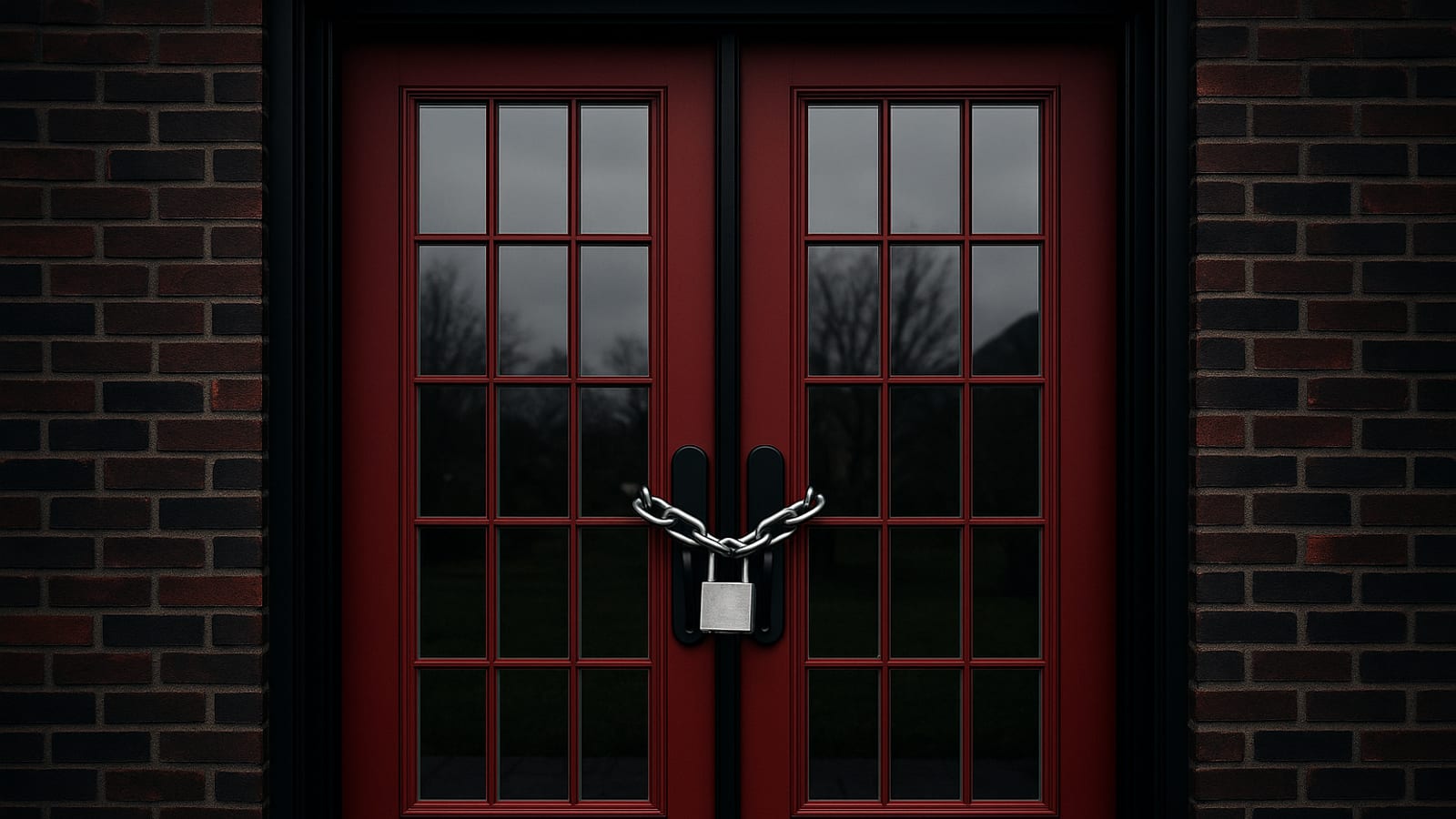
French and double doors are the most targeted entry points in residential break-ins. The design is beautiful. The security profile is not. Large glass panels shatter fast. Double-door frames flex under pressure. Standard locks were never built for this kind of stress. If you own these doors and haven’t addressed the vulnerabilities, you are leaving the easiest door in your home wide open. This guide gives you a clear, actionable blueprint to fix that.

Understanding the Vulnerability of French and Double Doors
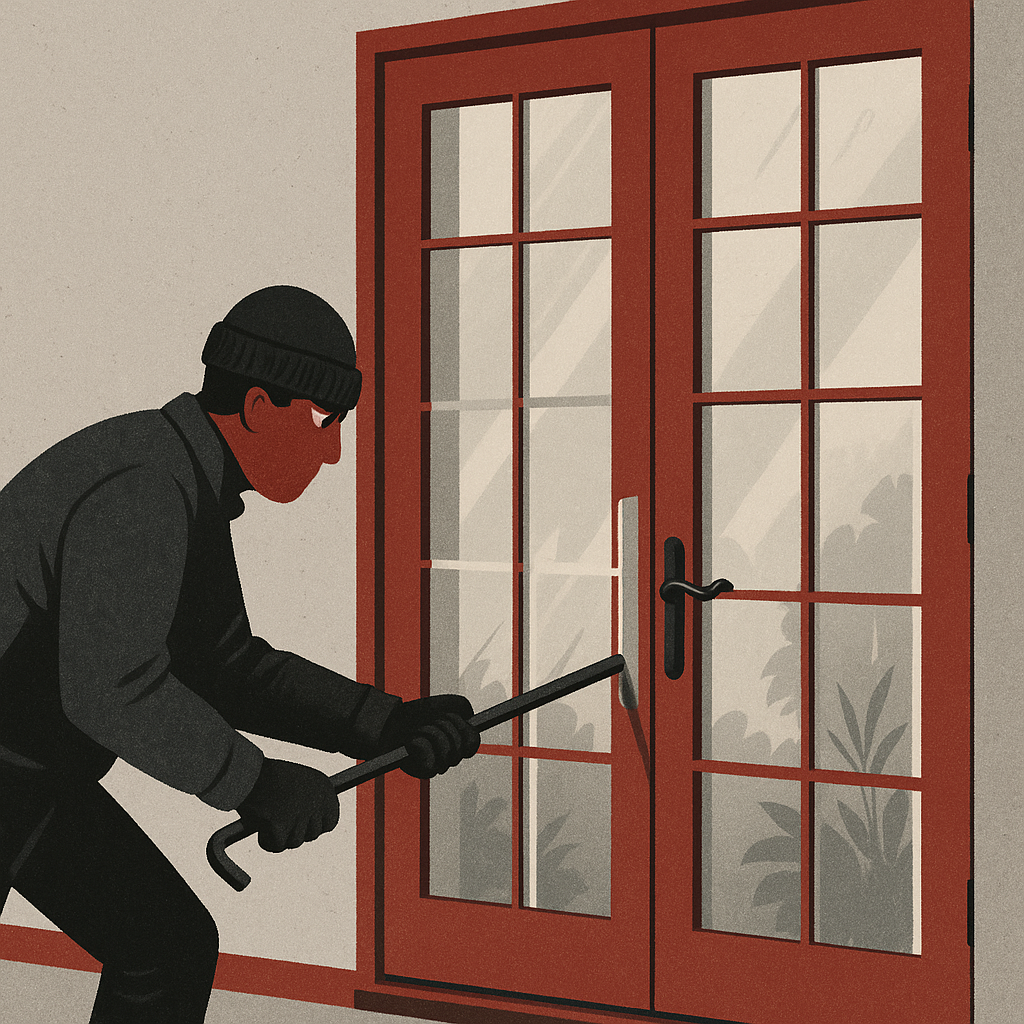
French and double doors earn their place in a home. Natural light, clean sightlines, curb appeal. But every design advantage creates a security trade-off. The glass panels that flood your living room with light are one hard kick away from giving an intruder direct access to your lock. The double-door configuration creates a center seam — a structural weak point that standard frames and single-bolt locks were never designed to hold under force.
You cannot fix this with one upgrade. A multi-layered approach is the only approach that works. Address the frame. Address the locks. Address the glass. Do all three, and you have a door that actually earns its place in your security plan.
Reinforcing Door Frames and Hinges

Start here. The frame and hinges are what keep the door in the wall when someone tries to force it. Most residential frames are thin wood with shallow screw holes. One solid kick and the whole assembly fails — not the lock, the frame around it.
- Install Heavy-Duty Hinges: Replace standard hinges immediately. You want heavy-duty options with non-removable pins. Removable pins are an invitation to pop the door off its frame from the outside.
- Use a Reinforcement Kit: A Double Door Security Kit is purpose-built for this problem. At around $149, it reinforces the specific weak points that double doors share — the center seam, the strike plate zone, and the frame edges.
Fix the frame first. Everything else you add on top of a weak frame is just theater.

Enhancing Lock Security
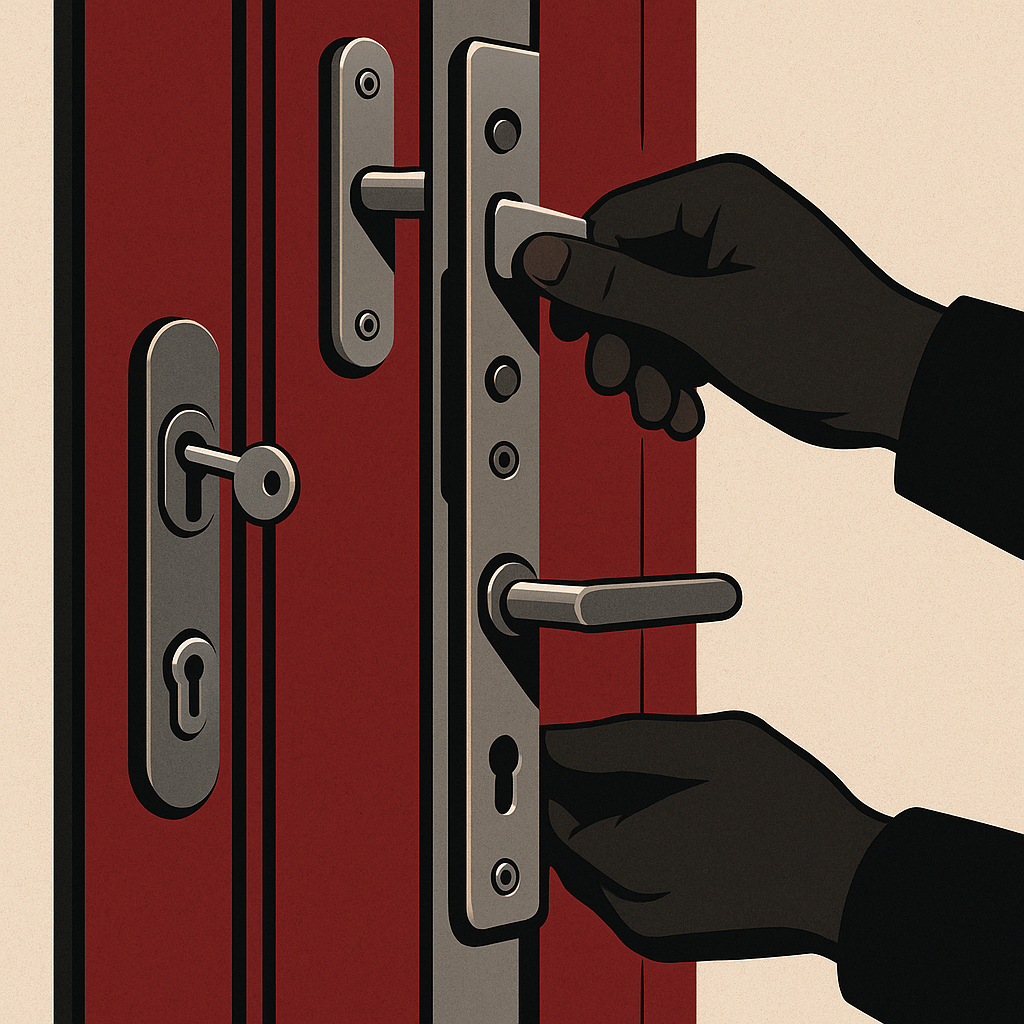
A single-point lock on a double door is a single point of failure. One concentrated force at the right spot and it gives. Your lock strategy needs to distribute that resistance across the entire door frame.
- Upgrade to a Multi-Point Locking System: Multi-point systems engage at three or more points along the frame simultaneously. There is no single weak spot to target. This is the standard you should be building toward.
- Add a Deadbolt: A deadbolt adds a second independent barrier. Make sure the bolt extends at least one inch into the door frame — anything shorter defeats the purpose.
Better locks slow down an intruder. A reinforced frame combined with a multi-point lock stops most of them entirely.
Securing Glass Panels
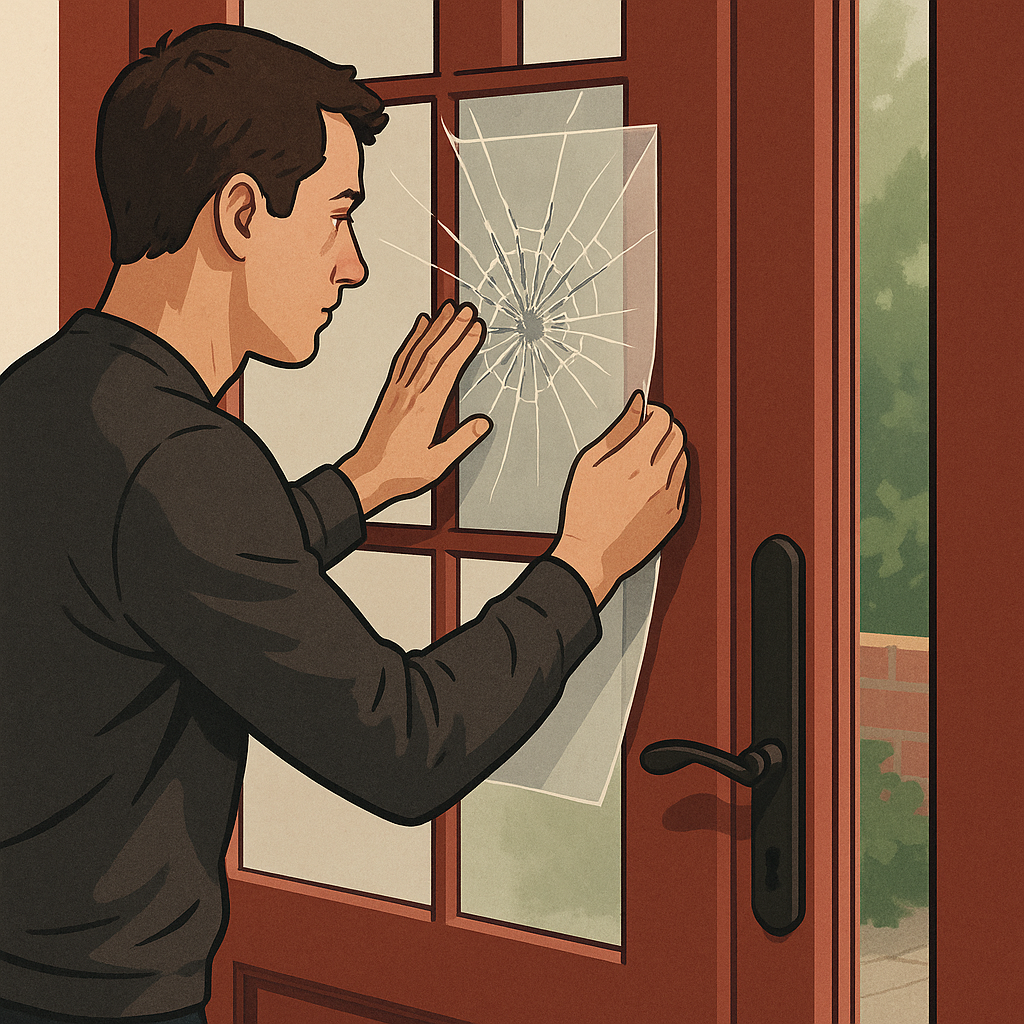
Glass is the shortcut. Break a panel, reach through, turn the lock. It takes seconds. This is the most exploited vulnerability on French doors, and it is also one of the cheapest to fix.
- Apply Security Film: Window Security Film bonds the glass together on impact. The panel may crack, but it will not give way cleanly. That resistance buys critical time and eliminates the easy grab-and-unlock move.
- Install Security Grilles: Decorative security grilles over the glass panels add a physical barrier. Done right, they complement the door’s appearance while making glass access nearly impossible without tools and noise.
Eliminate the glass shortcut and you force any intruder to make significantly more noise and spend significantly more time. Most will not.

Additional Security Measures
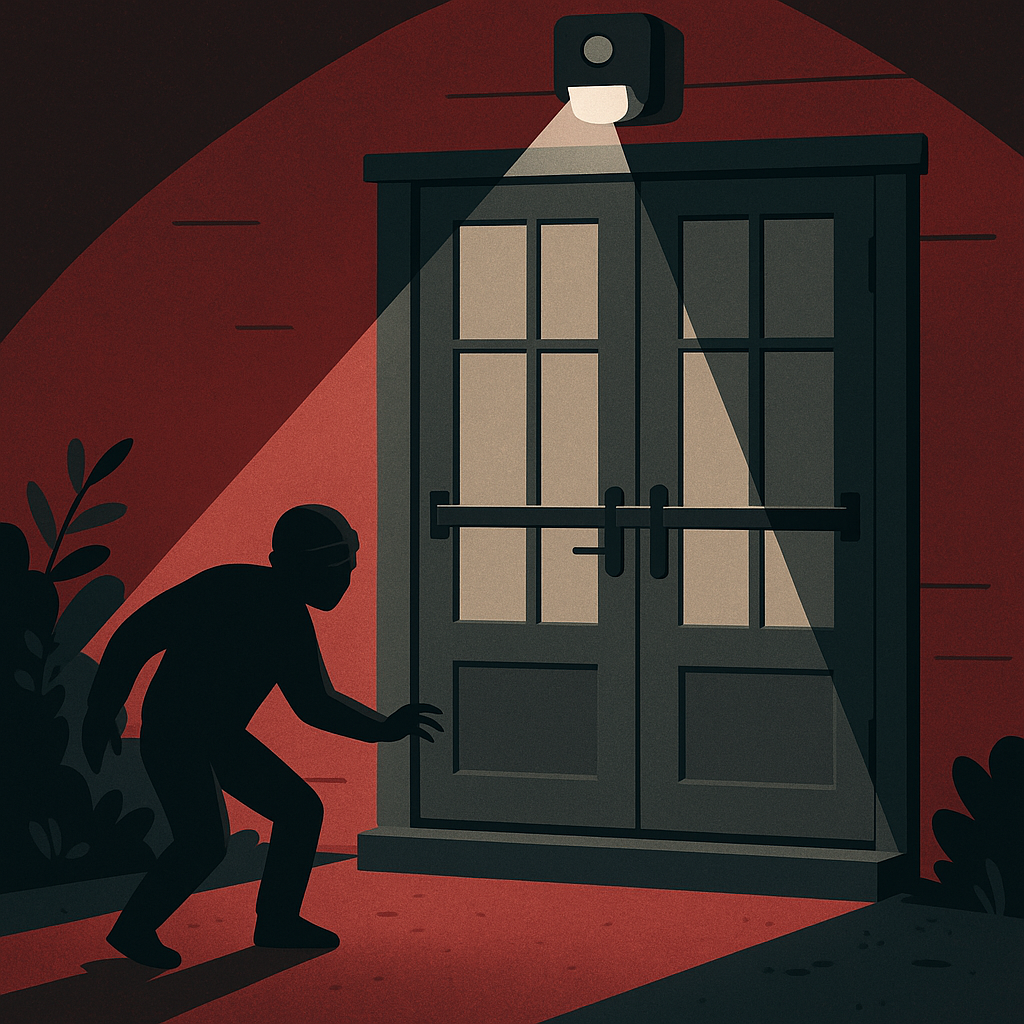
Physical hardening is your foundation. Layer detection and deterrence on top of it and you have a complete system.
- Install Motion Sensor Lights: Darkness is an intruder’s first tool. Bright, motion-triggered lighting removes it. No shadows, no cover, no comfort for someone who does not belong there.
- Use Smart Doorbell Cameras: Real-time visibility of your entry points changes the dynamic. You see what is happening. An intruder knows they are being recorded. That combination deters most opportunistic attempts before they start.
These additions do not replace physical reinforcement. They extend it. Together, they create a perimeter that is visible, monitored, and hard to breach quietly.
Step-by-Step Implementation Guide
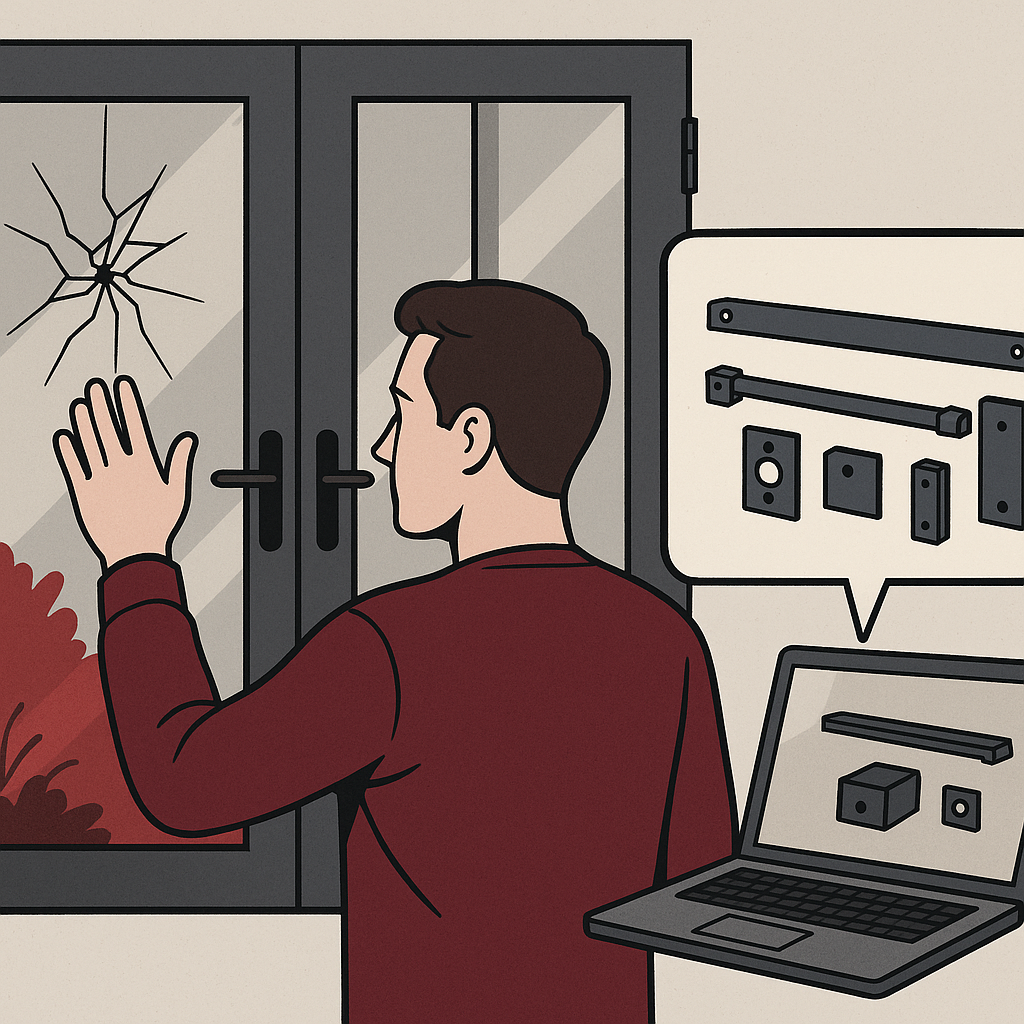
- Assess Your Doors: Walk your entry points with fresh eyes. Check the frame condition, hinge quality, lock type, and glass exposure. Write down every weak point you find.
- Choose the Right Products: Match products to your specific vulnerabilities. Start with the Double Door Security Kit as your frame and hardware baseline, then layer in glass film and lighting.
- Install Reinforcements: Follow each product’s installation instructions precisely. If the frame work feels beyond your skill level, bring in a professional. A poorly installed reinforcement kit is worse than none — it creates false confidence.
- Test Your Security: After installation, physically test every lock, check every hinge, and verify every camera angle. Do not assume it works. Confirm it.
Work through this sequence once and you will have a door system that is genuinely harder to breach than the vast majority of residential entries.
Conclusion: Secure Your Home with Confidence
French and double doors do not have to be your weakest point. With the right hardware and a systematic approach, you turn them into a hardened entry that most intruders will walk past. Start with a Double Door Security Kit and build from there. For a full range of door security solutions, visit Door Armor.
You already know the vulnerabilities exist. Now you have the blueprint to close them. Act on it.
Monitoring and Maintenance for Long-Term Security
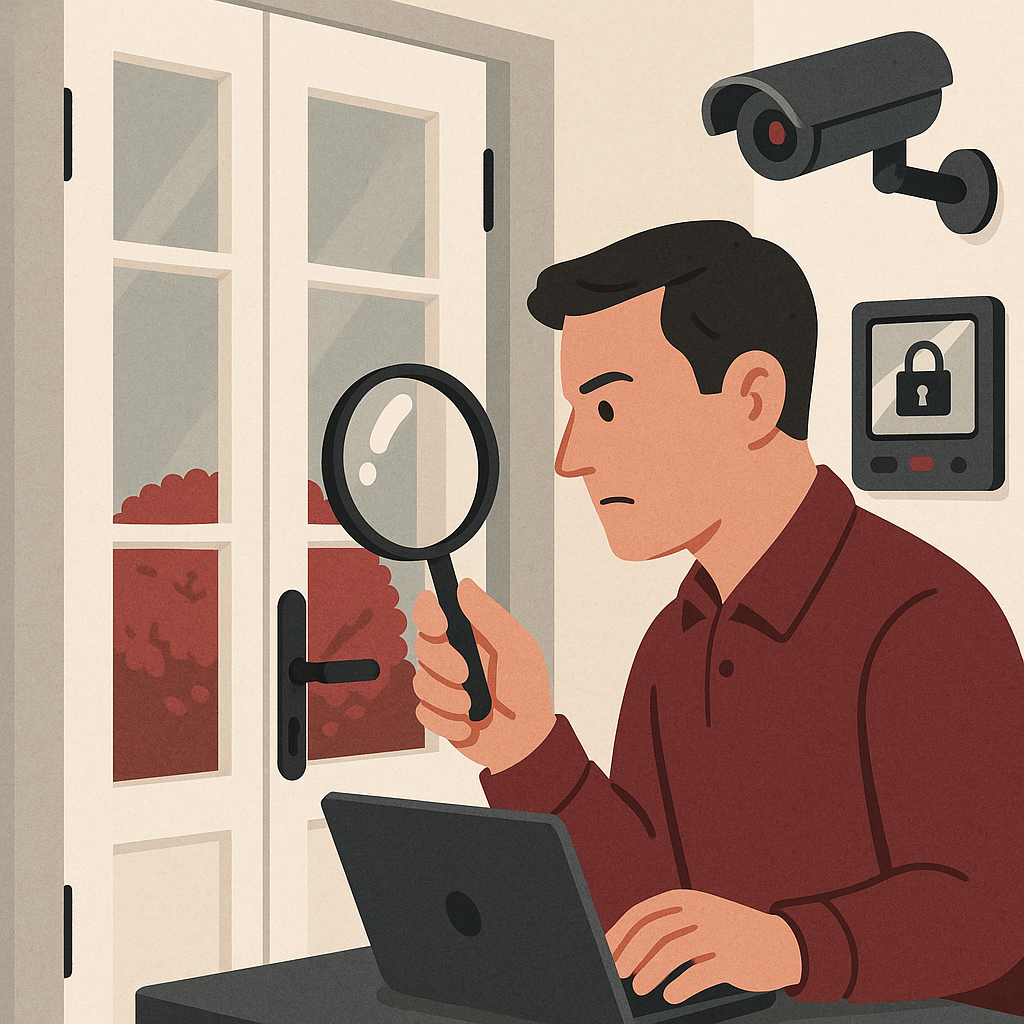
Installing security upgrades is the beginning, not the finish line. Hardware degrades. Films peel. Screws loosen. A system you installed and never checked is a system you cannot trust. Build a maintenance rhythm and your security compounds over time instead of quietly eroding.
- Regular Inspections: Walk your doors monthly. Look for loose hinges, frame movement, lock stiffness, or any visible damage. Catching a problem early costs you thirty minutes. Ignoring it can cost you much more.
- Test Security Systems: Smart cameras and alarms need active management. Test them on a schedule. Apply firmware updates when they drop. An outdated system is a system with known vulnerabilities.
- Maintain Glass Integrity: Inspect security film and grilles every few months. Peeling film loses its bonding strength. Rusted or damaged grilles lose their structural value. Replace both at the first sign of deterioration.
- Lubricate Locks and Hinges: Apply lubricant to locks and hinges every few months. Corrosion is slow and invisible until a lock seizes or a hinge binds at exactly the wrong moment. This is a five-minute task that extends the life of your hardware significantly.
Consistent maintenance is what separates a security system that holds up from one that looks good on the day of installation and fails eighteen months later.
Case Study: Successful Security Enhancement
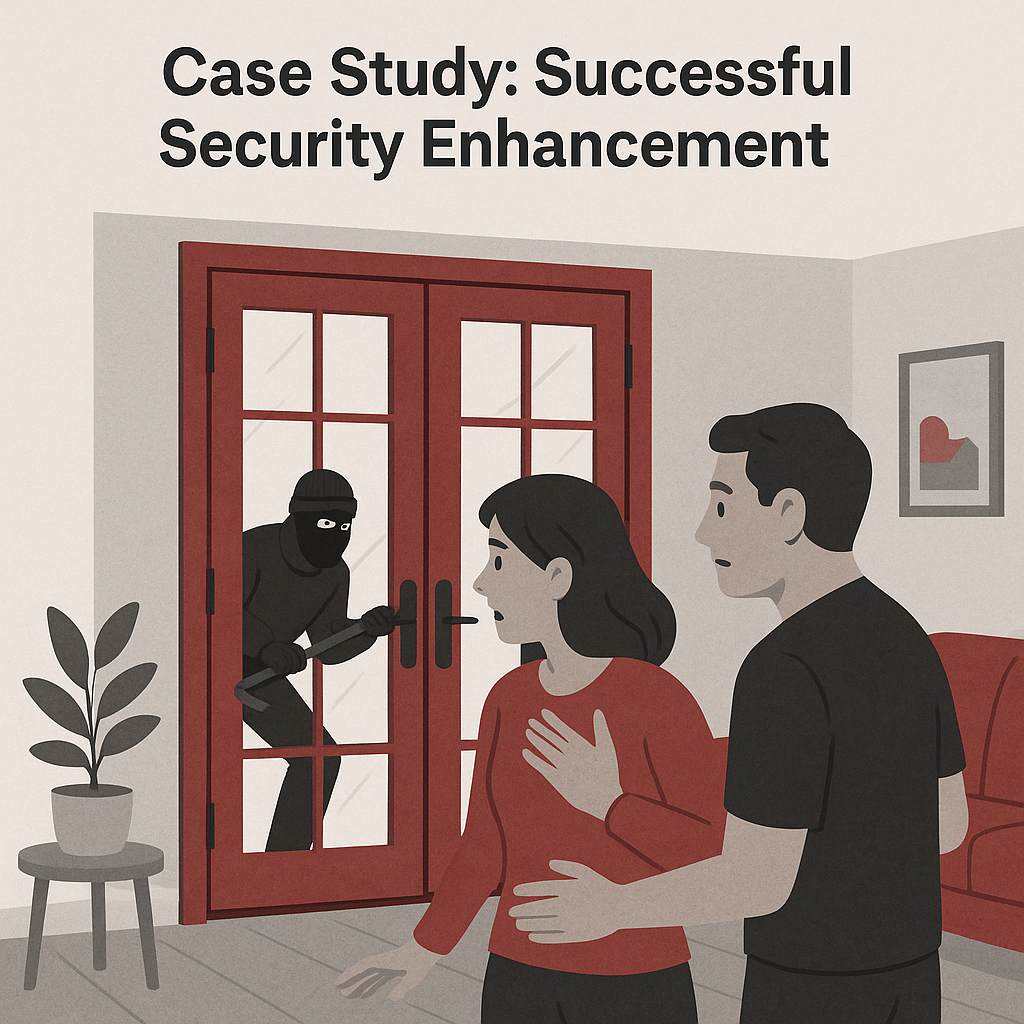
The Johnson family learned this the hard way. Their French doors had standard locks, unreinforced frames, and no supplemental security. They experienced a burglary. After that, they rebuilt their entry security from the ground up.
They installed a multi-point locking system and reinforced the door frames with a Double Door Security Kit. Security film went on the glass panels. Motion sensor lights covered both entry approaches. Smart doorbell cameras gave them real-time visibility of the front and rear entries.
The results were clear. No further security incidents since the upgrades were completed. Their approach was not complicated — it was systematic. They identified every weak point, addressed each one with the right product, and maintained the system afterward. That is the entire blueprint.
FAQs About French and Double Door Security

Common questions, direct answers.
- Can I install security enhancements myself? Most products are designed for DIY installation and include clear instructions. If you are dealing with structural frame work or are uncertain about the process, bring in a professional. A correctly installed system is the only system that actually protects you.
- Will security measures affect the appearance of my doors? Not significantly. Modern security products are built to integrate with residential aesthetics. Decorative security grilles, in particular, can add visual detail while providing real physical protection.
- How do I choose the right security products? Start with your specific vulnerabilities — door type, frame condition, glass exposure, existing lock quality. Match products to those gaps. If you are unsure, consult a security professional before spending money on the wrong solution.
The right questions lead to the right products. The right products, properly installed, lead to a door that holds.
Key Performance Indicators (KPIs) for Door Security

You cannot improve what you do not measure. Track these data points to know whether your security system is actually performing.
- Number of Security Incidents: Log every attempted or completed breach. If incidents increase after upgrades, something in your implementation needs to be revisited.
- Response Time to Alerts: How fast do you act when a camera or alarm triggers? Faster response times compress the window an intruder has to operate. Track this and work to reduce it.
- System Uptime: Cameras and alarms that go offline create unmonitored windows. Track uptime and treat downtime as a security event, not a technical inconvenience.
- User Engagement: Are you and your household actively using the system — checking feeds, responding to alerts, reviewing footage? Low engagement is an early warning sign that your security posture is drifting toward passive and ineffective.
Track these numbers consistently and your security strategy stays sharp. Let them slide and you will only find out how much they mattered after something goes wrong.
Disclosure: this article may contain affiliate links. If you buy through them, we may earn a small commission at no extra cost to you.
Leave a Reply