
Understanding Your Home’s Vulnerabilities
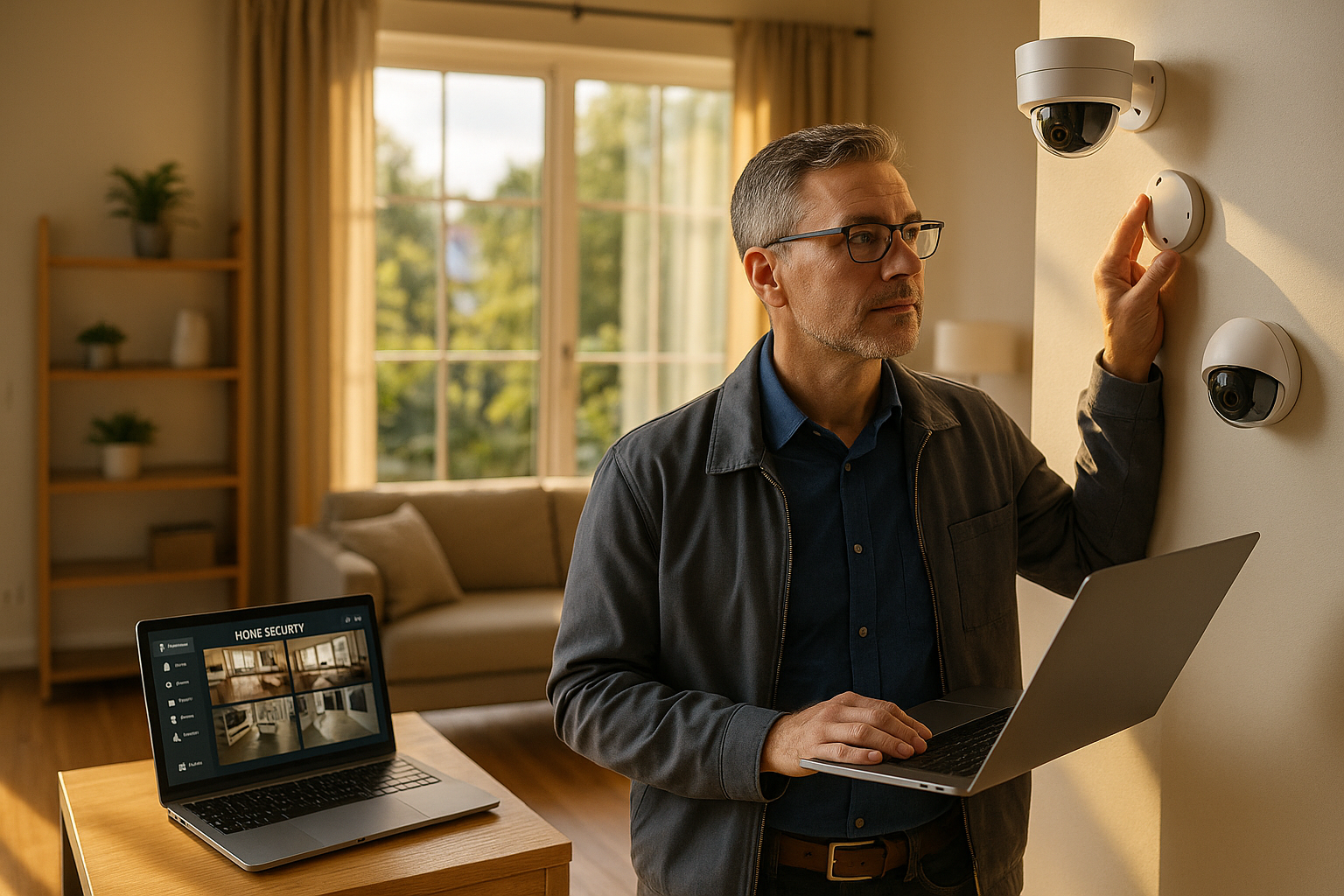
Before you add a single lock or camera, audit what you already have. Most break-ins are not sophisticated. Burglars target the obvious: front doors, sliding glass doors, and ground-floor windows. Walk your perimeter like an intruder would. What you find tells you exactly where to spend your money and effort.
Front Doors
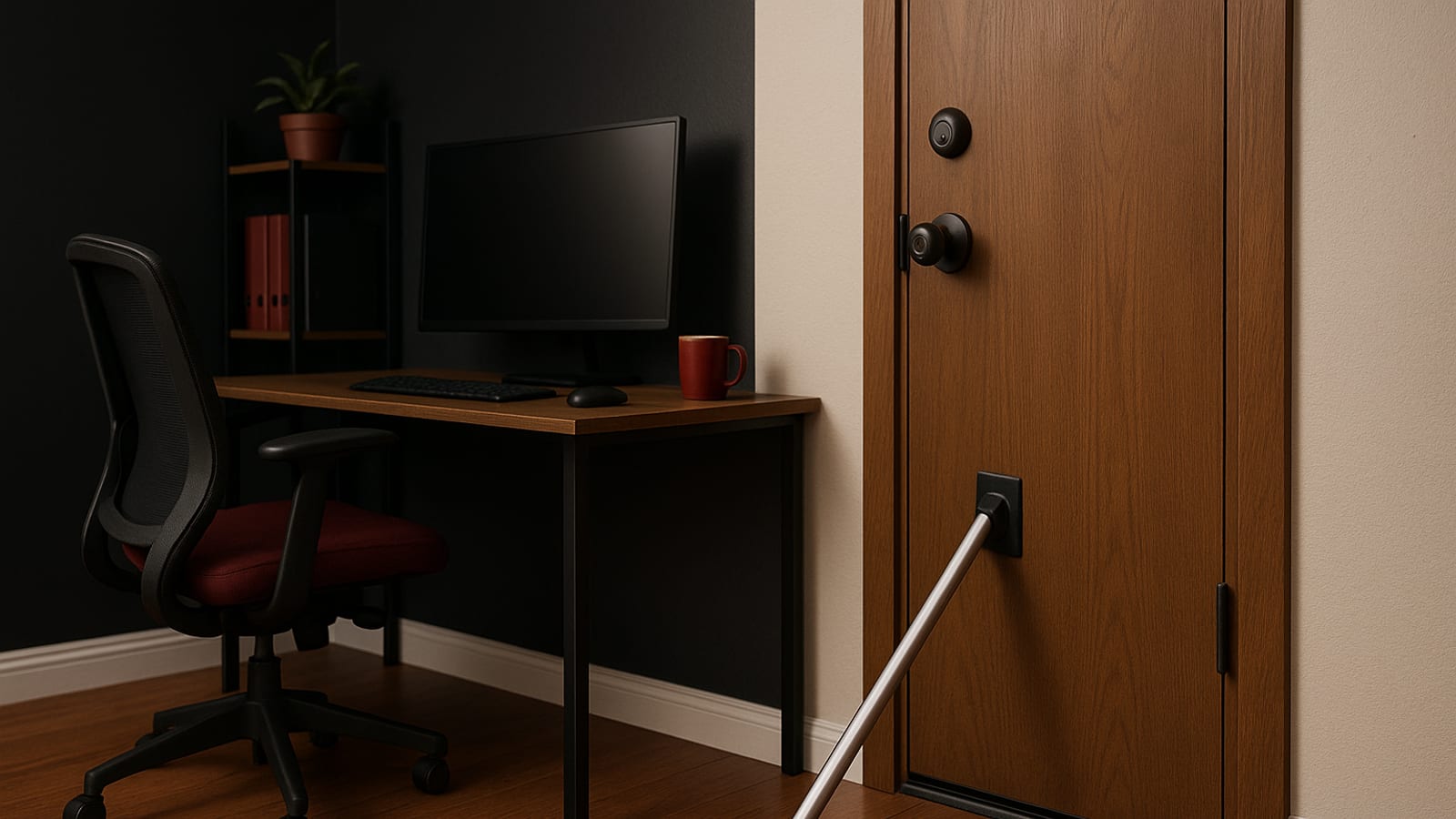
Your front door is the first thing a burglar tests. A standard door frame splinters under one solid kick. Reinforce it before you leave. A Single Door Security Kit (affiliate) is engineered specifically to absorb kick-in force and stop forced entry attempts cold.
Sliding Glass Doors
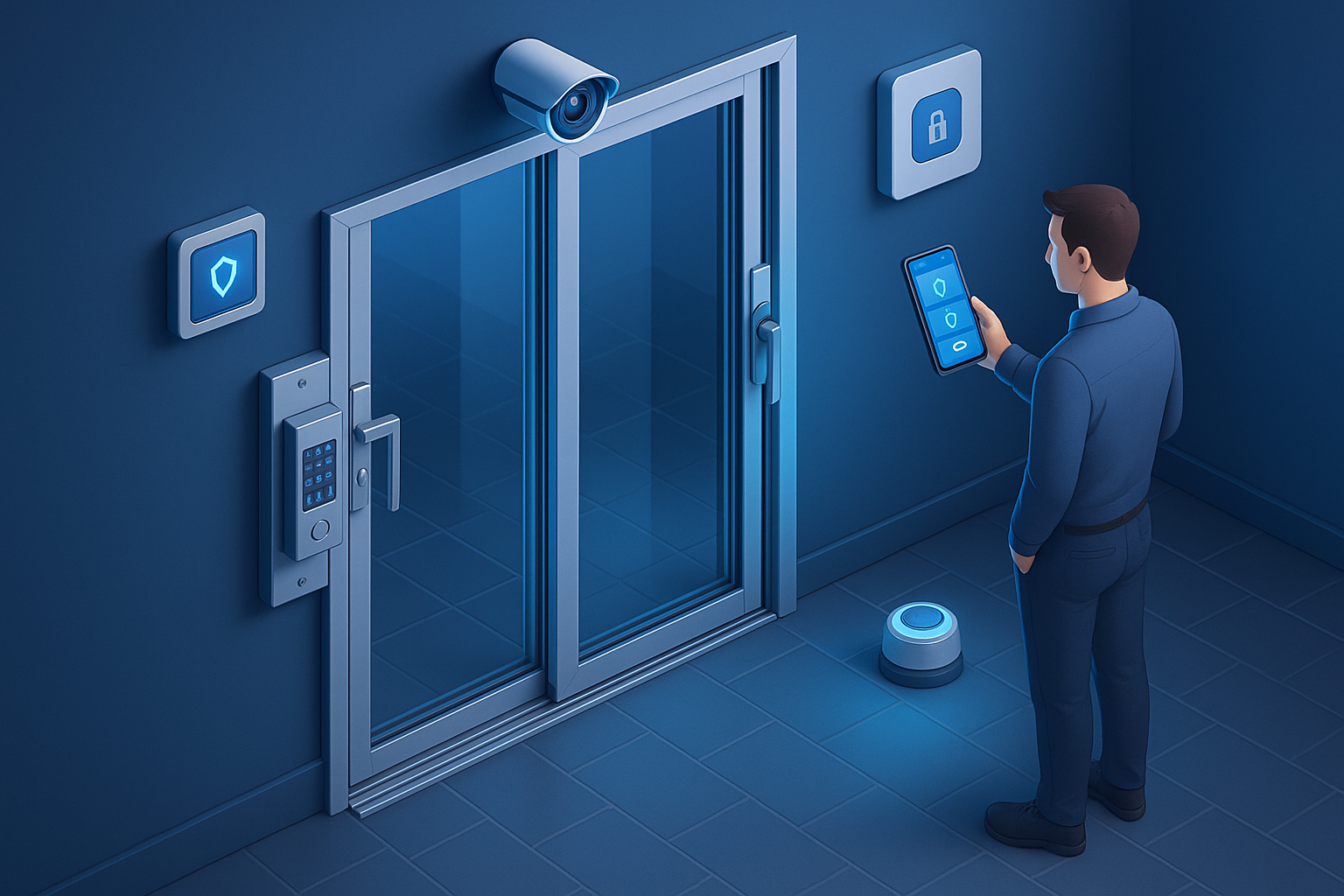
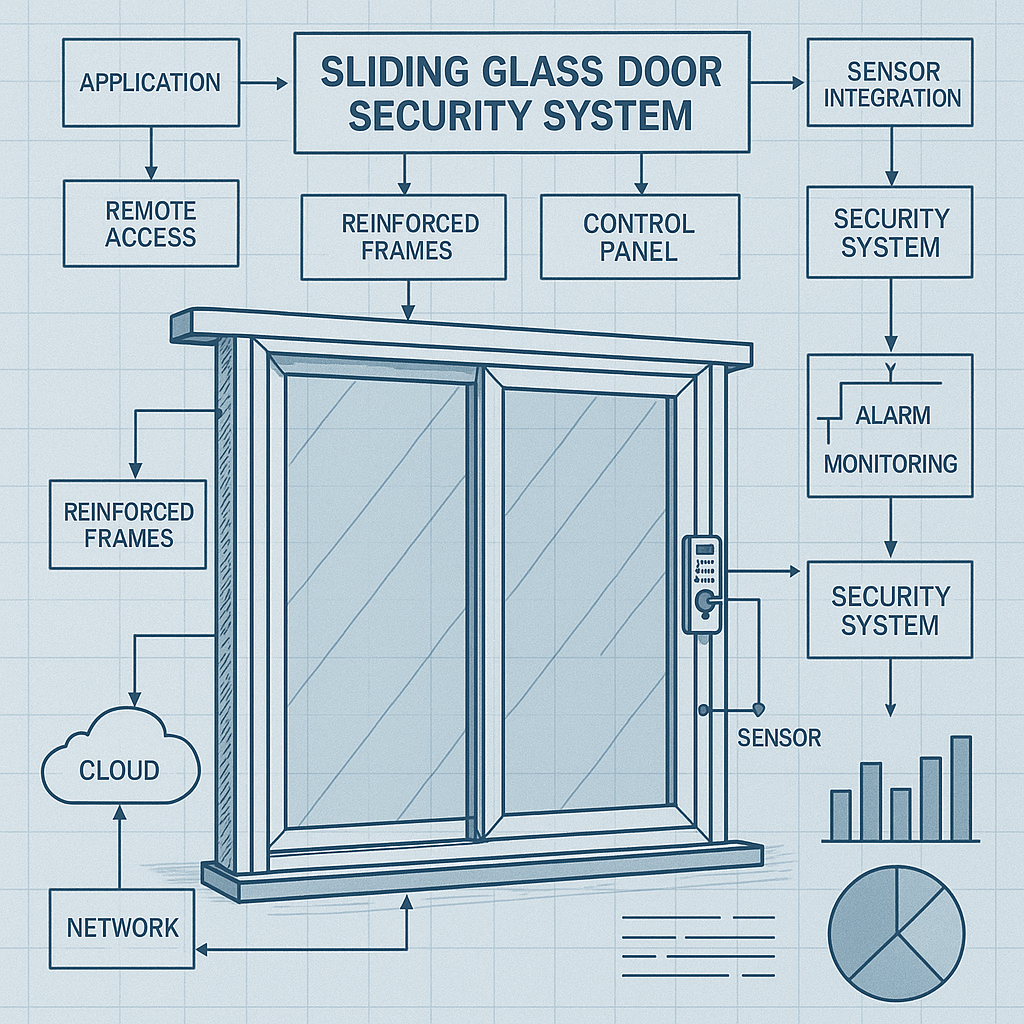
Sliding glass doors have a structural weakness most homeowners ignore: lift-and-pry. The latch was never designed to stop a determined entry. A dedicated Sliding Glass Door Security (affiliate) system closes that gap and removes the easiest path into your home.
Implementing Security Measures
You know the weak points. Now you close them. Work through this list systematically — each layer you add raises the cost of entry for anyone targeting your property.
- Install Door Reinforcement Kits: Doors with decorative glass panels need a Side Light Door Security Kit (affiliate). It hardens the frame without touching the aesthetics.
- Secure Windows: Window Security Film (affiliate) bonds to the glass and makes it significantly harder to shatter quickly — speed is what burglars depend on.
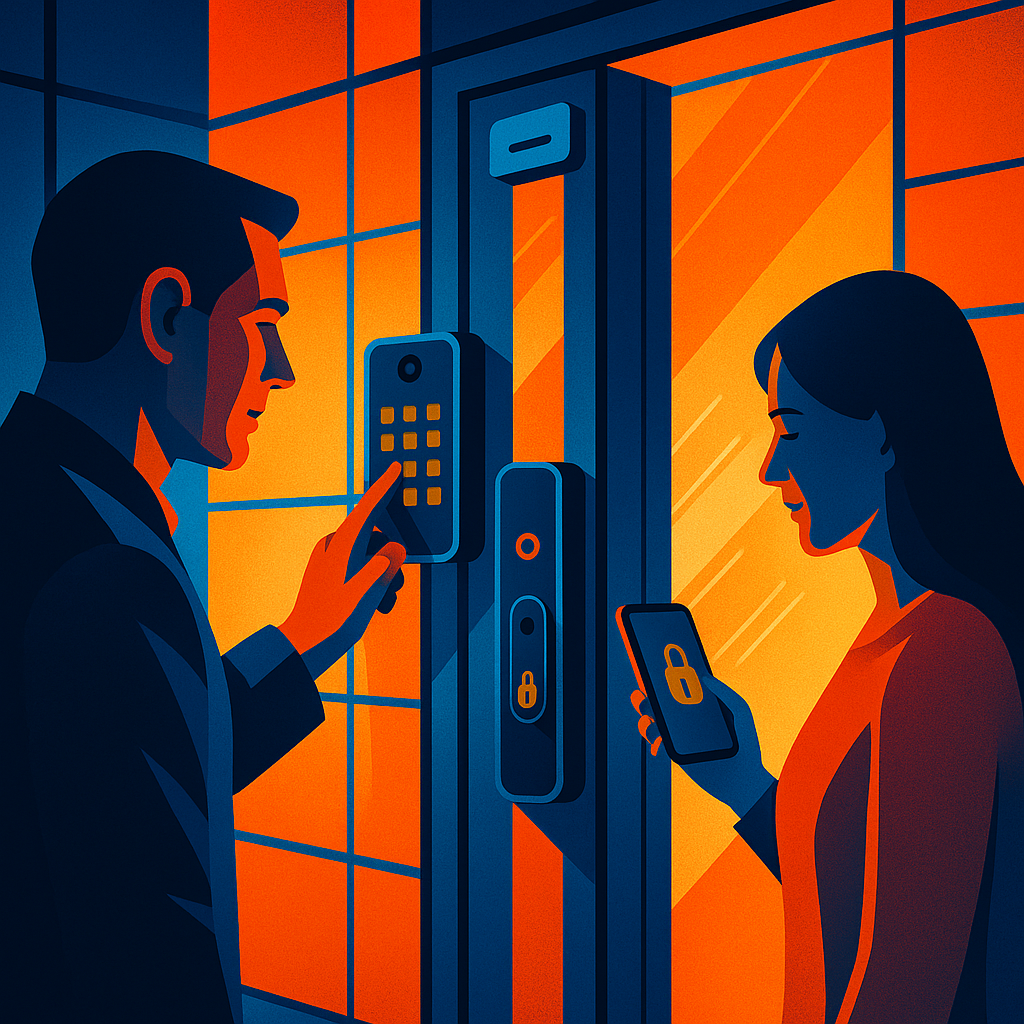
- Use Smart Technology: Smart locks and remote cameras let you monitor entry points from anywhere. That visibility alone changes how you travel.
- Lighting: Motion-sensor lights at every entry point are cheap, visible, and effective. Most intruders move on the moment they are illuminated.
DIY Installation
You do not need a contractor for most of this. The recommended security kits ship with clear instructions and require nothing beyond a basic drill. Do it yourself, do it right, and save the professional fee. For step-by-step guidance, the DIY guides at Door Armor walk you through every installation.
Maintaining Security While Away
Physical barriers are the foundation. But a vacant-looking home is its own advertisement. Layer in these behavioral strategies to make your absence invisible.
- Engage Neighbors: A trusted neighbor collecting your mail and watching for anything off removes the clearest signal that no one is home.
- Use Timers: Set lights and electronics on timers that mirror your normal routine. Predictable activity patterns read as occupancy.
- Inform Authorities: A quick call to local law enforcement puts your address on their patrol list. It costs nothing and adds a real deterrent.
Advanced Security Systems and Monitoring
If you travel frequently or for extended periods, a single-layer approach is not enough. Sophisticated systems stack multiple defenses and give you real-time control from anywhere in the world.
- Professional Monitoring Services: Real-time monitoring means a human is watching when you cannot be. A confirmed breach triggers an immediate call to local authorities — no delay, no guesswork.
- Smart Surveillance Cameras: AI-enabled cameras distinguish between a person, an animal, and a passing car. Fewer false alarms. More accurate alerts when it actually matters.
- Remote Access Control: Lock and unlock doors remotely. Grant access to a neighbor or service provider without handing over a physical key.
Insurance Considerations for Extended Absences
Your home insurance policy may have clauses you have never read. Extended absences — typically beyond 30 days — can affect your coverage. Review it before you leave.
- Policy Review: Confirm your policy covers incidents in an unoccupied property. Some insurers require direct notification of prolonged absences or coverage lapses.
- Endorsements: Add endorsements for vandalism and theft during extended trips if your base policy does not include them. The premium difference is usually small.
- Discounts for Security Systems: Certified security systems often qualify for premium discounts. Ask your provider directly — most homeowners never do.
Checklist for Pre-Travel Home Security
Run this before every extended departure. No exceptions.
- Test all security devices and replace any low batteries.
- Reinforce entry points and confirm all windows and doors are secured.
- Verify surveillance cameras are online and accessible remotely.
- Set timers for lights and electronics.
- Notify neighbors and local authorities of your travel window.
- Arrange mail collection or suspension through your postal service.
Case Study: The Impact of Comprehensive Security Solutions
One family spent a month overseas after building a multi-layered security setup before departure. Smart cameras, professional monitoring, reinforced entry points, and an engaged neighbor formed the full stack. Mid-trip, would-be intruders approached the property, saw the active cameras and motion-triggered lights, and moved on without attempting entry. No breach. No loss. The system did exactly what it was built to do — quietly, without anyone home to manage it.
Conclusion
You cannot control everything while you are away. But you can control how hard your home is to breach. Audit the vulnerabilities, close them with the right hardware, layer in smart monitoring, and brief your neighbors. Start with a Single Door Security Kit (affiliate) as your foundation, then build outward. Explore the full range of door security solutions and put a system in place that holds while you are gone. Build it right once. Then travel in peace.

Leave a Reply