
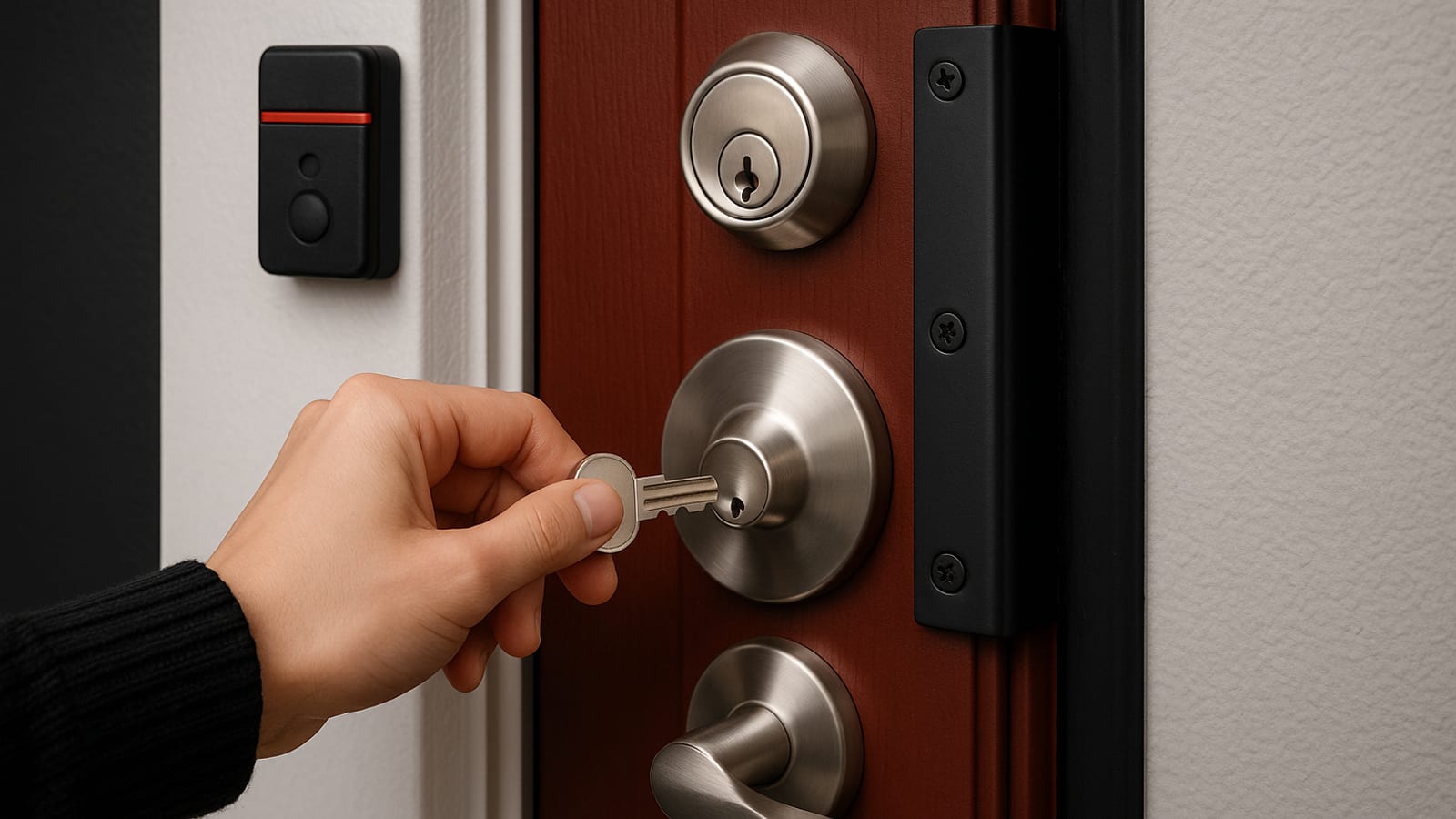
Your landlord owns the walls. You own the risk. Most renters assume a lease agreement is also a security sentence — that real protection requires permanent changes they are not allowed to make. That assumption is wrong. You can harden your front door significantly, spend under $200, and walk away at move-out with every penny of your deposit intact.
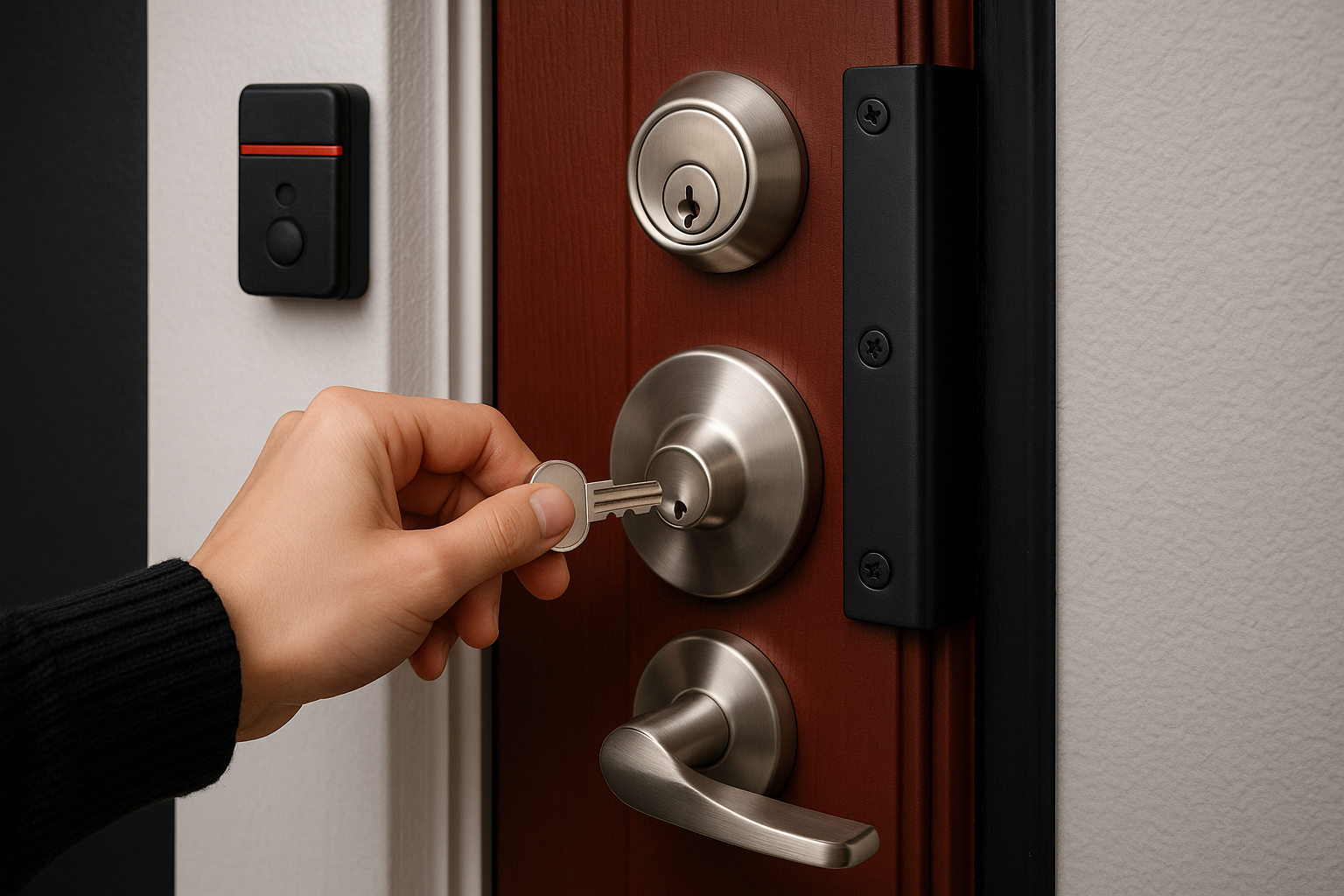
Understanding the Importance of Front Door Security
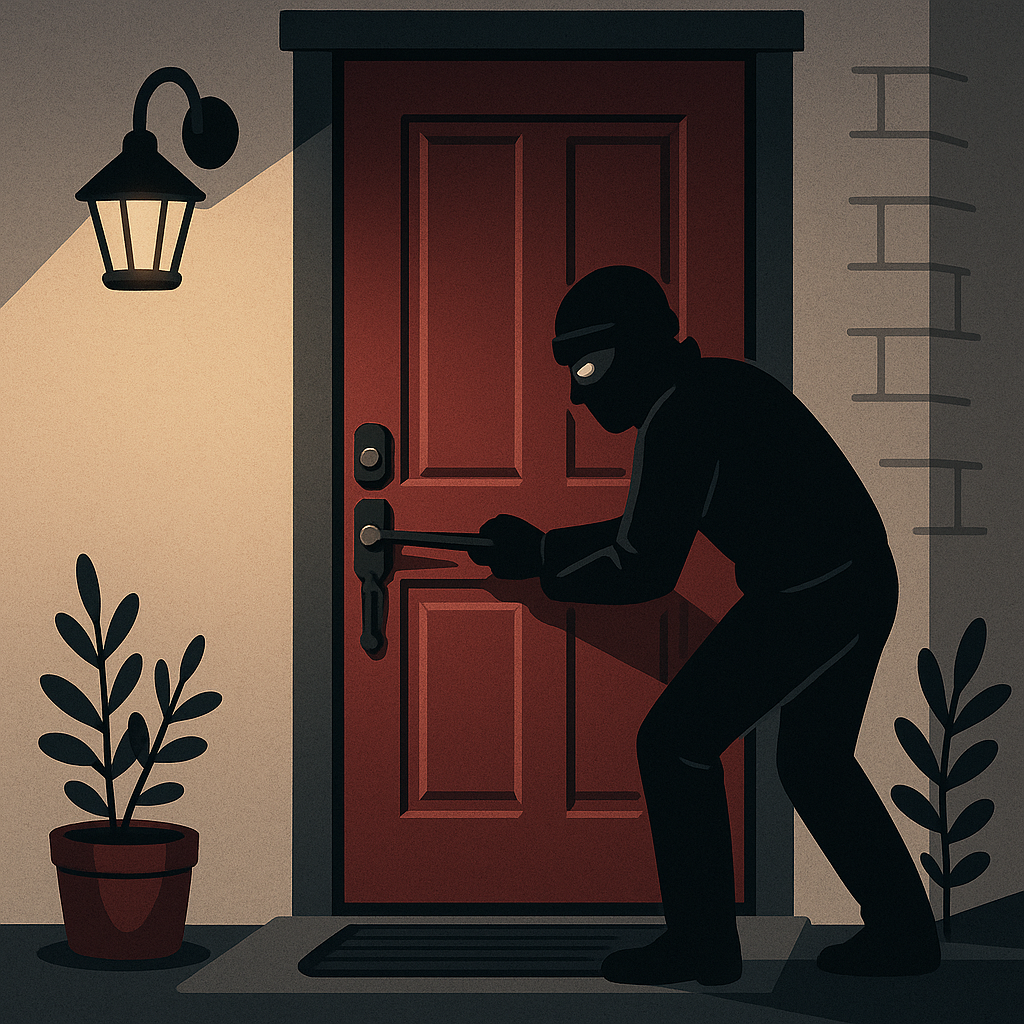
Your front door is the first decision point for anyone who wants inside. A weak door does not just invite risk — it advertises it. For renters, the real challenge is closing that gap without triggering a lease violation or losing a deposit. The good news: deposit-safe solutions exist, and they work.
Why Focus on the Front Door?
Most forced entries happen at the front door. Intruders move fast and target the path of least resistance. A reinforced door frame, a secondary lock, or even a visible camera can shift that calculation. You do not need to own the property to make it a harder target.
Effective Front Door Security Upgrades for Renters

These upgrades strengthen your door without touching your deposit. Each one is removable, practical, and built for renters who take security seriously.
1. Door Reinforcement Kits
A reinforcement kit targets the three points that fail first under forced entry: the frame, the hinges, and the lock plate. No permanent alterations required.
- Single Door Security Kit: Built for standard doors. Reinforces the jamb and hinges with hardware that installs using basic tools. Runs about $79 and consistently outsells the competition. Explore the Single Door Security Kit.
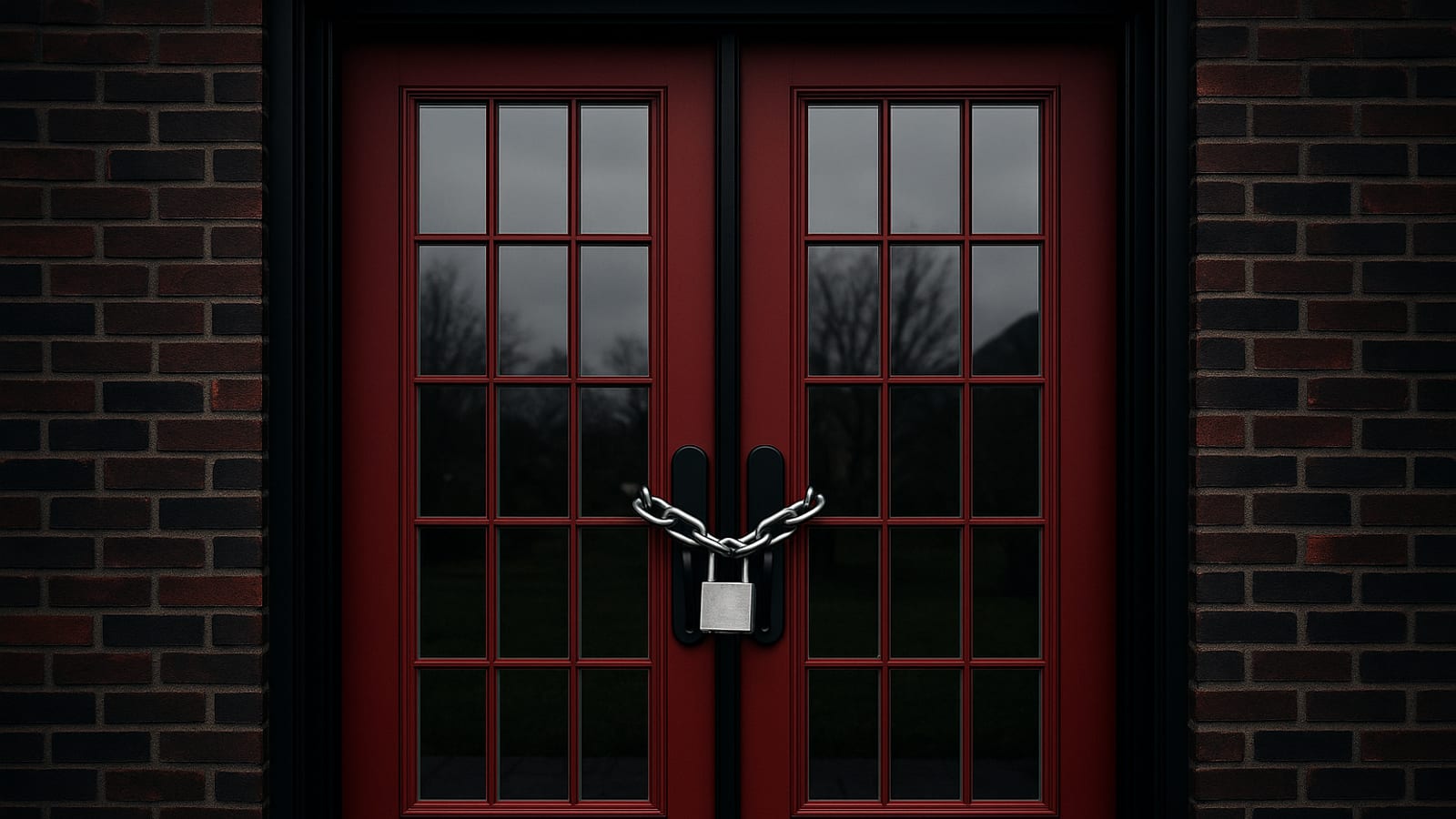
- Double Door Security Kit: Designed for French and double entry doors. Comprehensive coverage at $149, with a video installation guide included. Learn more about the Double Door Security Kit.
2. Portable Door Locks
No drilling. No damage. Portable door locks add a secondary barrier that your existing hardware does not provide. Brands like Addalock fit most standard doors and take seconds to engage or remove. This is the upgrade most renters overlook — and the one that matters most at 2 a.m.
3. Door Security Bars
An adjustable bar wedged under the doorknob turns a standard entry door into a significantly harder target. They are inexpensive, require zero installation, and leave no trace when you move out. Straightforward and effective.
Additional Measures for Enhanced Security
4. Smart Doorbells
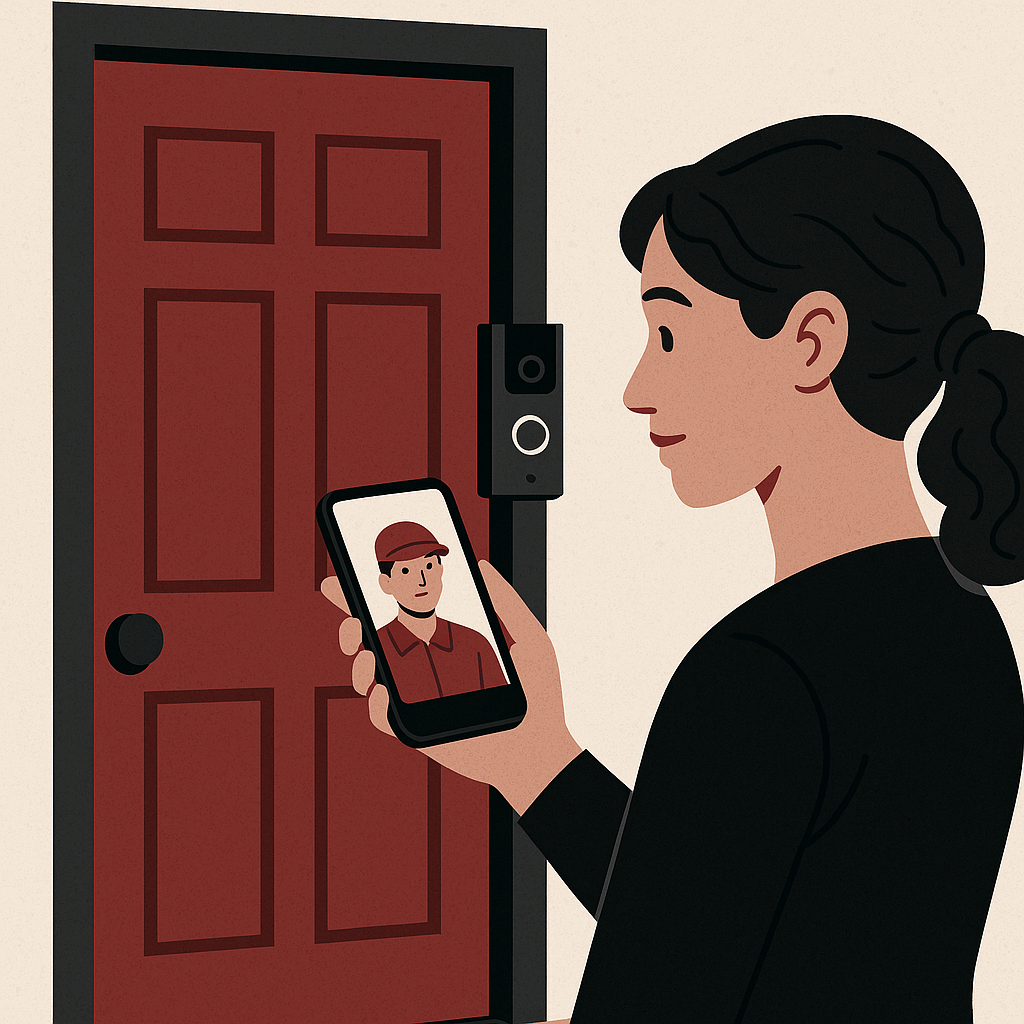
A smart doorbell gives you eyes on your front door from anywhere. You see who is there before you open it — or before you even get home. Non-invasive installation, real-time alerts, and a visible deterrent all in one device.
5. Security Cameras
Wireless cameras require no permanent mounting. Position one near your front door, set up motion detection and cloud storage, and you have a documented record of every approach. Visibility alone changes behavior.
6. Window Security Film
Glass panels in or beside your door are a vulnerability most renters ignore. Security film bonds to the glass and makes it significantly harder to shatter on impact. It applies like a window tint and removes cleanly. Check out Window Security Film options.
Step-by-Step Installation Guide
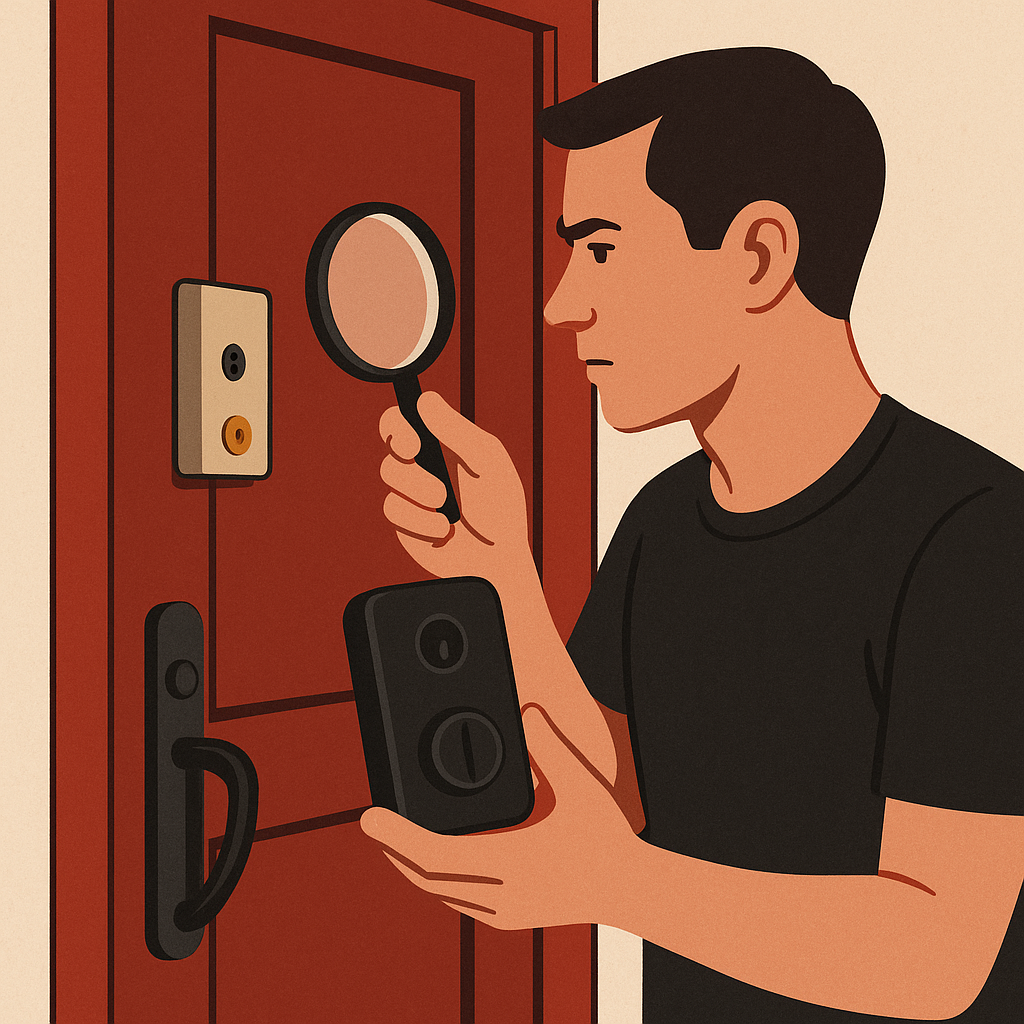
Do not overcomplicate this. Run through these five steps and your door will be meaningfully harder to breach by tonight.
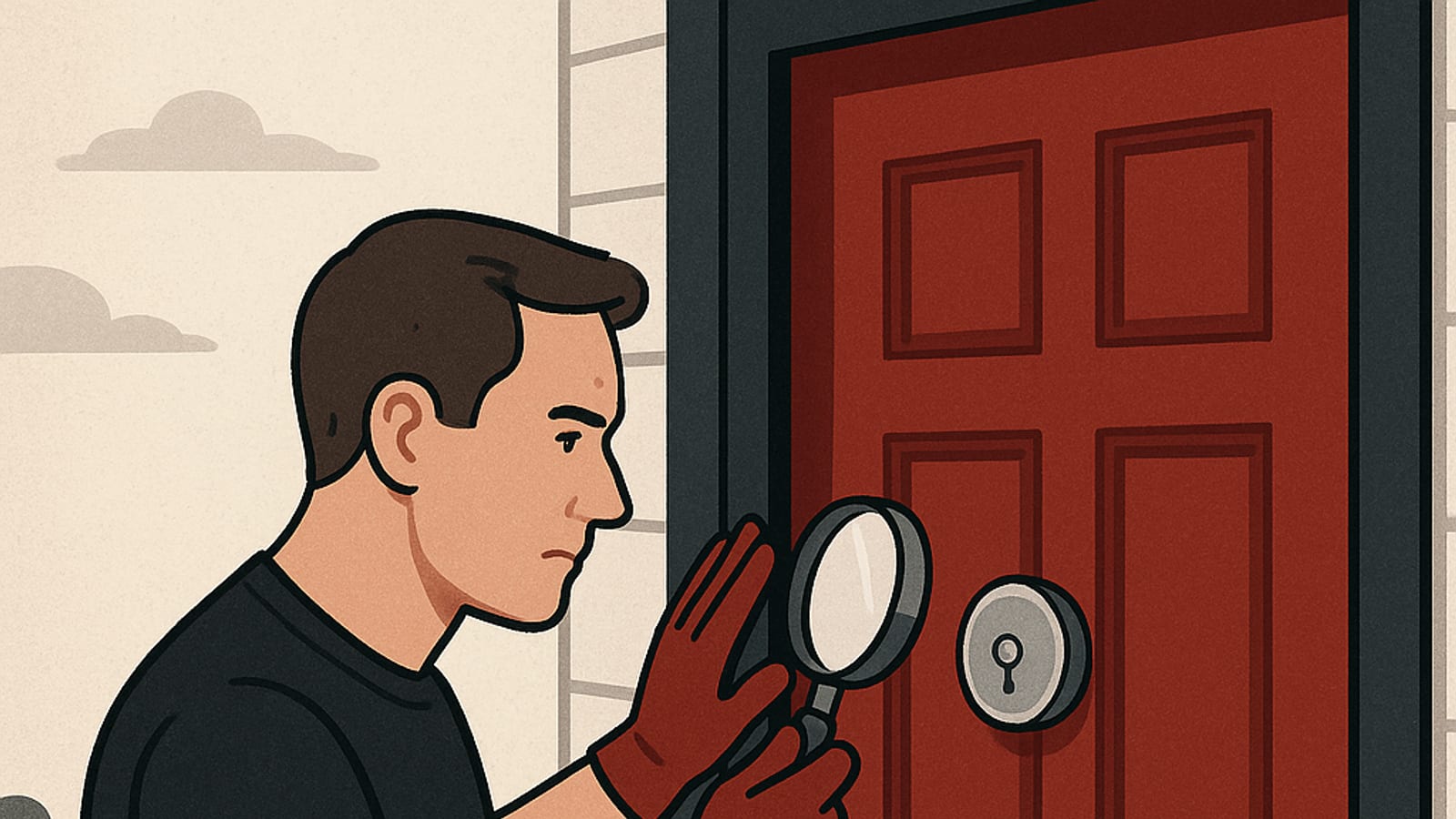
- Step 1: Audit your current setup. Find the weak points — thin frame, flimsy lock, glass panels, exposed hinges.
- Step 2: Match the right kit to your door type. Single, double, or sliding — each has a specific solution.
- Step 3: Install reinforcement hardware or a security bar. Follow the manufacturer instructions exactly for a solid fit.
- Step 4: Add a portable lock as a secondary layer. Confirm compatibility with your door before purchasing.
- Step 5: Deploy smart devices for remote visibility. Mount your doorbell or camera and configure motion alerts before you go to bed.
Next Steps: Securing Your Home
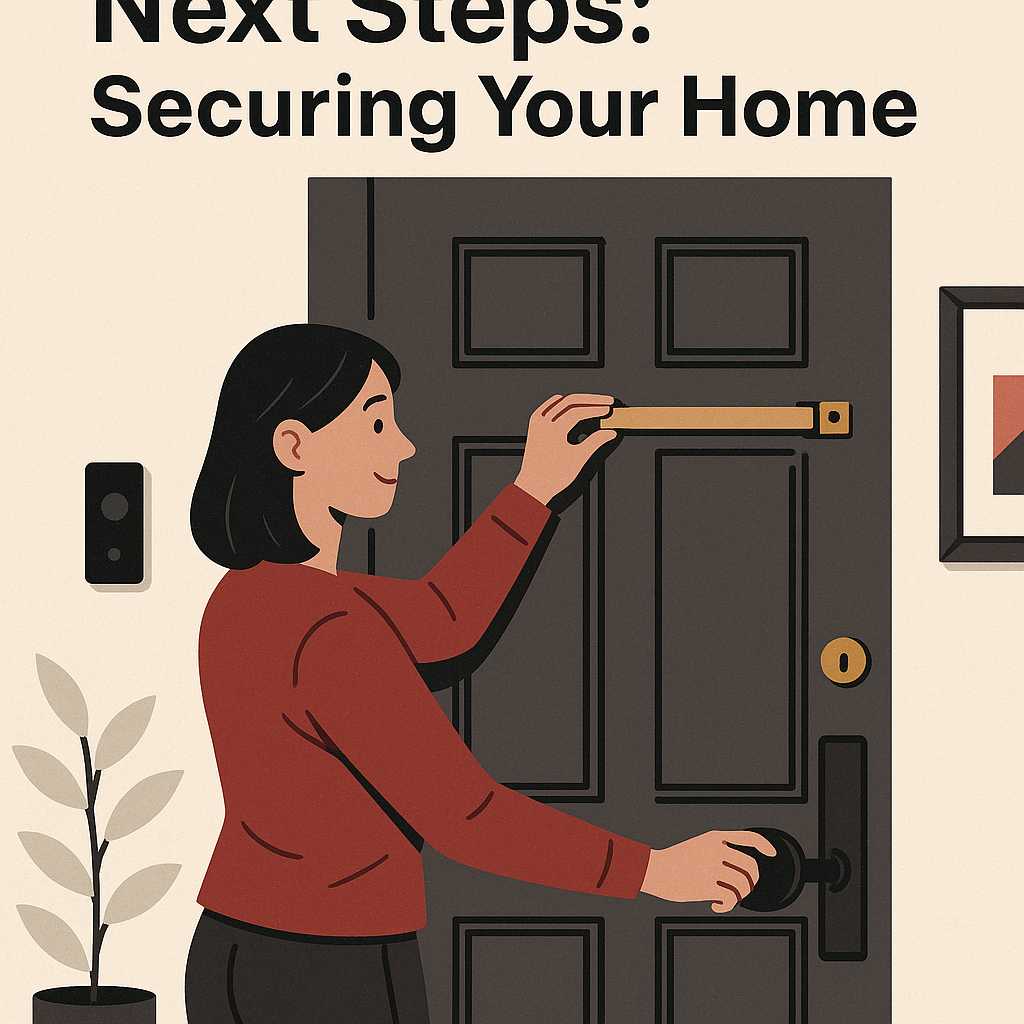
Every upgrade on this list is non-invasive and deposit-safe. The goal is maximum protection with zero permanent footprint. Pick the options that match your door type and threat level, then execute.
For a broader look at what is available, browse the full range of door security solutions — built for different door types, different budgets, and different risk profiles.
Additional guidance and product comparisons are available at Home Door Security. Use it as a reference, not a shortcut.
Your door is either a barrier or an invitation. One afternoon of work determines which one it is.
Checklist for Assessing Your Current Security
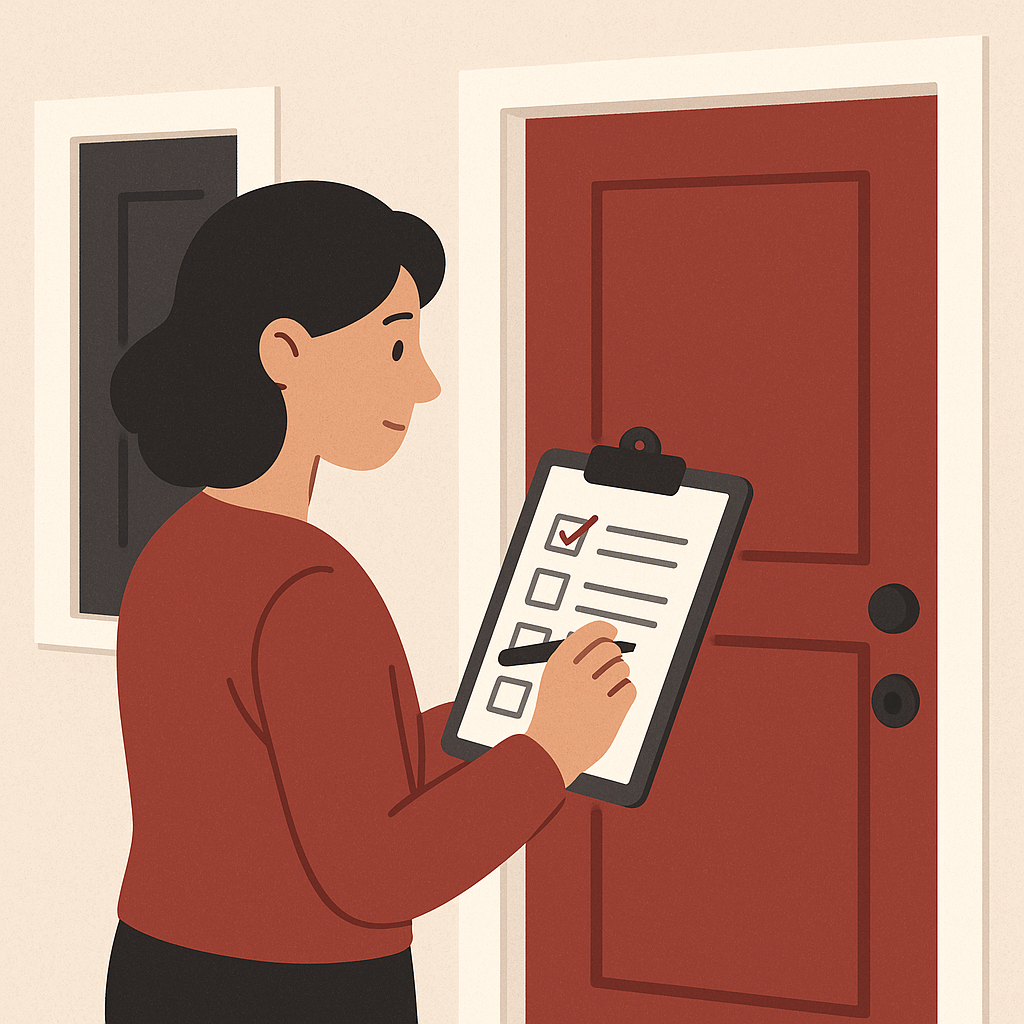
Before you spend a dollar, know exactly what you are working with. Run this checklist on your door today.
- Door Material: Solid wood or metal holds. Hollow-core doors do not. Know which one you have.
- Locks: A standard latch is not enough. If you do not have a deadbolt, that is your first priority.
- Hinges: Check for wear and confirm they cannot be accessed or removed from the outside.
- Door Frame: Cracks or soft spots in the frame mean the lock does not matter — the frame will fail first. Reinforce it.
- Peephole: If you do not have one, add one. You should never open a door blind.
FAQs on Renter-Friendly Security Upgrades

Straight answers to the questions renters ask most.
Can I install a smart lock in a rental property?
Yes. Most smart locks are designed to fit over an existing deadbolt or require minimal installation. Look for models that leave no permanent mark on the door. They go in clean and come out clean.
What if my landlord does not allow any modifications?
Stick to fully non-invasive options. Portable door locks and security bars require zero drilling and leave zero trace. They are your best tools in a strict-lease situation.
Are there temporary solutions for sliding doors?
Yes. A sliding door security bar or a track lock drops into place without any installation. Both are removable and effective against forced entry.
Key Performance Indicators for Measuring Security Effectiveness
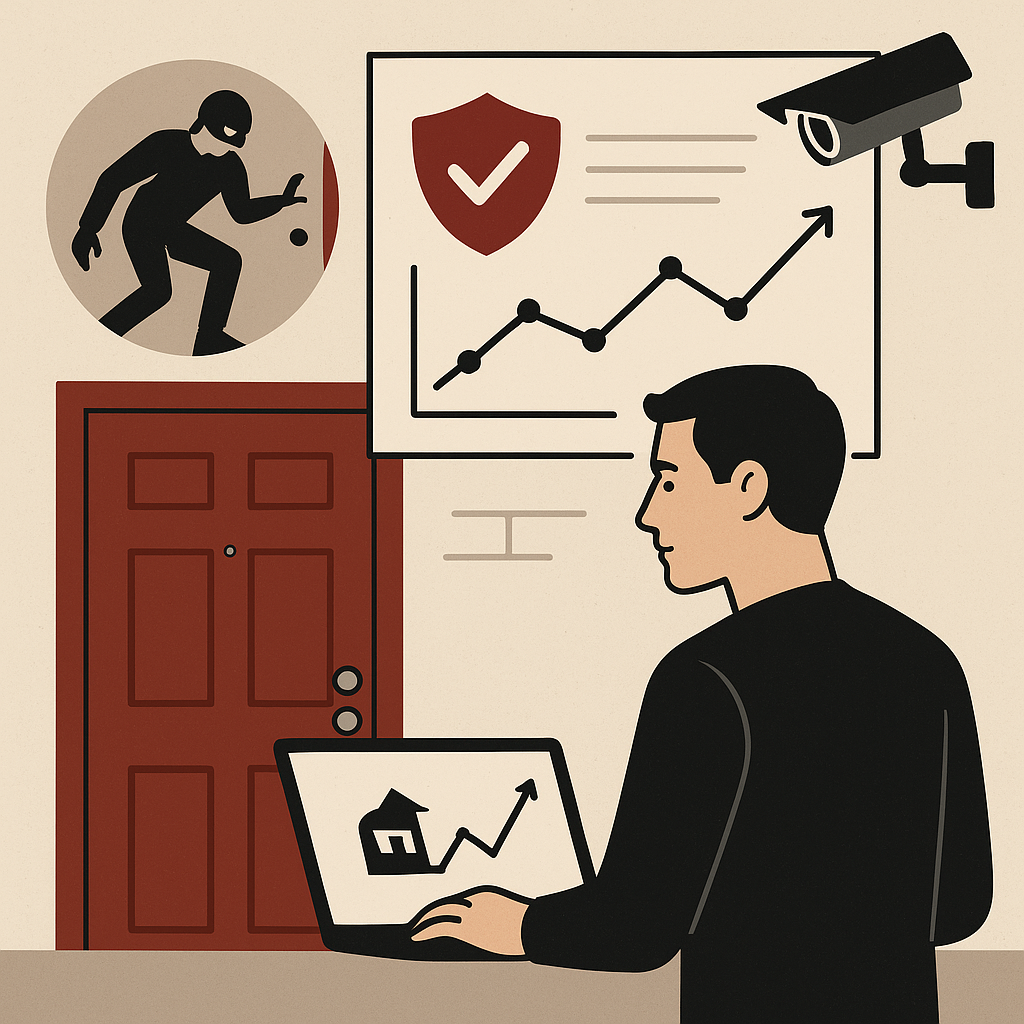
Security upgrades are only useful if they actually work. Track these four indicators to know whether your setup is holding up.
- Incident Reduction: Are attempted entries dropping? Any change in suspicious activity around your door is a signal worth noting.
- Response Time: How fast can you act on an alert from your smart doorbell or camera? Speed matters when something is happening in real time.
- User Satisfaction: Do you feel safer? Confidence in your setup is a legitimate metric — if you still feel exposed, something needs adjusting.
- Ease of Use: If a security device is too complicated to engage consistently, it will not get used. Simplicity drives compliance.
Case Study: Successful Security Upgrade in a Rental Apartment
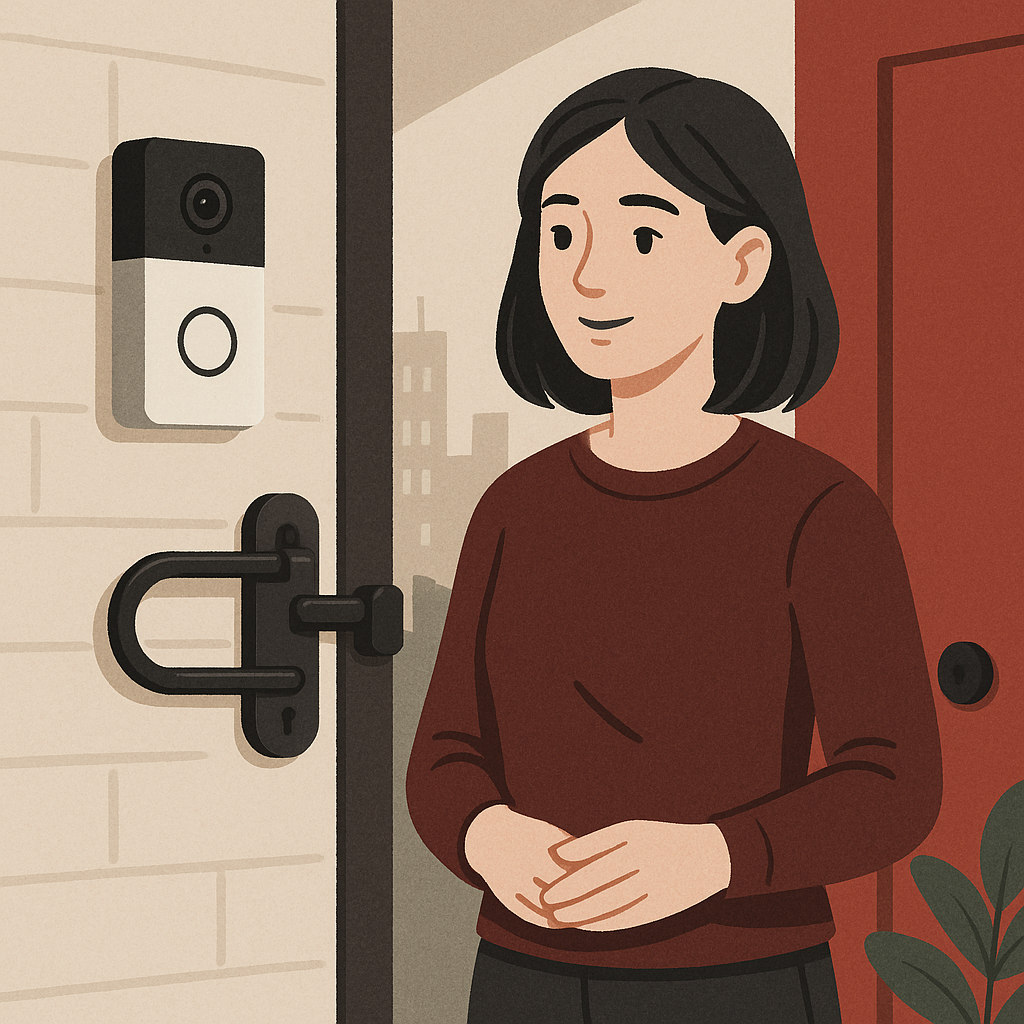
Sarah rented in a high-density urban building that had seen multiple break-in attempts on her floor. She did not wait for her landlord to act. She installed a smart doorbell for remote visibility and added a portable lock as a secondary barrier at night. The attempts stopped. She monitored her door from her phone, responded to alerts in real time, and moved out two years later with her full deposit returned. Two non-invasive upgrades. Zero permanent changes. Measurable result.
Advanced Security Tips for Renters
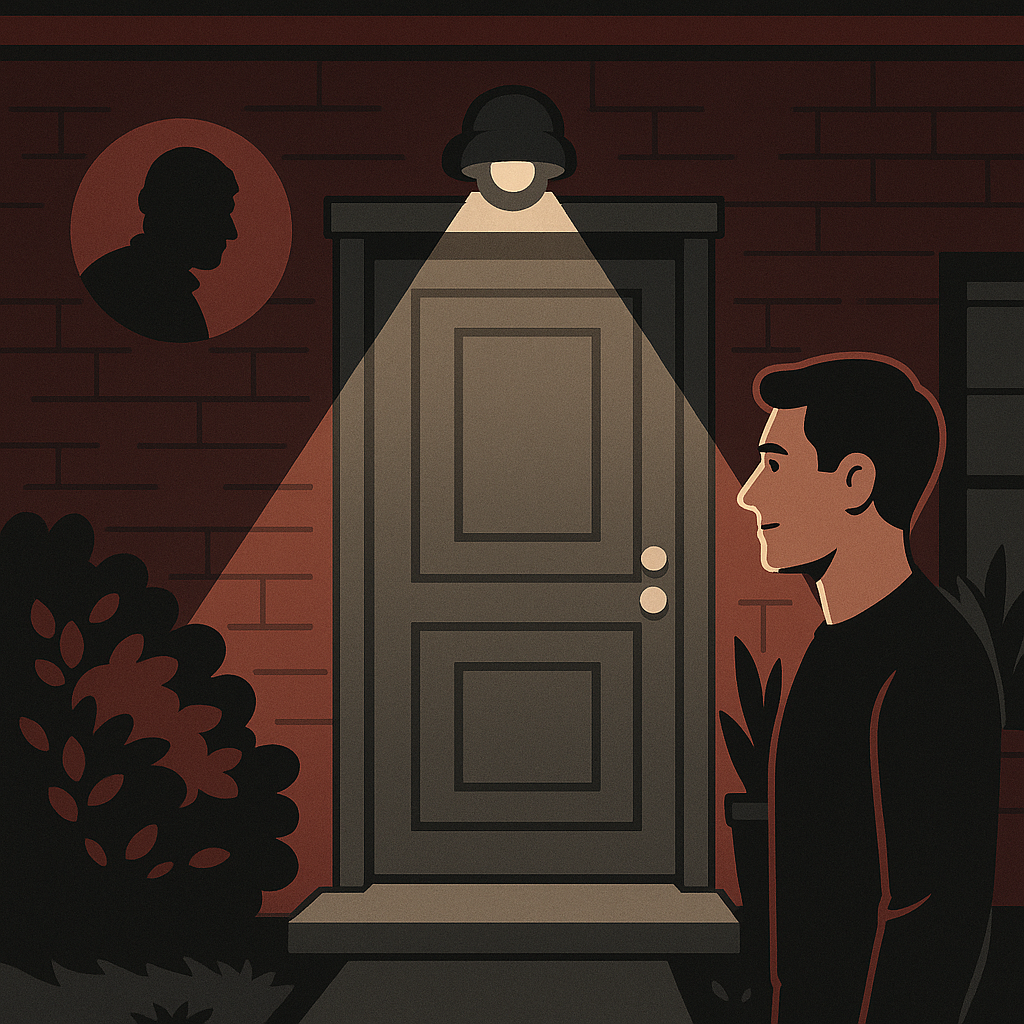
Once the basics are covered, these additions push your security posture further without touching the lease agreement.
- Lighting: Motion-sensor lights near your front door eliminate the cover of darkness. Most intruders will not approach a well-lit entry.
- Neighborhood Watch: Community awareness is a force multiplier. Join an existing program or start one. More eyes mean faster response.
- Routine Checks: Test your devices regularly. Replace batteries before they fail. A security system that goes down unnoticed is worse than no system at all.
Considerations for Pet Owners
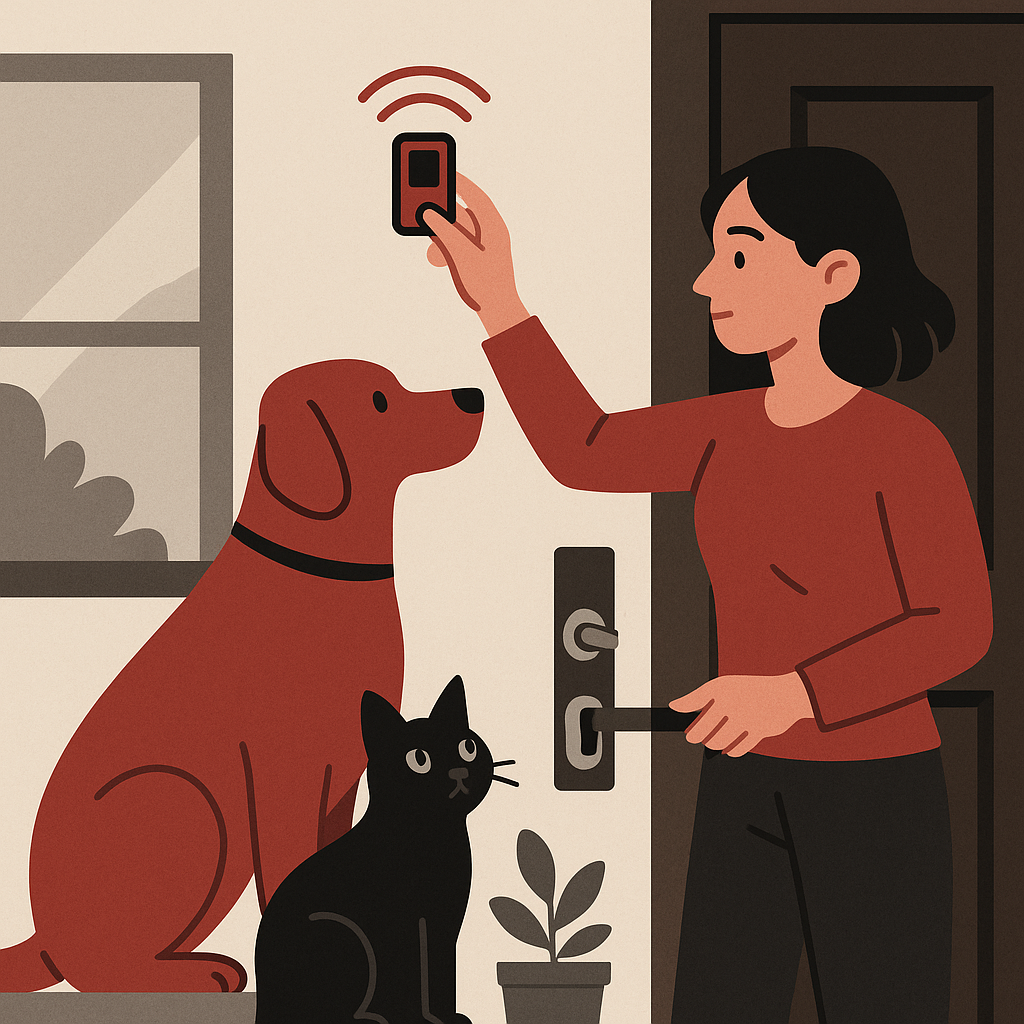
Pets change the equation. A standard motion sensor will flag your dog as a threat every time. Plan around it.
- Pet-Friendly Alarms: Choose motion sensors rated as pet-immune. They filter out movement below a certain size and weight threshold, cutting false alerts without cutting coverage.
- Secure Pet Doors: Any pet door without a locking mechanism is a vulnerability. Confirm yours locks from the inside.
- Camera Placement: Position cameras to cover both your entry points and your pet’s movement zones. One well-placed camera can do both jobs.
Disclosure: this article may contain affiliate links. If you buy through them, we may earn a small commission at no extra cost to you.
Leave a Reply