

Top Window Security Solutions for a Safer Home
Most break-ins take under sixty seconds. Windows are the shortcut. They offer easy access, weak locks, and just enough cover for someone who knows what they are doing. If you are serious about protecting your home, you do not wait for an incident to prompt action. You audit the vulnerabilities, pick the right tools, and install them before the problem arrives. This guide gives you exactly that — a clear-eyed look at the solutions that actually work.

Understanding Your Home’s Vulnerabilities
Before you spend a dollar, you need to know where you are exposed. Walk your property like someone who does not belong there. Ground-floor windows are the obvious targets, but the analysis goes deeper than that.
- Accessibility: Windows reachable from the ground or via a fence, tree, or ledge carry the highest risk. If you can get to it easily, so can someone else.
- Visibility: Windows hidden from street view give intruders cover. No witnesses means more time to work.
- Window Type: Older frames with factory locks are built for weather, not security. They fail fast under pressure.
That audit tells you where to concentrate resources first. Not every window needs the same treatment. Prioritize by risk, then work outward.
Top Window Security Solutions
1. Reinforced Window Locks
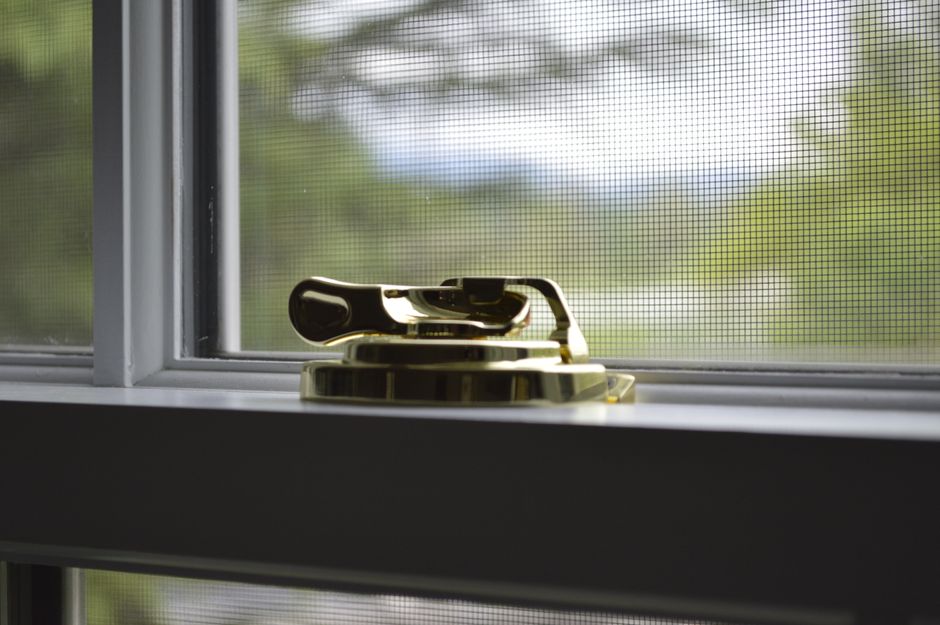
The lock that came with your window was not designed to stop a determined person. It was designed to pass a building inspection. Upgrading is non-negotiable if you are serious about security.
- Keyed Locks: Require a physical key to open the window from inside or out. That single requirement eliminates a large category of opportunistic entry.
- Pin Locks: Simple, inexpensive, and effective. They prevent a window from being pushed open beyond a set point even if the primary latch is defeated.
Defender Security pin locks start around $10. Keyed options from Prime-Line run $15 to $25. The cost is low. The protection is real.
2. Window Security Bars
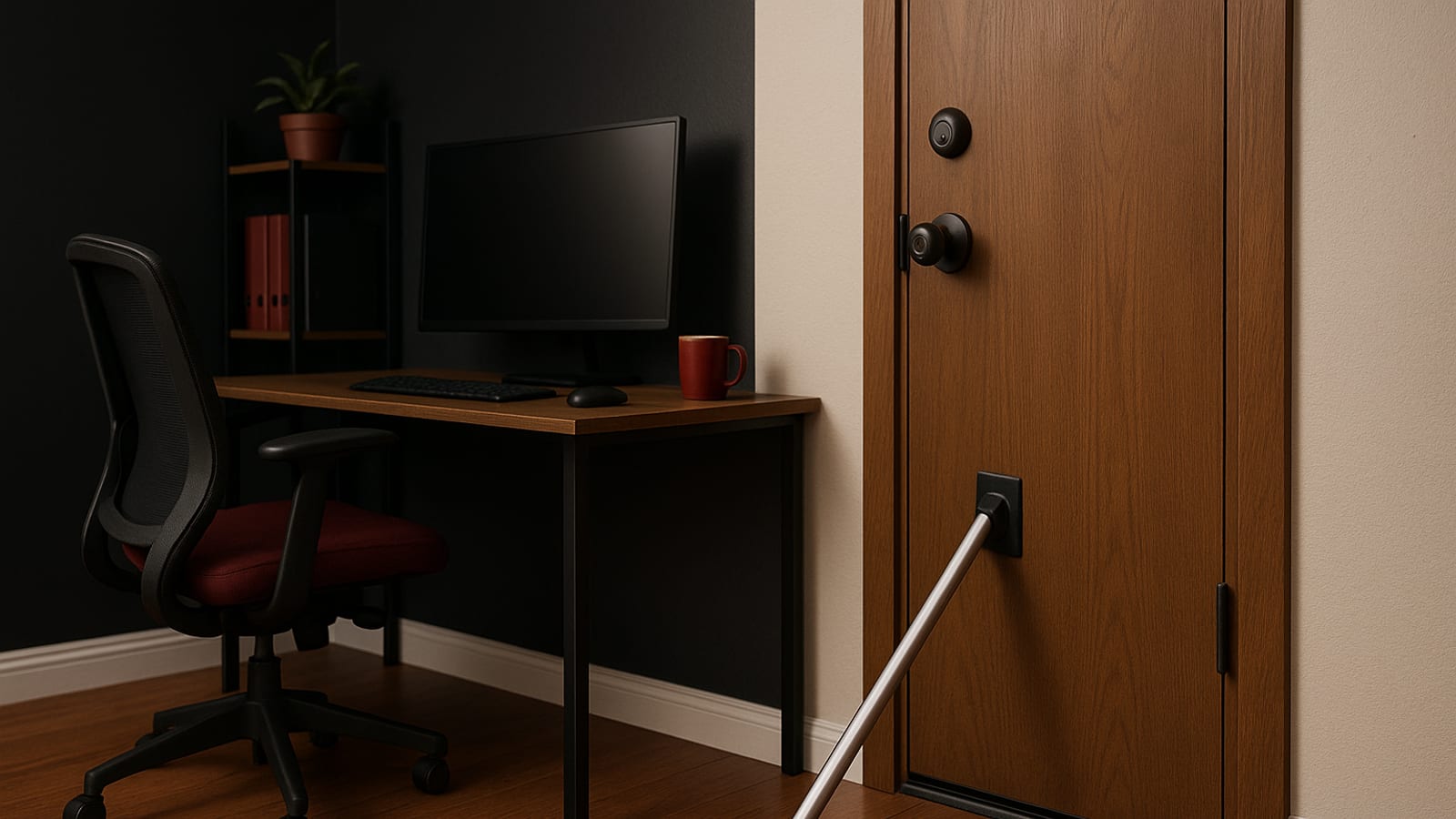
Bars are a hard stop. They do not deter — they physically block entry. Visible from the outside, they also signal that this property is not the easy target. That signal alone redirects most opportunists.
Install them on the interior or exterior depending on your preference. If you go this route, choose removable bars that release from the inside. Fire egress is not optional. Brands like Grisham offer customizable options ranging from $30 to $200 depending on size and configuration.

3. Shatterproof Window Film
Breaking glass is fast. What slows an intruder down is glass that refuses to give way cleanly. Shatterproof film bonds to the pane and holds fragments together after impact, turning a two-second breach into a prolonged, noisy problem. Most intruders walk away. 3M offers a solid range of options starting around $40 per roll, covering multiple windows per roll.
4. Window Alarms
Noise is a deterrent. A loud alarm at the point of entry collapses the timeline an intruder needs to operate. It alerts you, alerts neighbors, and eliminates the silence that makes a break-in viable. Wireless units from brands like SABRE start at roughly $15 per alarm. Low cost, immediate effect.
Integrating Whole-Home Security Systems
Individual solutions work. Integrated systems work better. When your window sensors, door contacts, and motion detectors feed into a single platform, you get a complete picture of what is happening — and the ability to respond fast.
Smart Home Security Systems
Smart systems connect to your phone and push real-time alerts wherever you are. SimpliSafe and Ring both offer entry-level packages with window sensors starting around $200. Motion detection, live monitoring, and instant notifications are standard. You do not have to be home to know what is happening at home.
These systems do not just add security. They add visibility. And visibility changes how you make decisions about your property.
Step-by-Step Guide to Securing Your Windows
- Assess Vulnerability: Walk the property. Identify which windows are most exposed based on accessibility and sightlines from the street.
- Choose Appropriate Solutions: Match the security measure to the risk level and your budget. Not every window needs bars. Some just need a pin lock and film.
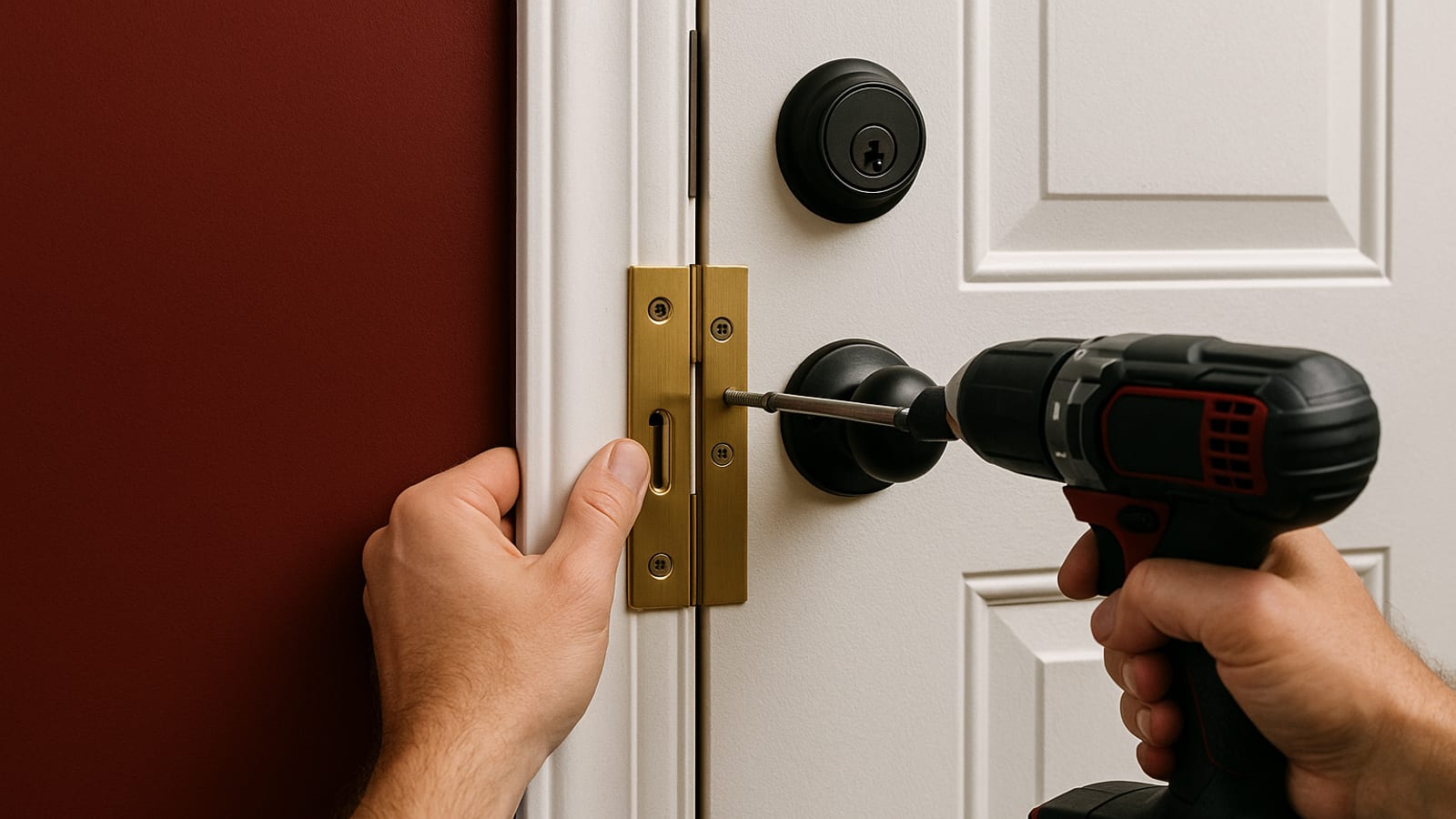
- Install Security Measures: Follow manufacturer instructions precisely. For bars or smart systems, professional installation is worth the cost.
- Integrate with Home System: Connect window alarms and sensors to a centralized platform for unified monitoring and control.
- Regularly Test and Maintain: Test every component every six months. Replace batteries. Confirm sensors are communicating. A security system that fails silently is worse than no system at all.
Conclusion: Taking Action for a Safer Home
Window security is not complicated. It is consistent. You identify the weak points, install the right solutions, and maintain them over time. That discipline — applied quietly and without fanfare — is what separates a protected home from a vulnerable one.
For more on securing your property and building smarter systems around your life, visit the ArcanoLabs blogs. The information is there. What you do with it is up to you.
Start with your audit. Walk the perimeter today. Identify the two or three windows that carry the most risk and address those first. Security compounds the same way everything else does — one deliberate decision at a time.
Advanced Window Security Technologies
The tools available now go well beyond locks and bars. If you want to build in silence and stay ahead of the threat curve, these technologies are worth understanding.
1. Smart Glass Technology
Smart glass — also called switchable glass — shifts from transparent to opaque at the touch of a button or on a pre-set schedule. It removes the visual access an intruder uses to case your home. No visibility into what you own means less motivation to attempt entry. Brands like View Smart Glass integrate with existing smart home platforms, giving you remote control via smartphone or voice command.
2. Biometric Window Locks
Biometric locks use your fingerprint as the key. No code to guess. No key to copy. Only authorized individuals get in. The price point is higher than traditional locks, but the security ceiling is also higher. Ultraloq offers residential-grade biometric locking solutions that are worth evaluating if you want that level of control.
Checklist for Evaluating Window Security Solutions
Use this checklist before you commit to any purchase or installation:
- Assess Needs: Define the risk level for each window based on location, accessibility, and what is visible from outside.
- Budget Considerations: Set a realistic number. The best solution is the one you actually install, not the one you research indefinitely.
- Compatibility: Confirm that new hardware or sensors work with your existing smart home setup before you buy.
- Installation Requirements: Know upfront whether you need a professional. Incorrect installation creates false confidence.
- Maintenance: Factor in ongoing costs — battery replacements, software updates, and periodic inspections.
Case Study: Enhancing Security with Integrated Solutions
A homeowner in a suburban neighborhood watched a string of break-ins move through the area. Instead of waiting, they acted. The approach was methodical, not reactive.
Implementation: Shatterproof film, window alarms, and reinforced locks went on every ground-floor window. All of it fed into a smart home security system with remote monitoring and real-time alerts. One integrated layer on top of another.
Outcome: No attempted break-ins since installation. The smart system delivers instant alerts whether the homeowner is inside or across the country. The security concern that prompted the project has not materialized — and that is the point. You build the system so the incident never happens.
Key Performance Indicators (KPIs) for Measuring Security Effectiveness
Installing a system is step one. Knowing whether it is working is step two. Track these metrics to stay honest about your security posture.
- Incident Rate: Log every attempted breach and every successful deterrent. Patterns tell you where gaps remain.
- Response Time: Measure how quickly you or your monitoring service respond to alerts. Speed matters when seconds count.
- System Downtime: Any period when sensors are offline is a window of exposure. Track it and eliminate it.
- User Engagement: If household members are not using the system consistently, the system is not protecting consistently. Address the behavior, not just the hardware.
Review these numbers regularly. Security is not a one-time installation. It is an ongoing standard you hold yourself to.
Common FAQs About Window Security
- Q: How often should window locks be inspected?
A: Every six months. Look for wear, corrosion, or any sign that the mechanism is not engaging cleanly. Catch problems before they become vulnerabilities. - Q: Are window security bars safe in case of fire?
A: Only if they are quick-release or removable from the inside. Never install fixed bars without a clear egress plan. Fire safety and security are not in conflict — but you have to design for both. - Q: Can smart window systems be hacked?
A: No system is completely immune. Strong, unique passwords and regular firmware updates close the most common attack vectors. Treat your smart security system the same way you treat your financial accounts — with consistent discipline.

Leave a Reply