
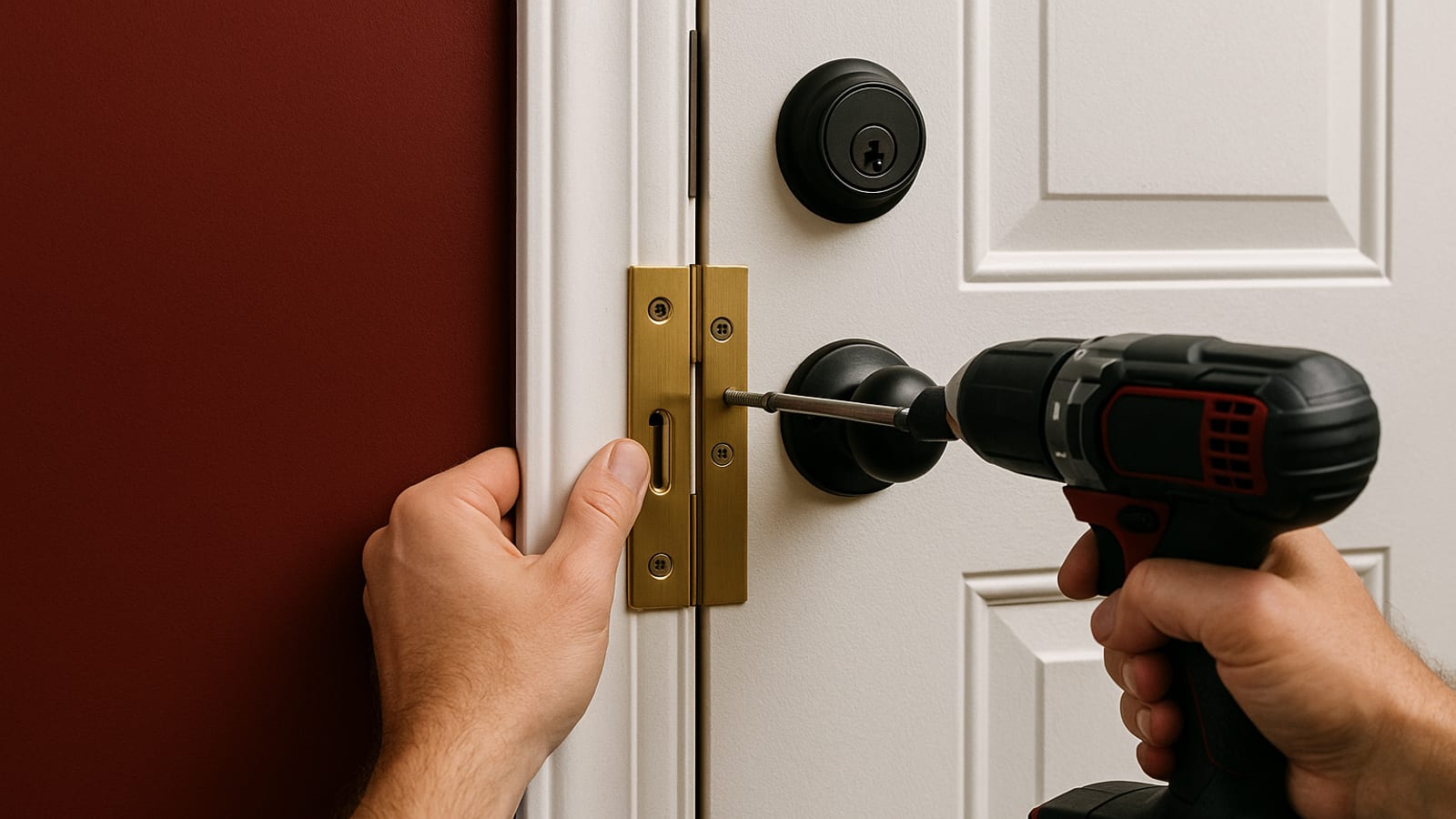
How to Secure Your Home on a Budget: Door Reinforcement Tips
Most break-ins are not sophisticated. A burglar kicks a door. It gives. They walk in. The fix is not expensive — it is deliberate. This guide covers practical door reinforcement strategies that work whether you own, rent, or manage a property. No fear-mongering. No overpriced systems. Just the moves that actually close the gap between a vulnerable entry and one that holds.
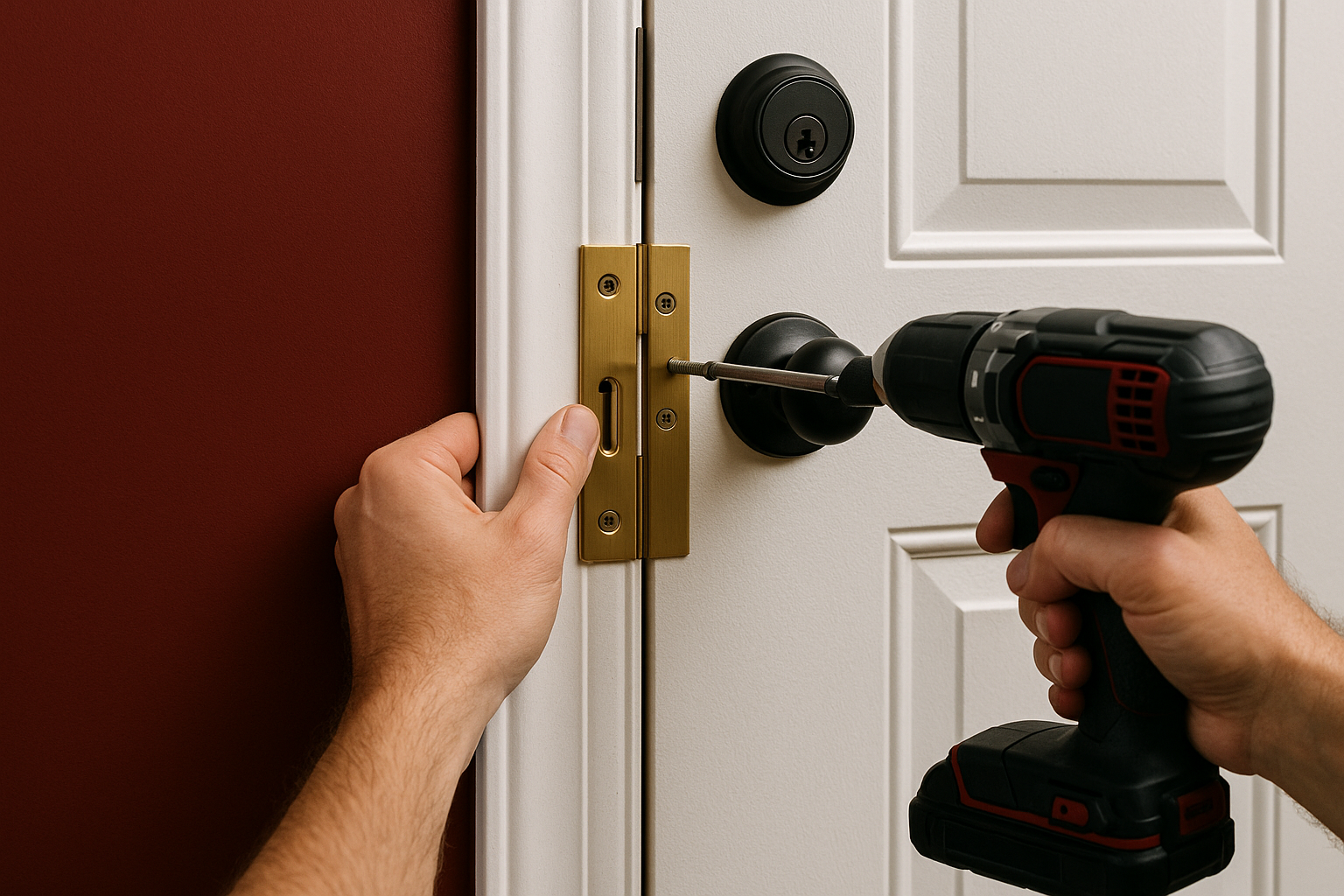
Understanding the Importance of Door Security
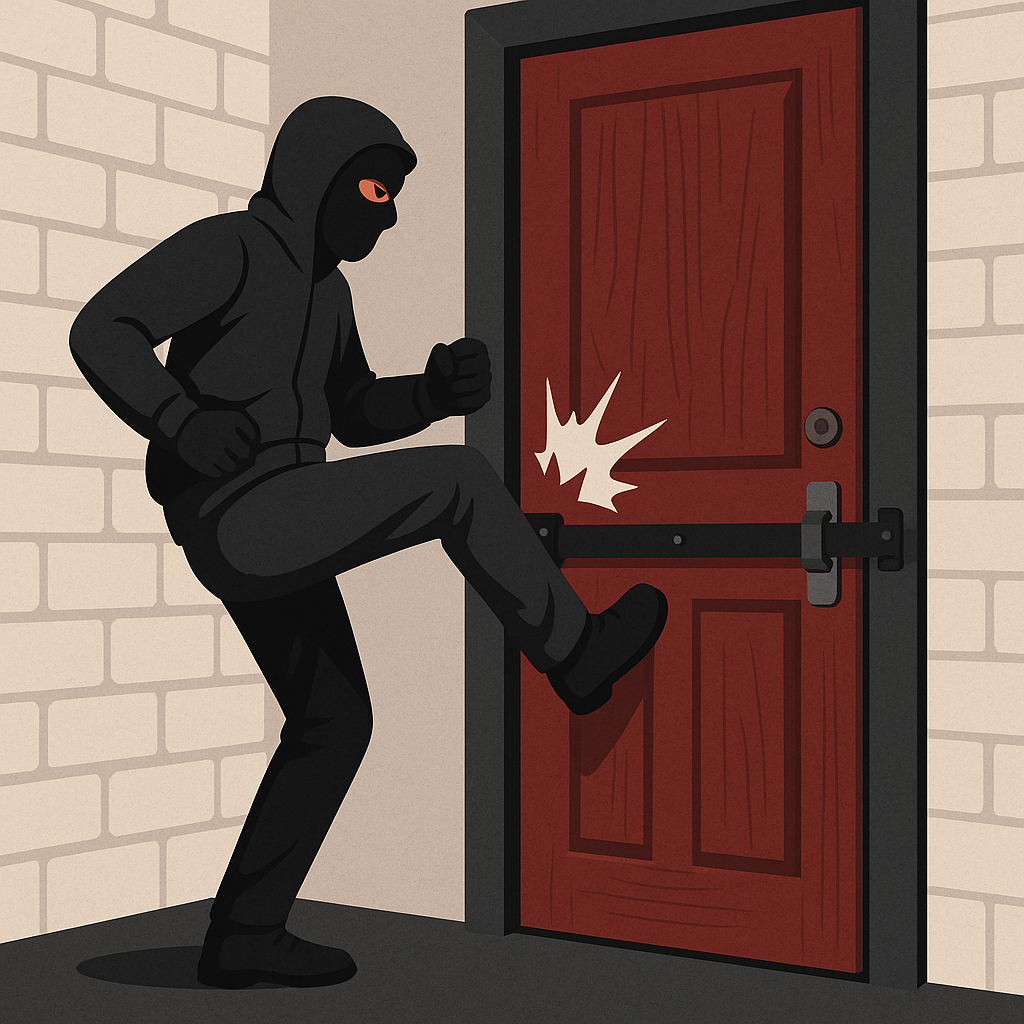
Doors are the primary entry point for forced intrusions. Burglars target them first because most are under-built and over-trusted. A standard door frame splinters under one solid kick. Reinforcing that frame changes the equation entirely.
Why Focus on Door Reinforcement?
- Stop Forced Entry: A reinforced door absorbs force that a standard one cannot. That resistance alone deters most opportunistic intruders.
- Quiet Confidence: You stop wondering whether your door will hold. It will.
- Cost Efficiency: Door reinforcement delivers more protection per dollar than nearly any high-tech security system on the market.
Fix the door first. Everything else is secondary.
Essential Door Reinforcement Tips on a Budget
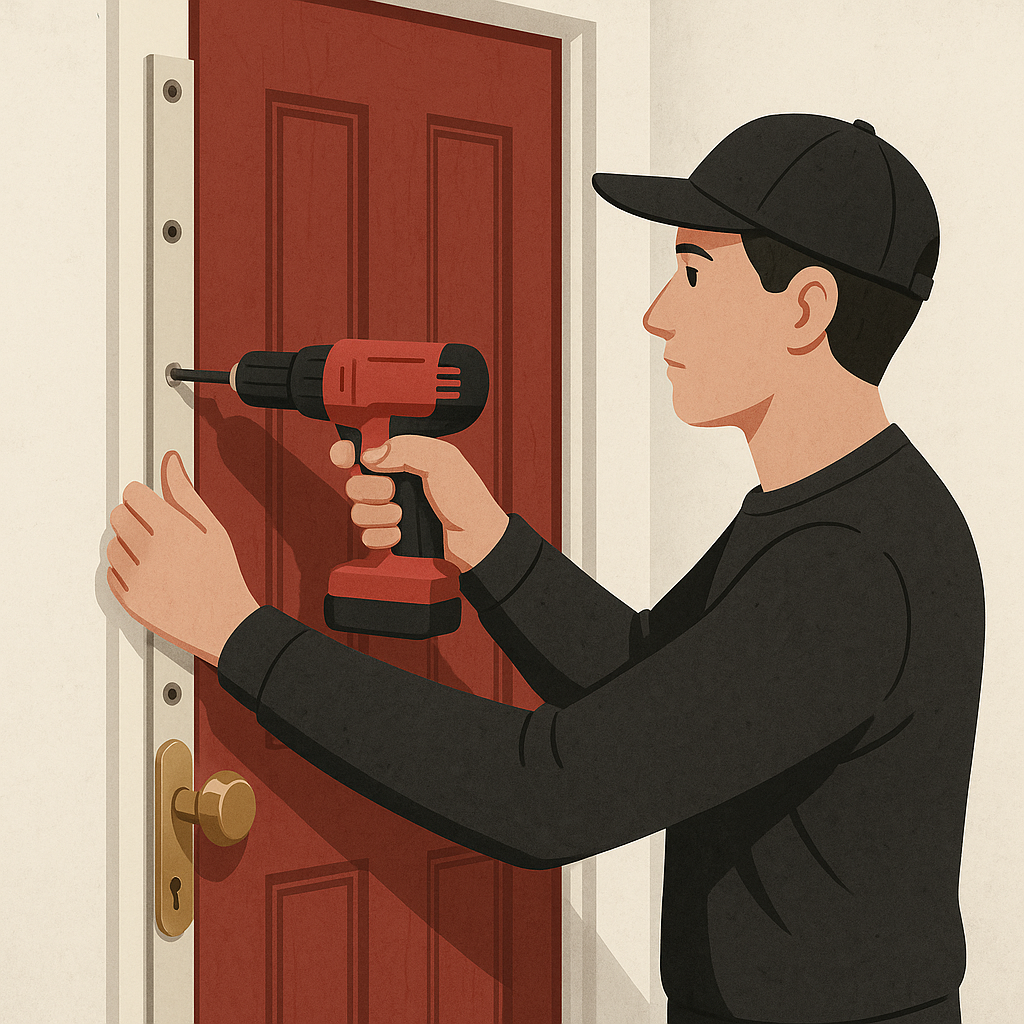
1. Install a Door Reinforcement Kit
This is the highest-leverage move you can make. A reinforcement kit hardens the frame, hinges, and lock points simultaneously — the three places a kick-in attack actually targets. For standard front and back doors, the Single Door Security Kit runs around $79 and covers all three vulnerabilities in one install.
2. Upgrade Door Locks
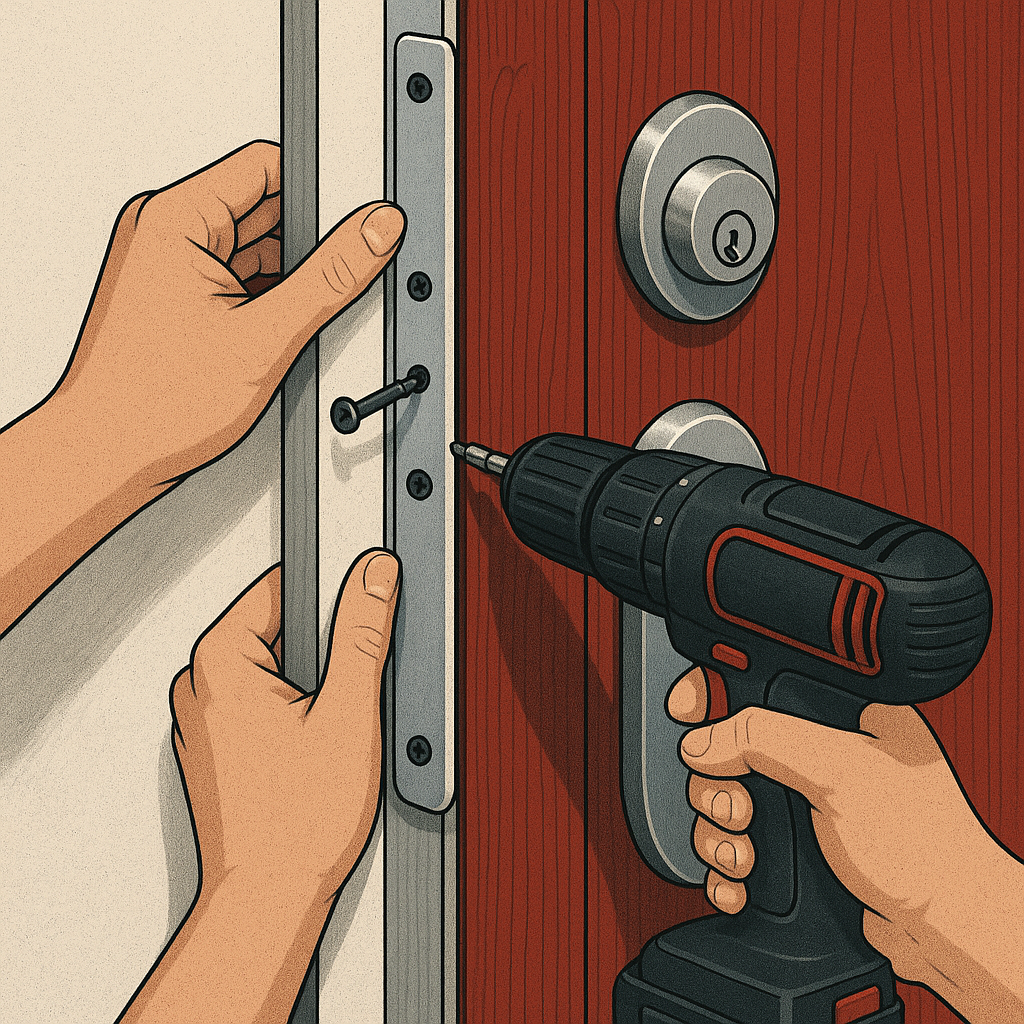
Standard builder-grade locks are not security hardware. They are convenience hardware. Replace them with a deadbolt that has at least a one-inch throw bolt. Pair it with a reinforced strike plate secured by three-inch screws that reach the stud — not just the door casing. For a full breakdown of upgrade options, see the door security solutions page.
3. Reinforce Door Frames
The frame is where most doors fail. A steel reinforcement plate wraps the vulnerable wood and distributes force across a wider surface. One kick becomes manageable. Repeated kicks become irrelevant. This single addition stops the majority of kick-in attempts cold.
4. Secure Sliding Doors
Sliding glass doors fail differently — lift-and-pry attacks exploit the track and latch. The Sliding Glass Door Security kit is built specifically for this vulnerability. Do not leave it unaddressed.
DIY Door Reinforcement: Step-by-Step Guide
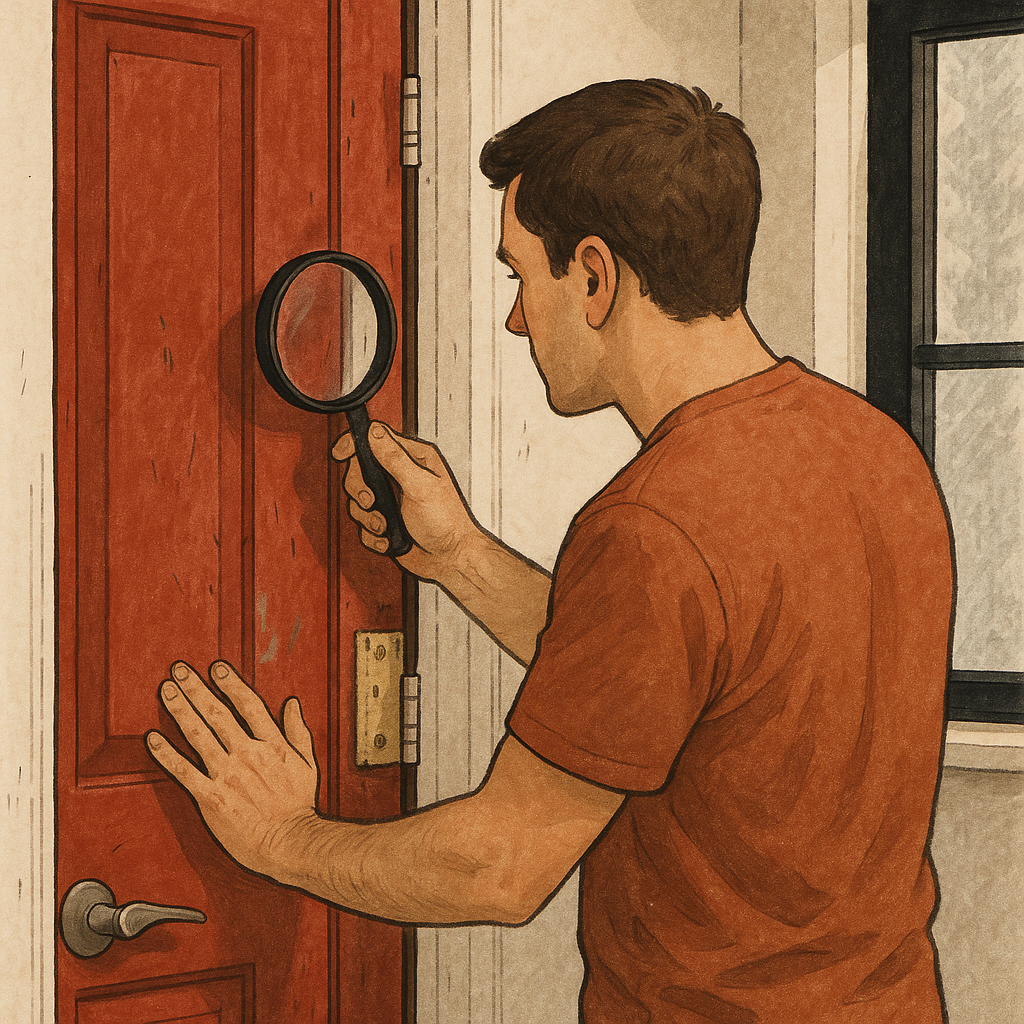
Step 1: Assess Your Doors
Walk every exterior door. Check for loose hinges, shallow strike plates, and any frame movement when you push against the door. What you find here tells you exactly where to spend your money.
Step 2: Gather Necessary Tools and Materials
Before you start, have everything on hand:
- Drill and drill bits
- Reinforcement kit components
- Long screws (3 inches or more)
- Deadbolt lock
- Steel reinforcement plates
Step 3: Install the Reinforcement Kit
Follow the kit instructions precisely. You are securing metal plates around the frame and hinge points. If you are reinforcing multiple doors, the Product Bundles offer better value per door than buying individual kits.
Step 4: Upgrade Locks and Strike Plates
Swap out the existing lock for a solid deadbolt. Install the reinforced strike plate with long screws driven into the stud. This combination is what actually stops a forced entry attempt.
Step 5: Test Your Reinforcements
Apply firm pressure to the door and frame once everything is installed. Check that plates sit flush, screws are fully seated, and the deadbolt throws cleanly. Verify now — not after an incident.
Additional Tips for Budget Home Security
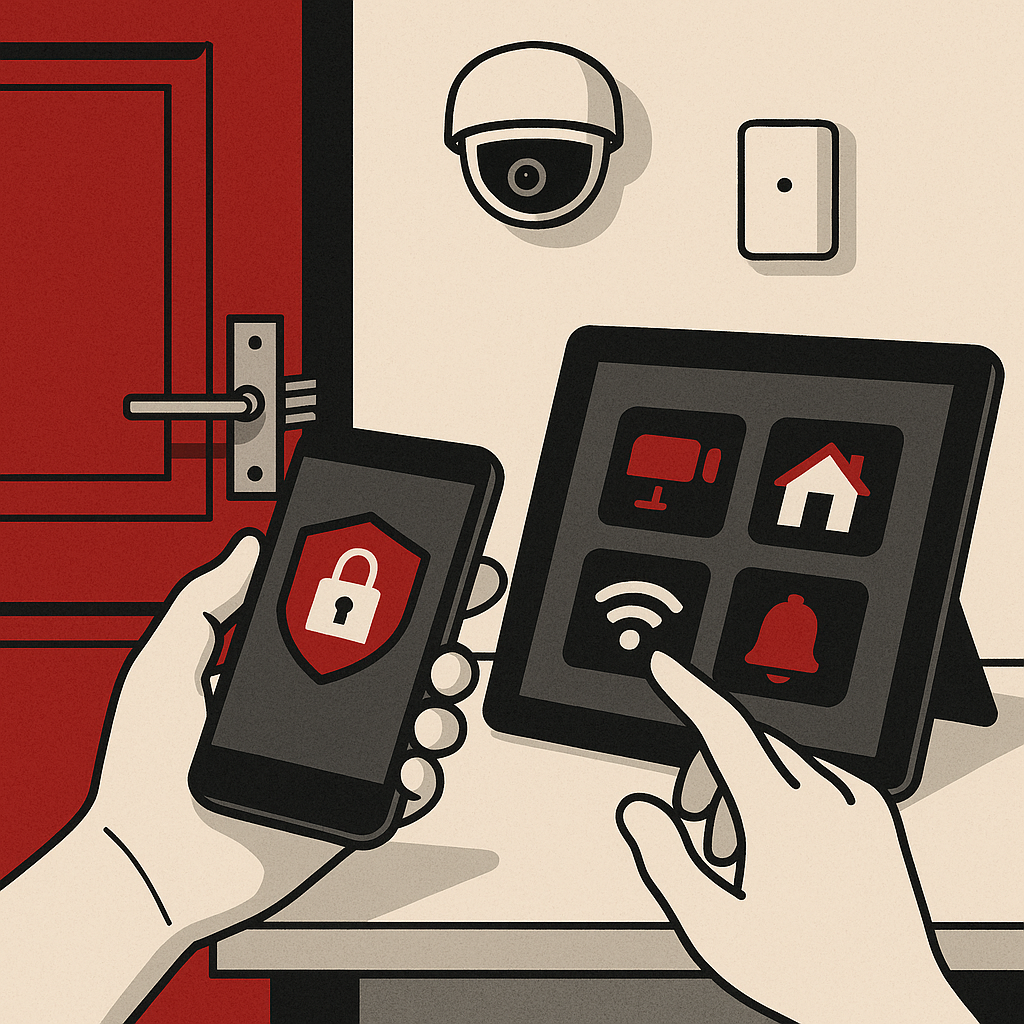
Consider DIY Security Systems
A reinforced door is your first line. A DIY security system is your second. Modern affordable systems include motion alerts and remote monitoring — features that used to cost thousands now run on a monthly subscription most people spend on coffee.
Maintain Visibility
Motion-sensor lights and trimmed landscaping eliminate the cover intruders rely on. Bright, open entrances are not inviting to someone who needs darkness to work. This costs almost nothing and changes the risk calculation immediately.
Community Watch Programs
Your neighbors are an asset. Engaged community watch networks raise the perceived risk for anyone casing a street. Connect with yours. It costs nothing and compounds over time.
Conclusion: Taking Action for a Secure Home
You do not need a large budget to close the most common vulnerabilities. Assess your doors, install a reliable reinforcement kit, and work through the steps above. That sequence alone puts you ahead of the vast majority of homes on any given street.
For a deeper look at door security solutions, visit Home Door Security for product recommendations and expert guidance. A secure home is built one deliberate upgrade at a time — and the door is always the right place to start.
Advanced Door Reinforcement Techniques
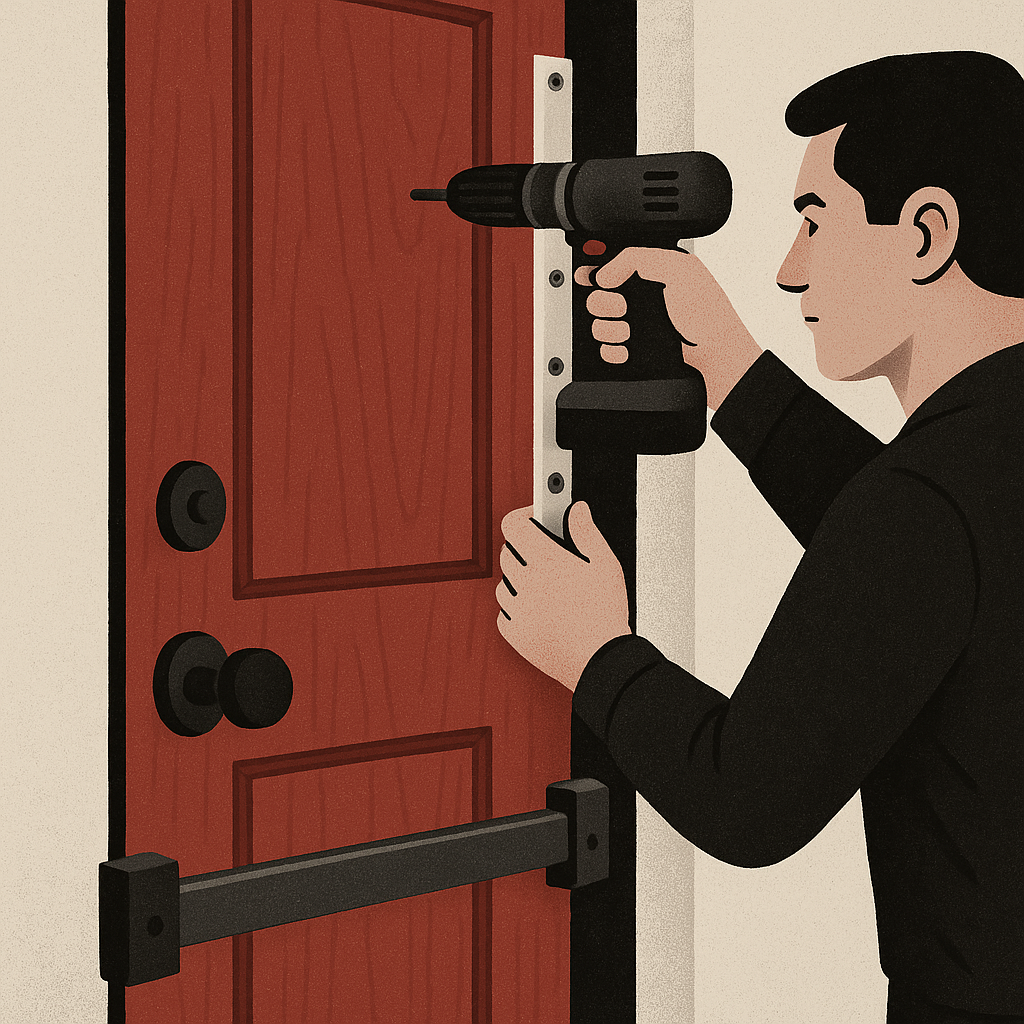
The basics handle most threats. But if your exposure is higher — ground-floor unit, high-crime area, isolated property — these advanced techniques are worth the additional investment. The upfront cost is higher. The long-term protection is not comparable.
Install Door Armor Max
For maximum protection, the Door Armor Max is the comprehensive system. It reinforces door jambs, hinges, and lock points together — creating a unified barrier that forced entry simply cannot overcome. It costs more than a standard kit. For high-risk entry points, that difference is irrelevant.
Use Reinforced Glass or Security Film
Doors with glass panels are a separate problem. Reinforced glass or security film holds shattered panes together, removing the quick-access route an intruder expects. This upgrade matters most for patio doors and doors with sidelights — the panels most people overlook entirely.
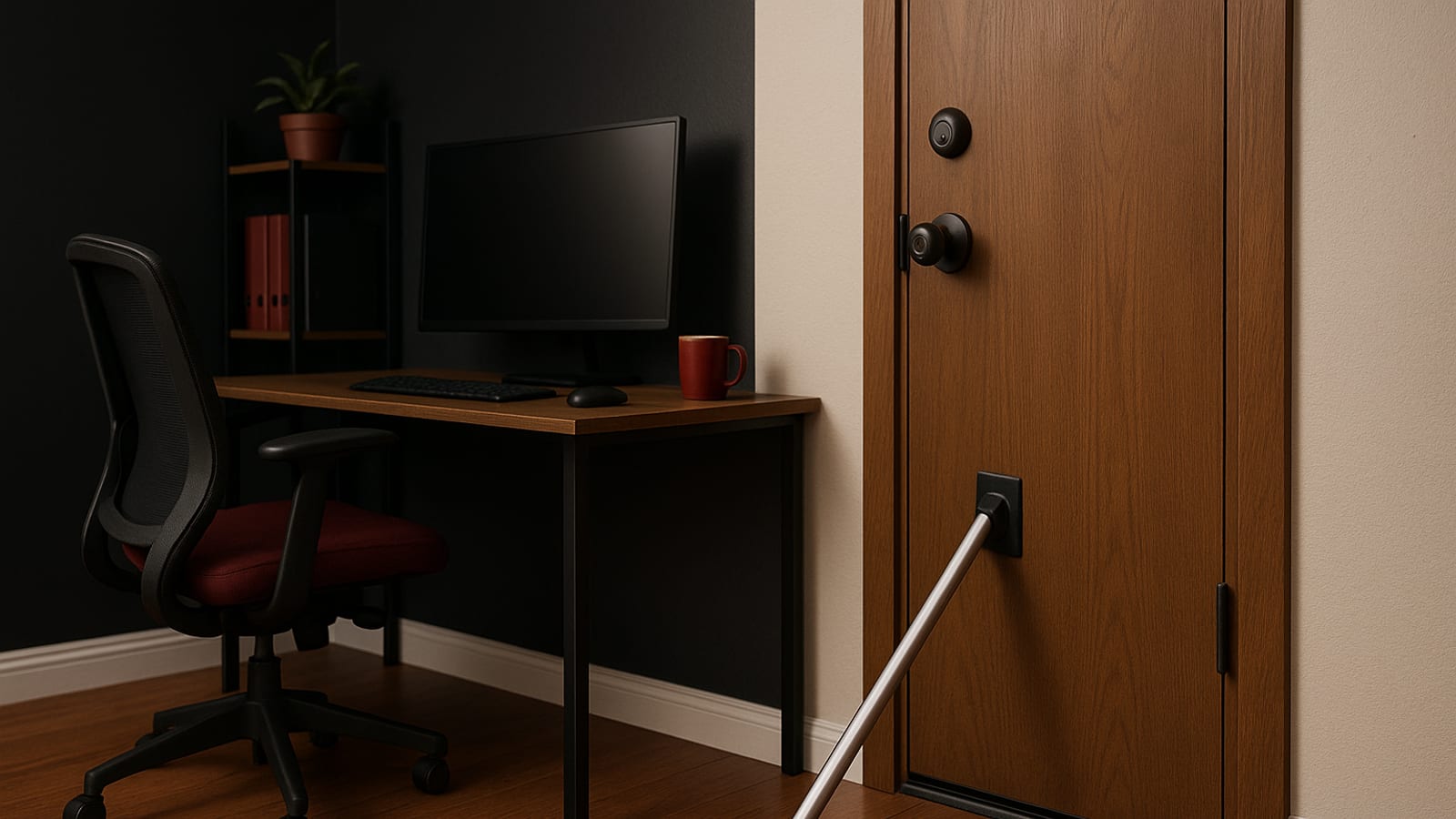
Install a Door Barricade
A floor-mounted door barricade adds a final layer that operates independently of your lock and frame. These devices are straightforward to install and absorb significant force. From the outside, the door simply does not move.
Checklist for Evaluating Door Security
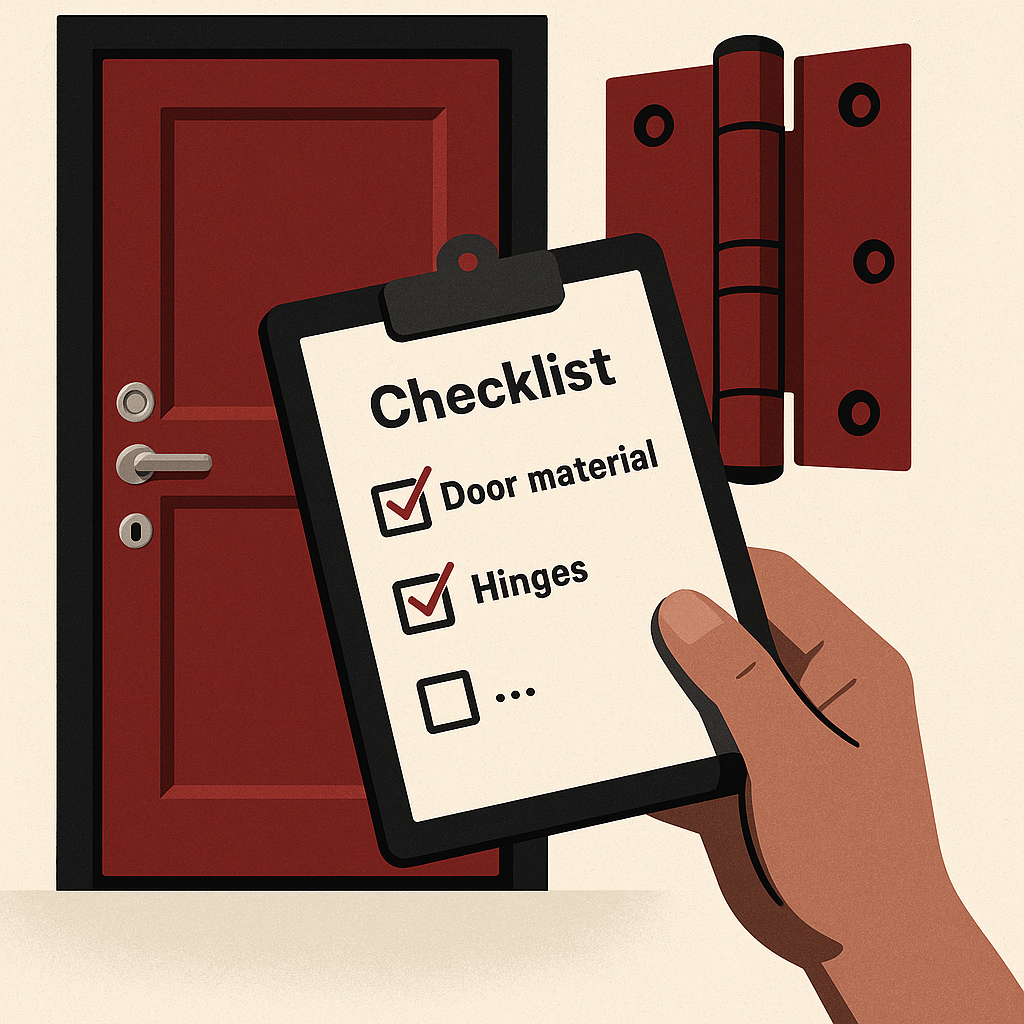
Run every exterior door through this checklist before you spend a dollar:
- Door Material: Is it solid wood or metal? Hollow-core doors are not security doors — they are interior doors installed in the wrong place.
- Hinges: Are they exposed on the outside? If so, replace them with security hinges that prevent pin removal.
- Locks: Is there a deadbolt with a one-inch throw backed by a reinforced strike plate?
- Glass Panels: Are they protected with reinforced glass or security film?
- Additional Security: Have you considered a door barricade for the highest-risk entry points?
FAQs About Door Reinforcement
What is the most cost-effective way to reinforce a door?
A door reinforcement kit paired with a quality deadbolt. These two upgrades address the most exploited vulnerabilities — frame integrity and lock strength — at a cost that is hard to argue against.
How often should I check my door reinforcements?
Every six months. Check that all plates are flush, screws are tight, and the deadbolt operates cleanly. Replace worn or damaged components immediately. Security that is not maintained is security that fails when it matters.
Can I reinforce a door if I’m renting?
Yes. Most reinforcement options are removable and leave no lasting damage. Security film and reinforcement kits typically qualify. For anything more permanent, have a direct conversation with your landlord — most will agree when the request is framed around protecting their property.
Key Performance Indicators for Home Security
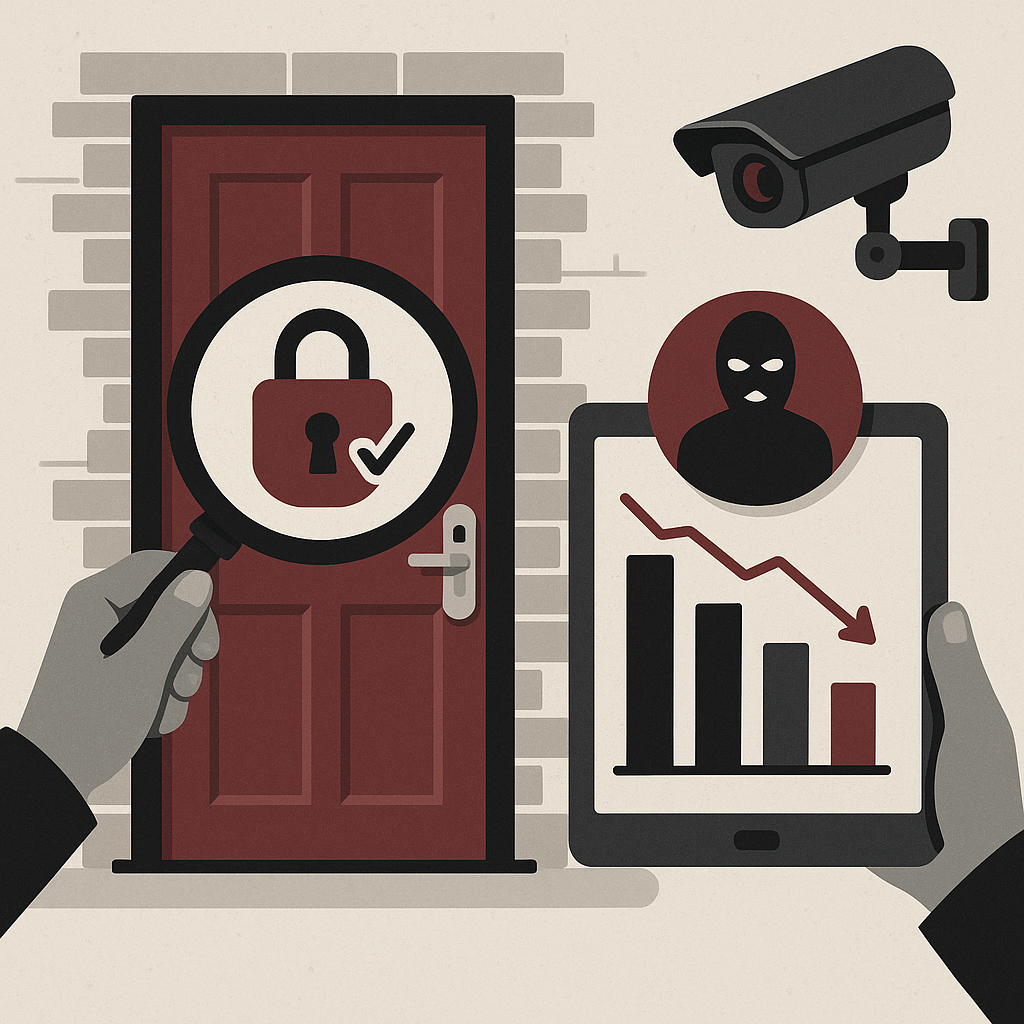
Treat your home security the same way you would treat any system worth maintaining. Track what matters:
- Attempted Break-Ins: Document any attempts and outcomes. Patterns tell you where your setup still has gaps.
- Response Time: If you run a security system, monitor how fast alerts trigger and how quickly a response follows.
- Maintenance Frequency: Keep a simple log of inspection dates and any parts replaced. Consistency here prevents failures.
Measure it. Maintain it. Adjust when the data tells you to. That discipline is what separates a secure home from one that just looks secure.
Integrating Smart Locks for Enhanced Security
Smart locks are worth considering once your physical reinforcements are in place. They give you remote access control via smartphone, customizable codes for family members, and temporary access for guests — without cutting a key. Choose a model that integrates with your existing security setup and offers keyless entry. The convenience is real. More importantly, the audit trail of who accessed your home and when is something a standard deadbolt cannot give you.
Disclosure: this article may contain affiliate links. If you buy through them, we may earn a small commission at no extra cost to you.

Leave a Reply