
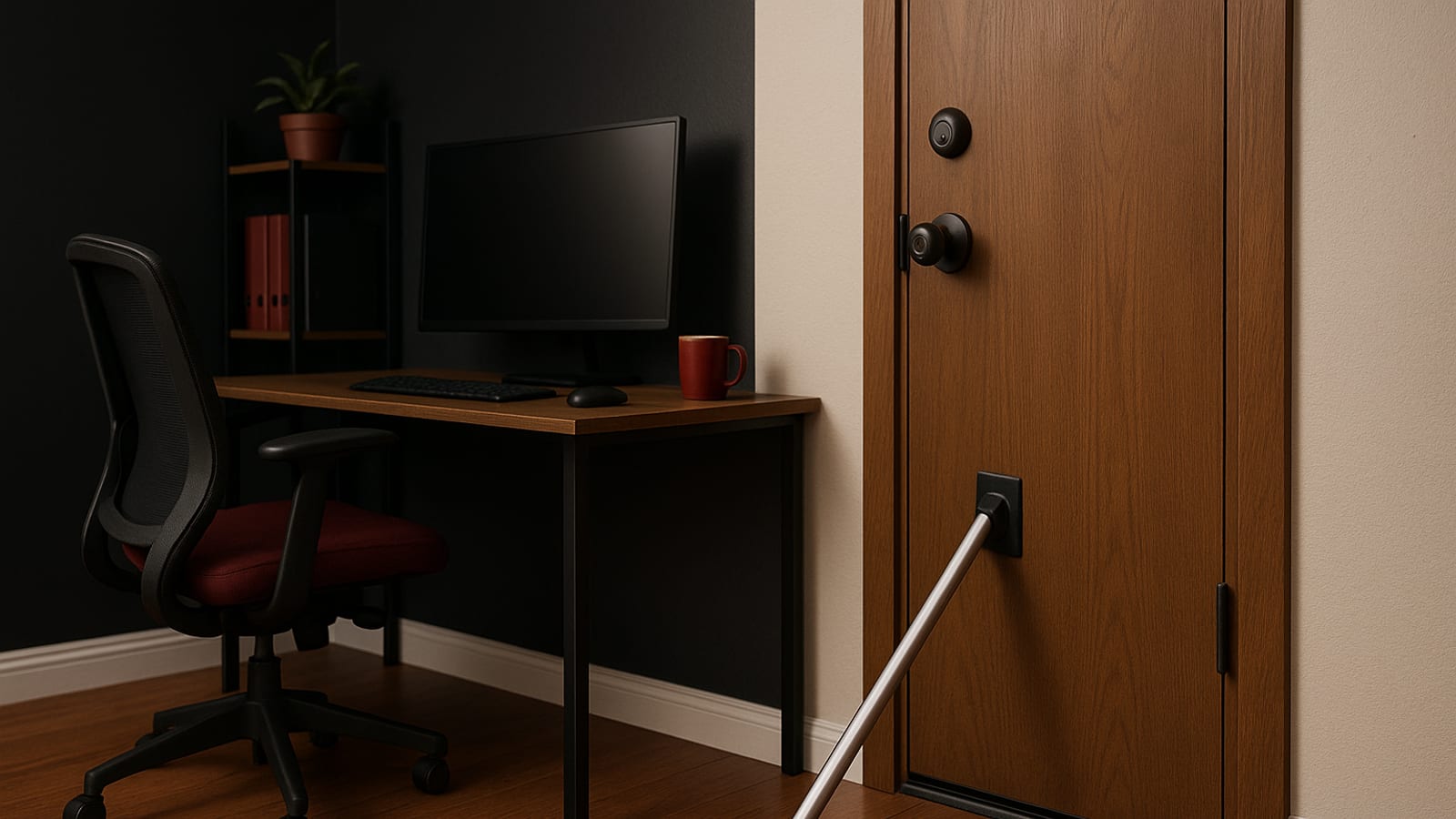
How to Secure Your Home Office with Door Reinforcement
Remote work is permanent for millions of people. Your home office holds expensive equipment and sensitive client data. One kicked-in door changes everything. The operators who build quietly and earn in peace don’t leave that door to chance. This guide gives you a concrete blueprint for reinforcing it — without wasting money on solutions that don’t hold.
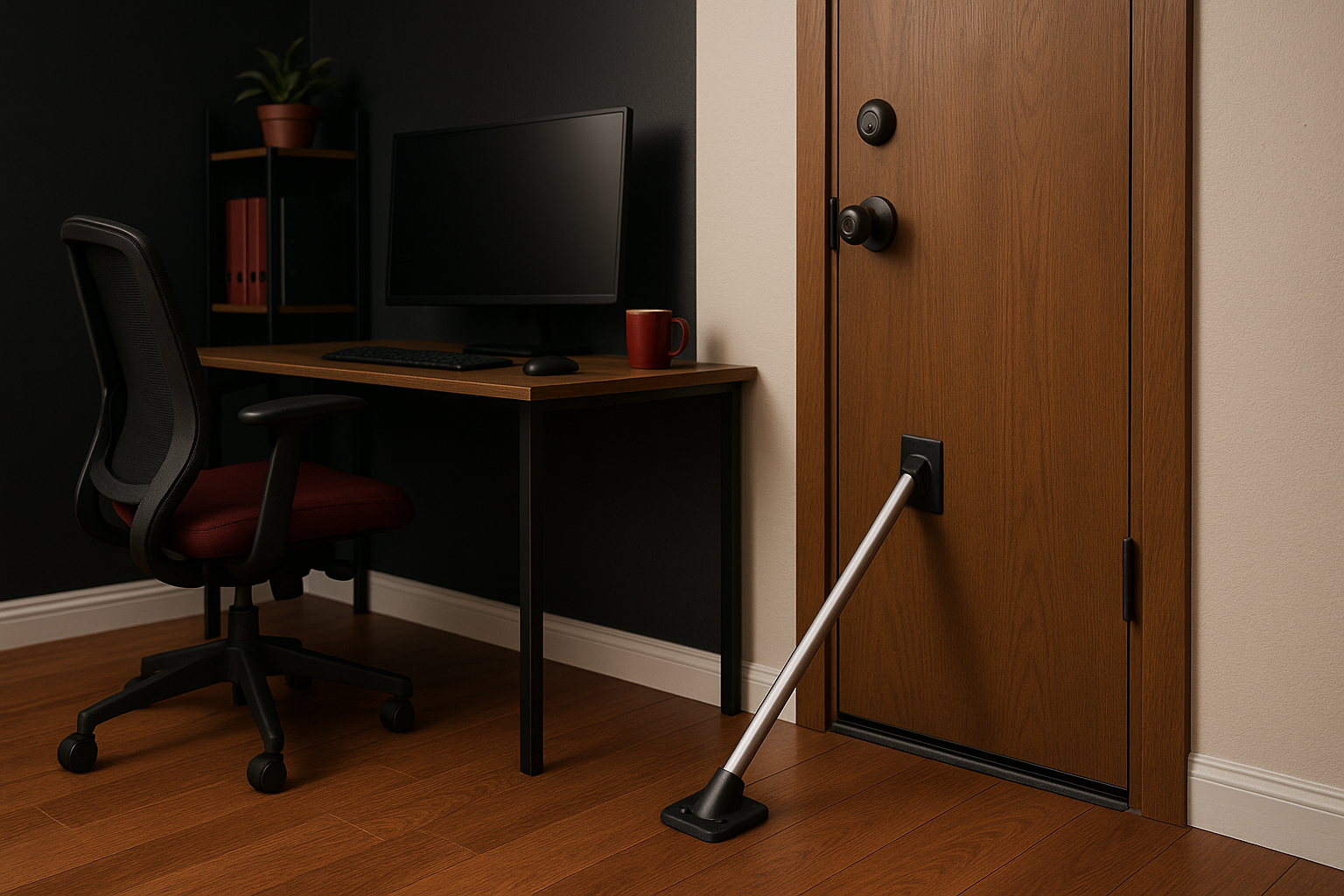
The Importance of Door Reinforcement for Home Office Security
Your door is the first line of defense. A standard residential door fails fast under forced entry. The frame splinters. The hinges give. It takes seconds. That’s not a scare tactic — that’s the documented reality security professionals work from every day.
A reinforced door changes the math for an intruder. It raises the time and effort required to breach your space. Most break-ins are opportunistic. Resistance is a deterrent. For remote workers who aren’t always home to monitor their property, reinforcement isn’t optional — it’s the baseline.
Step-by-Step Guide to Reinforcing Your Home Office Door
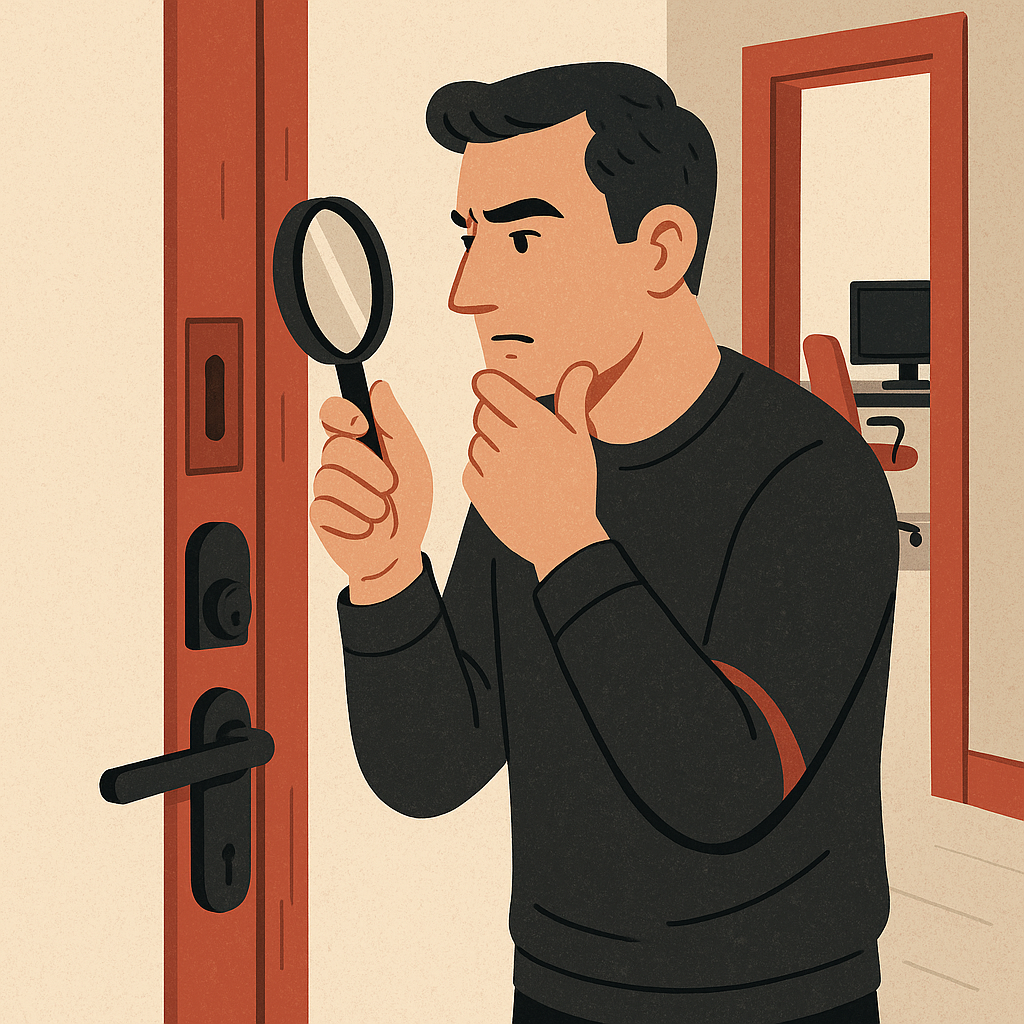
1. Evaluate Your Current Door Security
Start with an honest audit. Is your door hollow-core? Is the frame thin? Are the hinge screws short? These are your vulnerabilities. Name them before you spend a dollar. Knowing exactly where you’re exposed tells you exactly where to act.
2. Install a Door Reinforcement Kit
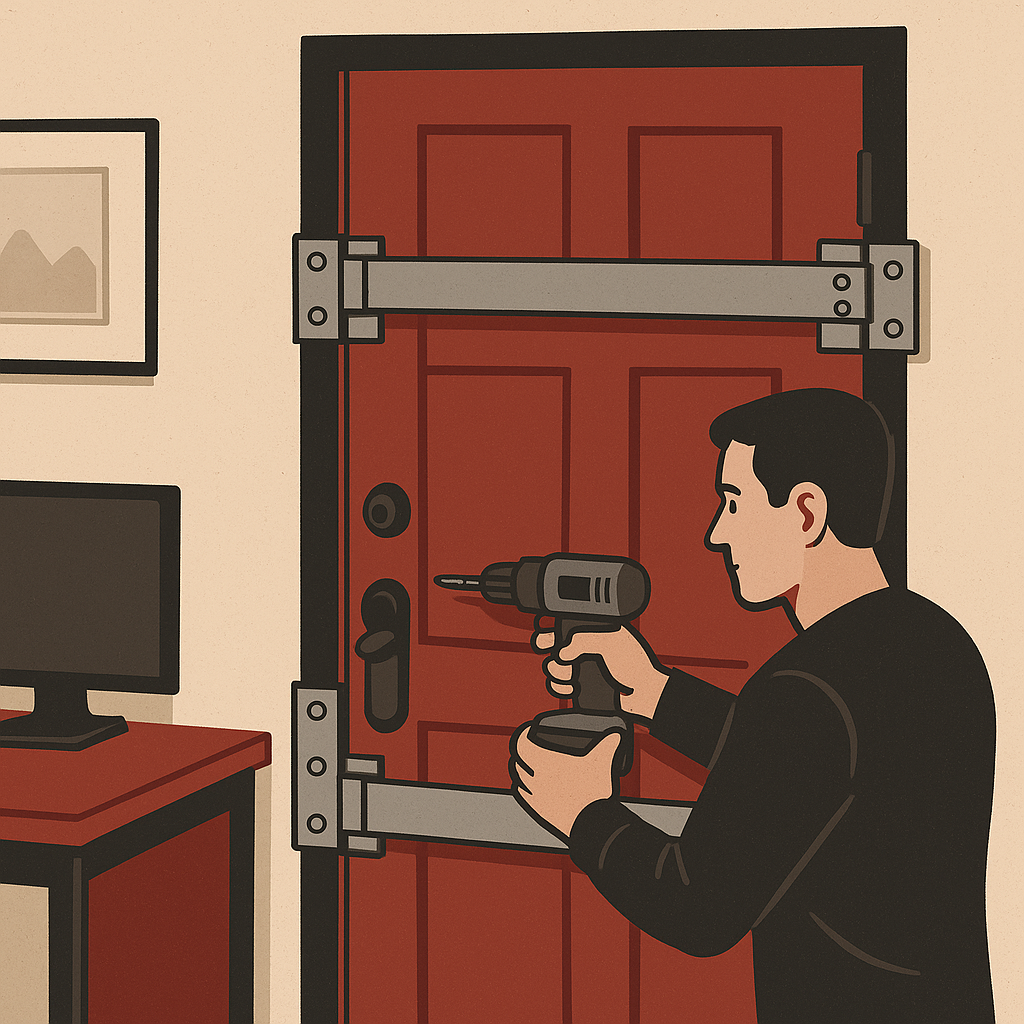
This is the highest-leverage move you can make. A reinforcement kit hardens the frame and hinges — the two points that fail first. The Single Door Security Kit is a top seller for good reason. It’s built for standard doors, priced around $79, and delivers immediate, measurable protection. That’s a straightforward return on a real risk.
3. Reinforce Door Frames and Hinges
Short screws are a silent liability. Replace them with 3-inch screws that reach the wall studs behind the frame. Add hinge bolts to prevent the door from being lifted off entirely. These are small changes. The difference under pressure is not small.
4. Upgrade to High-Security Locks
Your lock is only as strong as what surrounds it. Pair your reinforced frame with a deadbolt that has a minimum one-inch throw. Grade 1 deadbolts meet the highest residential security standard. Smart locks add keyless entry and remote monitoring — useful when you’re away from the office. Confirm any lock you buy carries recognized certification before you install it.
5. Consider Additional Reinforcement Options
- Door Armor Max: For whole-home coverage, the Product Bundles secure multiple doors under one system — the right call if you’re protecting more than one entry point.
- Anti-Kick Plates: Mount these at the base of the door. They absorb kick-in force before it reaches the frame.
- Security Bars: Use door security bars on secondary doors that see less daily traffic. Simple, effective, low cost.
Additional Security Measures for Your Home Office
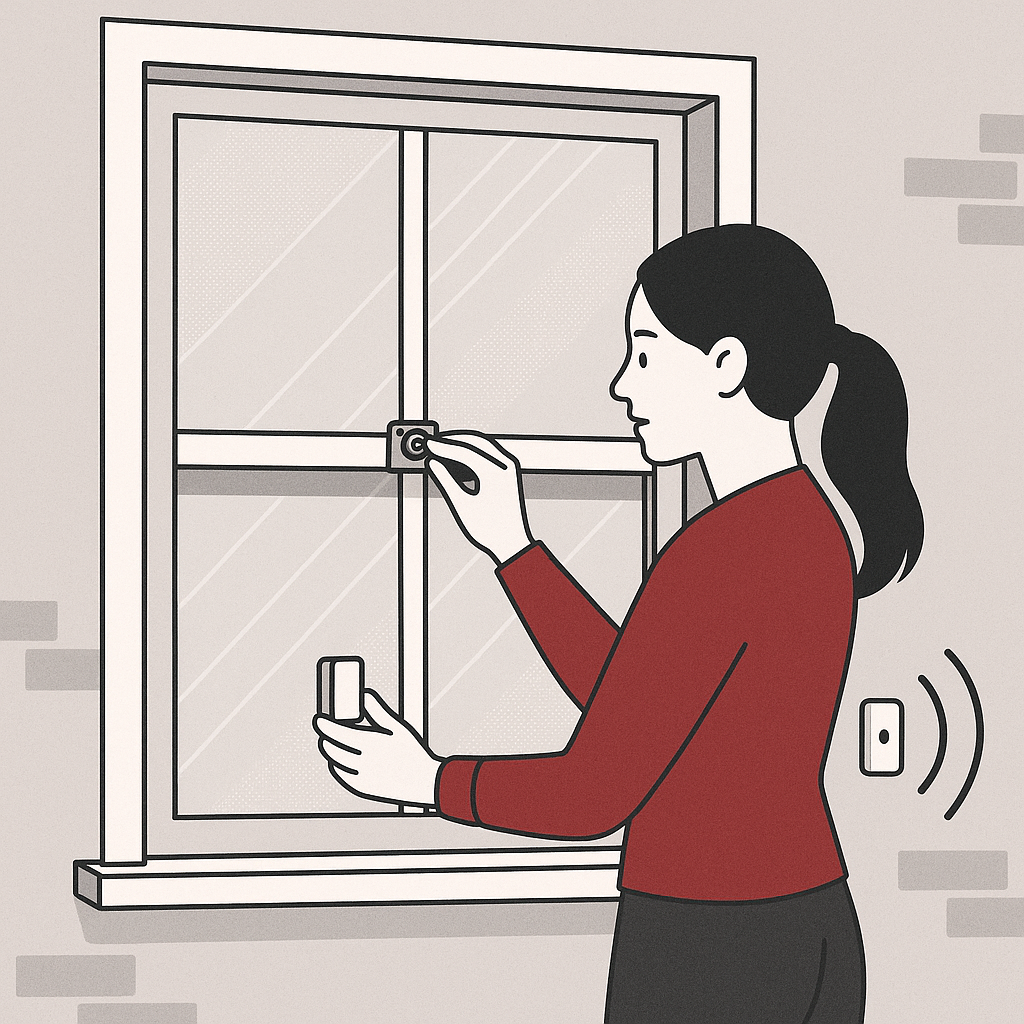
Enhance Window Security
Doors aren’t the only entry point. Windows are an obvious secondary target. Install window locks. Apply security film to make the glass harder to breach quickly. Add window sensors that alert you to any unauthorized opening. Layer your defenses — don’t stop at the door.
Implement a Home Security System
A full security system adds motion detection, cameras, and remote monitoring to your setup. It doesn’t replace physical reinforcement — it extends it. Choose a system that fits your actual budget and threat profile, not the most expensive option on the shelf.
Next Steps: Take Action Today

Start with the audit. Walk your door right now and identify the weak points. Then act on the highest-risk item first. Installing a Single Door Security Kit is the most direct first move — immediate protection, proven hardware, under $80.
From there, layer in additional reinforcement and consider integrating a home security system. Each step compounds. A secure home office isn’t built in one afternoon, but it is built one deliberate decision at a time.
For a full range of options, visit the door security solutions page and build the setup that fits your space.
Understanding Door Material and Construction
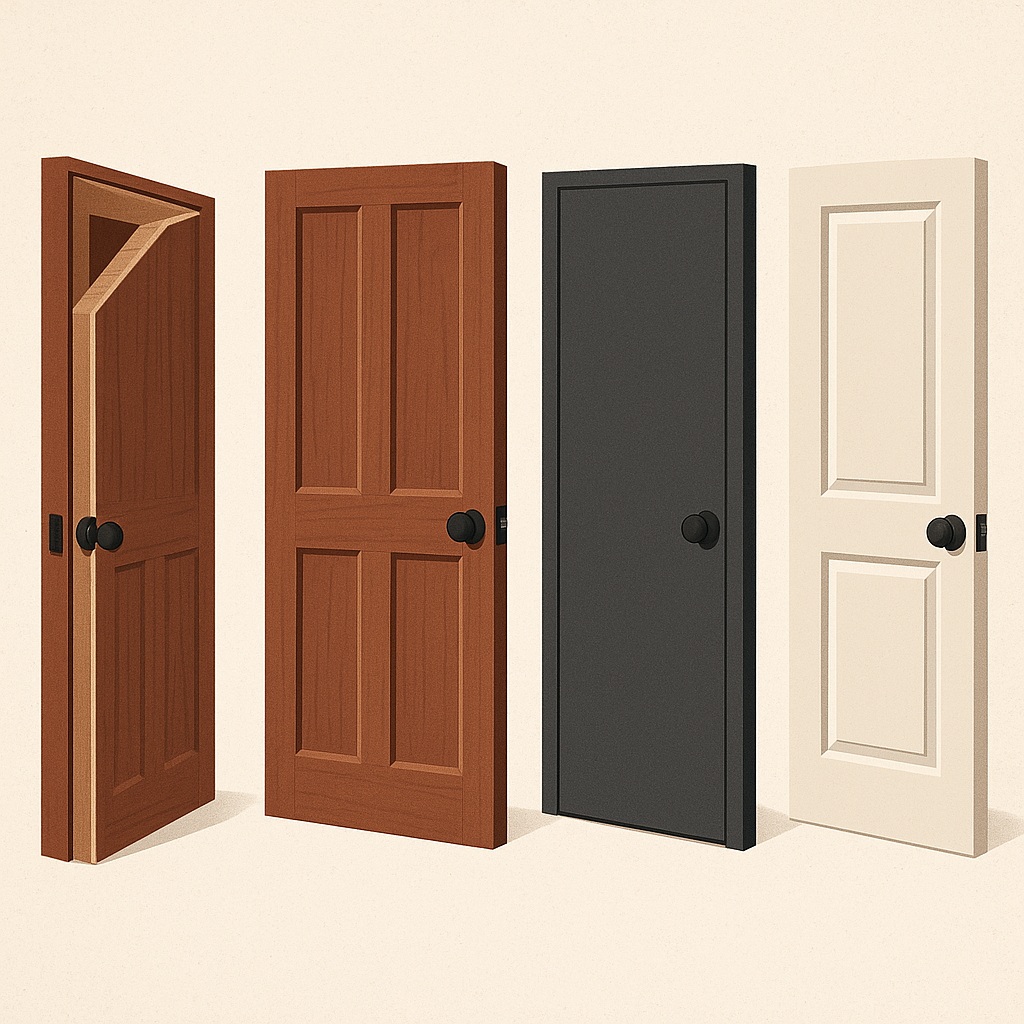
The door itself matters. Hollow-core doors are common in residential construction and easy to compromise. Solid wood, steel, and fiberglass doors are a different category entirely. Steel offers the strongest resistance to forced entry. Fiberglass holds up well and looks better in most home settings. If your current door is hollow-core, reinforcement hardware helps — but a door replacement is the cleaner long-term fix.
When evaluating your door, check the core density, the overall thickness, and whether any metal reinforcement is already built in. A solid-core door at least 1.75 inches thick is the minimum worth defending. Anything less, and you’re reinforcing a liability.
Checklist for Routine Security Maintenance
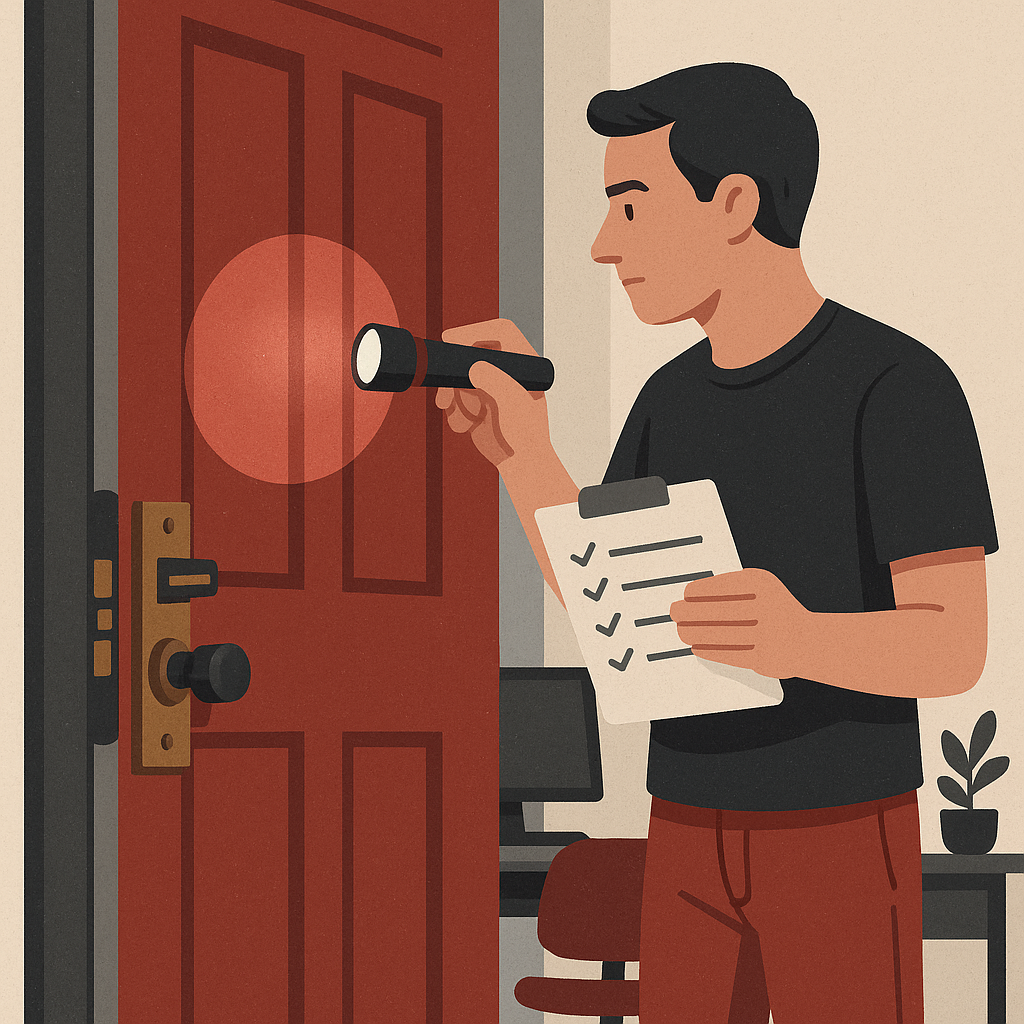
Security isn’t a one-time install. It degrades. Hardware wears. Software goes unpatched. Run this checklist on a regular schedule and stay ahead of the decay:
- Inspect Door and Frame: Look for cracks, splinters, or warping. Structural damage undermines everything else you’ve installed.
- Test Locks: Every lock should operate smoothly. Stiffness or resistance is an early warning sign. Replace before it fails completely.
- Check Hinges: Tighten loose screws. Swap out any hinge showing rust or visible wear. A compromised hinge is a compromised door.
- Review Security Technology: Update firmware on smart locks and security systems. Unpatched software is an open door of a different kind.
- Evaluate External Lighting: A well-lit entry point is a deterrent. Dark corners invite risk. Check bulbs and sensor coverage regularly.
FAQs: Common Concerns About Door Security
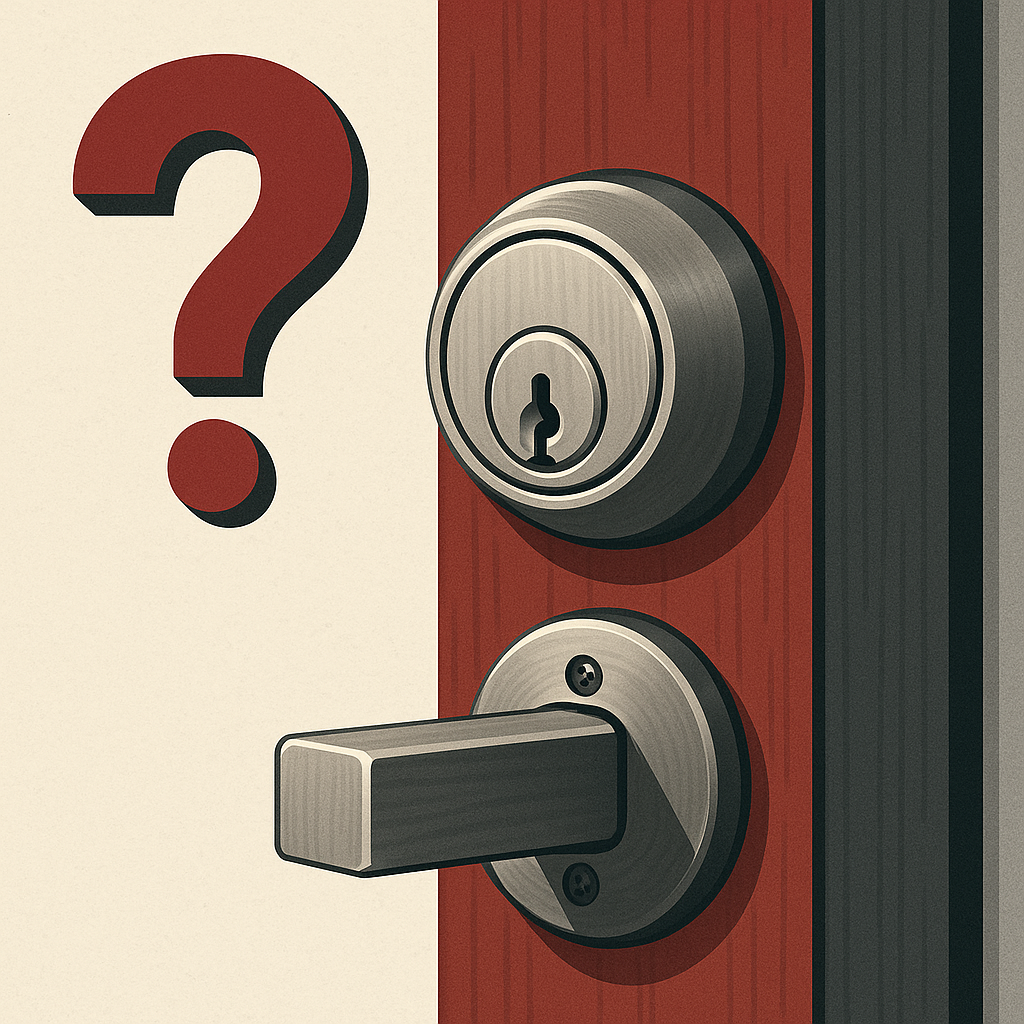
What is the best type of lock for a home office door?
A Grade 1 deadbolt with a minimum one-inch throw. That’s the highest residential security rating available. If you want remote access and monitoring built in, pair it with a certified smart lock. Convenience and security aren’t mutually exclusive here — but don’t sacrifice the Grade 1 rating to get features.
How often should I replace my door reinforcement hardware?
Inspect it regularly and plan for replacement every five to seven years under normal conditions. If you’ve had a forced entry attempt or notice significant wear, don’t wait for the calendar. Replace it now.
Can I reinforce a sliding glass door in my home office?
Yes. Use a security bar in the track, apply shatter-resistant film to the glass, and install a lock designed specifically for sliding doors. A secondary lock pin adds another layer. Sliding doors are a known vulnerability — treat them with the same seriousness as your primary entry.
Case Study: Successful Home Office Security Reinforcement
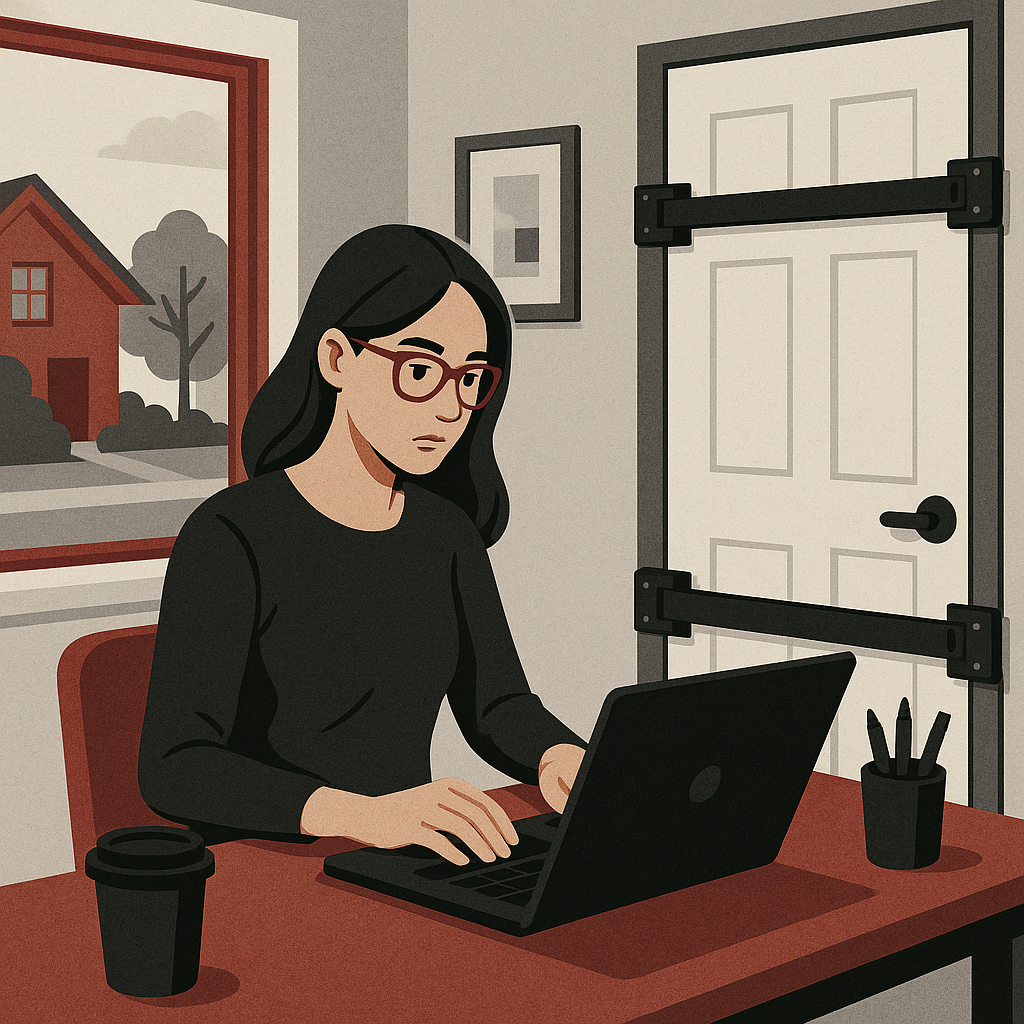
Background: Sarah is a freelance graphic designer working from a home office in a suburban neighborhood. Expensive equipment. Sensitive client files. A hollow-core door standing between her work and anyone willing to kick it in.
Implementation: She started with the audit and didn’t like what she found. She replaced the hollow-core door with a solid wood model, installed a reinforcement kit with a high-security deadbolt and hinge reinforcements, added anti-kick plates at the base, and finished with a smart lock for remote access and monitoring.
Outcome: No security breaches since the upgrade. More importantly, the mental overhead of worrying about her equipment dropped significantly. That clarity translated directly into better focus and higher output. The investment paid for itself in productivity alone — before accounting for what it protects.
The lesson is straightforward. A methodical approach to door reinforcement secures your physical assets and your ability to work without distraction.
Key Performance Indicators (KPIs) for Measuring Security Effectiveness
You can’t improve what you don’t measure. Track these indicators to know whether your security setup is actually holding up over time:
- Incident Reduction: Track any attempted breaches or security events before and after reinforcement. A downward trend confirms your measures are working as a deterrent.
- Response Time: How fast does your security system alert you to a threat? Slow response time is a gap. Measure it and close it.
- System Uptime: Smart devices that go offline create windows of exposure. Monitor uptime and address failures immediately.
- User Satisfaction: Ask everyone in the household whether they feel secure. Confidence in the system matters — people who don’t trust it stop using it correctly.
Review these metrics on a set schedule. Security that isn’t monitored drifts. The operators who build quietly and earn in peace treat their physical workspace the same way they treat their systems — with consistent, deliberate attention.
Disclosure: this article may contain affiliate links. If you buy through them, we may earn a small commission at no extra cost to you.

Leave a Reply