
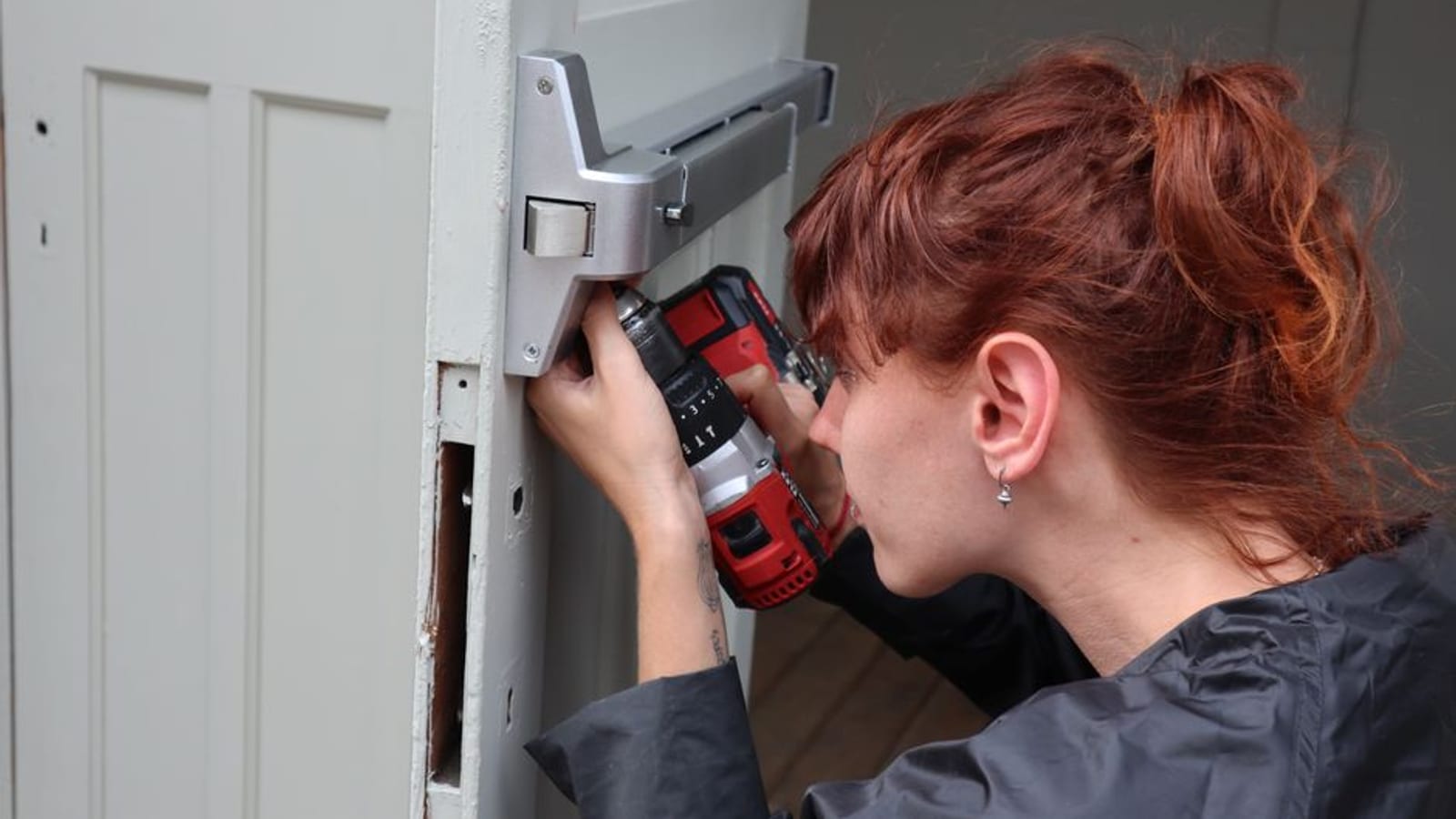
DIY Door Reinforcement: Tools and Techniques
When it comes to home security, reinforcing your doors is one of the most effective ways to protect your sanctuary. Whether you’re looking to stop a door from being kicked in, improve your exterior door security, or simply add an extra layer of defense, DIY door reinforcement is a practical solution. In this guide, we’ll walk you through the essential tools and techniques you need to bolster your doors, ensuring peace of mind and enhanced safety for your home.
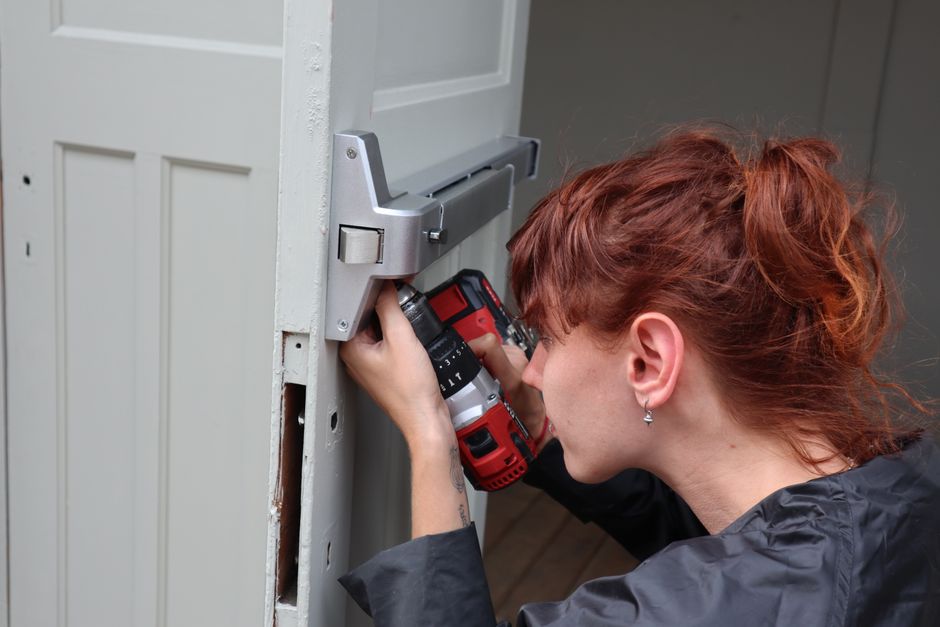
Why Reinforce Your Doors?
Understanding the importance of door reinforcement is the first step in enhancing your home security. Doors are the primary entry points for intruders; therefore, reinforcing them significantly reduces the risk of break-ins. Many homeowners mistakenly believe that a simple lock is enough, but investing in additional security measures can provide a vital line of defense.
Essential Tools for DIY Door Reinforcement
Before diving into the techniques, let’s equip ourselves with the right tools. Having the proper equipment not only makes the job easier but also ensures that the reinforcement is effective and long-lasting.
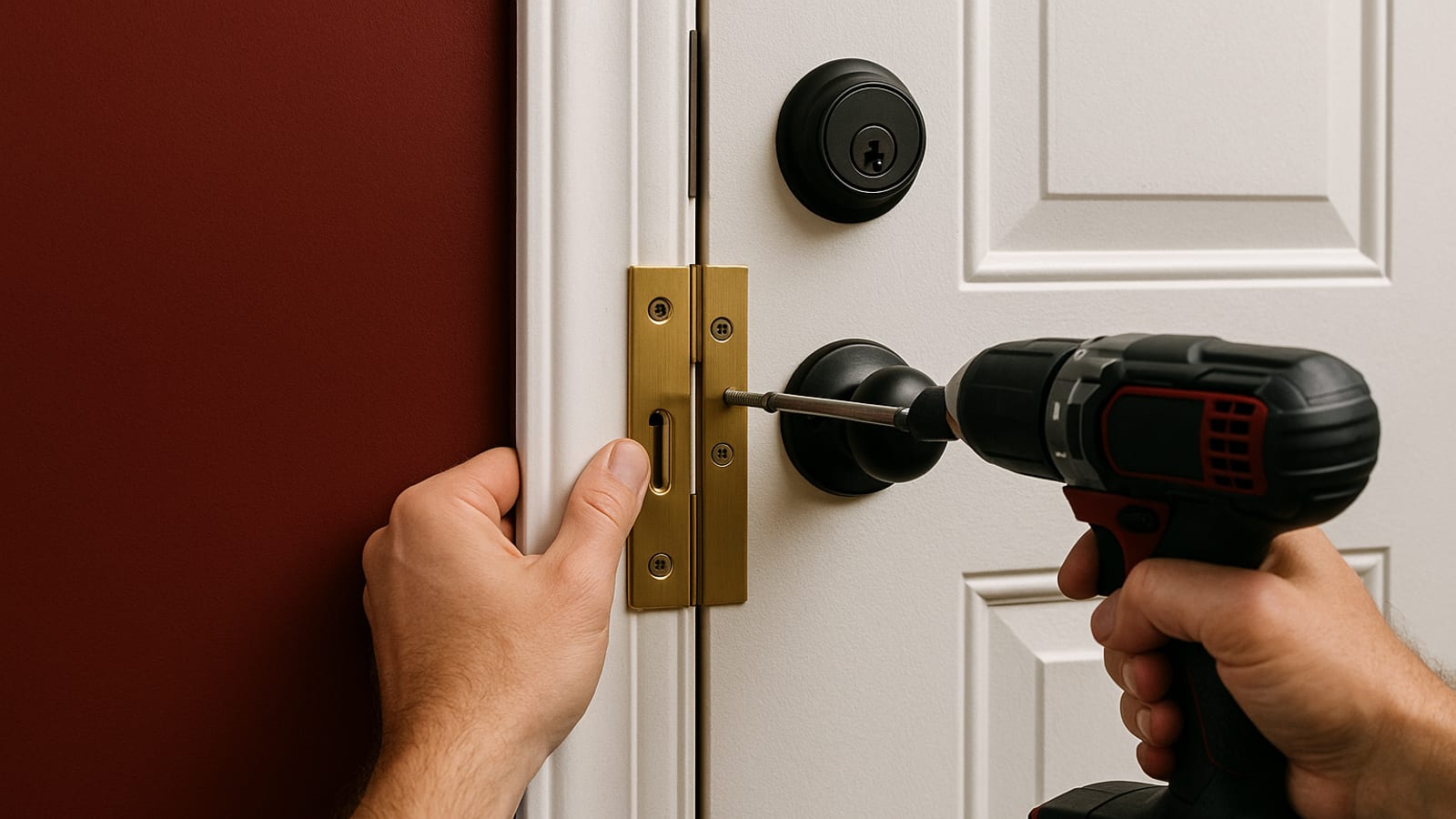
- Drill and Drill Bits: A power drill is essential for installing screws and hardware. Ensure you have a variety of drill bits to accommodate different screw sizes.
- Reinforcement Kits: Purchasing a door reinforcement kit is a practical option. These kits often include strike plates, door shields, and jamb shields, providing a comprehensive solution.
- Heavy-Duty Screws: Opt for screws that are at least 3 inches long to ensure they penetrate the door frame securely.
- Measuring Tape: Accurate measurements are crucial for fitting hardware correctly.
- Chisel: Useful for mortising the door and frame to fit reinforcement plates.

Step-by-Step Door Reinforcement Techniques
1. Reinforce the Door Frame
The door frame is often the weakest part of a door assembly. Reinforcing it can significantly increase the door’s resistance to force.
- Install a Door Jamb Reinforcement Kit: These kits are designed to strengthen the door frame. Begin by removing the existing strike plate and replacing it with the jamb reinforcement plate, securing it with the provided screws.
- Use Long Screws: Replace the short screws in the door hinges with 3-inch screws to ensure they reach the wall stud.
2. Enhance the Door Itself
Strengthening the door itself is just as crucial as reinforcing the frame.
- Install a Door Reinforcement Lock: This secondary lock adds an extra layer of security. It should be mounted above the existing lock and screwed into the door with long screws.
- Apply Door Shields: These metal plates protect vulnerable areas of the door, such as around the lock, from being kicked or pried open.
3. Upgrade Your Locks
Your locks are your first line of defense. Consider upgrading to more robust options.
- Deadbolts: Opt for a high-quality deadbolt with a longer throw bolt for maximum security.
- Smart Locks: These offer convenience and security, allowing you to monitor and control access remotely.
Cost Considerations
While the initial investment in door reinforcement may seem significant, the cost of not securing your home can be far greater. Here’s a rough breakdown of potential expenses:

- Door Reinforcement Kits: These typically range from $50 to $200, depending on the brand and complexity.
- Smart Locks: Prices vary widely, but expect to pay between $100 and $300 for a reliable model.
- Professional Installation: If DIY isn’t your thing, hiring a professional can cost between $100 and $200 per door.
Final Thoughts and Next Steps
Reinforcing your doors is a proactive measure that can deter potential intruders and enhance the overall security of your home. By investing in quality materials and taking the time to install them correctly, you can enjoy peace of mind knowing that your home is better protected.
Ready to take your home security to the next level? Start by assessing your current door security and identifying areas for improvement. Gather the necessary tools and materials, and follow our step-by-step guide to implement these changes.
For more information on home security and other DIY projects, visit our blog section where we regularly update with tips and insights to keep your home safe and sound.
Advanced Door Reinforcement Techniques
For homeowners looking to take their door security to the next level, several advanced techniques can further fortify your entryways. These methods involve additional components and installation steps that provide enhanced protection against forced entry.
4. Install a Security Bar or Brace
A security bar or door brace can be an effective deterrent against forced entry. These devices are placed horizontally across the interior side of the door, providing additional resistance to kicking or battering.
- Select the Right Bar: Choose a metal security bar that can be adjusted to fit snugly between the door and the floor. Some models are designed to work with both hinged and sliding doors.
- Installation: Place the bar under the doorknob and adjust it to ensure a tight fit. Some bars come with base plates that are screwed into the floor for extra stability.
5. Add a Peephole or Door Viewer
Enhancing your ability to see who is at your door without opening it is an important aspect of door security. A peephole or door viewer allows you to identify visitors before granting access.
- Choose the Correct Viewer: Opt for a wide-angle viewer with a privacy cover to prevent peeping from outside.
- Installation Process: Drill a hole in the door at eye level and insert the viewer, securing it according to the manufacturer’s instructions.
6. Reinforce Hinges with Security Pins
Hinges can be a weak point if not properly secured. Installing security pins can prevent the door from being removed even if the hinge pins are tampered with.
- Identify Hinges: Determine if your door swings outward, as these are more vulnerable to hinge attacks.
- Install Security Pins: Remove one screw from each hinge leaf and replace it with a security pin. These pins are designed to interlock with the opposite hinge leaf, preventing removal.
Checklist for Effective Door Reinforcement
Before you begin your DIY door reinforcement project, ensure you have completed the following checklist to maximize security:
- Assess the condition of your current doors and frames for any existing damage.
- Ensure all tools and materials are gathered and readily accessible.
- Measure twice before cutting or drilling to avoid mistakes.
- Follow manufacturer instructions for all products and kits used.
- Test the door’s functionality after each step to confirm proper installation.
- Regularly inspect and maintain reinforced components to ensure ongoing effectiveness.
FAQs About Door Reinforcement
To help address common concerns, here are some frequently asked questions about door reinforcement:
Can I reinforce a door without replacing it?
Yes, most reinforcement techniques can be applied to existing doors. Upgrading locks, adding reinforcement plates, and installing security bars are all effective methods that do not require door replacement.
How long does it take to reinforce a door?
The time required varies based on experience level and the complexity of the task. Simple reinforcements like installing a security bar can take less than an hour, while full reinforcement of a door and frame may take several hours.
Is professional installation necessary?
While many homeowners successfully reinforce doors themselves, those who are less confident in their DIY skills may benefit from professional installation to ensure optimal security.
Key Performance Indicators (KPIs) for Door Security
Measuring the effectiveness of your door reinforcement efforts can be challenging, but focusing on specific KPIs can help:
- Break-In Attempts: Monitor any signs of tampering or attempted break-ins to evaluate the deterrent effect of your reinforcements.
- Lock Durability: Regularly test the functionality of upgraded locks to ensure they remain secure and functional.
- User Satisfaction: Gather feedback from household members on their sense of security and ease of use.
By understanding and implementing these advanced techniques and considerations, you can significantly enhance the security of your home, making it a safer place for you and your family.

Leave a Reply