
Analyzing Break-In Trends to Improve Home Security
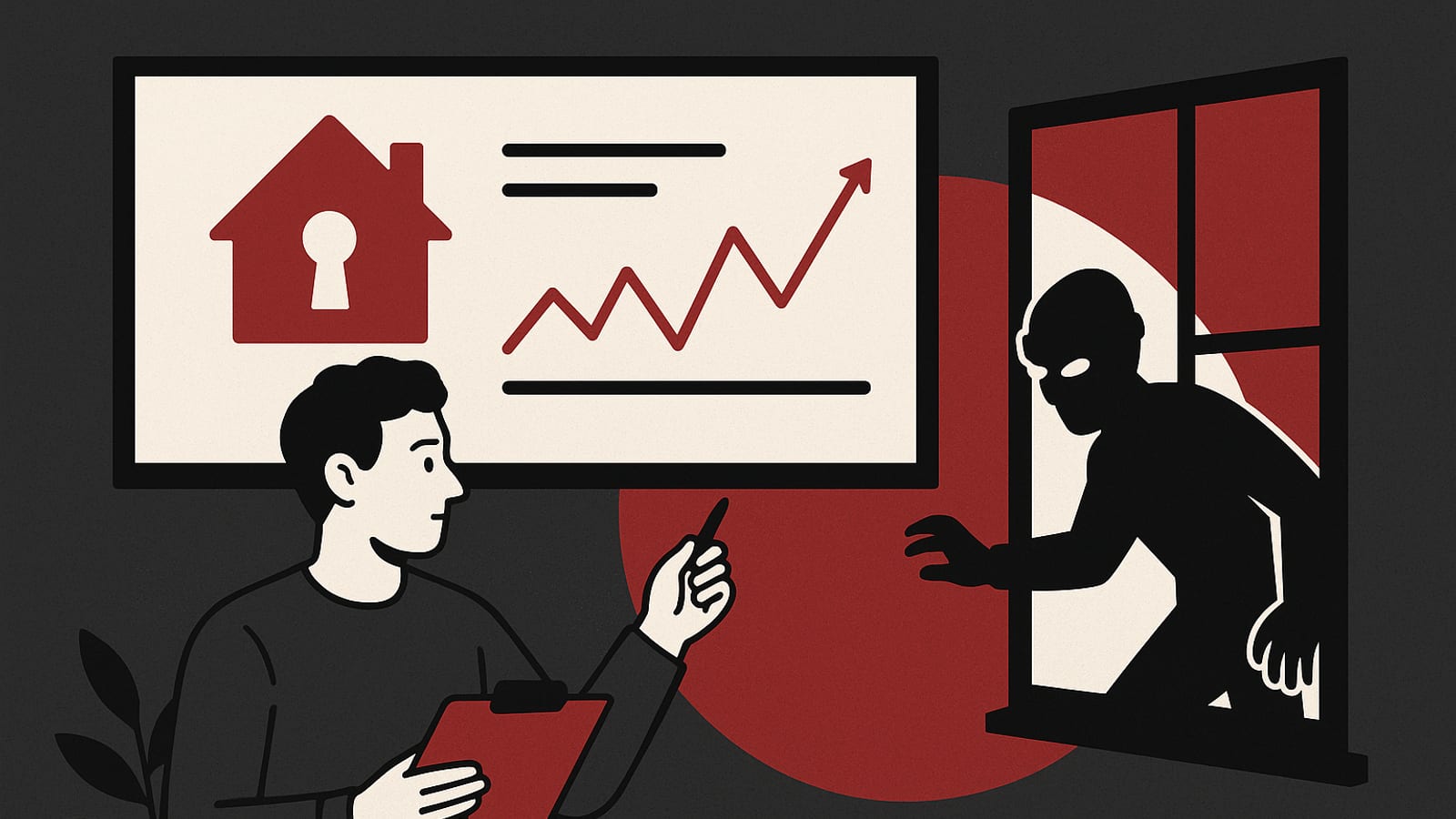
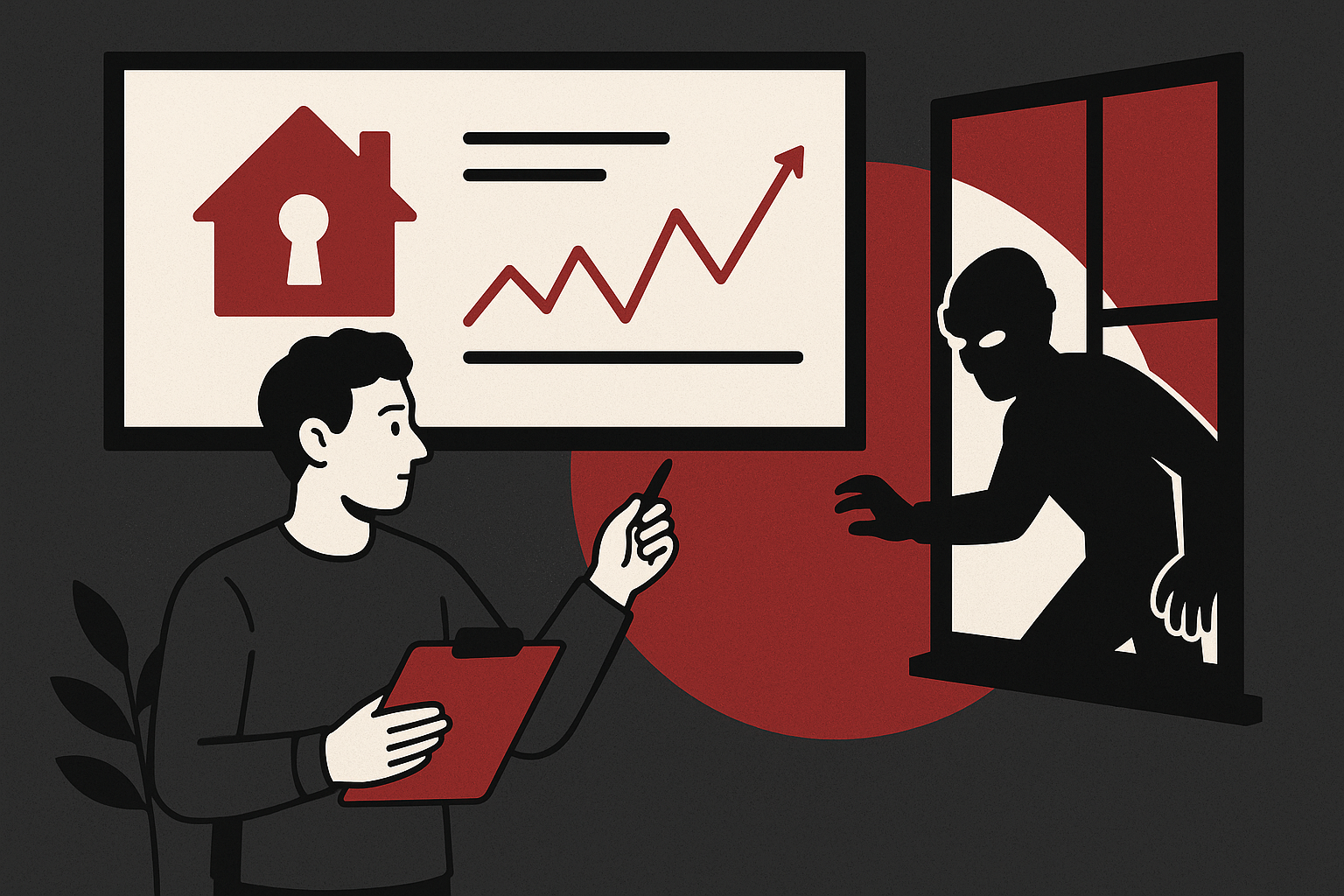
Most break-ins are not sophisticated. They are fast, opportunistic, and aimed at the path of least resistance. The homeowners who get hit are rarely unlucky — they are unprepared. Understanding the data behind forced entry gives you an edge. This guide breaks down current break-in trends and shows you exactly how to close the gaps, starting with door reinforcement and anti-kick-in protection.
Understanding Break-In Trends
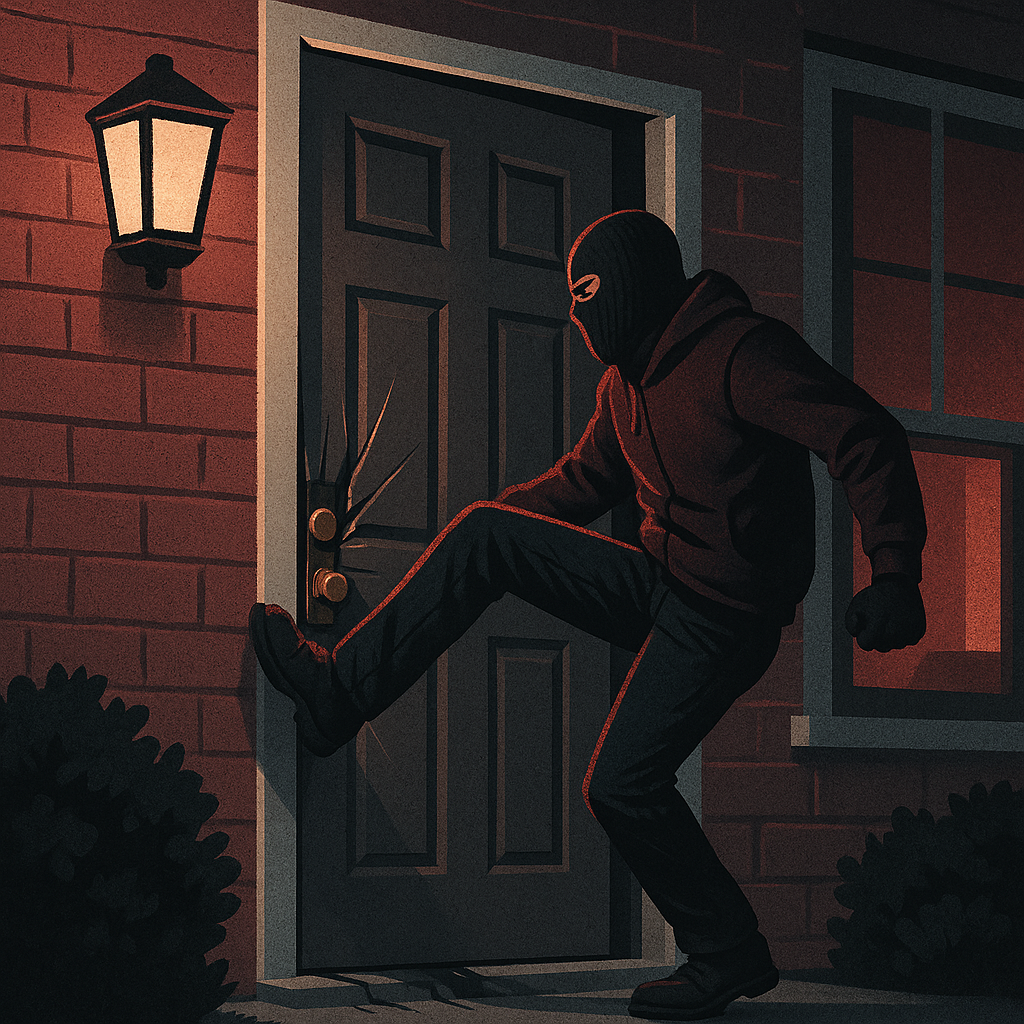
The data is clear: the majority of home invasions involve forced entry, and doors are the primary target. Intruders exploit weak door frames and under-engineered locks. A single kick is often enough. Knowing where the vulnerabilities are — and how methods are shifting — is the first step toward fixing them.
Common Entry Points
Front doors take the most hits, but back doors and sliding glass doors are not far behind. Sliding doors are frequently overlooked and especially vulnerable to lift-and-pry attacks. That blind spot is exactly what an intruder counts on.
Timing and Frequency
Break-ins happen most often during daylight hours when homes sit empty. That pattern matters. It tells you when to schedule home automation routines that simulate occupancy and when your security systems need to be most alert.
Effective Strategies for Home Security
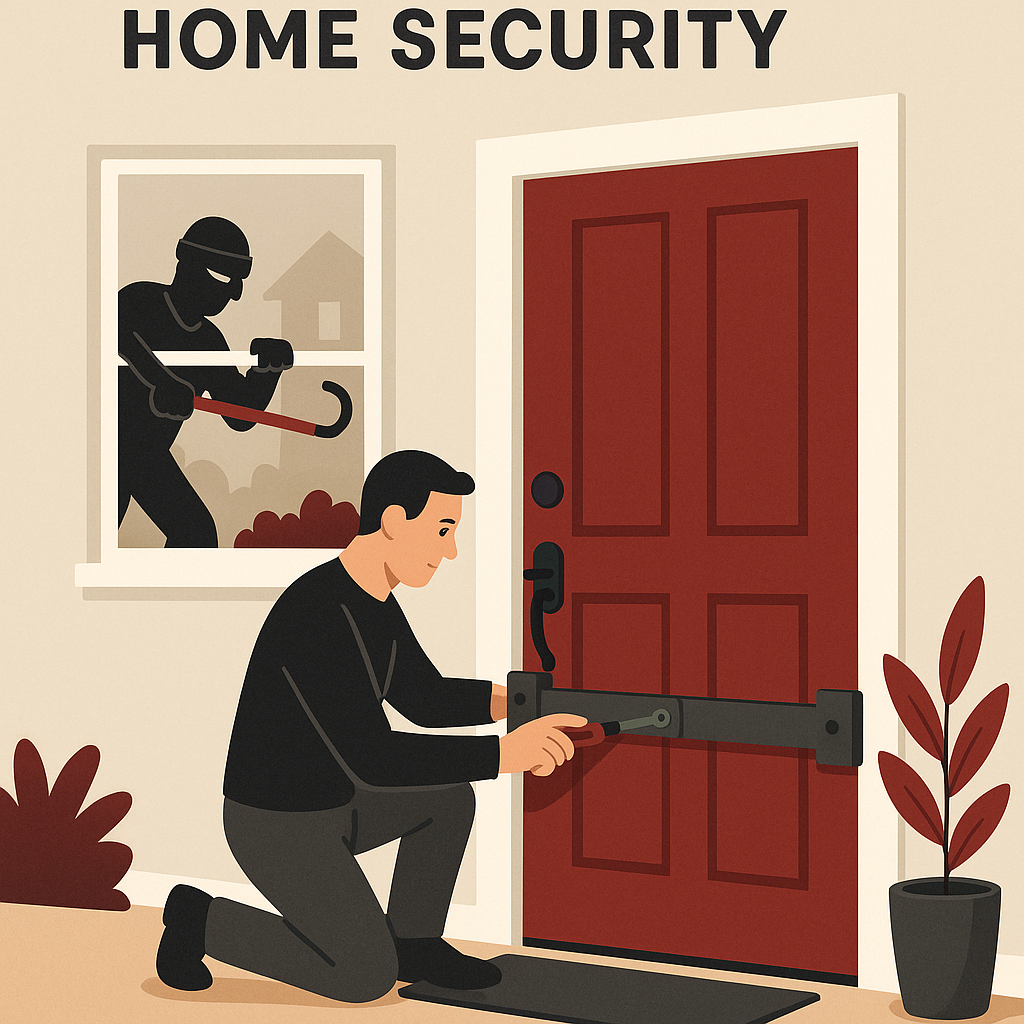
Countering break-in trends requires layers, not a single fix. Here are the strategies that actually move the needle:
Door Reinforcement
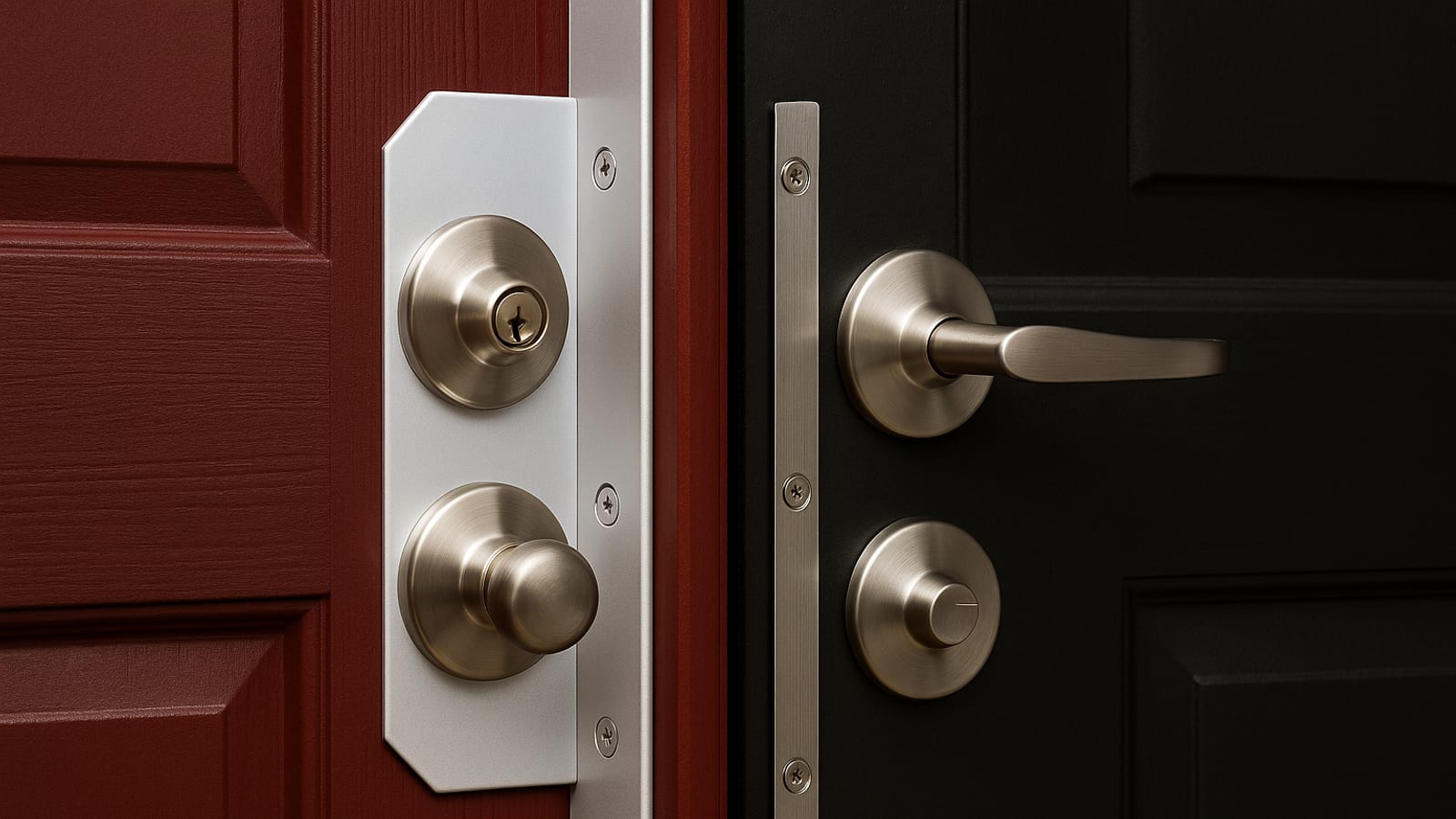
- Install a Single Door Security Kit to fortify standard entry doors. At around $79, it delivers serious protection against kick-ins without a contractor.
- French or double doors need a different solution. The Double Door Security Kit runs about $149 and is built for larger entryways that standard hardware ignores.
- Do not skip sliding doors. A Sliding Glass Door Security kit directly addresses the lift-and-pry vulnerability most homeowners leave wide open.
Window Security
Apply Window Security Film to ground-floor windows. It does not make glass unbreakable, but it raises the time and effort required — and most intruders walk away when a target fights back.
Home Automation and Surveillance
Smart locks and automated lighting create the appearance of occupancy during peak break-in hours. Security cameras add real-time visibility and documented evidence. Together, they make your home a harder, riskier target.
Step-by-Step Implementation Guide
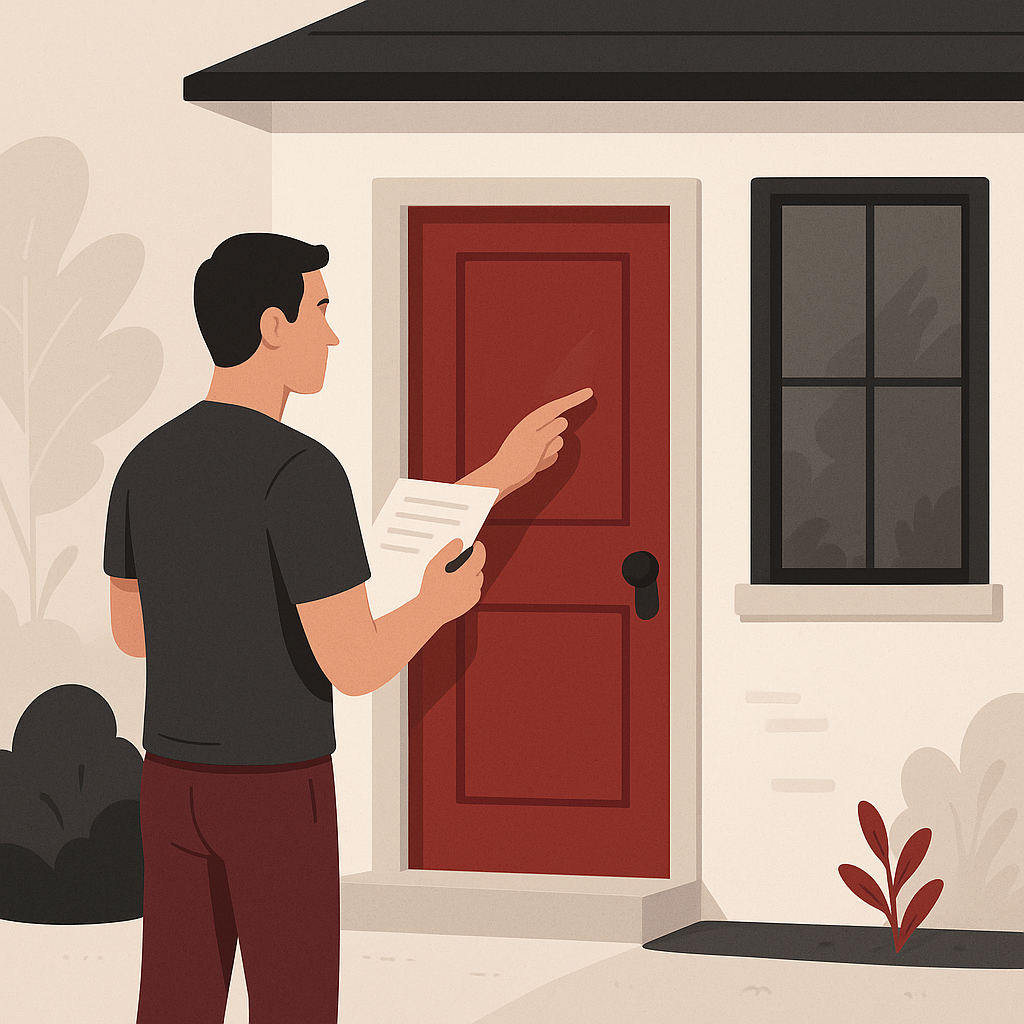
You do not need a professional installer to execute this. Most of it gets done with basic tools and a focused afternoon. Here is the sequence:
- Evaluate Your Entry Points: Walk every door, window, and basement access. Map the weak spots before you spend a dollar.
- Choose the Right Security Kits: Match the kit to the door type. Standard doors get the Single Door Security Kit. Double doors get the double kit. No guessing.
- Install Door Reinforcements: Follow the included instructions. The hardware is designed for straightforward installation with minimal tools and no special expertise.
- Enhance Window Security: Apply window security film to every accessible ground-floor window. It is a low-cost step with a disproportionate deterrent effect.
- Set Up Home Automation: Program lighting and lock schedules. Position cameras to cover all entry points with clean sightlines and no blind spots.
Actionable Next Steps
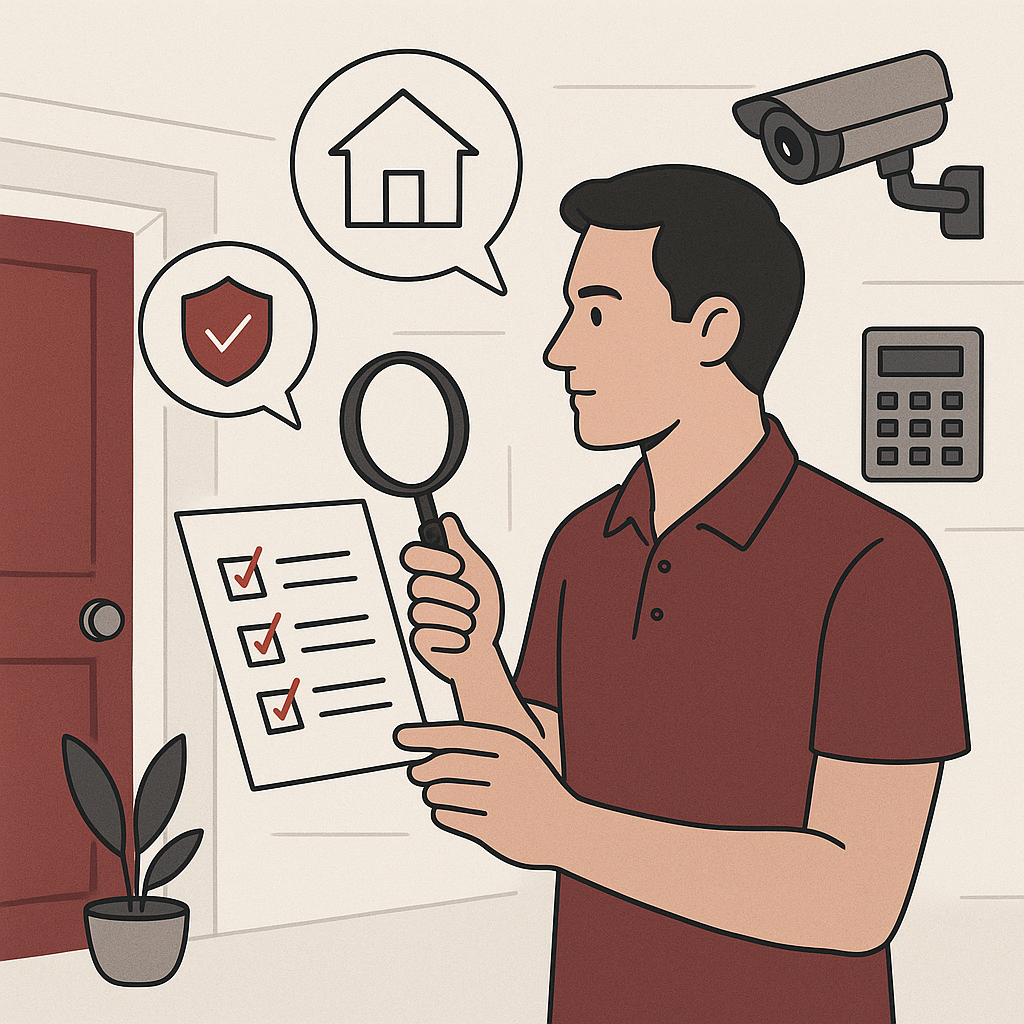
You have the framework. Now execute it:
- Run a Security Audit: Assess what you currently have in place. Identify the gaps honestly. Most homes have more than a few.
- Invest in the Right Products: The recommended security kits and window films are not expensive relative to what they protect. Treat them as infrastructure, not optional extras.
- Stay Current: Security threats evolve. Keep up with the latest developments by visiting DoorArmor’s resources for data-backed guidance.
Taking these steps does not mean living in fear. It means making deliberate decisions that compound over time into a genuinely safer home. The goal is confidence, not anxiety.
Leveraging Neighborhood Crime Data for Enhanced Security
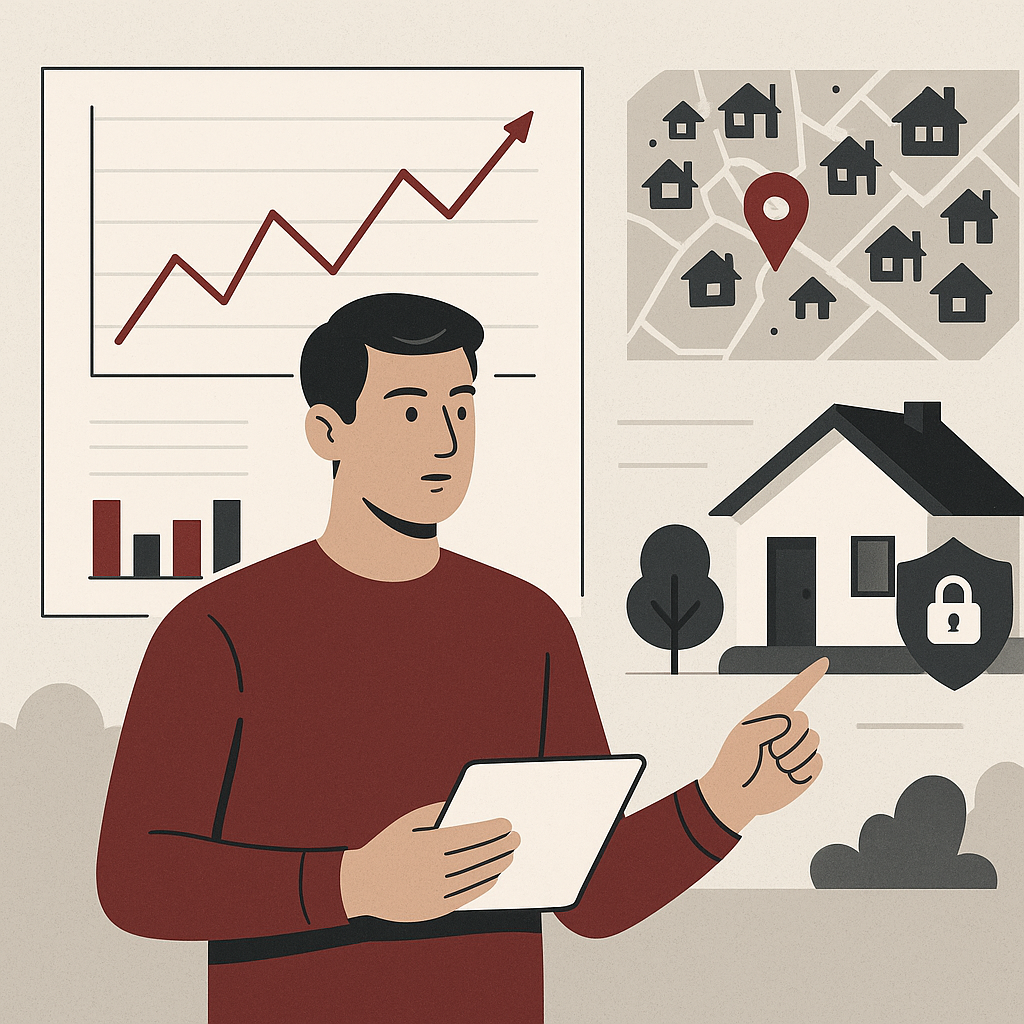
Generic security advice only gets you so far. Local crime data tells you what is actually happening on your block — the types of incidents, the frequency, and the peak windows of risk. That specificity lets you build a targeted defense instead of a generic one.
Accessing Local Crime Reports
- Online Crime Mapping: Platforms like CrimeMapping and local police department websites publish interactive crime maps with current incident data. Use them regularly, not just once.
- Community Alerts: Sign up for neighborhood watch groups and community alert systems. Real-time updates on suspicious activity are more actionable than monthly reports.
- Police Department Resources: Your local department can provide detailed crime breakdowns and neighborhood-specific safety guidance. Most will share it if you ask directly.
Adapting Security Measures Based on Data
Once you have the data, let it drive your decisions:
- High Burglary Rates: Reinforce every entry point — including the secondary doors and windows that typically get ignored.
- Vehicle-Related Crimes: Add cameras with a clear view of your driveway and install motion-activated lighting that eliminates dark cover.
- Vandalism: Strengthen perimeter security with fencing, additional lighting, and visible surveillance. Visibility alone deters a significant share of opportunistic vandalism.
Community Collaboration for Improved Security
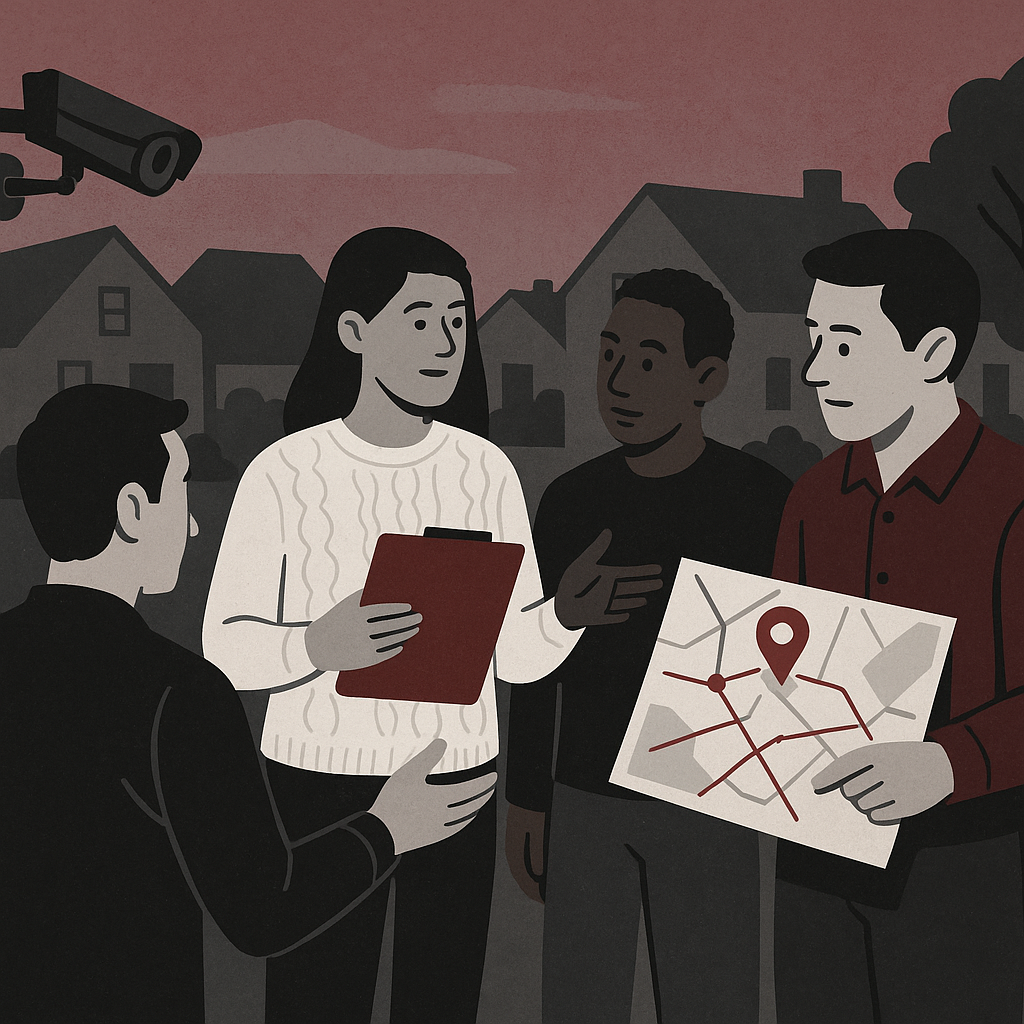
Your individual security measures are stronger when the neighborhood around you is also paying attention. A coordinated block is a harder target than a collection of isolated homes.
Forming or Joining a Neighborhood Watch
- Build a Network: Establish or join a neighborhood watch group. Regular communication — whether through meetings or a shared social media group — keeps everyone informed and aligned.
- Collaborative Patrols: Organize volunteer patrols during peak crime hours. Visible presence deters opportunistic criminals more effectively than hardware alone.
- Community Events: Host security-focused events with local law enforcement. Practical training on crime prevention and emergency response raises the baseline for the entire neighborhood.
Technology-Driven Community Security
Technology scales what individuals cannot do alone:
- Shared Surveillance Systems: Community-funded cameras covering neighborhood entrances, exits, parks, and common areas create a surveillance perimeter that benefits everyone.
- Communication Apps: Apps like WhatsApp or Nextdoor let residents flag suspicious activity in real time. Speed of information matters when something is developing.
- Smart Alerts: A shared alert system means incidents get reported and responded to faster. Awareness compounds across the whole block, not just one household.
Measuring the Effectiveness of Your Security Measures
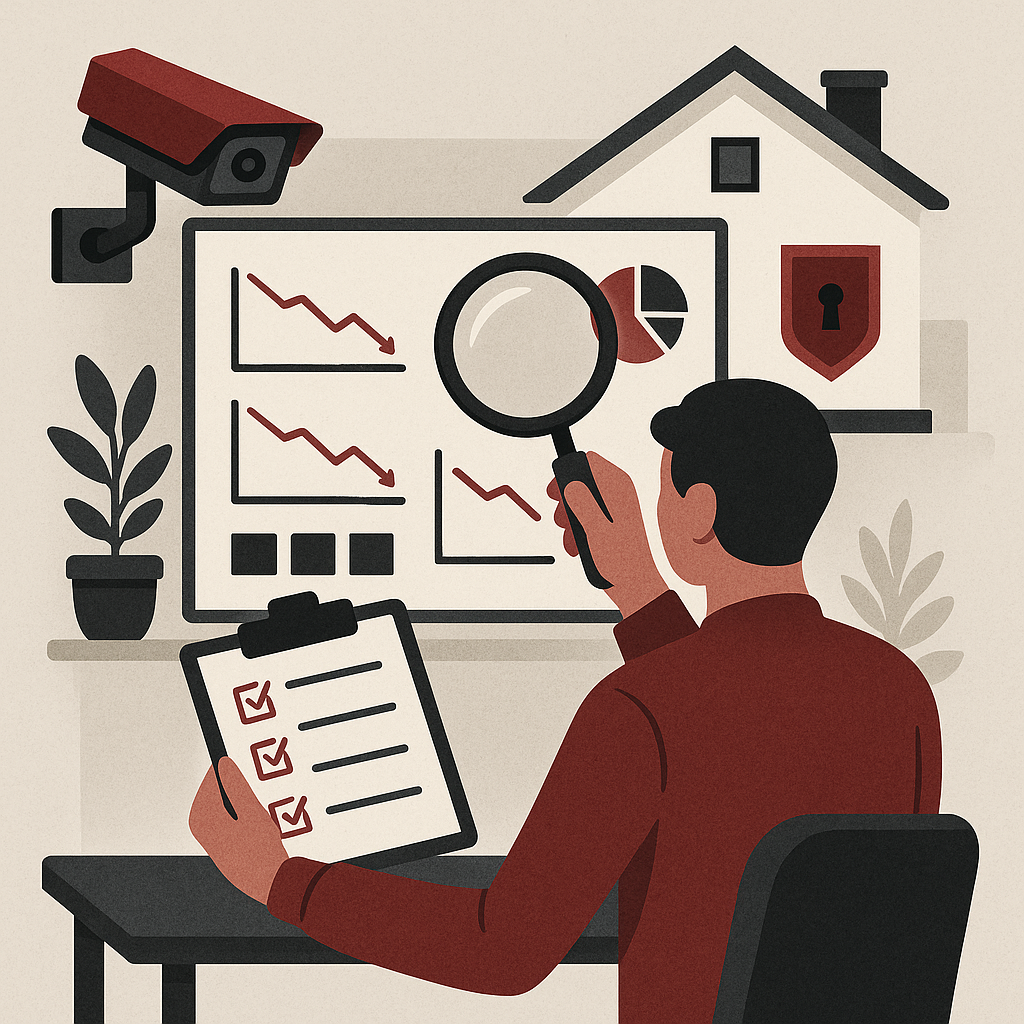
Installing security measures is not the finish line. You need to know whether they are working. That requires tracking the right indicators and reviewing them on a consistent schedule.
Key Performance Indicators for Home Security
- Incident Reduction: Compare the number of security incidents or attempted break-ins before and after your upgrades. The trend line tells you whether your investments are paying off.
- Response Time: Track how quickly you and your systems respond to alerts. Faster response reduces damage and increases deterrence. Improve it deliberately.
- Community Feedback: Ask neighbors whether they feel safer and where they still see gaps. Ground-level perception often surfaces blind spots that data misses.
Regular Security Audits
Build a review cadence and stick to it:
- Quarterly Reviews: Schedule quarterly checks of all security systems. Replace outdated technology and update procedures before vulnerabilities become incidents.
- Professional Assessments: Bring in a security professional periodically for an objective evaluation. Fresh eyes catch what familiarity hides.
- Scenario Testing: Run drills. Confirm that every device and protocol performs as expected under pressure, not just under ideal conditions.
Security that gets measured gets improved. Continuously evaluate, adapt based on data, and build on what works. That is how you create a home environment that stays ahead of the threat.
The Role of Landscaping in Home Security
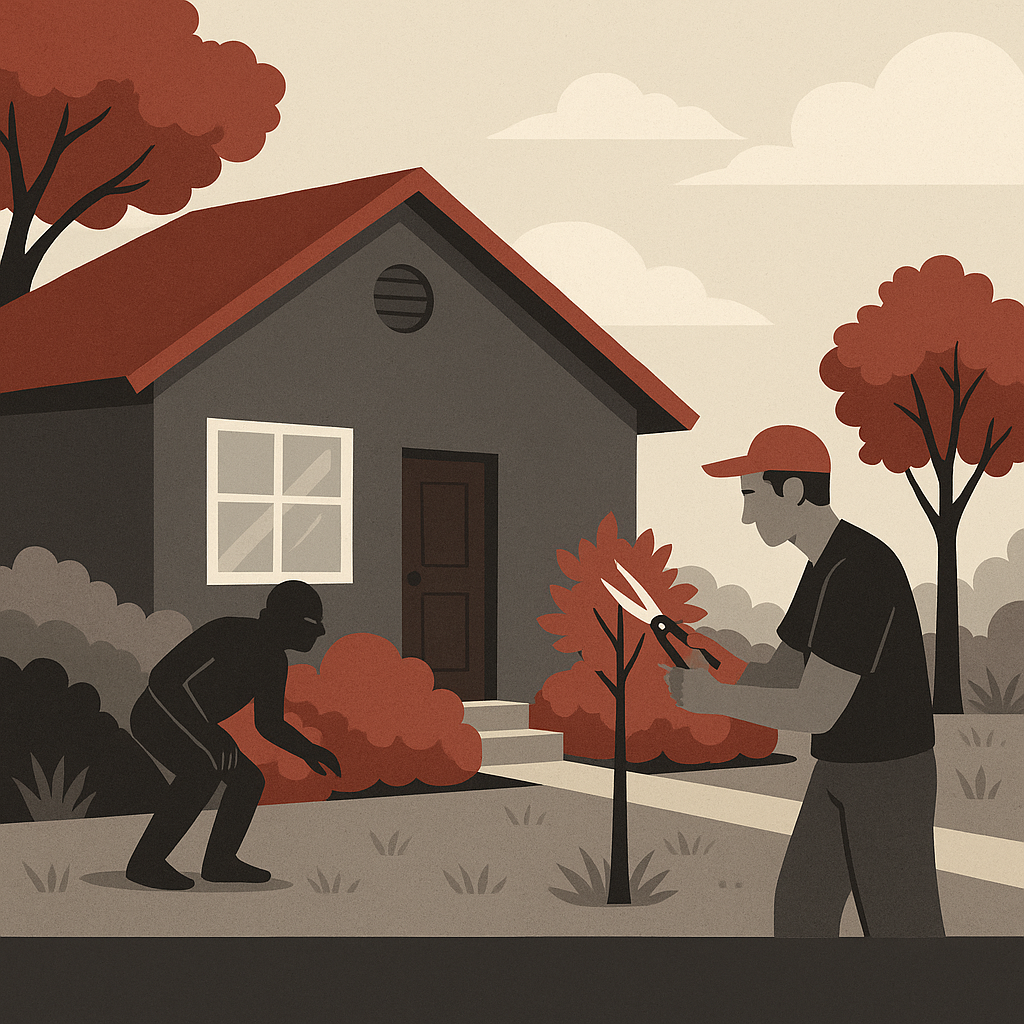
Your yard is part of your security system whether you treat it that way or not. Overgrown landscaping creates cover. Trimmed, well-lit grounds eliminate it. Here is how to make your landscaping work for you:
- Trim Shrubs and Trees: Keep everything cut back so there are no concealed positions near doors or windows. Make sure tree branches do not provide access to upper floors or block sightlines from the street.
- Use Defensive Planting: Thorny bushes and dense hedges planted under windows or along fences create a natural deterrent. Intruders avoid discomfort when easier targets exist nearby.
- Strategic Lighting: Integrate outdoor lighting directly into your landscaping layout. Illuminate every pathway and entry point so that undetected movement becomes nearly impossible after dark.
Disclosure: this article may contain affiliate links. If you buy through them, we may earn a small commission at no extra cost to you.
Leave a Reply