
The Role of Police-Recommended Products in Home Security
Most homeowners think about security after something goes wrong. That is the wrong order. Burglars do not announce themselves, and their tactics keep evolving. The operators who protect their homes effectively do one thing differently: they take advice from the people who study break-ins for a living. Law enforcement agencies test and endorse specific products because the data tells them what actually stops intruders. This guide breaks down exactly what those products are, why they work, and how you install them yourself.
Understanding Police-Recommended Security Products
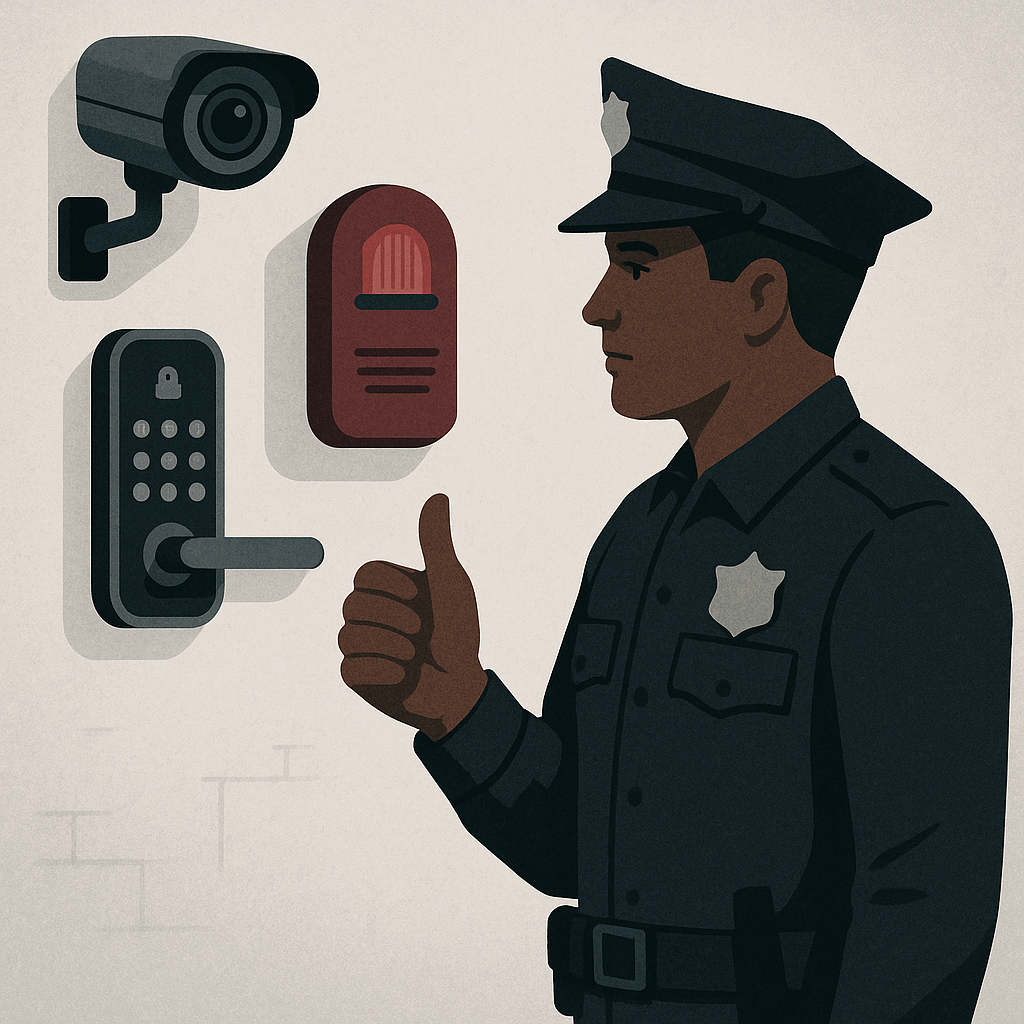
Police-recommended security products are not marketing labels. They are tools that law enforcement agencies have field-tested against real criminal behavior. Most break-ins exploit the same weaknesses: flimsy door frames, shallow strike plates, and single-pane windows. These products target those exact vulnerabilities and close them fast.
A good example is the Single Door Security Kit. Law enforcement regularly points homeowners toward kits like this because they address the frame, the hinge, and the jamb simultaneously. One kit. Multiple failure points eliminated.
How to Stop Door Being Kicked In
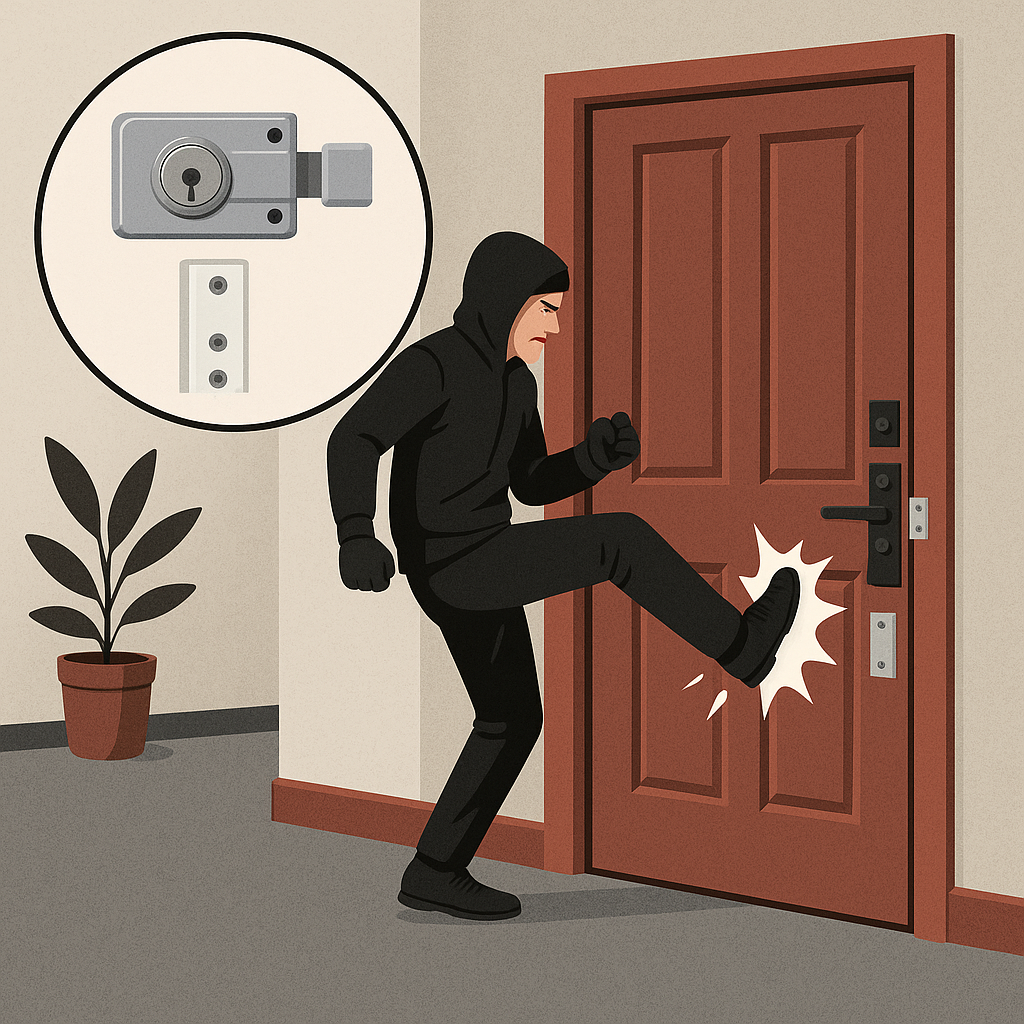
Kicking in a door is the most common forced-entry method. It works because most residential doors are only as strong as their weakest component — and that component is almost always the frame. Here is how you fix it:
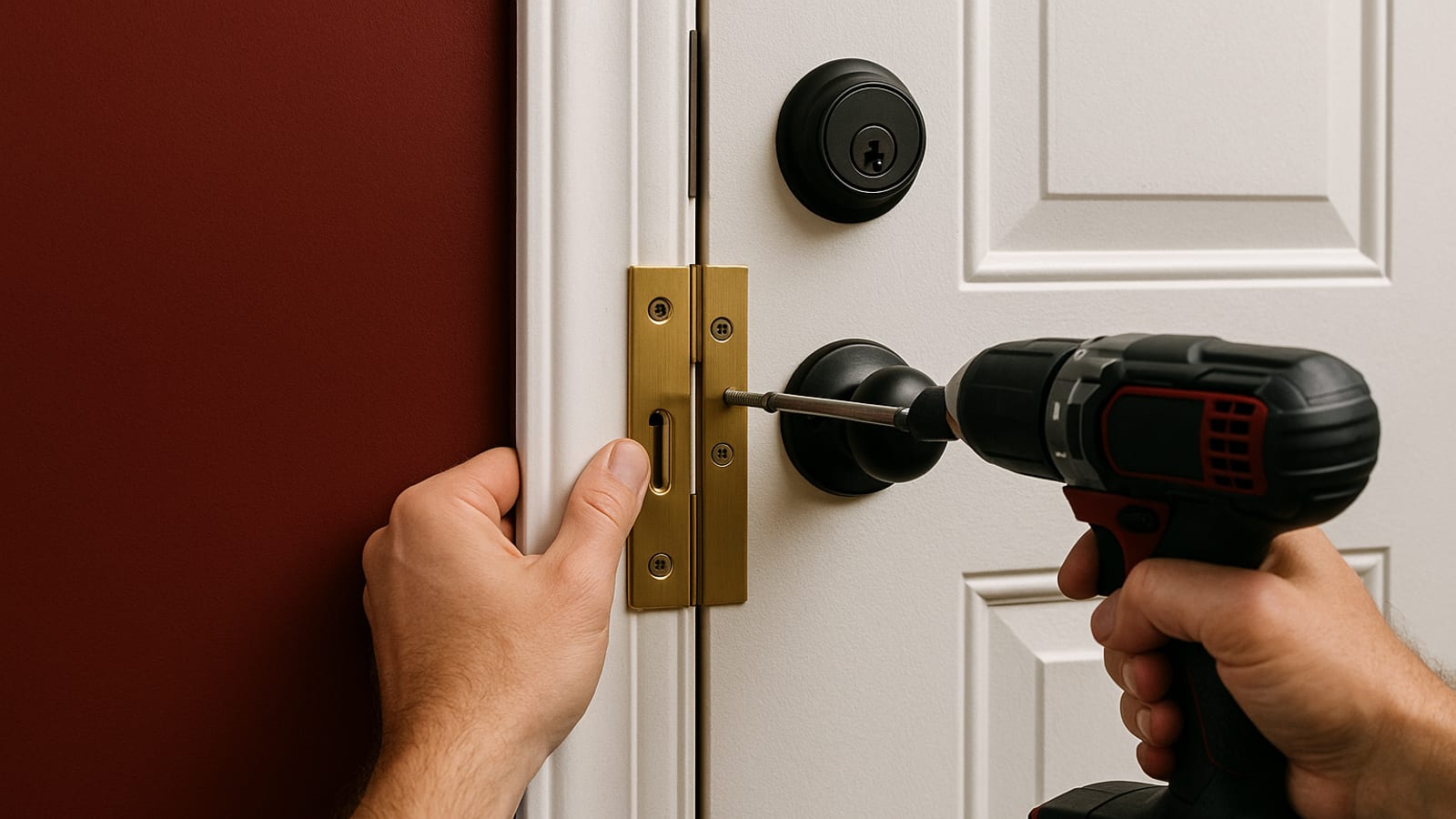
- Install a Reinforcement Kit: The Single Door Security Kit fortifies the frame, jamb, and hinges together. A single kick no longer splits the wood because the load is distributed across hardened steel.
- Upgrade to Longer Screws: Swap the factory screws in your hinges and strike plates for 3-inch screws. They anchor into the structural stud behind the frame, not just the trim.
- Add a Quality Deadbolt: Your deadbolt bolt should extend at least one inch into the door frame. Anything shorter is a suggestion, not a barrier.
None of these steps require a contractor. You can complete all three in an afternoon. The result is a door that behaves like a serious obstacle instead of a prop.
Police-Recommended Door Reinforcement Kits
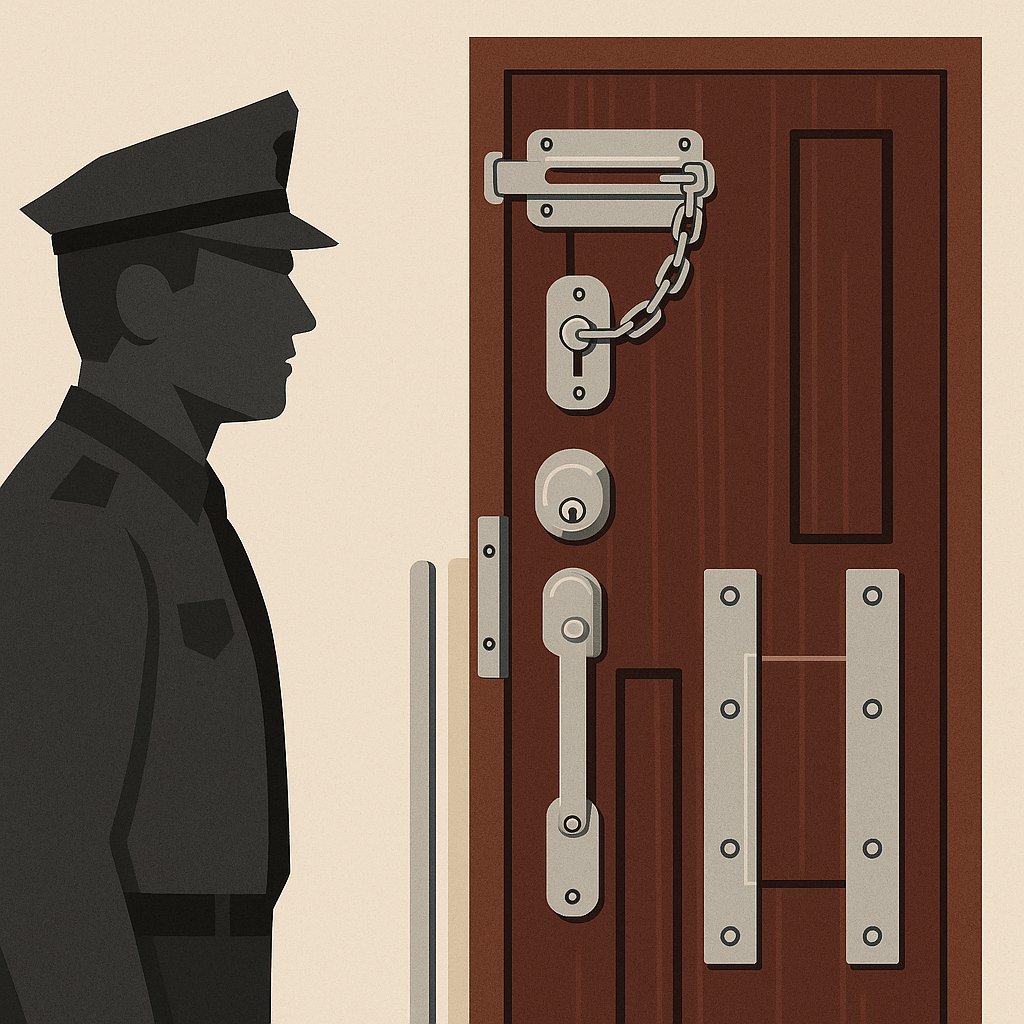
Door reinforcement kits are the foundation of any serious home security setup. They are built for different door configurations, so match the kit to your entry point:
- Standard Doors: The Single Door Security Kit covers your standard front or back door. At around $79, it is one of the highest-return security investments you can make.
- Double Doors: French doors and double entry doors need the Double Door Security Kit. Priced around $149, it delivers the same hardened protection across both panels.
- Doors with Side Panels: Glass side panels are a common vulnerability. The Side Light Door Security Kit addresses that specific configuration for about $129.
Every kit includes strike plate reinforcements, hinge shields, and door edge guards. They work as a system. That is the point — no single component left exposed.
Enhancing Window Security
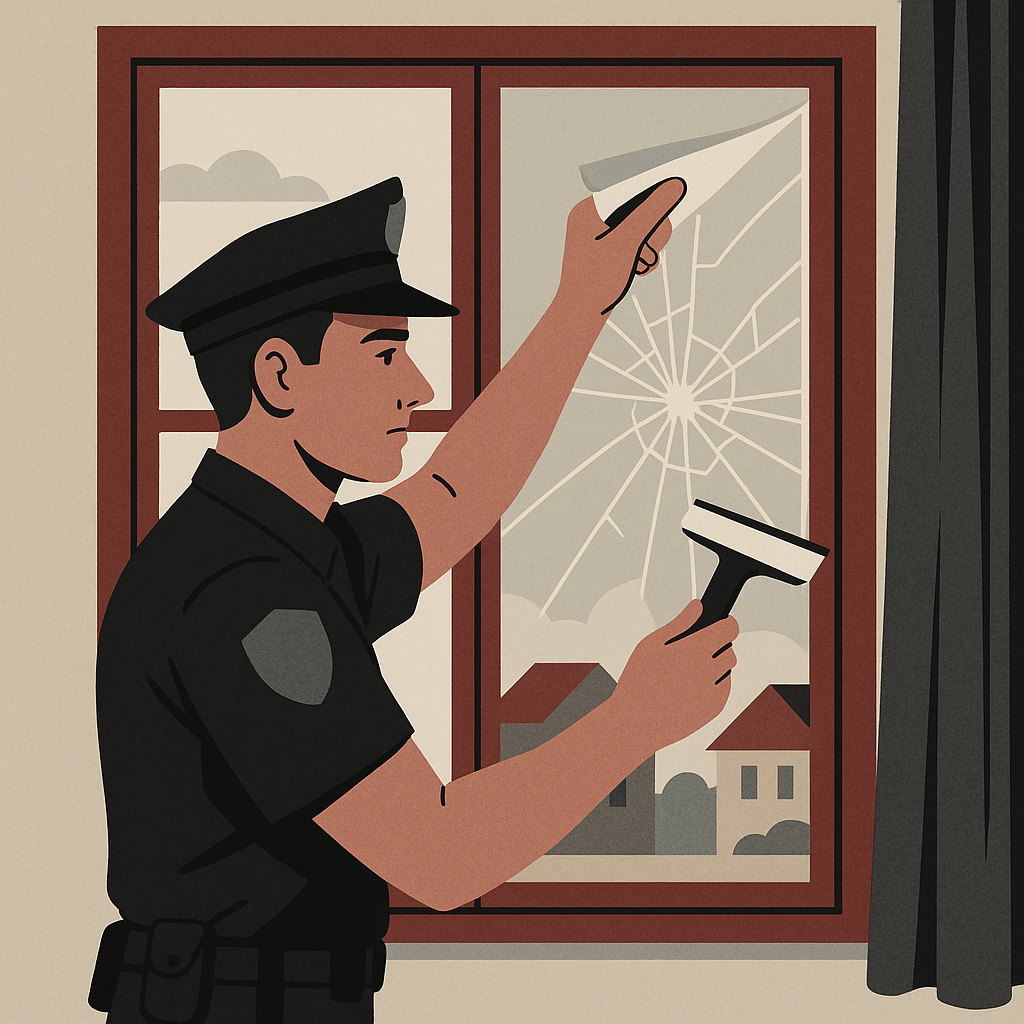
Doors get most of the attention. Windows are where the overlooked risk lives. A broken pane is a fast entry point if there is nothing holding the glass together. Police frequently recommend security film for exactly this reason:
- Security Film: Window Security Film bonds to the glass and holds shattered pieces in place. An intruder expecting a quick smash-and-enter now faces a slow, noisy problem instead.
Security film applies directly to your existing windows. No replacement. No contractor. It is a cost-effective layer that most homeowners skip — which is exactly why it matters.
Step-by-Step Guide to Implementing Police-Recommended Security Measures
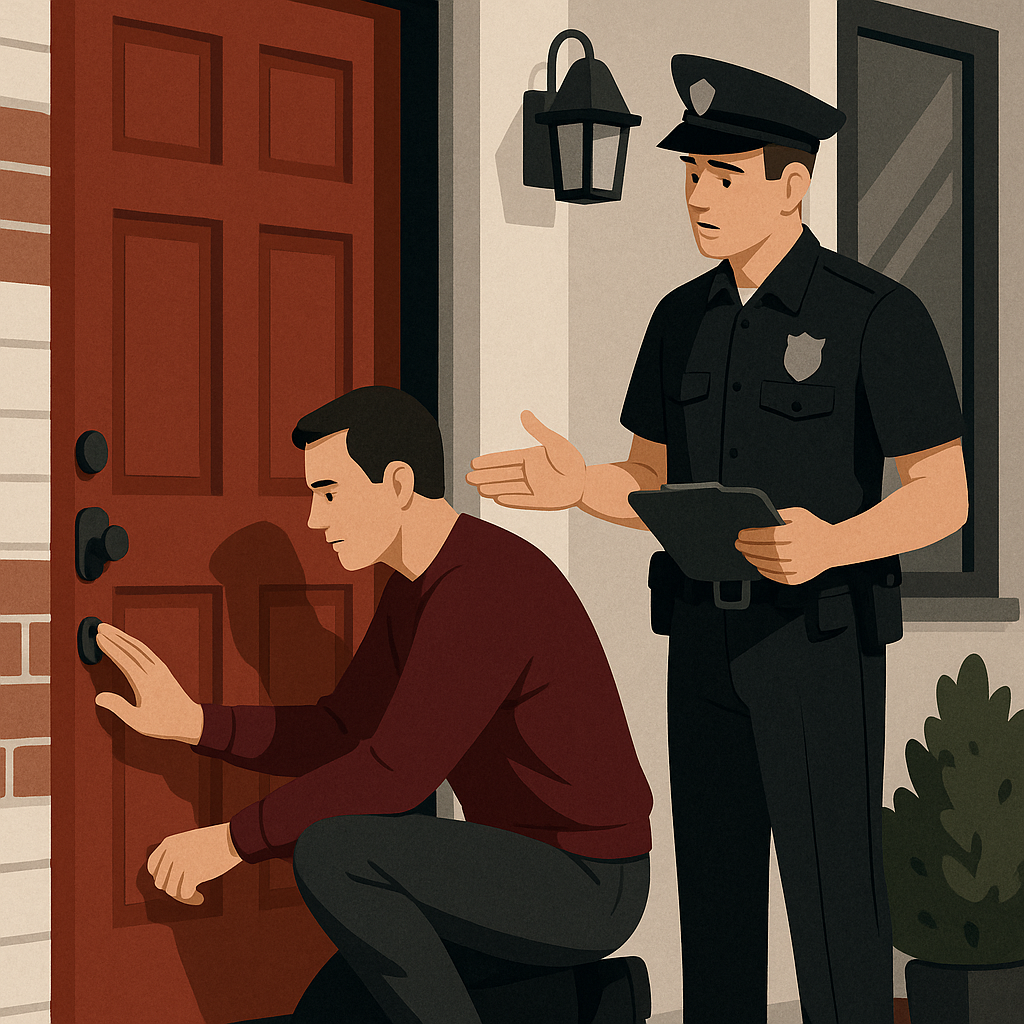
You do not need a security consultant. You need a clear sequence and the right products. Here is the blueprint:
- Audit Your Entry Points: Walk every exterior door and window. Look for weak frames, shallow strike plates, and single-layer glass. Write it down.
- Match Products to Vulnerabilities: Choose reinforcement kits and security film based on what your audit revealed. Do not buy generic — buy specific.
- Install Everything Yourself: Follow the manufacturer instructions. Most kits are designed for DIY installation. If a step feels uncertain, hire a handyman for that piece only.
- Check Your Work Regularly: Security installations loosen over time. Inspect them annually and after any renovation or significant weather event.
That is the full system. Audit, select, install, maintain. Repeat it and your home becomes a consistently harder target.
Conclusion: Taking Action for a Safer Home
Police-recommended security products work because they are built around how break-ins actually happen. Start with the Single Door Security Kit on your primary entry points. Layer in window security film and a double door kit where your configuration demands it. Build in silence, and let a hardened home do the talking. For the full product range, visit Door Armor’s door security solutions. The right choices made now are the ones you never have to think about again.
Advanced Security Measures for Comprehensive Home Protection
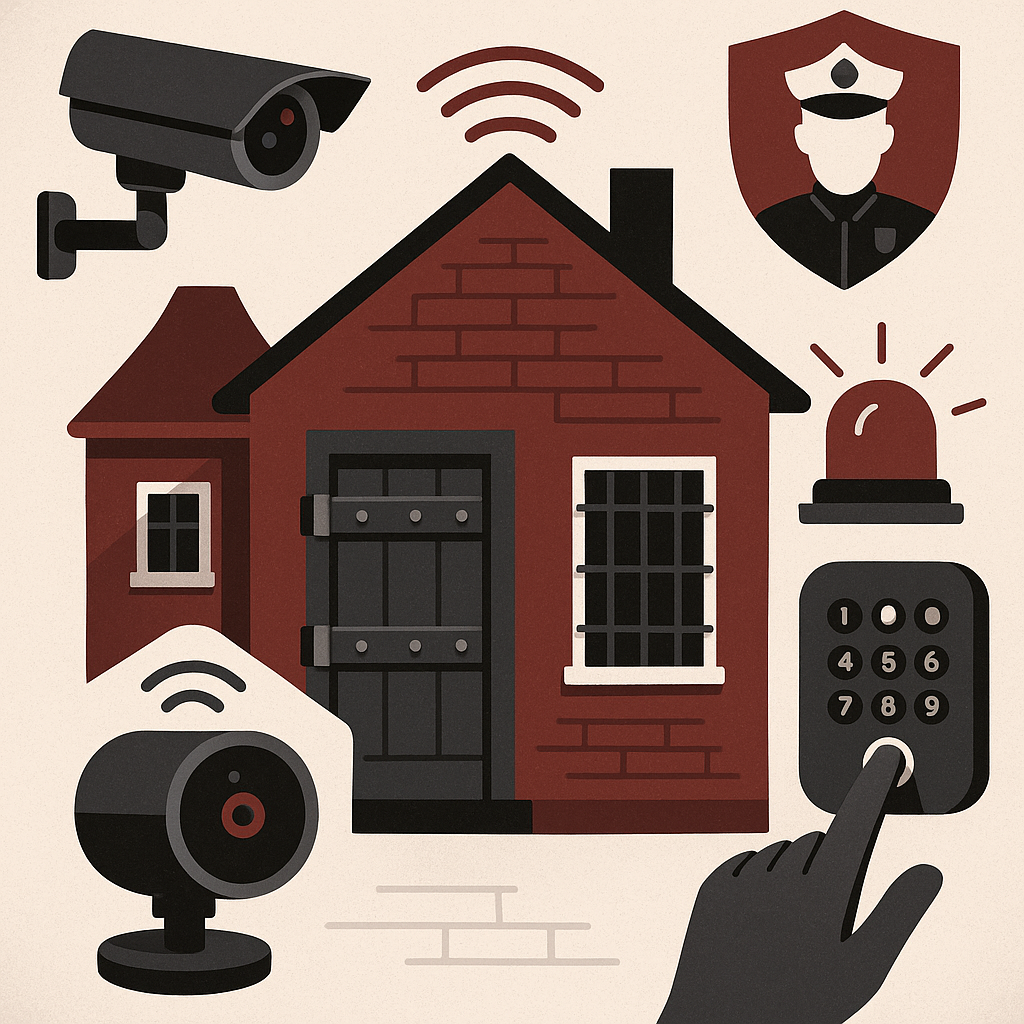
Physical reinforcement is your baseline. Once that is solid, you layer in systems that address more sophisticated threats. Here is what law enforcement endorses beyond the hardware:
Smart Security Systems
Technology closes the gaps that physical products cannot cover on their own. A well-configured smart system gives you visibility and response speed:
- Smart Cameras: Motion-detecting cameras with real-time smartphone alerts let you monitor your property from anywhere. Visibility alone changes criminal behavior.
- Alarm Systems: A system with door, window, and interior motion sensors creates multiple tripwires. Any breach triggers an alert before an intruder gets comfortable.
- Smart Locks: Keyless entry controlled from your phone eliminates the lost-key problem entirely. Lock or unlock remotely, and know exactly who has access.
Outdoor Lighting and Landscaping
Darkness and cover are an intruder’s two best tools. Remove both:
- Motion-Activated Lights: Position them around every perimeter entry point. A sudden flood of light is a powerful deterrent — it signals that the property is watched.
- Trim Shrubs and Trees: Overgrown landscaping creates hiding spots. Keep entry points visible from the street. Exposure is protection.
Neighborhood Watch Programs
Your neighbors are an asset most homeowners ignore. A coordinated watch program multiplies the eyes on your street:
- Increased Vigilance: More people watching means suspicious behavior gets flagged and reported faster. Speed of response matters.
- Community Engagement: Neighbors who know each other look out for each other. That informal network is one of the most effective crime deterrents available.
Checklist for Comprehensive Home Security
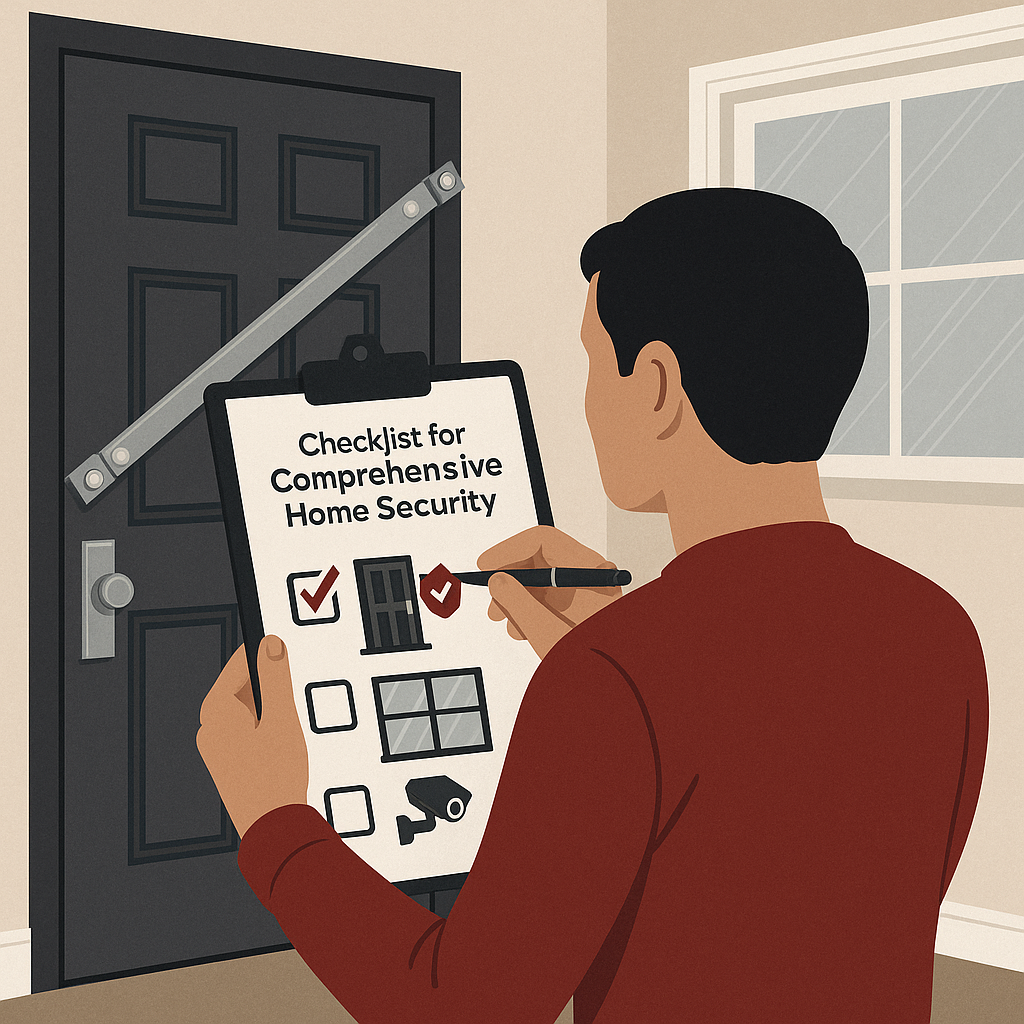
Run through this before you consider your home secured:
- Reinforce all exterior doors with security kits and 3-inch screws.
- Apply window security film to prevent fast glass entry.
- Deploy a smart security system with cameras, alarms, and smart locks.
- Install motion-activated outdoor lighting at every perimeter entry point.
- Keep landscaping trimmed so entry points stay visible from the street.
- Connect with your local neighborhood watch program.
FAQs on Police-Recommended Home Security Products
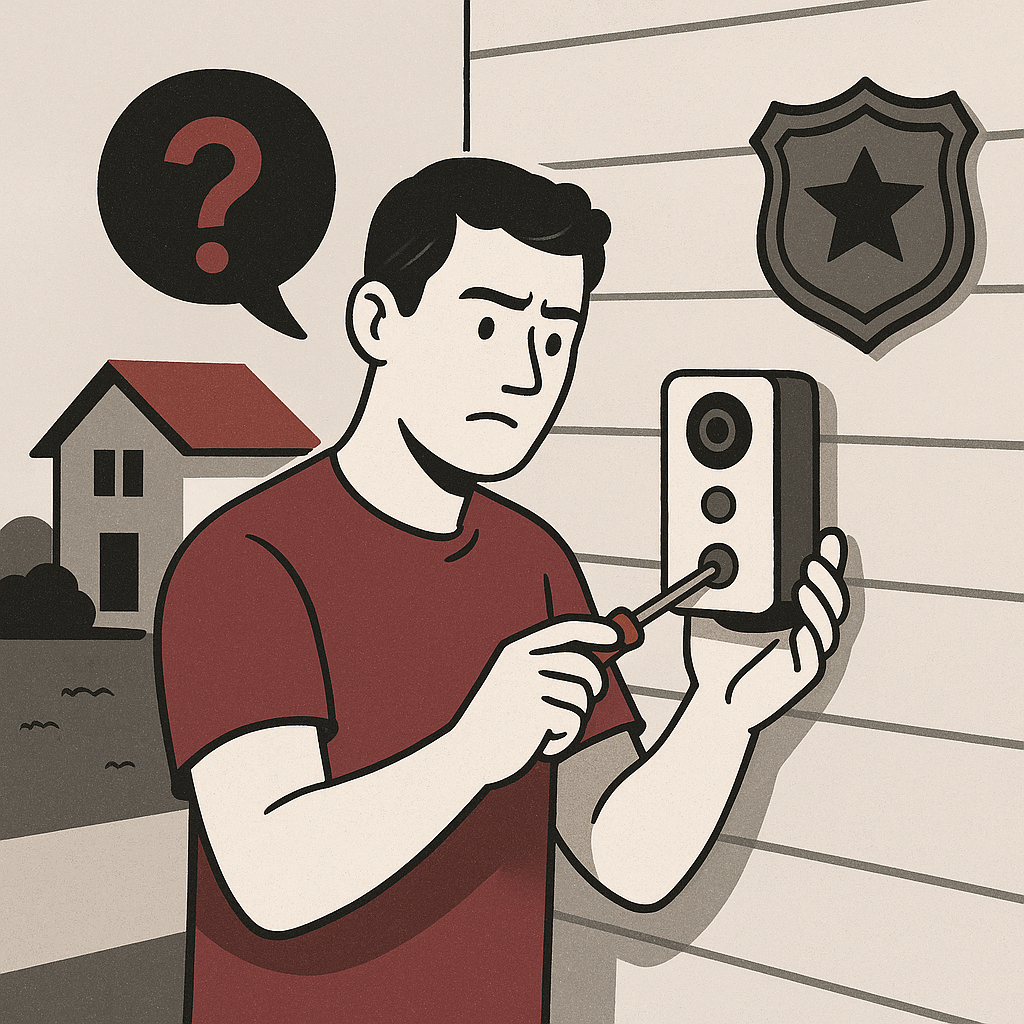
Are smart home security systems difficult to install?
Most are built for DIY installation. Manufacturers include detailed instructions, and the process is straightforward for the majority of systems. If you want every component professionally calibrated, installation services are available — but most homeowners handle it without help.
Do security films affect the appearance of windows?
No. Quality security films are clear and do not alter how your windows look from inside or outside. You get the protection without any visible trade-off. That is why they are a practical choice for any home.
How often should I review my home security measures?
At minimum, once a year. Also review after any renovation, after a neighbor reports a break-in nearby, or after significant weather that could have shifted or damaged hardware. Security is not a one-time installation — it is a system you maintain.
Disclosure: this article may contain affiliate links. If you buy through them, we may earn a small commission at no extra cost to you.

Leave a Reply