
Summer Break-In Awareness: Strengthening Your Door Security
Summer travel season is here. Your home sits empty. And a standard door is one solid kick away from being someone else’s problem. This guide gives you the exact steps to reinforce your entry points before you leave — so you come back to the same house you left.
Understanding the Vulnerability of Doors
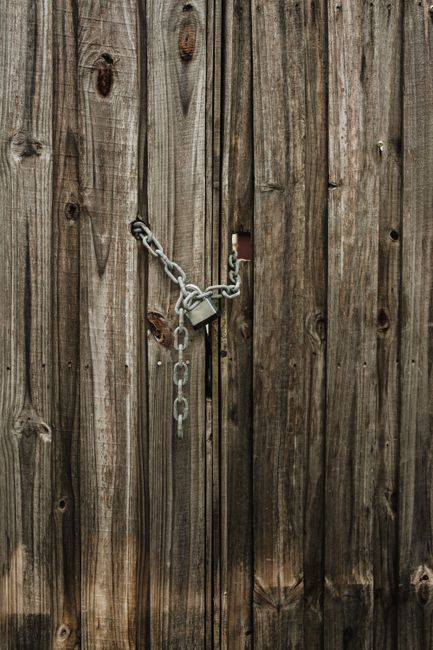
Most burglars do not pick locks. They kick doors. A hollow-core door with a builder-grade strike plate will fail in seconds under direct force. That is not a scare tactic — it is physics. Understanding where your door actually fails is the foundation of real summer break-in prevention.
Step-by-Step Guide to Reinforce Your Doors
1. Install a Door Reinforcement Kit
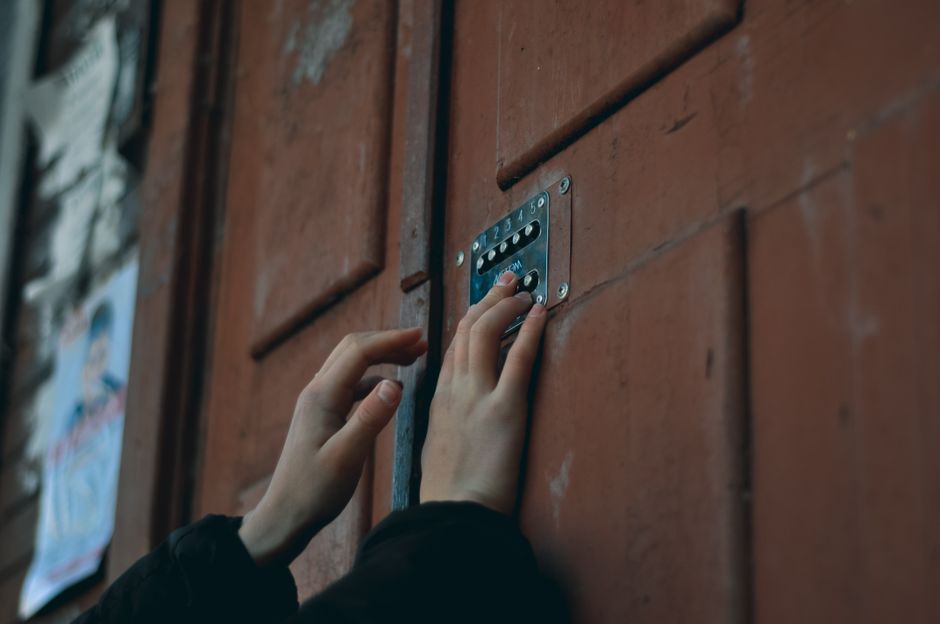
A door reinforcement kit is the single highest-ROI upgrade you can make. Most kits include a jamb reinforcement plate, hinge shields, and a door wrap around the lock area. Here is how to install one:
- Step 1: Remove the existing strike plate and hinges.
- Step 2: Align and attach the reinforcement plates over the door jamb and hinges using the screws provided.
- Step 3: Install the door wrap around the lock area to prevent splitting under impact.
Most kits run $50 to $100. You need a screwdriver and a drill. That is it.
2. Upgrade to a Solid Core Door
If your door is hollow, you do not have a door — you have a suggestion. Solid core doors are denser and resist forced entry far better. Budget $150 to $300 for a quality replacement. It is a one-time fix that holds for decades.
3. Install Anti-Kick Devices
Anti-kick door security devices absorb impact at the base of the door, preventing the frame from splitting on the first blow. They are adjustable, easy to install, and cost $20 to $50. There is no reason not to have one.
Advanced Security Measures
1. Smart Locks
Smart locks let you lock and unlock your doors remotely from a smartphone app. Some integrate with full home automation systems. August and Schlage both offer solid options starting around $150. You get remote control and a full access log — you know exactly who came and went.
2. Security Cameras
Cameras at entry points do two things: deter and document. Prioritize models with mobile alerts and night vision. A reliable setup costs $200 to $500 depending on coverage and features. Visible cameras alone reduce opportunistic attempts significantly.
Implementing Home Invasion Prevention Strategies
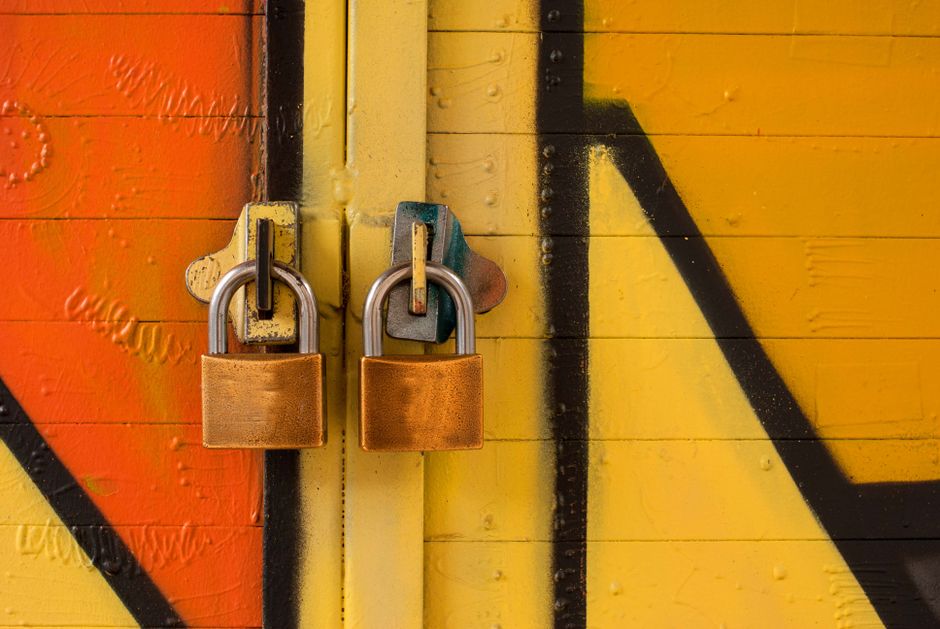
Door reinforcement is your first line. These measures build the second and third:
- Lighting: Motion sensor lights at entry points eliminate the cover of darkness that opportunistic intruders depend on.
- Neighborhood Watch: A connected block is a watched block. Neighbors who communicate are a force multiplier for your security.
- Alarm Systems: A monitored alarm system that alerts both you and local authorities closes the gap between detection and response.
Stack these layers. Each one raises the cost of entry for anyone targeting your home.
Conclusion: Take Action Now
Summer should mean freedom, not anxiety. Run through these upgrades before you leave. Reinforce the doors, install the right hardware, and build the community layer around it. For more on home security and related topics, visit the ArcanoLabs blog.
Do not wait for an incident to motivate you. The work you do now is what protects you while you are gone. Quiet preparation. Real results.
ArcanoLabs covers the intersection of technology and practical security — explore the resources there for deeper guidance on protecting what you have built.
Understanding Door Hardware: Locks, Hinges, and More
The door itself is only part of the equation. The hardware holding it in place is where most installations fall short. Here is what actually matters:
High-Security Deadbolts
Standard locks get picked and bumped. High-security deadbolts are engineered to resist both. Look for these specific features:
- Anti-drill plates: Blocks drilling through the lock cylinder.
- Pick-resistant pins: Raises the skill threshold required to defeat the lock.
- Reinforced strike plates: Keeps the deadbolt engaged even under sustained force.
Medeco and Mul-T-Lock are the benchmarks here. Expect to invest from $100 upward. It is worth every dollar.
Reinforced Hinges
Hinges are a quiet vulnerability. Replace short screws with 3-inch screws that reach the structural framing behind the jamb. Add hinge bolts as a secondary measure — they prevent the door from being lifted off even if the hinge pins are compromised.
Door Chains and Viewers
Old-fashioned, yes. Still effective. A door chain and wide-angle viewer let you verify who is outside before you commit to opening. Modern versions offer stronger chain ratings and wider fields of view. Control who enters. That is the point.
Checklist for Assessing Door Security
Run this checklist before every extended absence:
- Inspect the door material. Solid core or hollow?
- Check locks and deadbolts. Are they high-security rated?
- Examine hinges. Long screws reaching the framing?
- Inspect strike plates. Reinforced and properly anchored?
- Confirm anti-kick devices and smart locks are installed and functional.
- Check the door frame for cracks, rot, or structural weakness.
Run this annually at minimum. Run it before every trip. Small gaps compound into real exposure over time.
Case Study: Successful Door Security Implementation
The Johnson family learned this the hard way. An attempted break-in last summer was the wake-up call. Here is exactly what they changed afterward:
- Replaced hollow doors: Solid core replacements throughout — forced entry became a non-starter.
- Installed high-security locks: A combination of smart locks and high-security deadbolts gave them both remote control and physical resistance.
- Added a camera system: Cameras at every entry point with real-time mobile alerts meant nothing happened without them knowing.
- Joined a neighborhood watch: Community visibility added a layer no hardware can replicate.
No further attempts. Full peace of mind. The system worked because every layer was intentional. That is what a comprehensive security strategy actually looks like in practice.
Frequently Asked Questions (FAQs)
What is the most important factor in door security?
Structural integrity at every weak point — the lock, the hinges, and the frame. A solid core door paired with a high-security deadbolt and properly installed reinforcement hardware is the non-negotiable baseline. Everything else builds on top of that foundation.
How often should door security be reviewed?
At minimum, once a year. Also review it after any security incident or attempted breach. Components wear, screws loosen, and technology evolves. Regular checks keep every layer performing at full strength.
Are smart locks truly secure?
Yes — when installed correctly and maintained properly. Stick with reputable brands, keep firmware updated, and treat them as one layer in a multi-layer system. Remote access control and access logging are genuine advantages over traditional locks.
Key Performance Indicators (KPIs) for Home Security
You cannot improve what you do not measure. Track these to know whether your security is actually working:
- Number of attempted break-ins: A downward trend confirms your deterrents are working.
- Response time to alerts: How fast do you or your monitoring service act on a triggered alert?
- Community engagement level: Active neighborhood watch participation multiplies your coverage without added cost.
- System maintenance frequency: Regular maintenance keeps every component performing as designed.
Review these metrics periodically. Security is not a one-time install — it is an ongoing system that requires attention to stay effective.
Weatherproofing for Enhanced Security
A door weakened by moisture or warping is a door that fails faster under force. Weatherproofing is structural maintenance, not just comfort. Address these specifically:
- Weatherstripping: Seal gaps around the frame. Gaps that let in air also reduce the door’s resistance to lateral force.
- Door sweeps: Block moisture and pests at the base. Both compromise the door’s structural integrity over time.
- Water-resistant finishes: Protect wooden doors from warping and rot. A warped door does not seat properly in its frame — and a door that does not seat properly does not hold under pressure.
Treat weatherproofing as part of your security maintenance cycle. A door in good physical condition is a door that performs when it matters.

Leave a Reply