
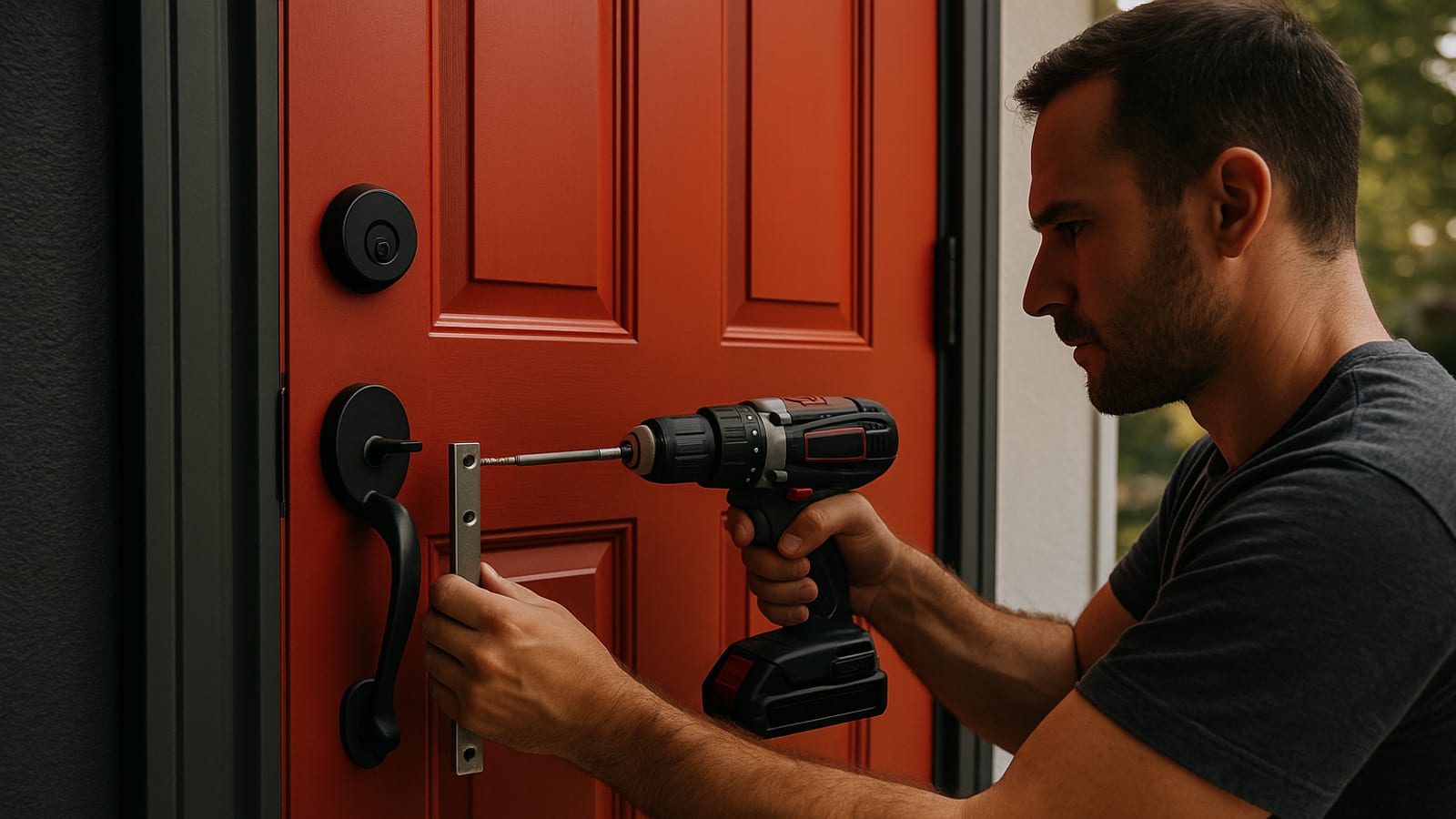
How to Reinforce Your Front Door: A Comprehensive Guide
Most break-ins take less than sixty seconds. The front door is where that clock starts. It is your first line of defense, and in most homes it is embarrassingly weak. This guide gives you a clear, practical blueprint for stopping a kick-in cold — using affordable upgrades you can execute yourself. By the end, you will know exactly how to harden your exterior door security before it becomes a problem.
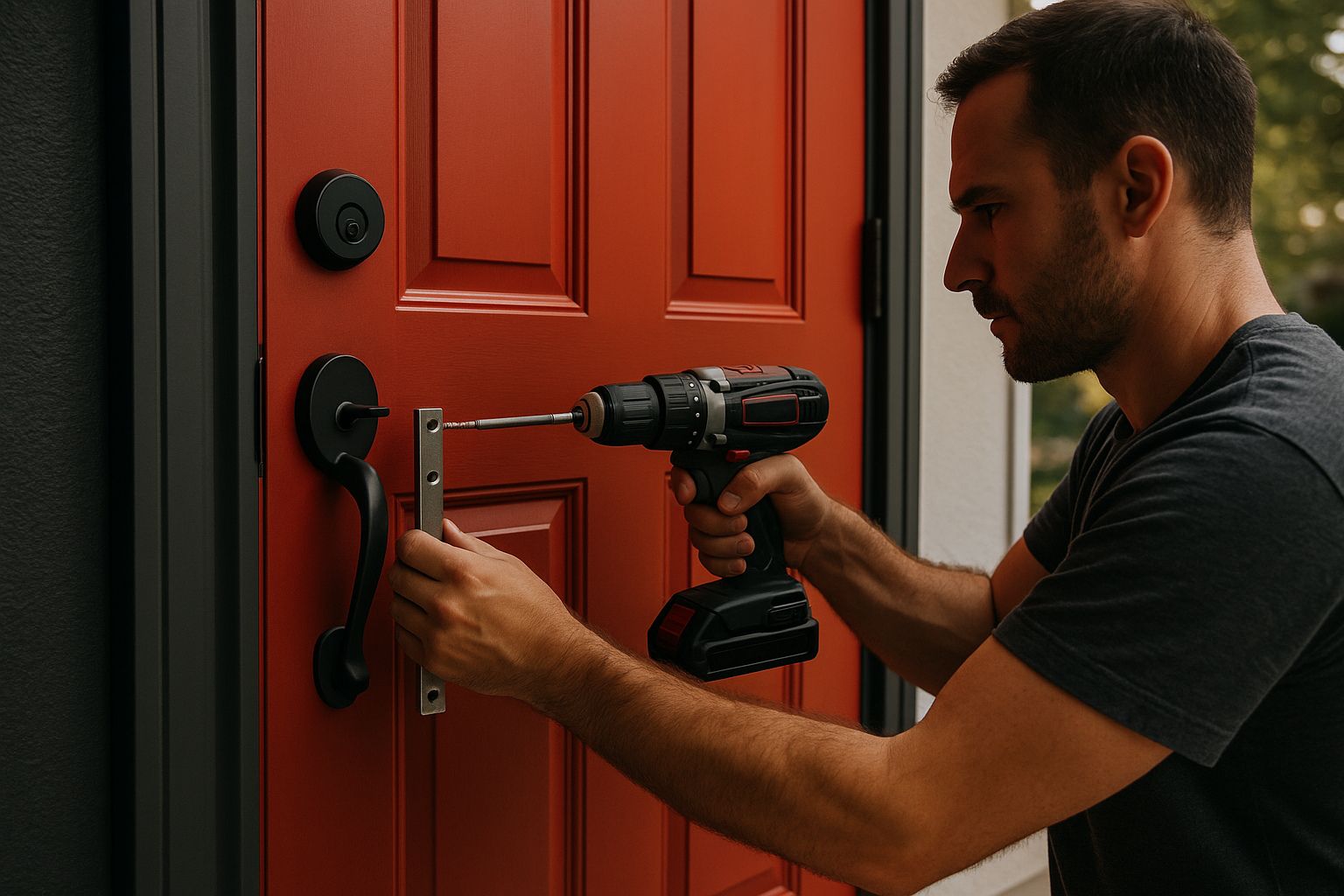
Understanding Your Door’s Vulnerabilities
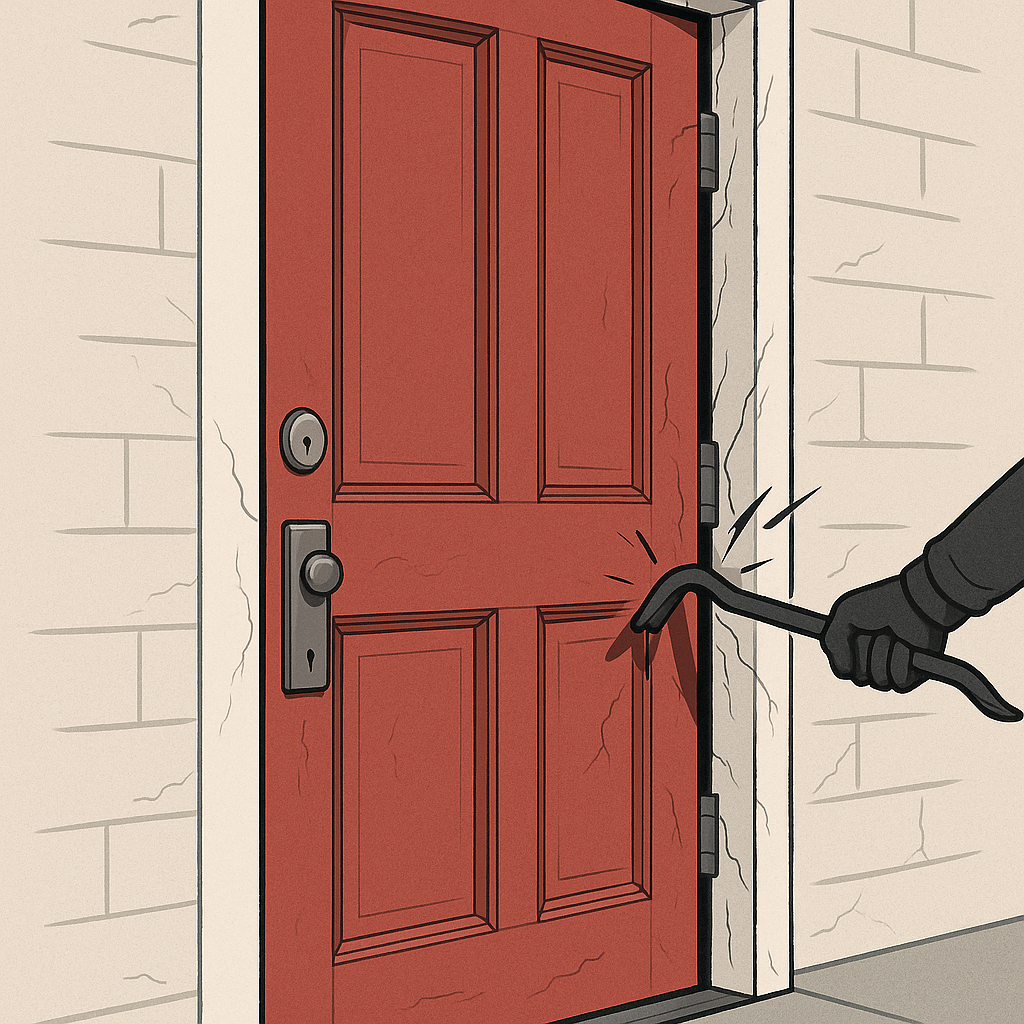
Before you fix anything, you need to see the problem clearly. Most front doors fail at the same three points. Weak frames splinter under a single kick. Undersized hinge screws pull straight out of the stud. Cheap strike plates offer almost no resistance. Older doors compound every one of these issues.
Audit your door against these three factors:
- Door Material: Solid wood or steel doors absorb force. Hollow-core doors do not.
- Frame Strength: A reinforced frame transfers force into the structure of the house. A standard frame just breaks.
- Lock Quality: A high-grade deadbolt paired with a heavy-duty strike plate is non-negotiable.
Step-by-Step Door Reinforcement

Reinforcing your front door does not require a contractor or a large budget. Work through these steps in order and you will have a meaningfully harder target by the end of the weekend.
1. Upgrade Your Locks
Start with the lock. You want a deadbolt with at least a one-inch throw bolt. Look for ANSI Grade 1 certification — that is the highest residential security rating available. Anything below it is a compromise you do not need to make.
2. Reinforce the Door Frame
The frame is where most kick-ins actually succeed. Install a Single Door Security Kit, which includes a steel door jamb reinforcement plate. It retails around $79 and it is one of the highest-return upgrades on this list. The steel plate distributes kick force across a much wider area, making the jamb nearly impossible to split.
3. Secure the Hinges
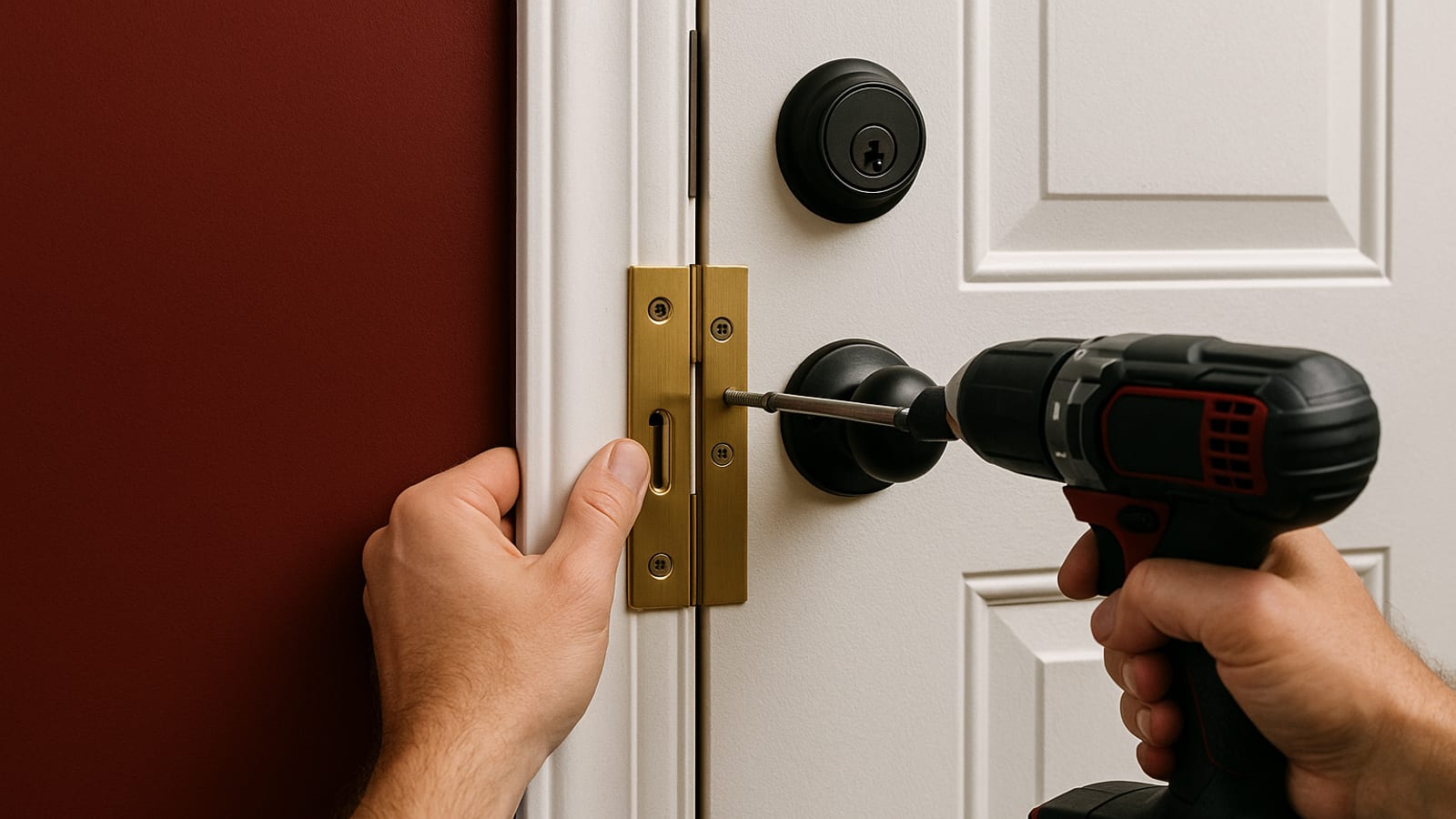
Standard hinge screws are typically three-quarters of an inch long. They barely reach the frame, let alone the stud behind it. Replace them with 3-inch screws that anchor directly into the wall stud. This one change dramatically increases how much force the door can absorb before failing.
4. Install a Door Reinforcement Kit
For full coverage, a door reinforcement kit addresses every weak point at once. A quality kit includes a door armor plate, hinge shields, and lock reinforcements — everything working together rather than in isolation.
Additional Security Measures
The frame and lock are your foundation. These additions build on top of it.
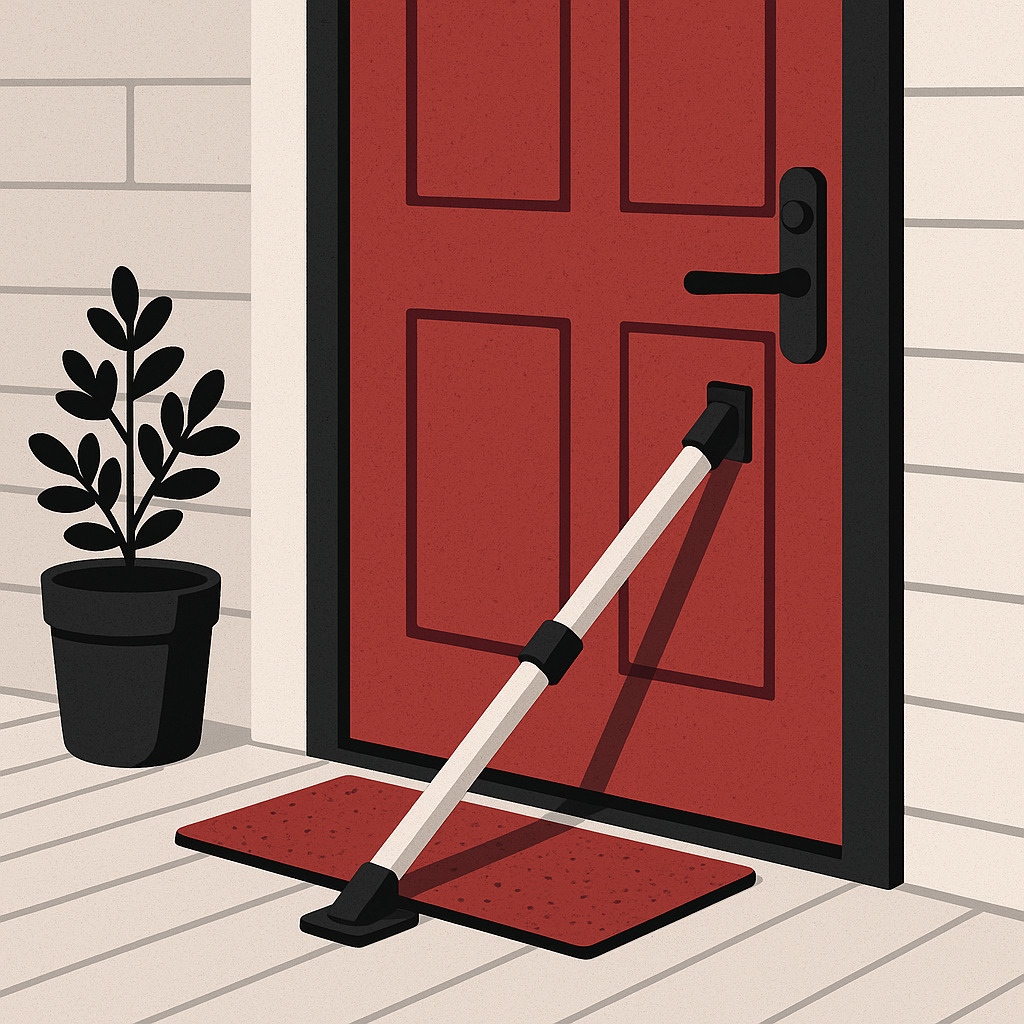
1. Add a Security Bar or Door Brace
A security bar sits under the doorknob and braces against the floor. It is inexpensive, takes two minutes to deploy, and adds a physical barrier that no amount of kicking will easily defeat. Simple and effective.
2. Install a Peephole or Smart Doorbell
You should never open a door blind. A wide-angle peephole or a smart doorbell camera lets you identify who is outside before you commit to opening. The camera version goes further — it monitors your entrance around the clock, even when you are not home.
3. Consider Window Security Film
Glass panels in or beside a door are an obvious bypass point. Apply window security film to hold shattered glass in place. It will not stop a determined attempt indefinitely, but it eliminates the quick smash-and-reach entry that most opportunistic intruders rely on.
DIY Vs. Professional Installation
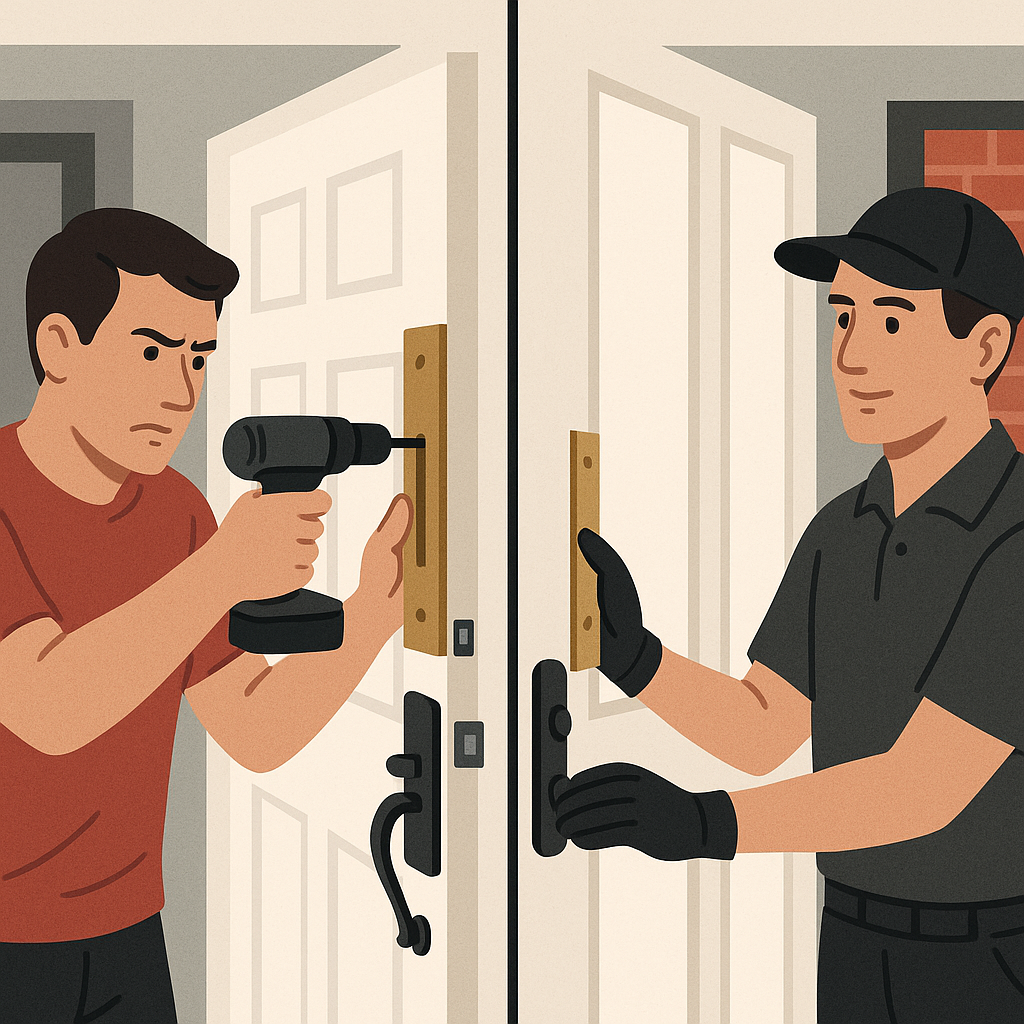
Most of these upgrades are designed for DIY installation. The kits are straightforward, and the instructions are clear. That said, if your door has unusual dimensions, a non-standard frame, or structural quirks, bring in a professional. The cost of getting it done right once is always lower than fixing a botched installation later.
Conclusion: Take Action for Peace of Mind
A reinforced front door is not a luxury. It is a decision you make once and benefit from every day. The upgrades in this guide are practical, affordable, and proven. You do not need to overhaul your entire home — you need to close the gaps that already exist.
Start with the Single Door Security Kit and work through the steps above. Browse the full range of door security solutions to find what fits your setup. A secure door is not the finish line — it is the foundation everything else is built on.
Weatherproofing and Insulation Considerations
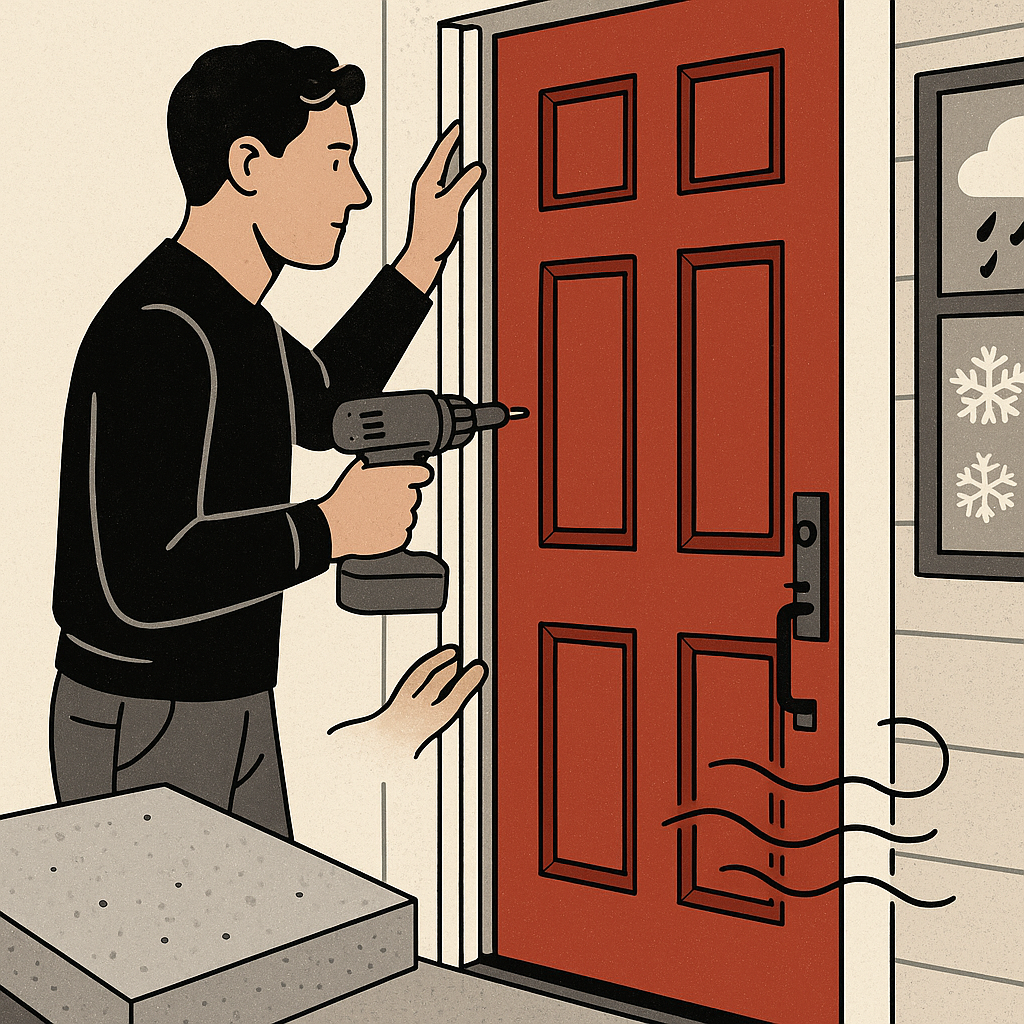
Security and weatherproofing are not separate problems. A door that warps, gaps, or degrades from moisture becomes structurally weaker over time. Keeping it sealed keeps it strong — and cuts your energy costs in the process.
Weather Stripping
Weather stripping seals the perimeter of your door against drafts, moisture, and pests. Silicone and rubber are the materials worth using — they compress cleanly, hold their shape, and survive temperature swings that cheaper foam strips cannot.
- Installation: Measure the frame, clean the surface thoroughly, then press the stripping firmly along each edge. Adhesion depends on a clean, dry surface — do not skip that step.
- Maintenance: Check it once a year. Replace any section that has compressed, cracked, or pulled away from the frame.
Door Sweeps
The gap at the bottom of your door is an open invitation for drafts, dust, and insects. A door sweep closes it. It also eliminates a gap that can be used to manipulate certain lock types from outside.
- Types: U-shaped sweeps wrap under the door edge for a snug fit. Adhesive sweeps attach directly to the bottom face of the door.
- Materials: Aluminum body with a rubber or vinyl seal. That combination holds up under daily use without degrading quickly.
Integrating Smart Technology
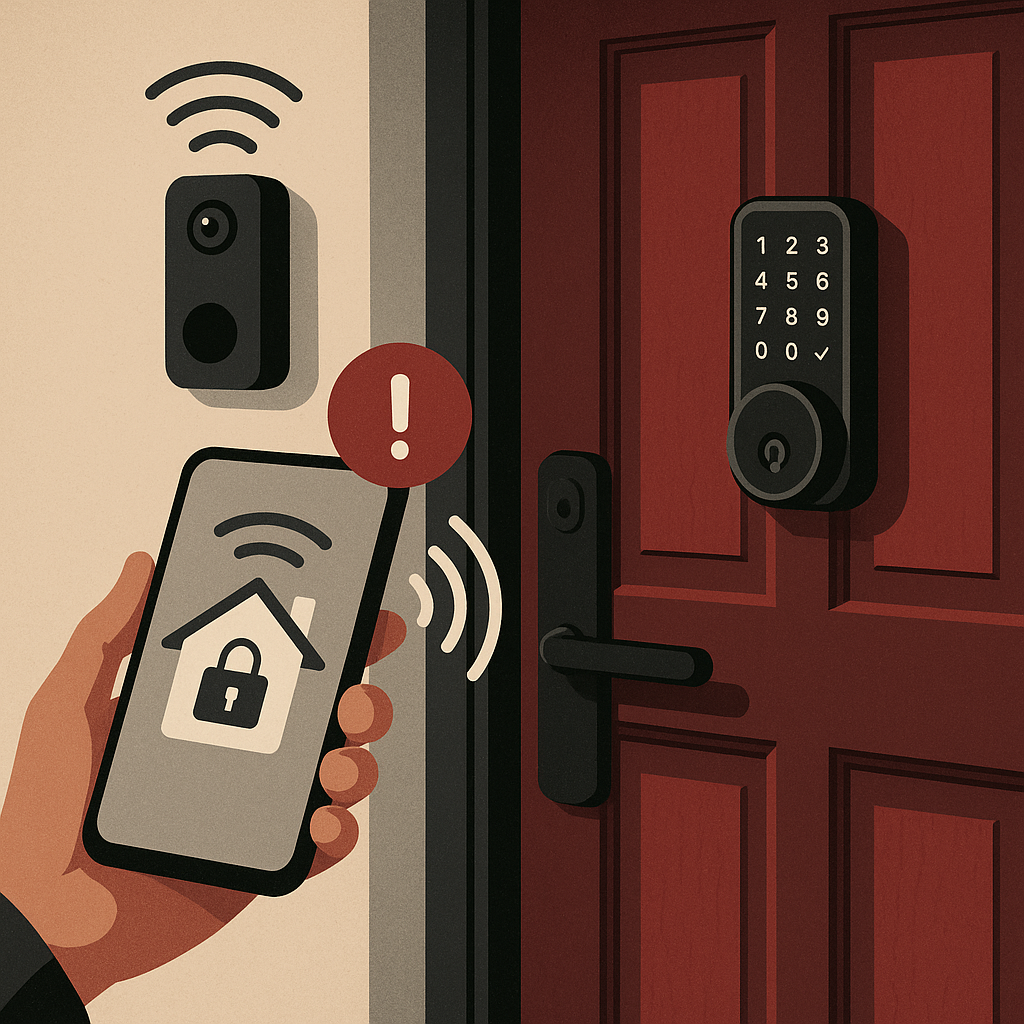
Physical reinforcement stops the kick. Smart technology tells you the kick was attempted. Used together, they give you both resistance and awareness.
Smart Locks
A smart lock replaces your key with a code, a phone, or a fingerprint. It logs every entry and exit, lets you lock or unlock remotely, and integrates with home automation systems. That is a meaningful upgrade in both convenience and control.
- Features: Prioritize Bluetooth and Wi-Fi connectivity. Compatibility with Alexa or Google Assistant is useful if you already run a smart home setup.
- Installation: Most models are designed to fit over your existing deadbolt. No new drilling required.
Security Cameras
A camera above your front door does two things: it deters people who know they are being recorded, and it captures footage when deterrence fails. High-definition video and night vision are the baseline specs worth requiring.
- Placement: Position it to cover the full entryway. High enough to avoid tampering, low enough to capture faces clearly.
- Connectivity: Cloud storage and a mobile app give you access to live feeds and recordings from anywhere.
Legal and Insurance Considerations
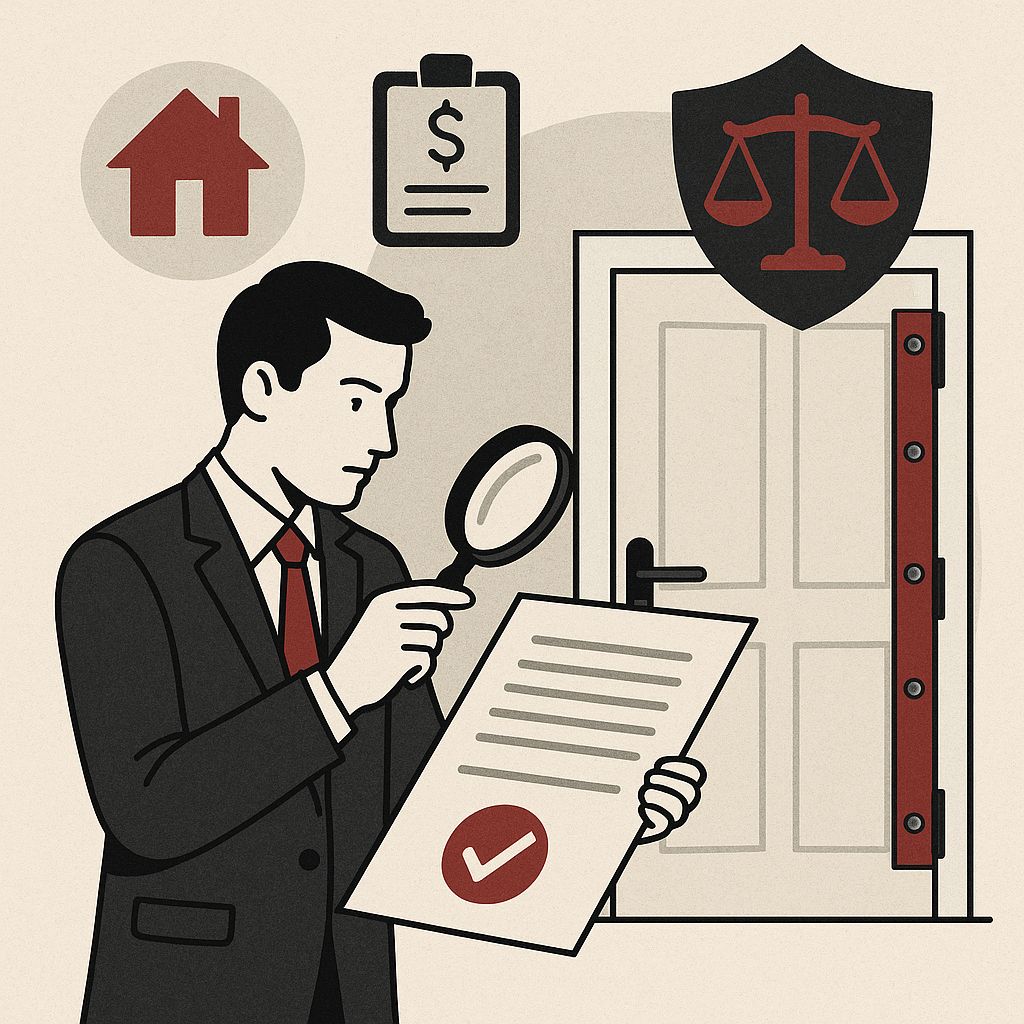
Two things most homeowners overlook: what these upgrades do to your insurance premiums, and what local rules say about structural modifications. Both are worth understanding before you start.
Insurance Premiums
Better security can mean lower premiums. Many insurers discount policies for homes with verified security upgrades. The savings will not cover the cost of the hardware overnight, but they compound over time.
- Documentation: Submit receipts and installation records to your insurer. Ask directly about available discounts — they rarely volunteer that information.
- Policy Review: Revisit your policy after each upgrade. Make sure your coverage reflects what you have actually installed.
Compliance with Local Regulations
Significant structural changes may require permits. Homeowners associations sometimes have rules about exterior modifications. Check both before you commit to anything that alters the door frame or surrounding structure.
- Permits: Ask your local building department whether door frame reinforcement triggers a permit requirement in your jurisdiction.
- Guidelines: Review your HOA rules or contact the association directly. Compliance now prevents disputes later.
Case Study: Successful Door Reinforcement
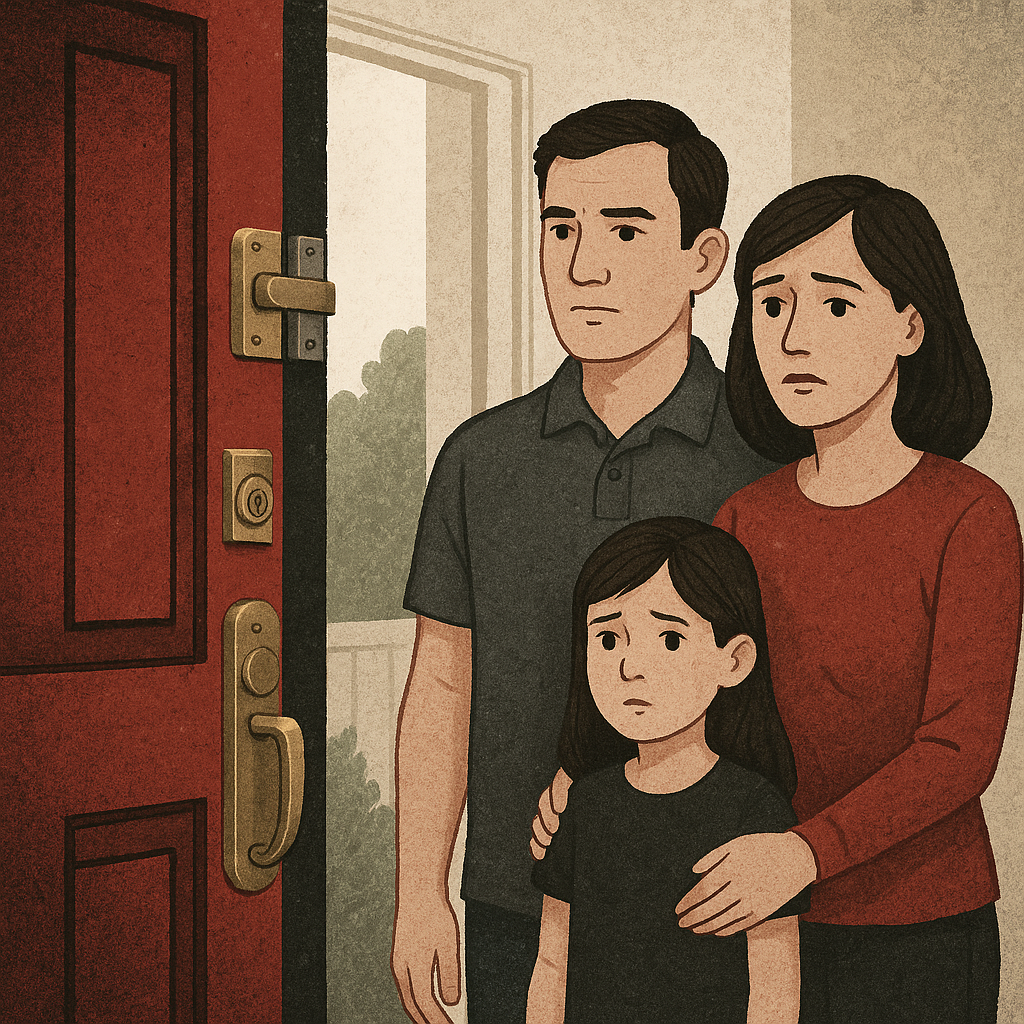
The Johnson family acted after a string of break-ins hit their neighborhood. Their starting point was a hollow-core door with a flimsy frame and a lock that offered almost no real resistance. Here is what they changed and what it produced.
- Challenges: Hollow-core door, weak locks, and a frame that would not survive a determined kick.
- Solutions: They replaced the door with a solid-core wood unit, installed a smart lock, added a steel reinforcement kit to the frame, and mounted a security camera system covering the full entryway.
- Results: No further security incidents since the upgrades were completed. Their insurance premium dropped 10% after they documented the improvements with their provider.
The lesson is straightforward. Physical upgrades and smart technology are not competing approaches — they are complementary layers. Stack them correctly and the result is a door that is genuinely difficult to defeat quickly, which is exactly what stops most intrusions before they start.
Disclosure: this article may contain affiliate links. If you buy through them, we may earn a small commission at no extra cost to you.

Leave a Reply