
Security Checklist for New Homeowners: Essential Steps
You just bought a home. That is a serious asset. Now protect it like one. Most new homeowners spend weeks picking paint colors and zero hours auditing their entry points. That is a mistake with real consequences. This checklist gives you a direct, actionable path from vulnerable to locked down — covering physical reinforcement, smart technology, and the daily habits that keep threats out for good.

1. Conduct a Security Audit
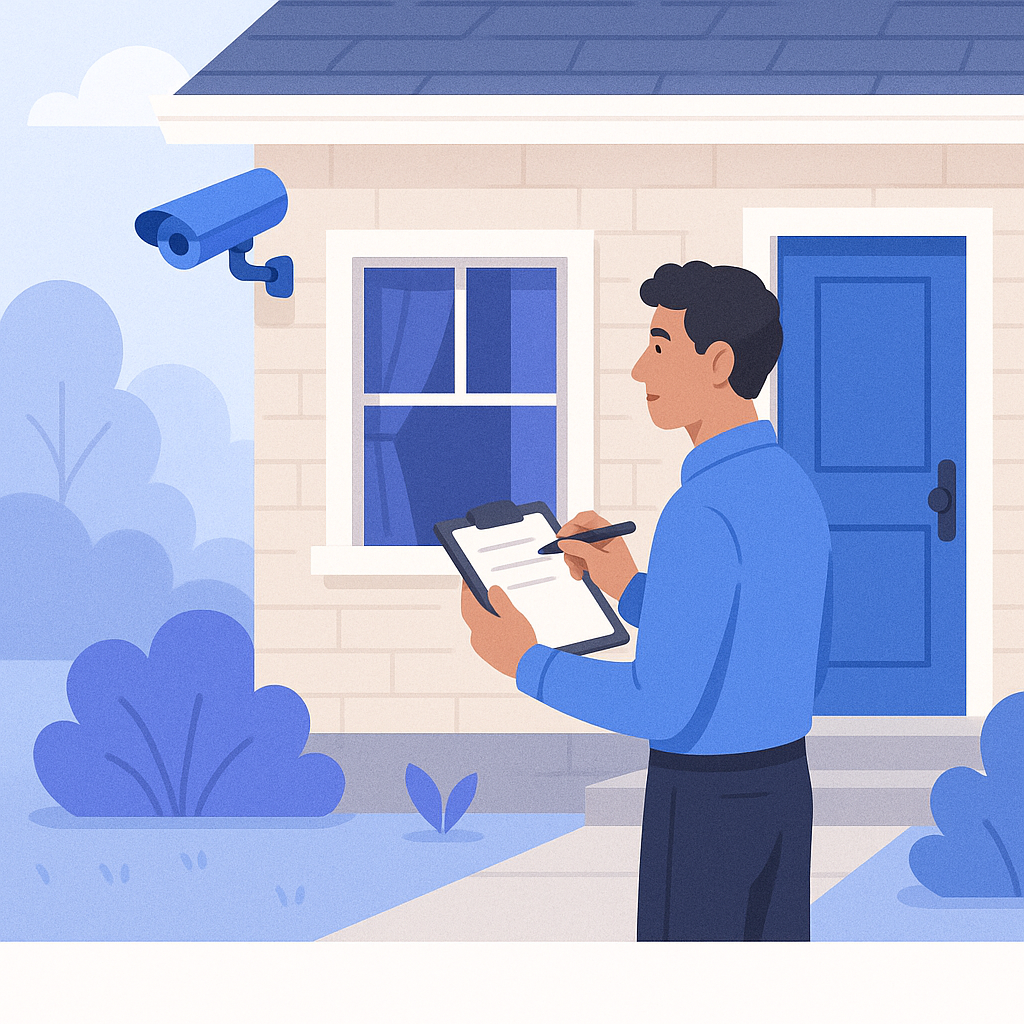
Before you install anything, walk the property with a critical eye. You are looking for the path of least resistance — because that is exactly what an intruder looks for. Focus on every point where the outside meets the inside. If you are unsure what you are evaluating, bring in a professional security consultant. The cost is small compared to what you stand to lose.
Steps to Conduct a Security Audit:
- Inspect Doors and Windows: Test frames and locks for stability. Anything that flexes or rattles needs to be replaced, not ignored.
- Evaluate Outdoor Lighting: Every entry point should be well-lit. Darkness is cover. Remove it.
- Review Landscaping: Overgrown bushes near doors and windows are not a garden feature — they are a hiding spot. Trim them back.
2. Reinforce Entry Points

Doors and windows are where most break-ins happen. Reinforcing them is not optional — it is the foundation of everything else you build on top.

Door Reinforcement:
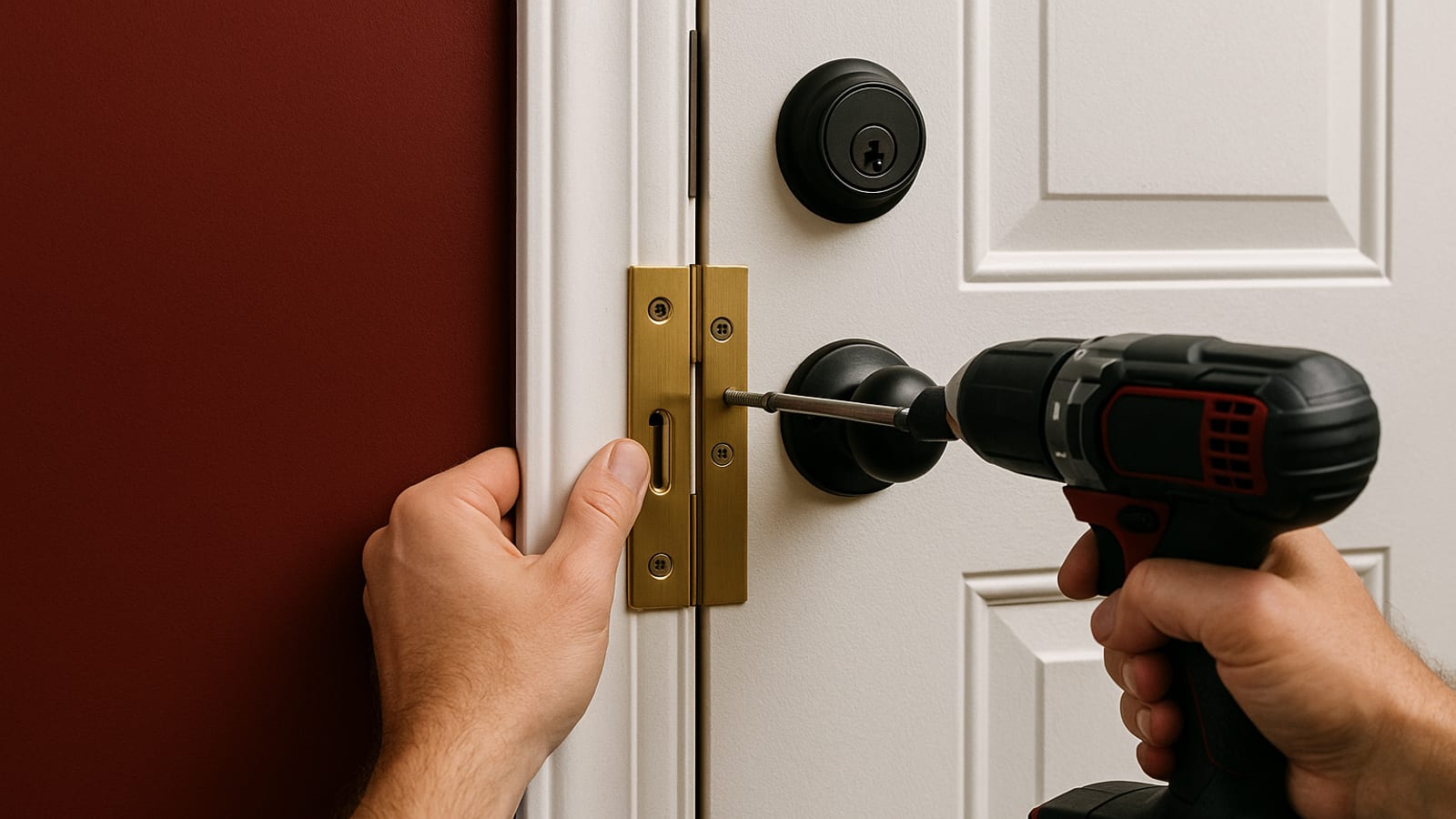
- Install a Door Reinforcement Kit: Around $100. These kits include a door jamb shield, hinge shields, and a strike plate — the combination that stops kick-in attempts cold.
- Use Deadbolts: A quality deadbolt runs about $50. It adds a second line of defense that a standard latch simply cannot provide.
- Consider Anti-Kick Devices: Priced between $20 and $50, these devices prevent doors from being forced open under pressure.
Window Security:
- Install Window Locks: Add secondary locks to every accessible window. Cost is roughly $10 per unit.
- Use Security Film: Applied directly to the glass, security film prevents shattering on impact. Budget around $40 per window.
3. Implement Smart Home Security Systems
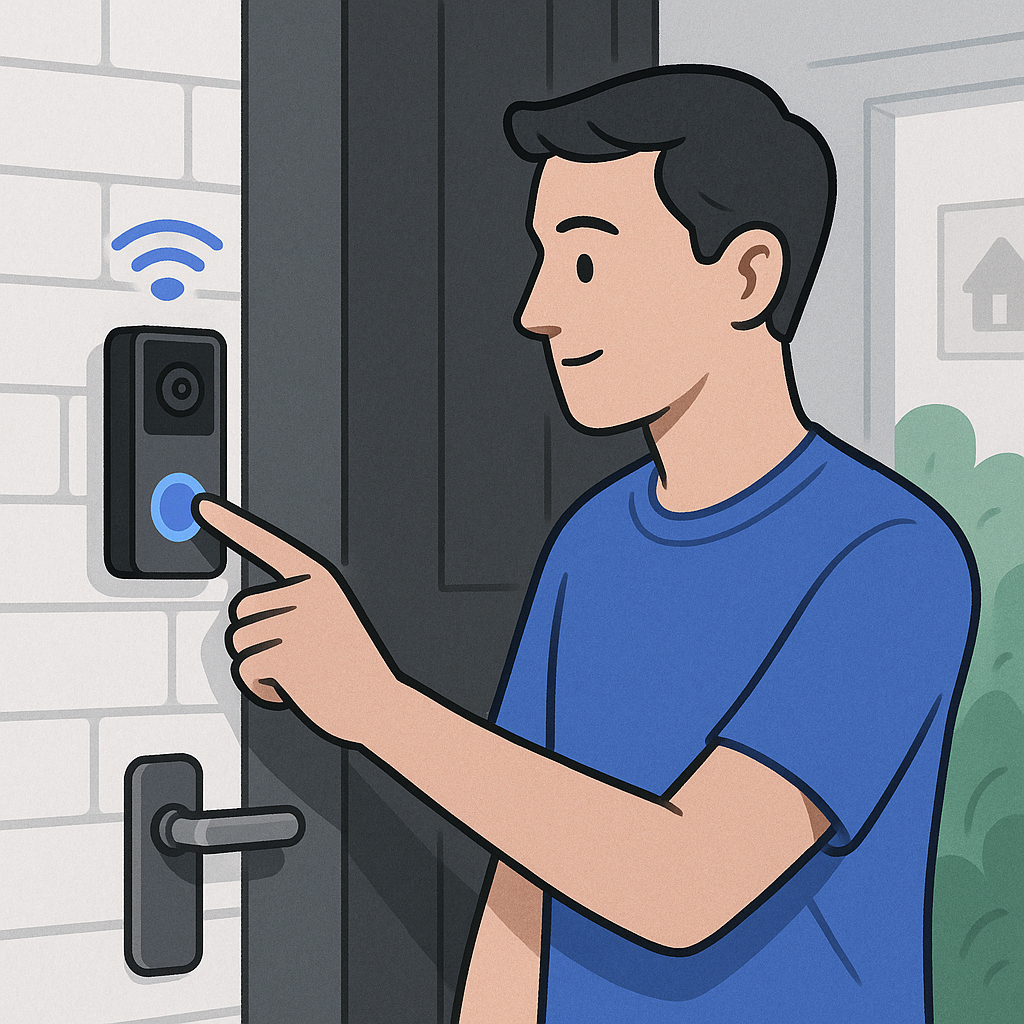
Technology closes the gaps that physical hardware cannot cover on its own. The right smart security setup gives you real-time visibility and control — from anywhere.

Recommended Smart Security Tools:
- Smart Doorbells: Ring and Nest both offer video surveillance and two-way audio starting at $100. You see who is at your door before you open it.
- Smart Locks: Brands like August and Schlage run around $150. You control access remotely and eliminate the risk of lost keys.
- Security Cameras: Arlo and Blink offer 24/7 property monitoring with basic setups starting at $200. Position them to cover blind spots your physical deterrents cannot reach.
Connect these tools through a single smartphone app. You get real-time alerts and a live view of your property no matter where you are.
4. Establish a Routine Security Plan
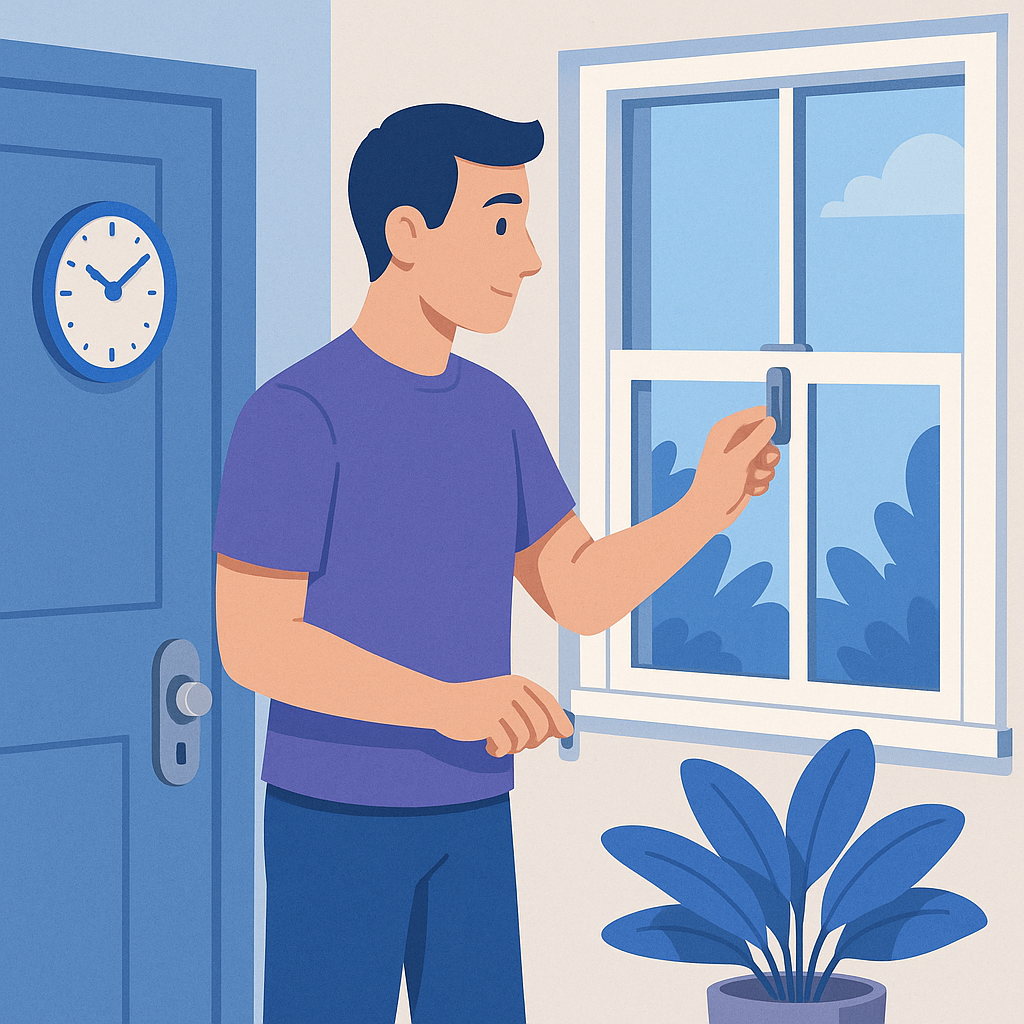
Hardware and technology mean nothing without consistent behavior. A routine security plan is what turns individual measures into a system that holds.
Steps to Establish a Security Routine:
- Lock All Doors and Windows: Make it a non-negotiable habit — every time you leave, every time you go to bed.
- Set Up a Security Schedule: Use smart devices to automate lighting and camera activity around your daily patterns.
- Regularly Update Security Codes: Rotate passwords and access codes every few months. Stale credentials are an open door.
5. Educate Family Members

Your security system is only as strong as the people operating it. One uninformed family member can undo every physical and digital layer you have built.
Family Security Training:
- Conduct Security Drills: Run through break-in and emergency scenarios so responses become automatic, not panicked.
- Share Security Protocols: Every household member should know how to operate the devices and how to identify suspicious activity.
6. Enhance Perimeter Security
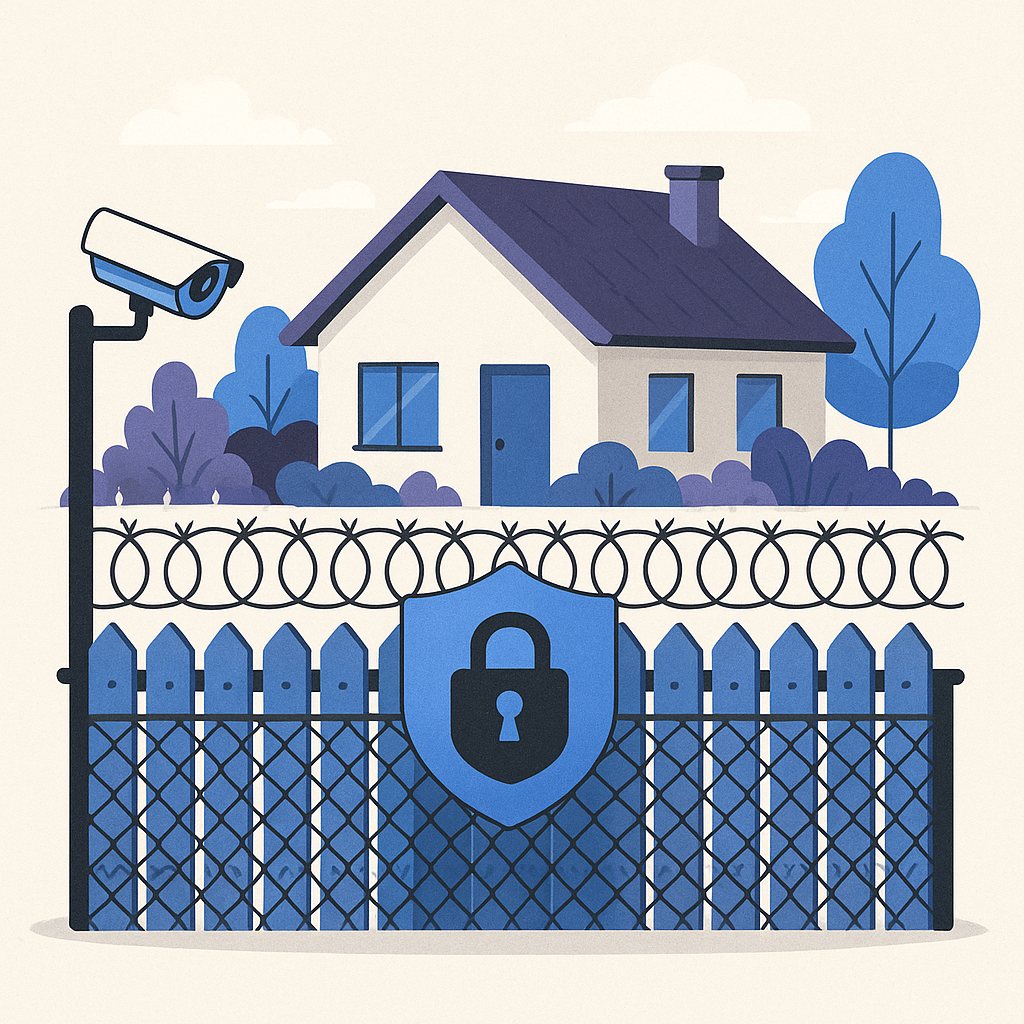
The best time to stop an intruder is before they reach your door. Perimeter security creates layers of friction that delay and deter unauthorized access before it becomes a real threat.
Perimeter Security Measures:
- Install Fencing: Wrought iron or steel fencing at a minimum of six feet tall removes the easy climb option. Durability matters here — do not cut corners on materials.
- Use Motion Sensor Lighting: Position motion-activated lights around the yard perimeter. Sudden illumination is one of the most effective deterrents available.
- Secure Gates: Fit every gate with a high-quality lock and a gate alarm. An alert at the perimeter gives you time to respond before anyone reaches the house.
- Maintain Clear Sight Lines: Keep trees and shrubs near the perimeter trimmed. Hiding spots eliminate your camera coverage and your reaction time.
7. Secure Your Garage
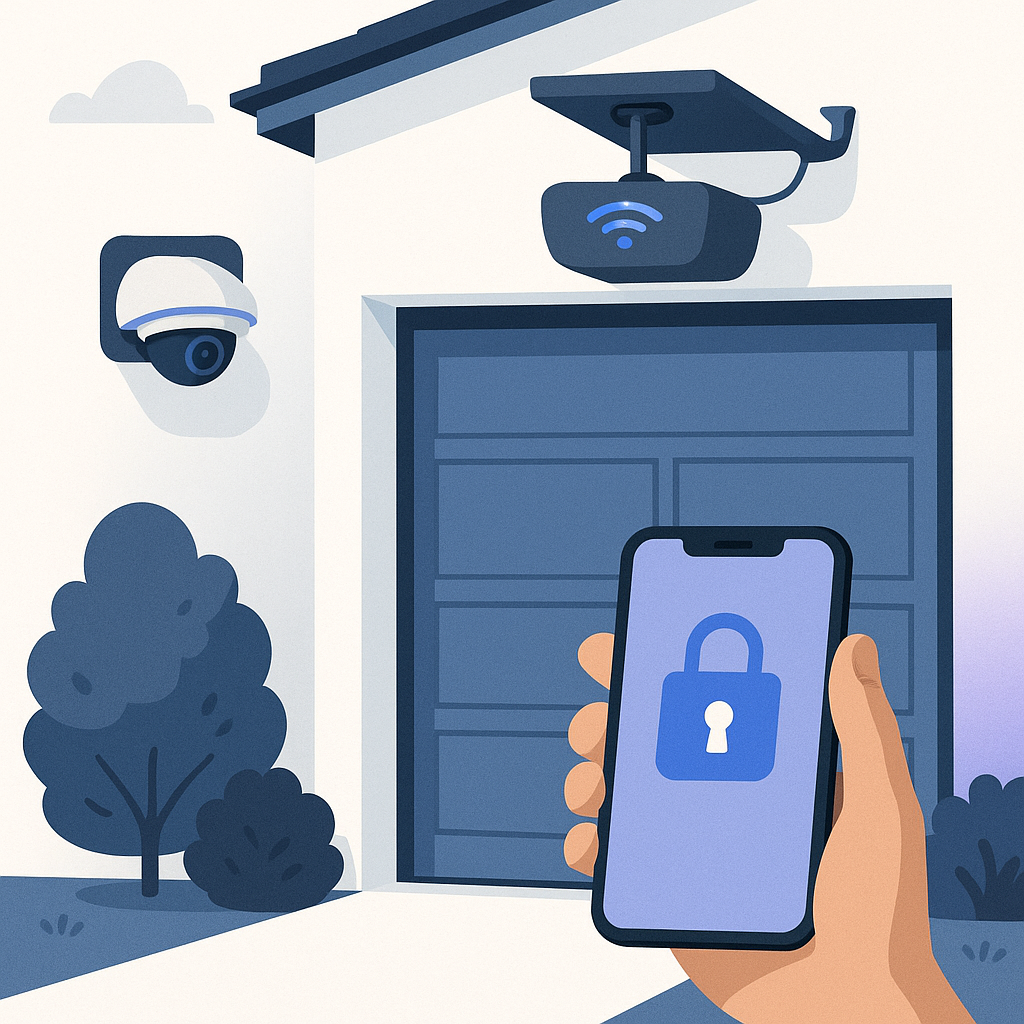
The garage is the entry point most homeowners forget. It connects directly to your living space and is frequently left unsecured. That is an obvious vulnerability — close it.
Garage Security Tips:
- Install a Smart Garage Door Opener: Monitor and control your garage door remotely. If it is open when it should not be, you will know immediately.
- Use a Deadbolt on Interior Doors: The door between your garage and your home needs a deadbolt. Treat it like a front door.
- Cover Garage Windows: Frosted film or curtains prevent anyone outside from scoping what is inside.
- Lock Tools and Ladders: Unsecured tools give intruders everything they need to access upper floors or force entry. Store them locked.
8. Secure Valuables and Important Documents
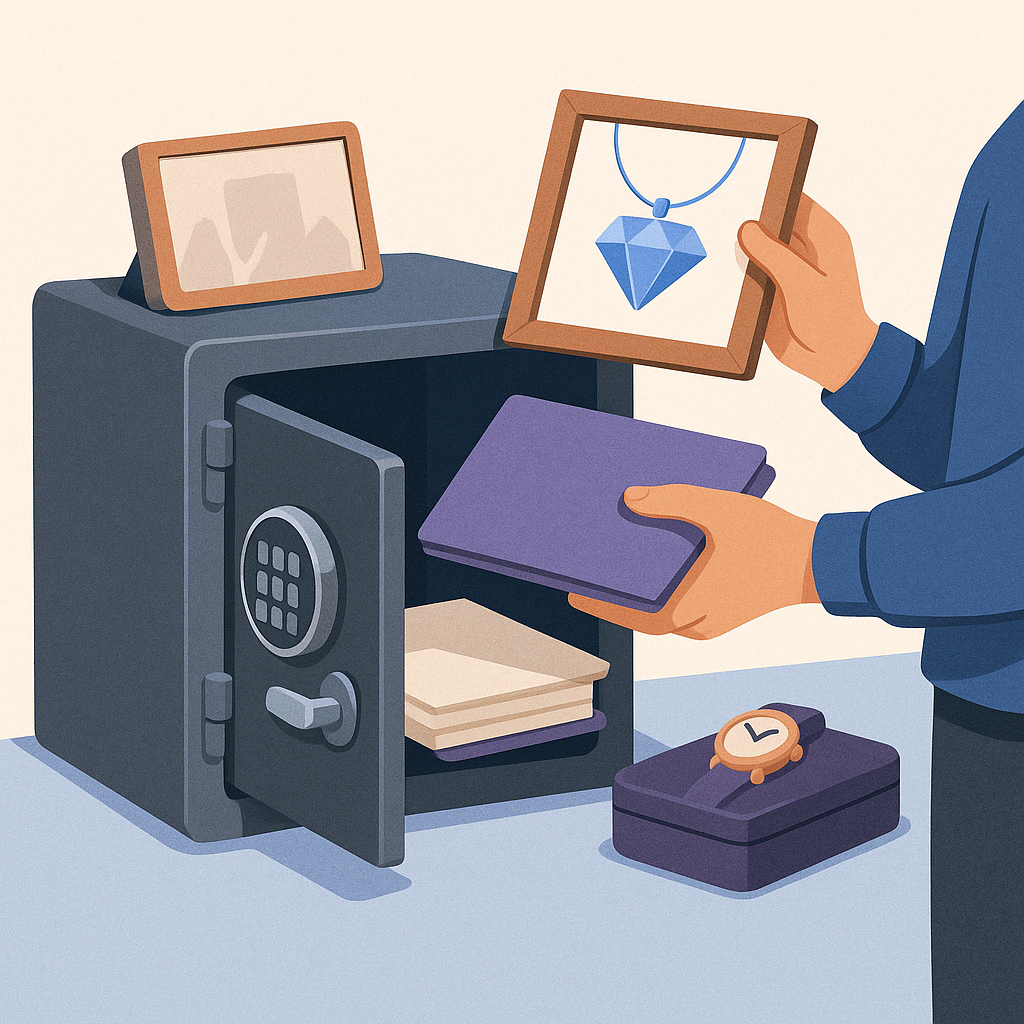
Even if someone gets through every layer you have built, your most critical assets should still be out of reach. Physical security for valuables is a separate system — and it matters.
Valuable Security Practices:
- Invest in a Safe: A fireproof, waterproof safe bolted to the floor or wall protects documents, jewelry, and high-value items from both theft and disaster.
- Document and Insure Valuables: Photograph everything. Record serial numbers. Make sure your insurance coverage reflects what you actually own.
- Use a Safety Deposit Box: For irreplaceable items, a bank safety deposit box removes the risk entirely from your home environment.
9. Monitor Neighborhood Activity

Your property does not exist in isolation. What happens on your street directly affects your risk level. Staying informed about neighborhood activity is a low-cost, high-return security move.
Neighborhood Security Tips:
- Join a Neighborhood Watch: Coordinated observation across multiple households creates a coverage network no single camera system can match.
- Utilize Community Apps: Nextdoor and similar platforms surface local crime reports and safety alerts in real time. Use them.
- Attend Community Meetings: Direct engagement with local law enforcement gives you ground-level intelligence on emerging threats in your area.
10. Evaluate and Update Security Measures Regularly
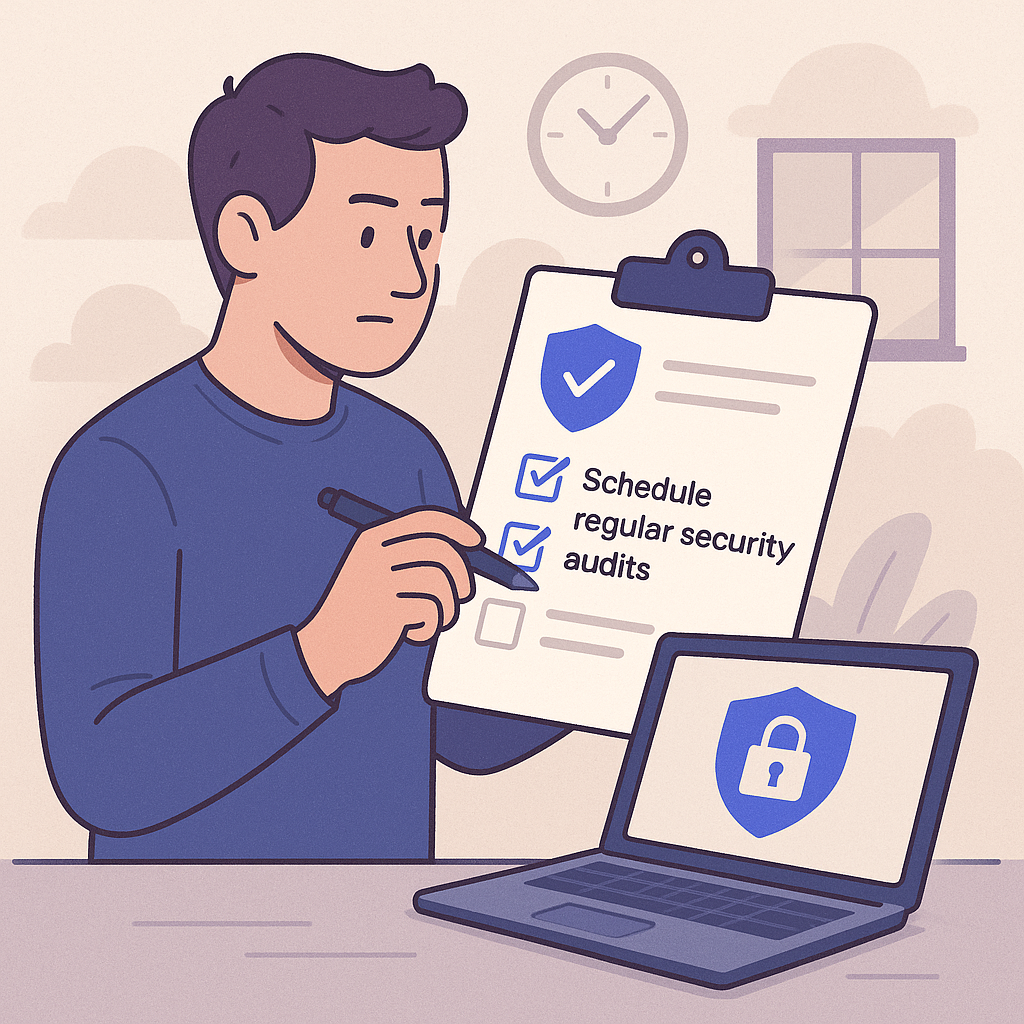
Security is not a one-time installation. It is an ongoing discipline. Systems age, threats evolve, and gaps appear. The operators who stay protected are the ones who review and update on a schedule.
Security Evaluation Checklist:
- Schedule Regular Security Audits: Run a full review at least once a year — or immediately after any significant change to your property or household.
- Test Security Systems: Alarms, cameras, and sensors need to be tested regularly. A device that fails silently is worse than no device at all.
- Stay Informed: Security technology moves fast. Know what has improved and upgrade when the gap between your current setup and available tools becomes significant.
Consistent evaluation is what separates a home that stays secure from one that only felt secure on move-in day.
11. Emergency Preparedness and Response

Every security plan has a failure scenario. Emergency preparedness is what you fall back on when that scenario plays out. Having a clear plan in place converts panic into action — and action into outcomes.
Emergency Preparedness Tips:
- Create an Emergency Kit: Stock water, non-perishable food, flashlights, batteries, and a first-aid kit. Keep it accessible, not buried in a closet.
- Develop an Evacuation Plan: Every family member should know the safest exit routes and the designated meeting point outside the home.
- Conduct Regular Drills: Practice fire and emergency scenarios until the responses are automatic. Drills remove hesitation when it counts most.
Conclusion: Build It Once, Maintain It Always
Securing your home is not complicated. It is systematic. Start with the audit, close the physical gaps, layer in smart technology, and build the daily habits that keep everything running. None of this requires a large budget all at once — it requires a clear sequence and consistent follow-through.
Work through this checklist methodically. Each step compounds on the last. For more tools and resources on building secure, automated systems that work for you, visit ArcanoLabs. The investment you make in your home’s security today is the peace of mind you collect every night going forward.

Leave a Reply