
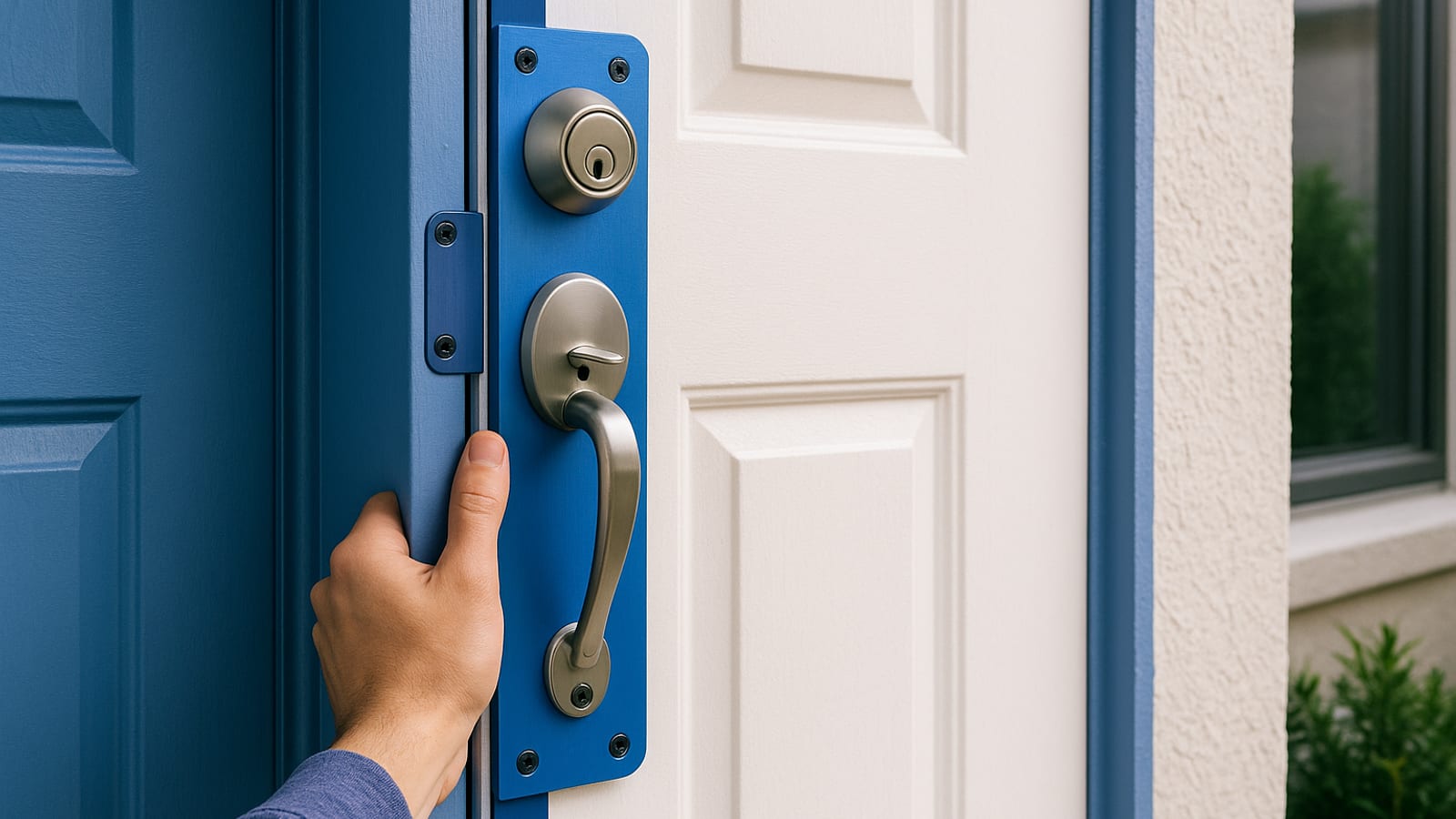
Why Every Home Should Consider a Door Reinforcement Kit
Most break-ins take less than sixty seconds. The weak point is almost never the lock. It is the door frame around it. Homeowners spend money on cameras and alarm systems while ignoring the one vulnerability that a determined intruder exploits first. A door reinforcement kit closes that gap. This article breaks down exactly what these kits do, how to choose the right one, and why the upfront cost is one of the most defensible home security decisions you can make.
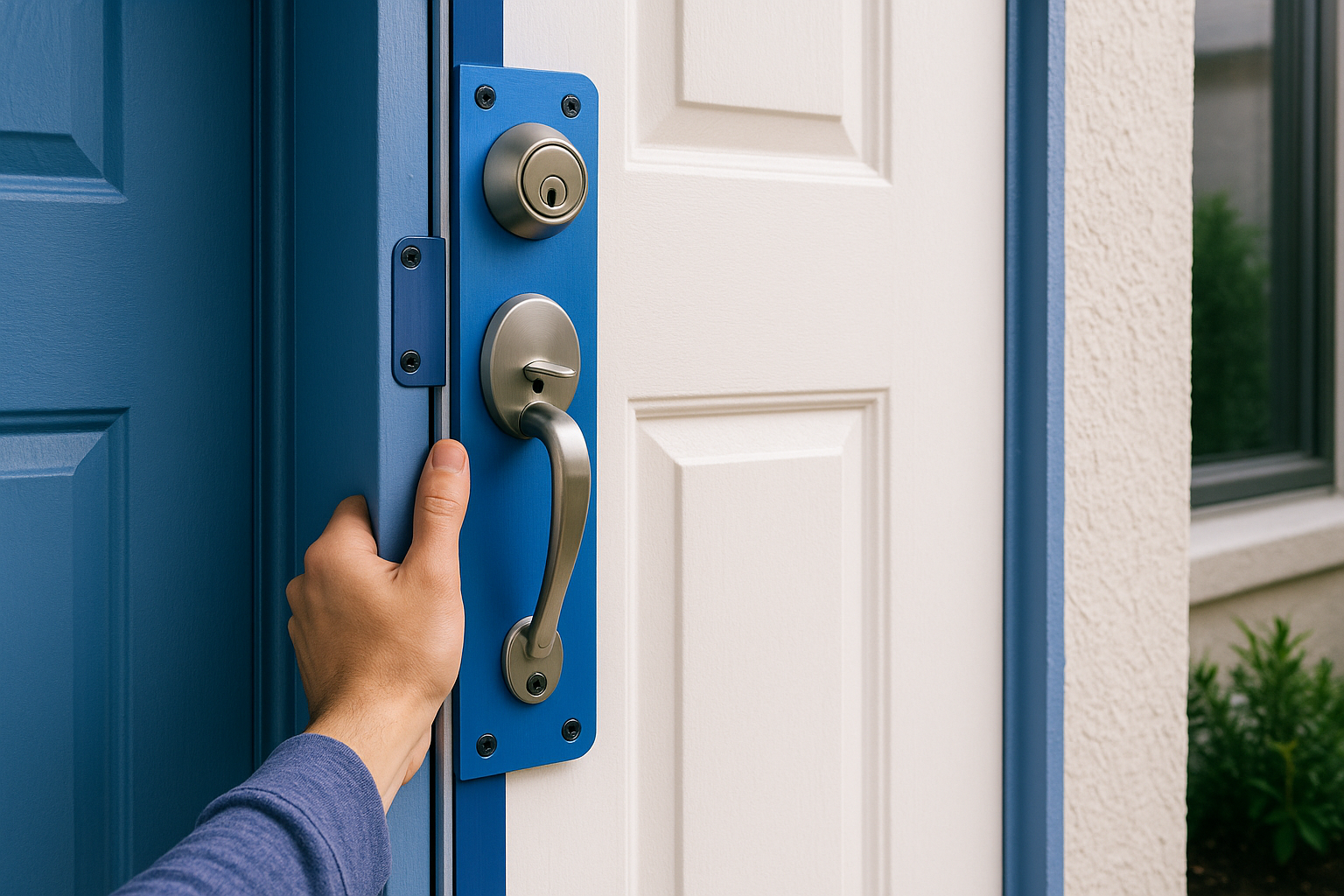
Understanding the Importance of Door Reinforcement
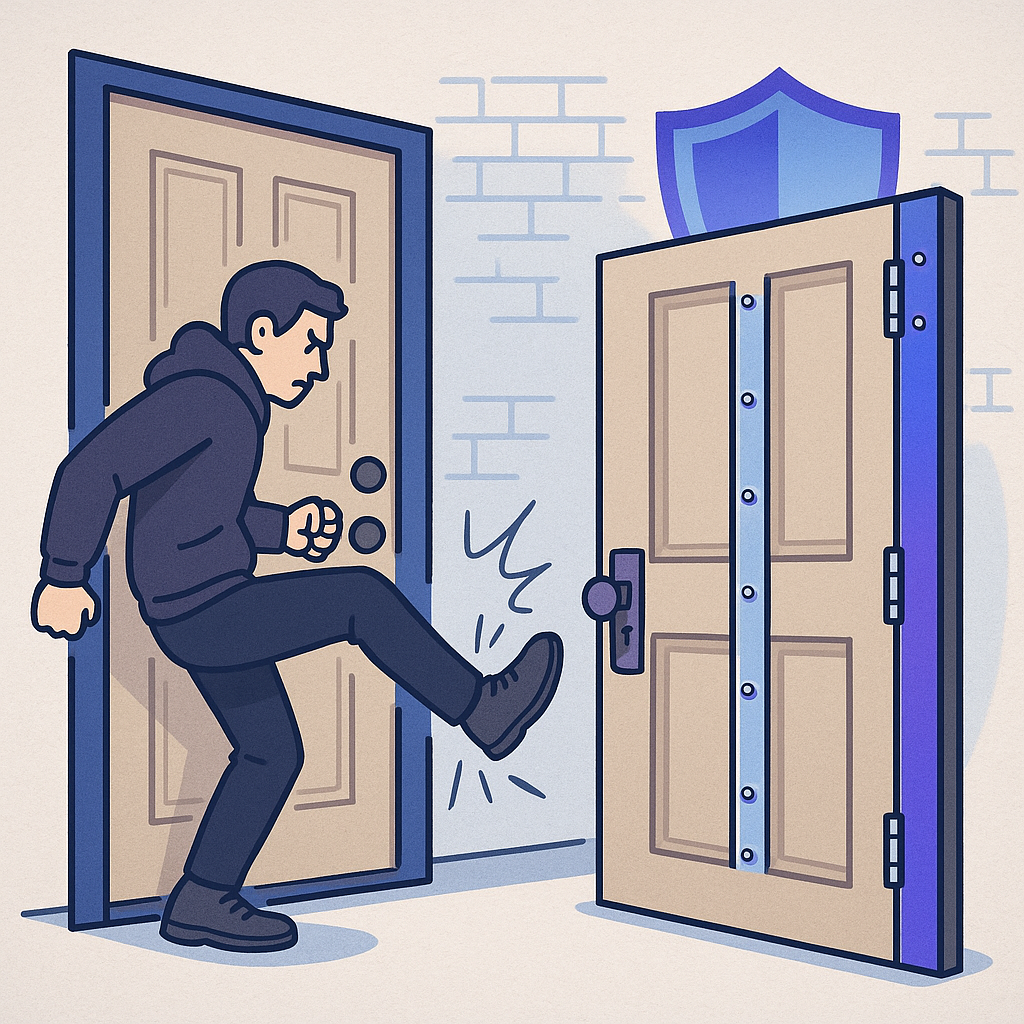
Your front door is the first line of defense. The problem is that most standard doors are not built to resist a hard kick. The door itself may hold. The frame around it will not. That is where forced entry happens. A door reinforcement kit targets the frame, the hinges, and the strike plate — the three points that fail under pressure — and makes each one significantly harder to compromise.
Case Study: The Impact of Reinforcement Kits
A homeowner in a suburban neighborhood installed a door reinforcement kit after a string of kick-in break-ins hit the area. Before installation, the block had seen multiple incidents in a single month. After installation, the reinforced door became a visible deterrent. Attempted break-ins at that address stopped. Neighbors took notice. The kit did not just protect one home — its presence signaled that forced entry would cost time and noise, two things intruders cannot afford. That is the compounding effect of a single, well-placed upgrade.
Components of a Door Reinforcement Kit
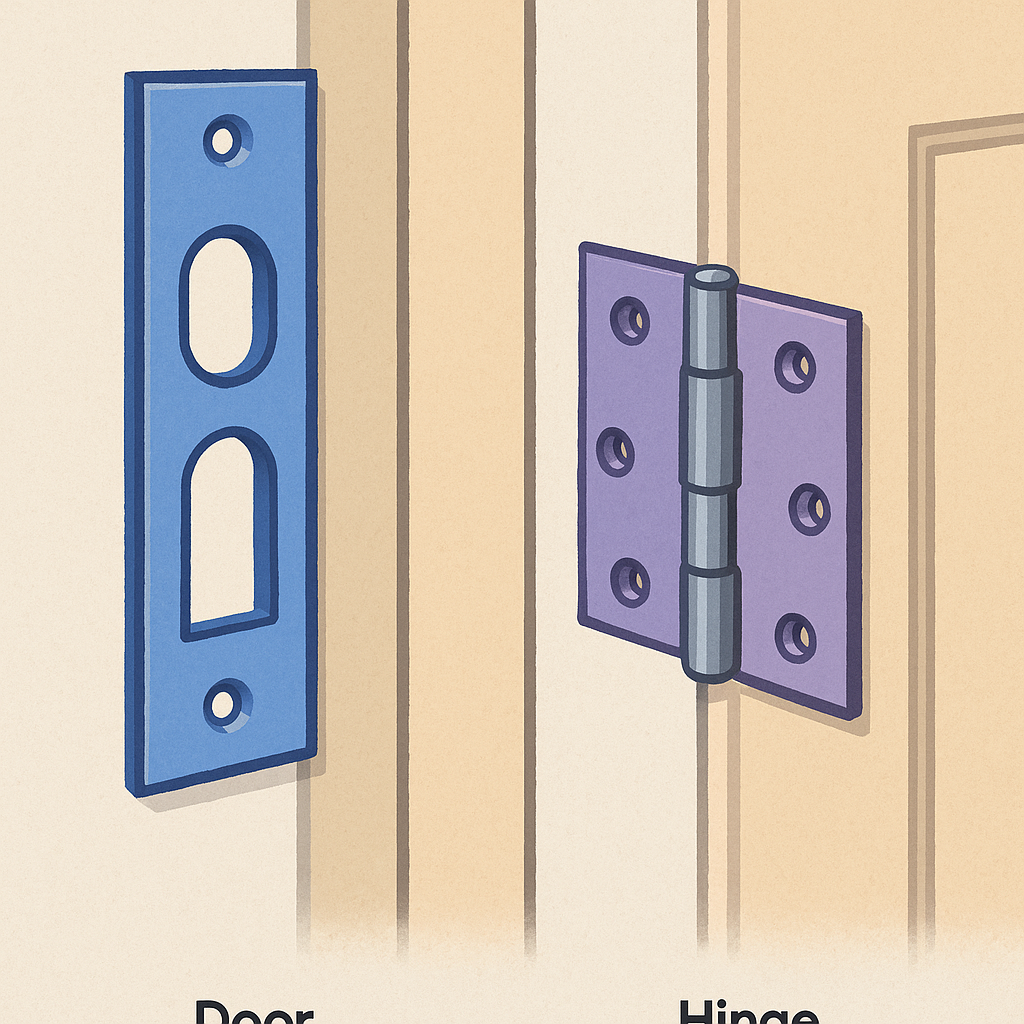
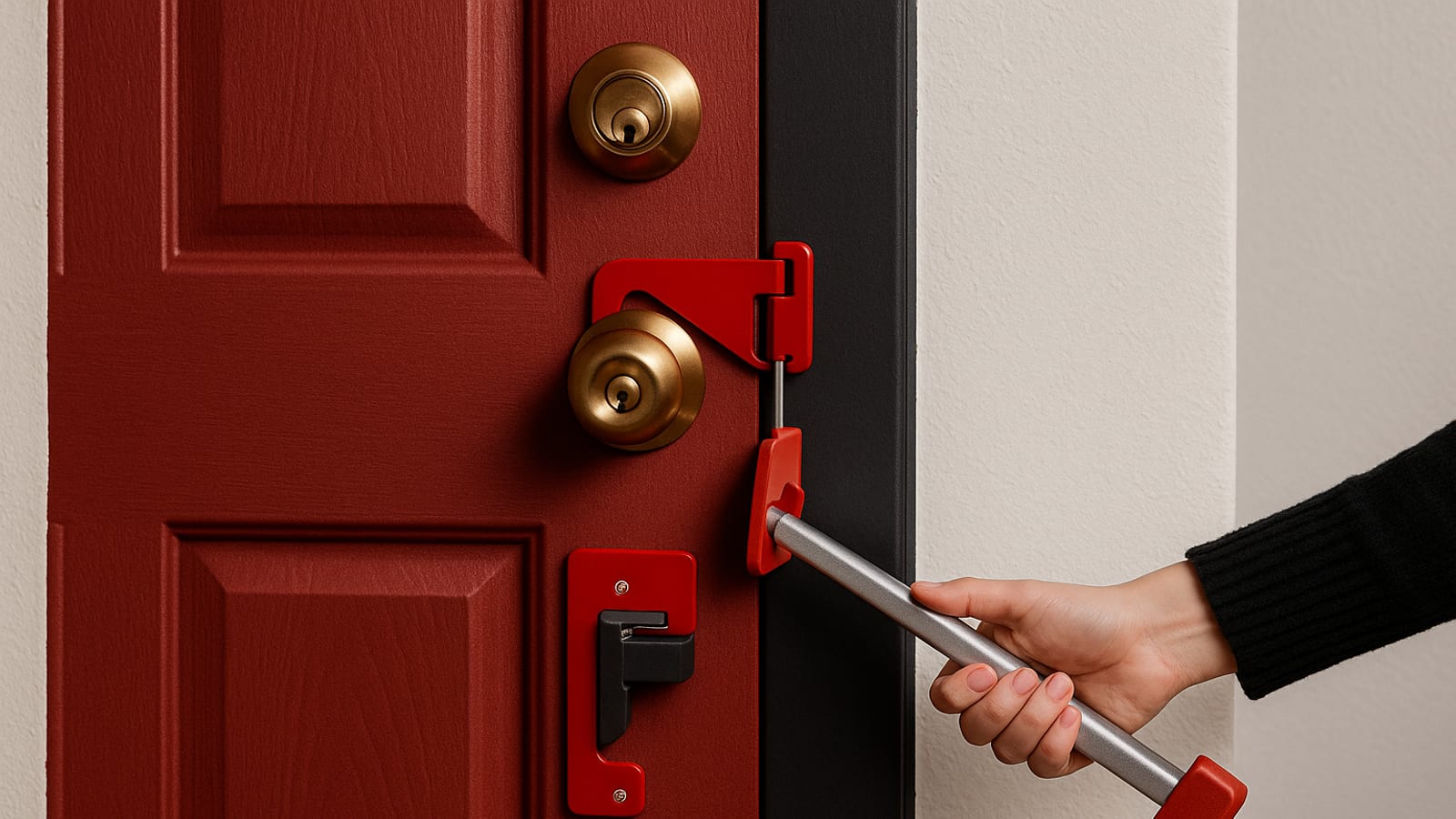
A standard door reinforcement kit ships with three core components. Each one targets a specific failure point:
- Door Jamb Reinforcement: Wraps and strengthens the frame — the most common point of failure in a kick-in.
- Hinge Reinforcement: Secures the hinges so they cannot be forced or popped under lateral pressure.
- Strike Plate Reinforcement: Hardens the area where the lock bolt meets the frame, the exact spot that splinters on a standard door.
These three components work as a system. Reinforce one without the others and you have only shifted the weak point. Install all three and you have a door that behaves like a barrier instead of a suggestion.
How to Choose the Right Kit
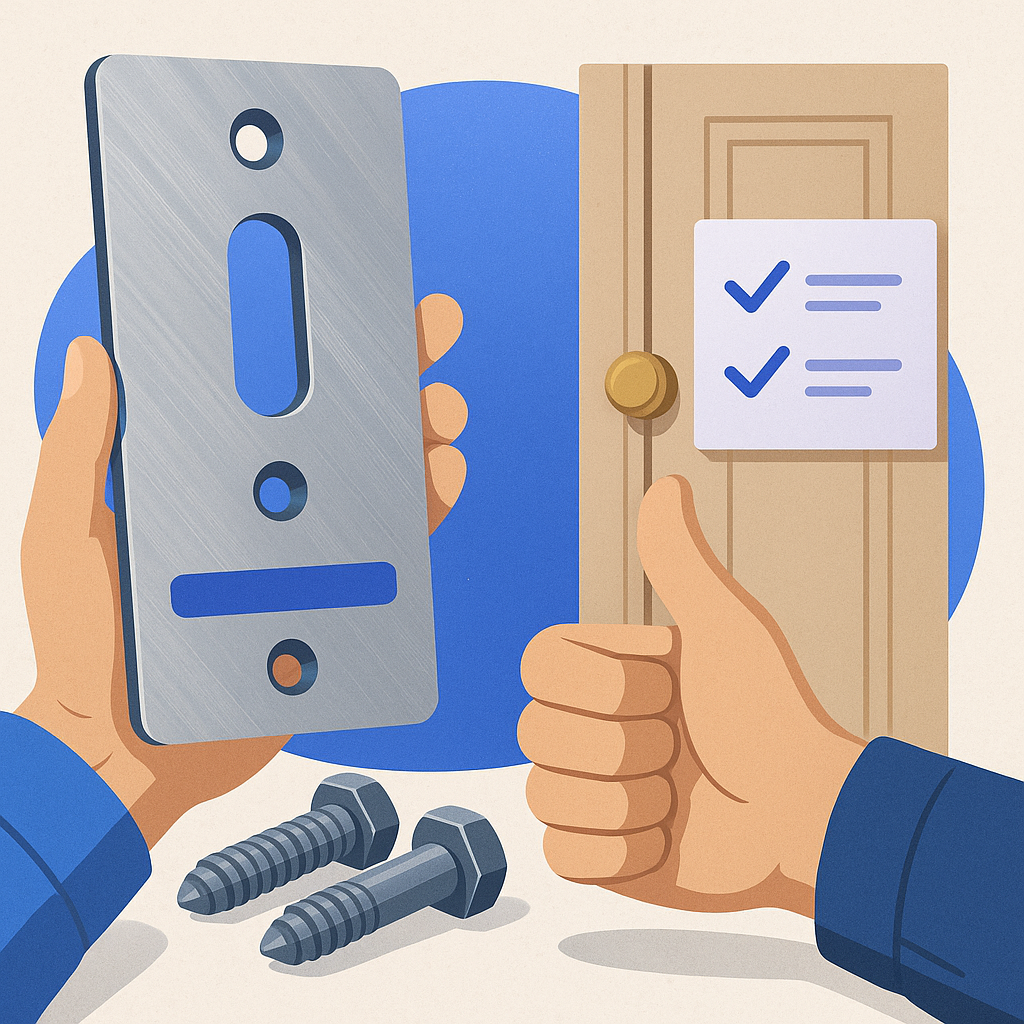
Not every kit is built the same. Three factors separate a solid investment from a waste of money.
Material Quality
Choose high-grade steel. It resists rust, holds under impact, and does not degrade over time the way cheaper alloys do. If the product description does not specify the steel grade, that is a signal to keep looking.
Compatibility
Most kits are sized for standard doors. Verify the dimensions before you buy. A kit that does not fit correctly is worse than no kit at all — it creates a false sense of security while leaving gaps in coverage.
Installation Process
Many kits are designed for DIY installation. If you are comfortable with a drill and a measuring tape, you can handle it. If you are not confident in the fit or alignment, bring in a professional. A correctly installed kit at a slightly higher cost outperforms a poorly installed one every time.
Step-by-Step Installation Guide

The installation process is straightforward. Follow these steps and you will have it done in under two hours.
- Gather Tools: You need a drill, a screwdriver, and a measuring tape. That is it.
- Remove Existing Hardware: Pull off the current strike plate and hinges before anything else.
- Install Door Jamb Reinforcement: Align it flush with the door frame and drive the screws in tight.
- Attach Hinge Reinforcement: Swap out the old hinges for the reinforced set. Secure each one fully before moving to the next.
- Secure Strike Plate Reinforcement: Align it precisely with the lock bolt path and fasten it firmly.
Done correctly, this sequence transforms your entry door from a liability into a genuine deterrent.
Cost and ROI Analysis

A quality door reinforcement kit runs between $50 and $200 depending on the brand and materials. Compare that to the average cost of a residential burglary — the FBI puts property loss alone at over $2,600 per incident, before you factor in repairs, insurance deductibles, and the time lost dealing with the aftermath. The math is not complicated. You are spending $200 to protect against a $2,600-plus event. That is a return worth taking seriously.
Next Steps for Homeowners
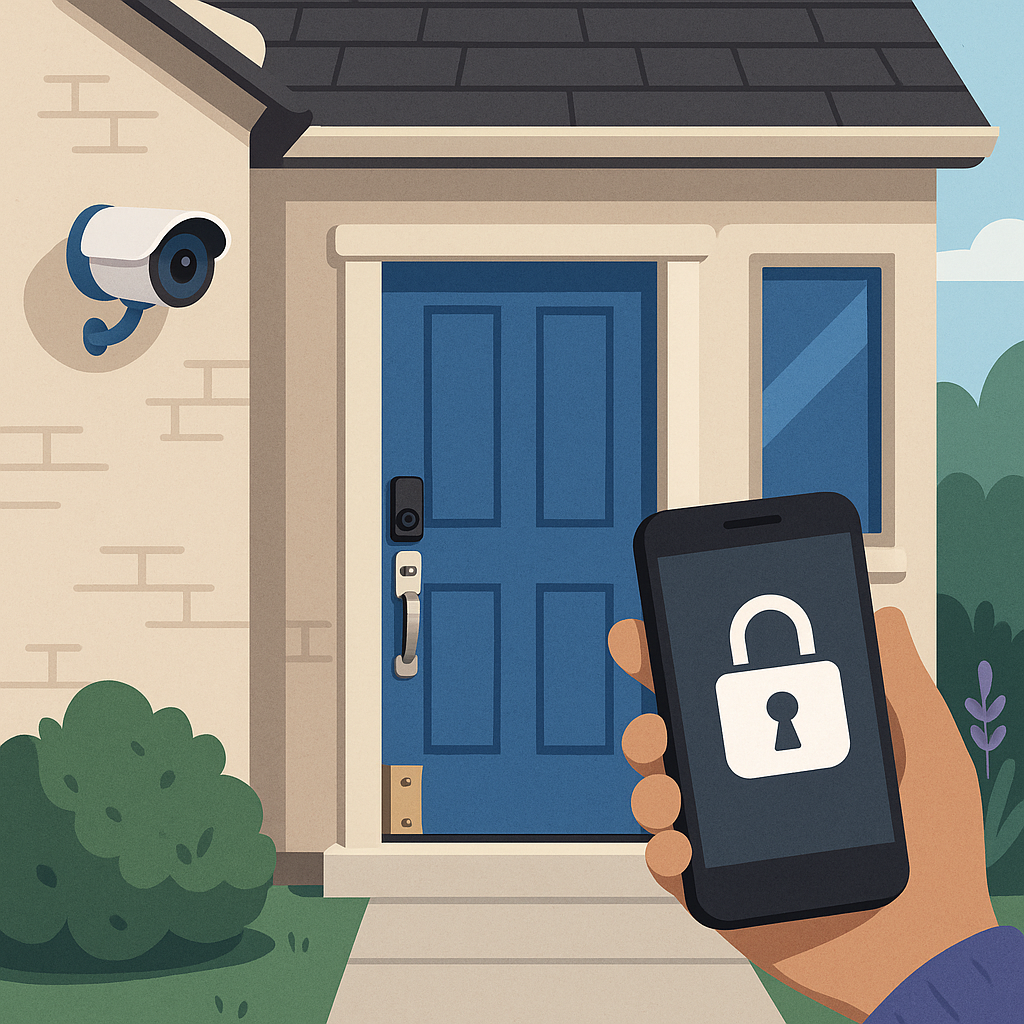
Once the kit is installed, layer on additional measures. Surveillance cameras at entry points. Smart locks that log access and can be controlled remotely. Each addition raises the cost of entry for anyone with bad intentions. For more on building a systematic, no-nonsense approach to home security, visit ArcanoLabs’ blog.
A door reinforcement kit is not a luxury upgrade. It is a baseline. Understand the components, match the kit to your door, install it correctly, and you have meaningfully reduced your exposure to forced entry. That is a concrete outcome from a single afternoon of work.
Advanced Security Strategies with Door Reinforcement Kits
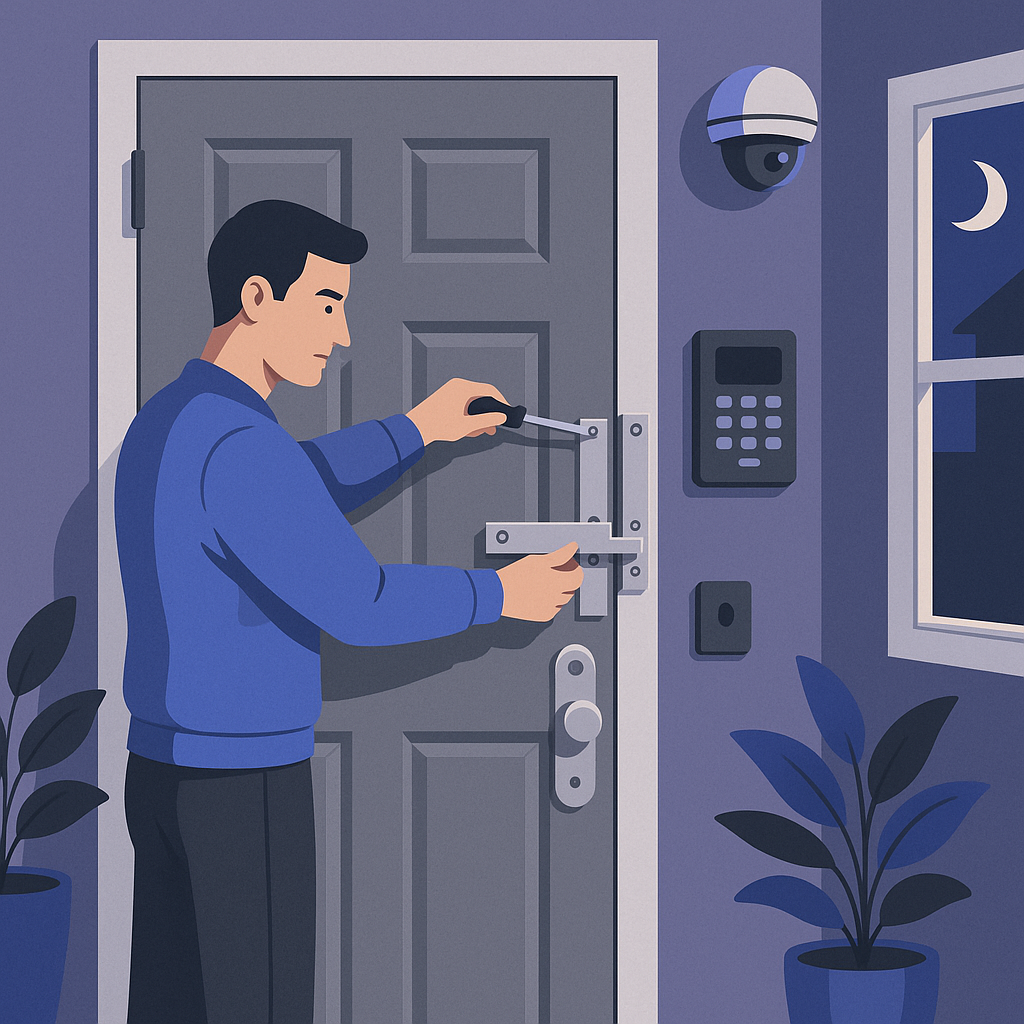
A reinforcement kit hardens your entry point. But the operators who build genuinely secure homes do not stop there. They stack layers. Each layer raises the cost and complexity of a breach until the risk-reward calculation no longer favors the intruder.
Layered Security Approaches
Build your security system the same way you would build any repeatable system — one reliable layer at a time:
- Surveillance Systems: Position cameras at every entry point. Modern systems offer motion detection and real-time remote viewing from your phone. Visibility alone changes behavior.
- Smart Locks: Keyless entry with remote control adds both security and operational convenience. You know exactly who entered and when.
- Alarm Systems: Door alarms that trigger on unauthorized entry and connect directly to your phone or local law enforcement close the response-time gap significantly.
Maintenance and Regular Checks
A reinforcement kit that is not maintained is a kit that will eventually fail when it matters most. Stay ahead of it:
- Inspect Hardware: Check all components periodically for wear, corrosion, or loosened screws. Replace anything that shows fatigue before it becomes a liability.
- Test Security Systems: Run your alarms and cameras on a regular schedule. Update firmware. A system with an unpatched vulnerability is not a security system — it is a false signal.
Checklist for Enhancing Home Security with Door Reinforcement Kits
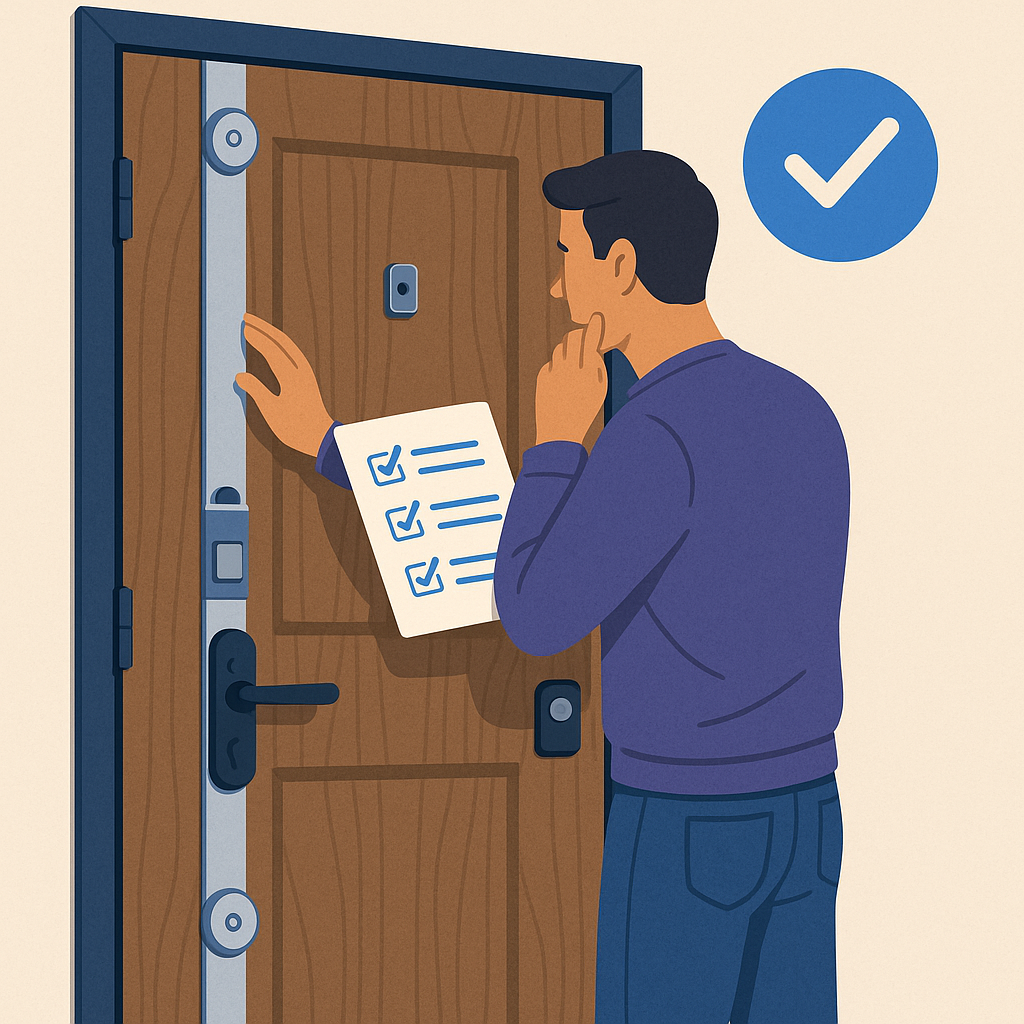
Use this checklist to confirm you are getting full value from your door reinforcement kit:
- Verify that all kit components are properly installed and fully secured.
- Confirm compatibility between the reinforcement kit and any smart locks or camera systems you are running.
- Schedule regular maintenance checks on the kit and all connected security devices.
- Keep security system software current to protect against emerging threats.
- Brief every household member on how to use the security systems and what to do in an emergency.
FAQs About Door Reinforcement Kits
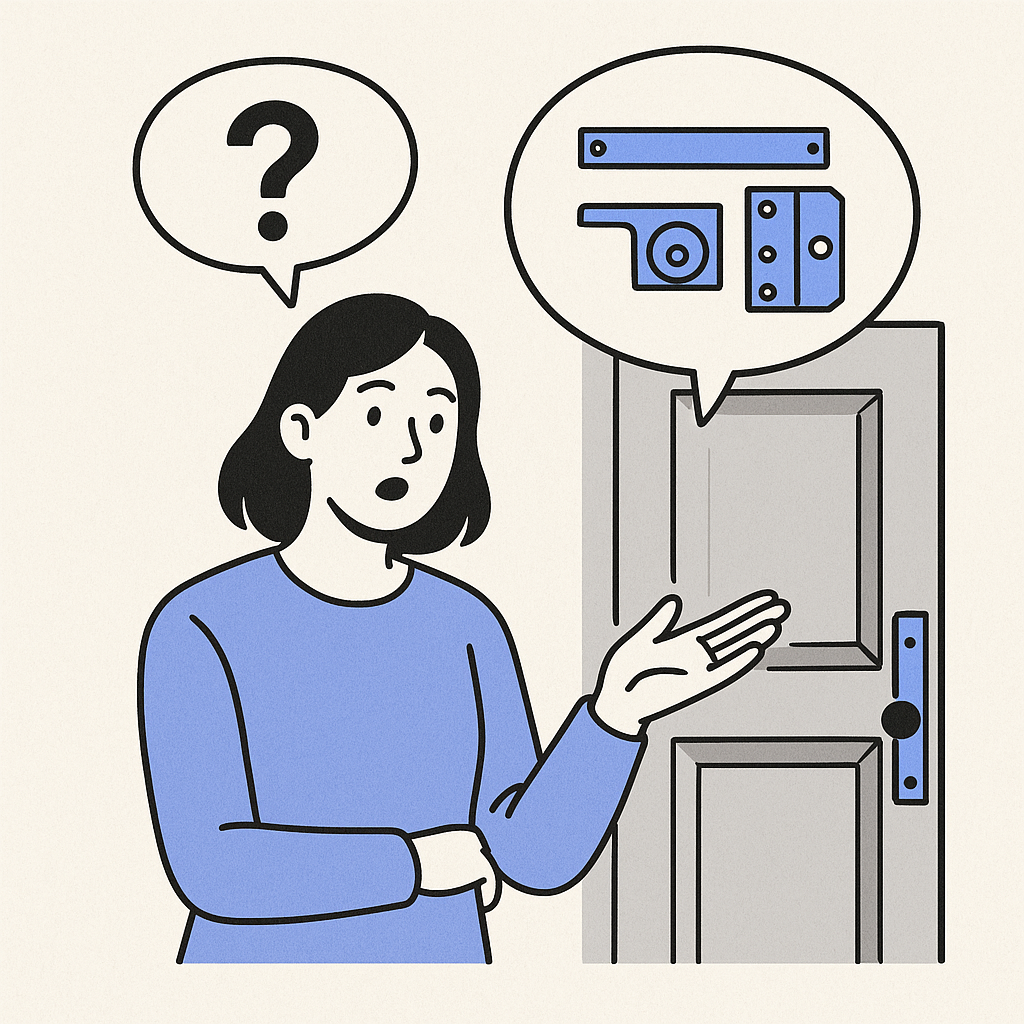
The questions homeowners ask most often — answered directly.
Can a door reinforcement kit be installed on any type of door?
Most kits are engineered for standard wooden doors. Options exist for metal and fiberglass doors as well. Check the manufacturer’s specifications before purchasing. Compatibility is not something to assume.
Will a door reinforcement kit affect the appearance of my door?
Reinforcement kits are primarily functional, but most are designed to sit discreetly against existing hardware. If appearance matters to you, look for a finish that matches your current door hardware before committing to a specific kit.
Is professional installation necessary for door reinforcement kits?
Many kits are DIY-friendly. If you are confident with basic tools, you can handle it yourself. If alignment or fit is uncertain, professional installation is worth the added cost. A correctly fitted kit is the only kind that performs as advertised.
Key Performance Indicators (KPIs) for Home Security
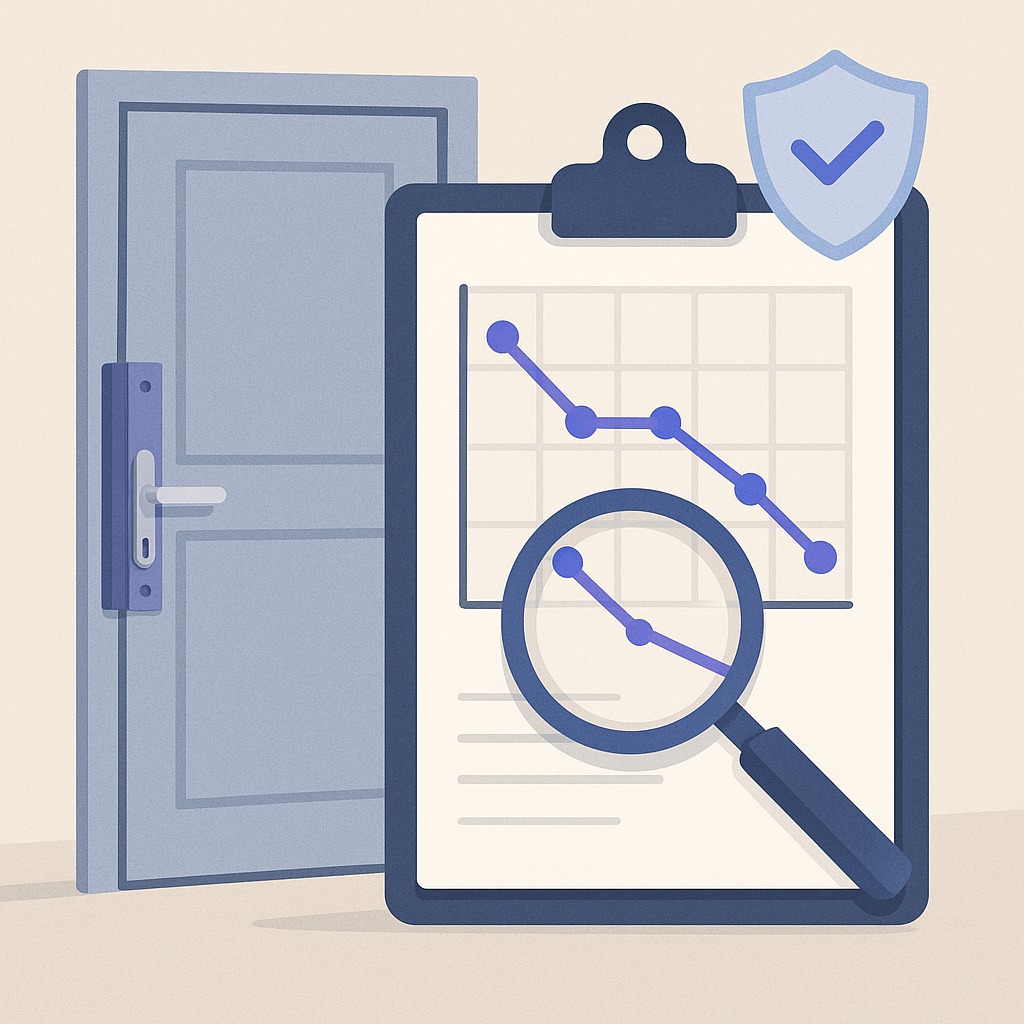
Installing the kit is step one. Measuring its effectiveness is what keeps your security posture sharp. Track these three indicators:
- Reduction in Unauthorized Entry Attempts: Note any decrease in suspicious activity or attempted access around your property over time.
- Response Time: Measure how quickly your security system alerts you and how fast local law enforcement responds to a triggered alarm.
- System Uptime: Track the operational reliability of your cameras and alarms. Downtime is exposure. Minimize it.
Monitor these numbers consistently. Adjust where the data tells you to. A security system you are not measuring is one you are not managing.
Emergency Response Planning with Reinforcement Kits
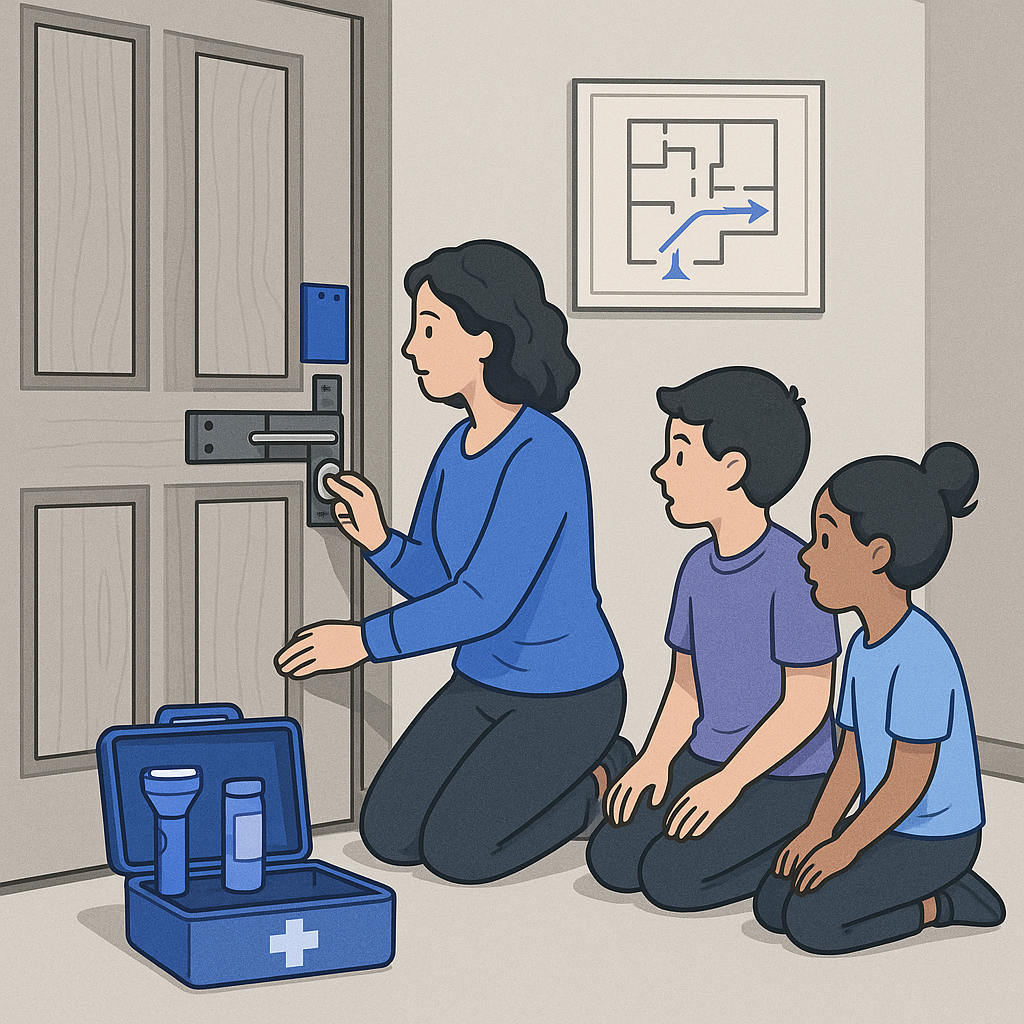
Hardware alone does not complete the picture. Your household needs a plan for what happens if a breach occurs despite your defenses. Build that plan around three pillars:
- Family Drills: Run regular drills so every household member knows exactly what to do during a security breach. Clarity under pressure comes from repetition, not instinct.
- Communication Protocols: Establish a clear chain of contact — who calls whom, and in what order — when an incident unfolds.
- Safe Zones: Identify designated secure areas inside the home where family members can shelter while waiting for emergency services to arrive.

Leave a Reply