

Navigating Market Disruptions: Essential Strategies for Marketing Professionals
Markets shift without warning. The operators who survive are not the ones who react fastest — they are the ones who built systems before the floor dropped out. If your marketing strategy depends on conditions staying stable, you are already exposed. Here is how to build in silence and come out ahead when everything around you changes.

Understanding Market Disruptions

Disruptions come from technology shifts, economic pressure, and events nobody saw coming. They do not ask permission. They overturn established business models and reshape consumer behavior overnight. The rise of AI in content creation alone has forced marketing teams to rethink their entire approach — demanding sharper foresight and faster execution than most organizations were built to deliver.
Case Study: The E-commerce Boom
When COVID-19 hit, traditional retail did not slow down — it collapsed in weeks. Consumers moved online. The operators who had already invested in their digital infrastructure and logistics networks did not scramble. They scaled. Amazon reported a dramatic surge in sales precisely because its systems were already built for that moment. The lesson is not complicated: preparation compounds. Reaction costs.
Developing Resilient Marketing Strategies

Resilience is not a mindset. It is a set of decisions made before the disruption arrives. Here is how you build it:
- Scenario Planning: Map out potential disruptions before they happen. Build a response roadmap for each scenario so your team is executing a plan, not improvising under pressure.
- Agile Marketing: Run short cycles. Reassess often. When conditions change, you need the ability to pivot without dismantling everything you have built.
- Consumer Insights: Stay close to the data. Tools like Google Analytics and social listening platforms surface shifts in consumer behavior before they become obvious to everyone else.
During the early months of COVID-19, the marketing teams that moved quickly were the ones already watching real-time data. They adjusted messaging and offers to match what their audiences actually needed — not what they had planned to say three months earlier.
Leveraging Technology and Automation

Technology is not optional anymore. It is the infrastructure that keeps your operation running when human bandwidth runs out.
AI-Powered Content Creation
AI tools like ArcanoLabs’ AutoBlog system remove the bottleneck from content production. They generate, optimize, and publish high-quality content consistently — even when your team is stretched thin. Your brand stays visible. Your organic traffic keeps building. The machine does not take days off.
Automation Tools for Efficiency
Consider integrating tools like n8n automation to eliminate repetitive manual tasks from your workflow. Pair that with scalable infrastructure like Google Cloud and your digital properties stay accessible even when traffic spikes unexpectedly. You stop firefighting and start operating.
Building Owned Traffic Channels
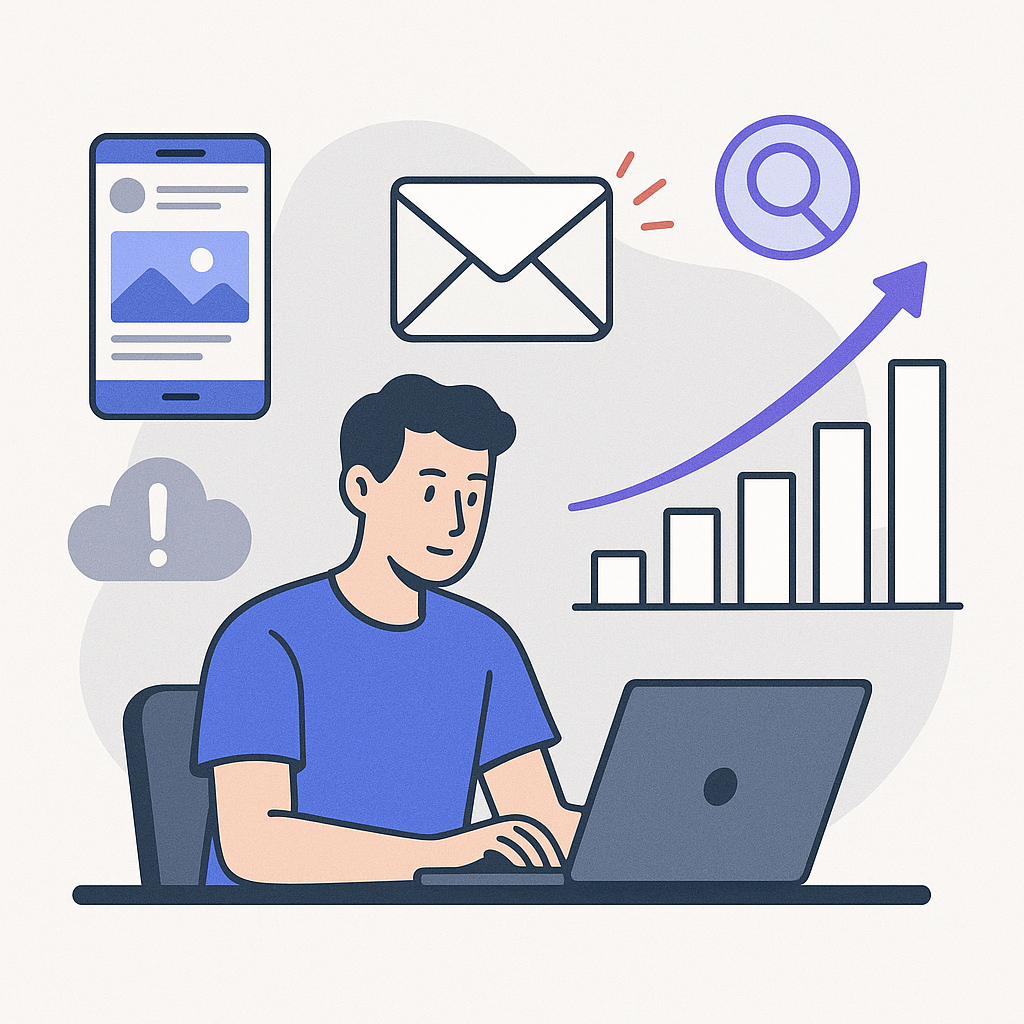
Rented attention is a liability. Social platforms change their algorithms. Ad costs spike. Accounts get restricted. The silent operator builds channels nobody can take away.
- Email Marketing: A direct line to your audience that no platform controls. Tools like Mailchimp let you automate and personalize at scale, keeping communication consistent regardless of what social feeds are doing.
- SEO Strategy: Organic traffic compounds over time. Invest in a disciplined SEO approach — use tools like SEMrush to identify the right keywords and build content that earns rankings. Every page that ranks is an asset working for you around the clock.
Owned channels reduce your exposure to external platforms and give you a stable foundation to operate from — no matter what disruption hits next.
Actionable Steps for Marketing Professionals
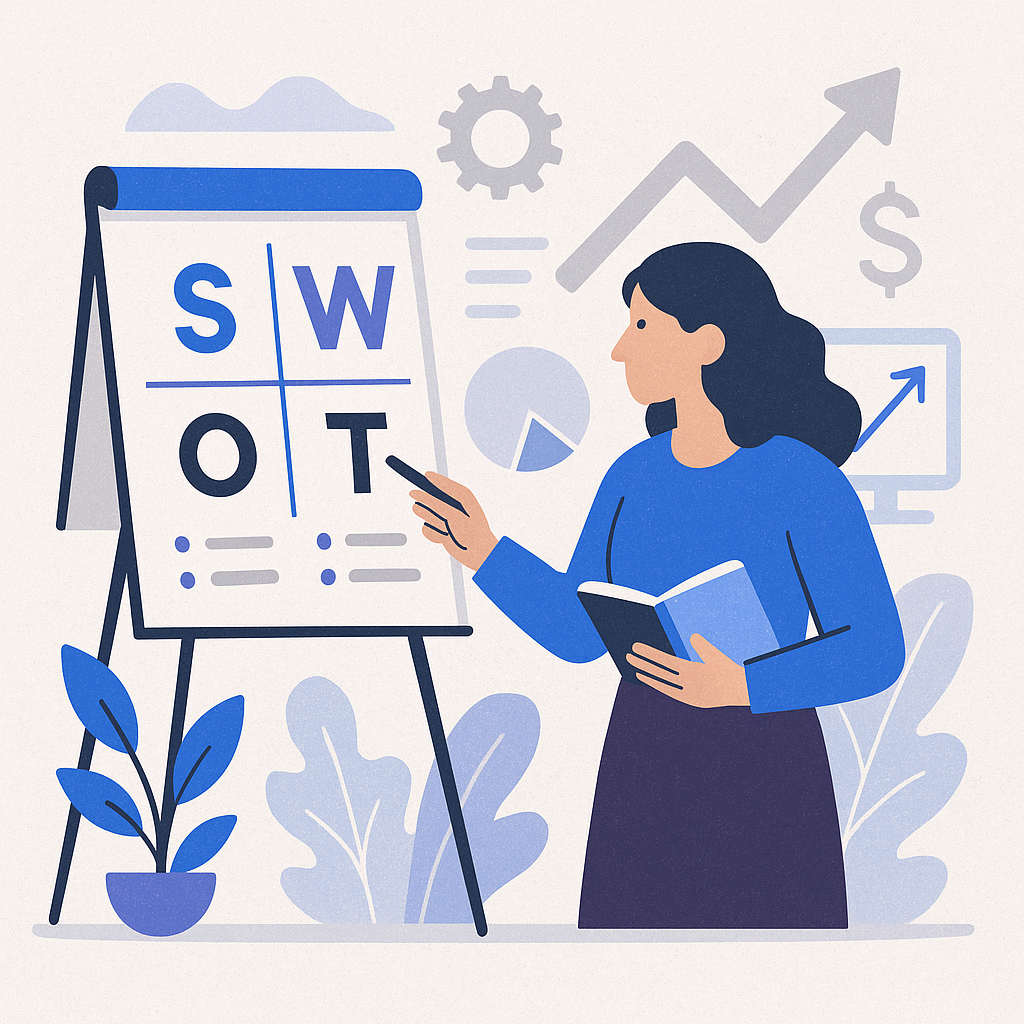
Stop theorizing. Here is the blueprint:
- Conduct a SWOT Analysis: Run it regularly — not once a year. Know your vulnerabilities before the market exposes them for you.
- Invest in Training: Keep your team sharp. Platforms like Coursera deliver targeted upskilling without pulling people off the floor for weeks at a time.
- Foster Collaboration: Break down the silos between departments. The best responses to disruption come from teams that already know how to move together.
- Monitor Competitors: Watch what your competitors do when conditions shift. Their moves are data points. Use them.
Execute these consistently and your organization stops being reactive. You start operating from a position of readiness.
Conclusion: Embrace the Change
Disruptions are not going away. The question is whether you are building for them or hoping they miss you. Adopt resilient systems, deploy the right technology, and own your traffic channels. That is how you come out of a disruption stronger than you entered it. Start by auditing what you have right now — identify the gaps and close them before the next wave arrives.
For more on building durable marketing systems, visit ArcanoLabs’ blog where we break down the strategies and tools that keep operators ahead of the curve.
Adapting to Consumer Behavior Shifts

Consumer behavior does not shift gradually during a disruption. It breaks. Your job is to see the break coming and already have a response in motion.
Real-Time Data Utilization
Real-time analytics are not a nice-to-have. They are your early warning system. Platforms like Google Analytics and Tableau let you track how consumer interactions are changing and adjust your strategy before the trend becomes obvious to everyone else. The operators who act on early signals — not confirmed trends — are the ones who hold their position when the market moves.
Personalization at Scale
Personalization is not about being clever. It is about being relevant. CRM platforms like Salesforce and HubSpot let you segment your audience by behavior, preferences, and purchase history — then deliver communications that actually match where each person is in their journey.
- Dynamic Content: Deploy content on your site and in your emails that adapts based on how users interact with it. Generic messaging loses ground fast during disruptions.
- Behavior-Driven Campaigns: Build campaigns that trigger on specific actions — abandoned carts, repeat visits, product views. Let the data drive the timing, not your calendar.
Collaboration with Cross-Functional Teams
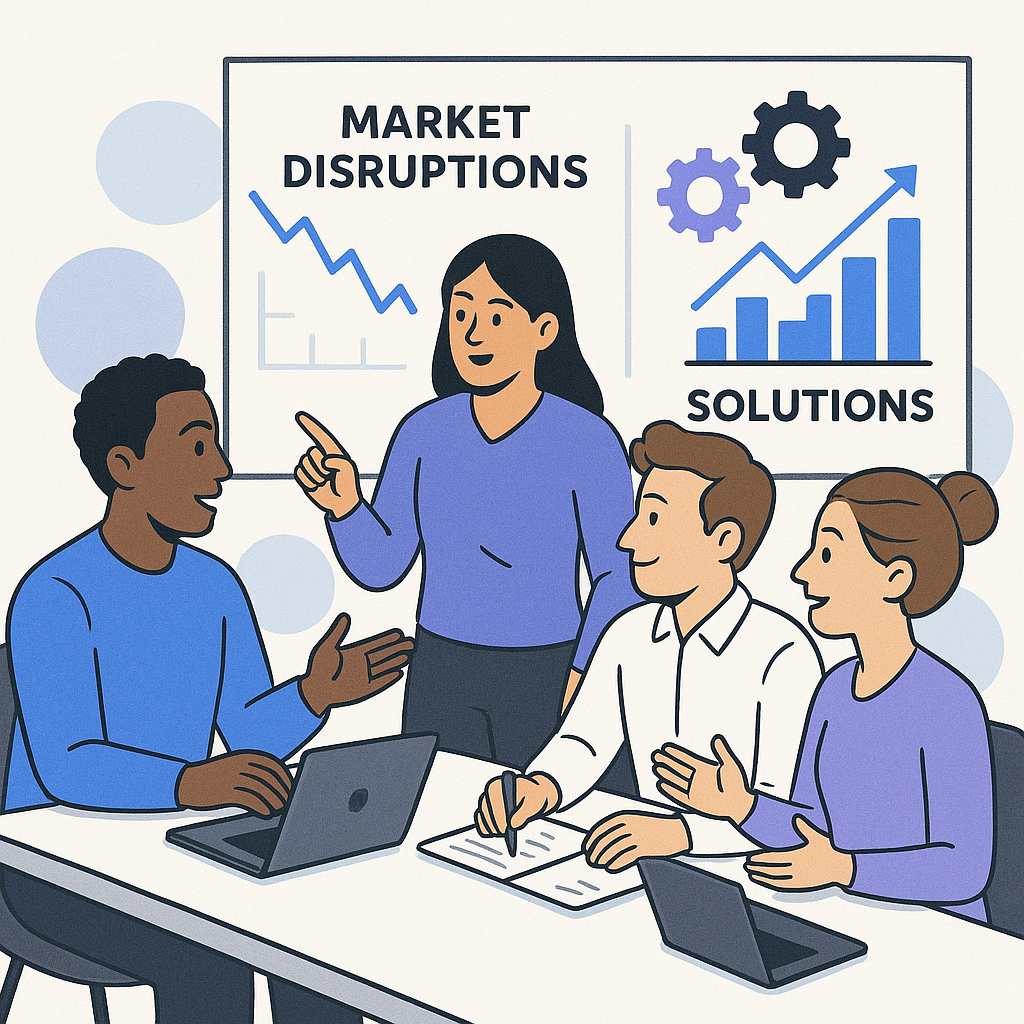
No single department has the full picture during a disruption. The organizations that respond well are the ones where marketing, sales, product, and customer service are already aligned — not scrambling to get on the same page after the fact.
Integrated Communication Systems
Tools like Slack and Microsoft Teams keep communication moving in real time. Everyone sees the same information. Decisions get made faster. Misalignment — the silent killer during a crisis — gets cut off before it compounds.
Cross-Departmental Workshops
Bring your teams together before disruption forces the conversation. Run workshops that put marketing, sales, product, and customer service in the same room with a shared problem to solve. The output is a unified strategy — not four departments pulling in different directions.
- Shared Objectives: Define goals that connect to the company’s overall direction. Everyone needs to know what winning looks like.
- Regular Updates: Schedule consistent check-ins so every department stays current on changes and progress. Silence between teams is how small problems become large ones.
Metrics and KPIs for Measuring Success
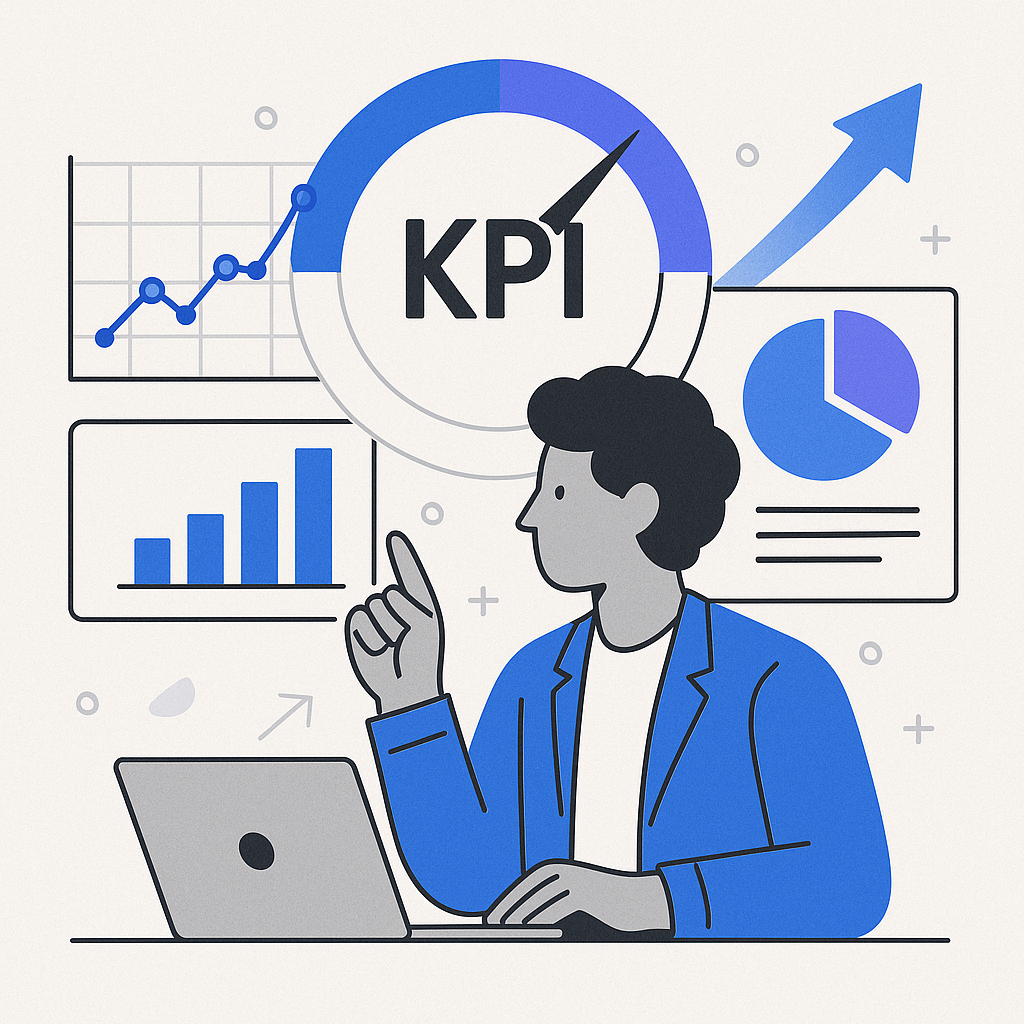
You cannot manage what you do not measure. During a disruption, the wrong metrics will send you in the wrong direction. Track what actually tells you whether your strategy is working.
Key Performance Indicators (KPIs)
Align your KPIs with your strategic priorities. During disruptions, the numbers that matter most are often:
- Customer Retention Rate: Are you holding your existing audience while everything shifts around you? Retention is the foundation. Acquisition means nothing if you are bleeding customers out the back.
- Engagement Metrics: Email open rates, click-through rates, social engagement — these tell you whether your messaging is landing or getting ignored.
- Conversion Rate: Track conversions across every channel. The data will show you exactly where your strategy is working and where it is leaking.
Using Dashboards for Real-Time Monitoring
Build dashboards in Power BI or Google Data Studio that surface your KPIs in real time. A clear visual of your performance means faster decisions and fewer blind spots. When the numbers move, you move — not three weeks later when someone pulls a monthly report.
Track the right things consistently and your strategy stops being a guess. It becomes a system you can tune.
Scenario Planning for Market Disruptions
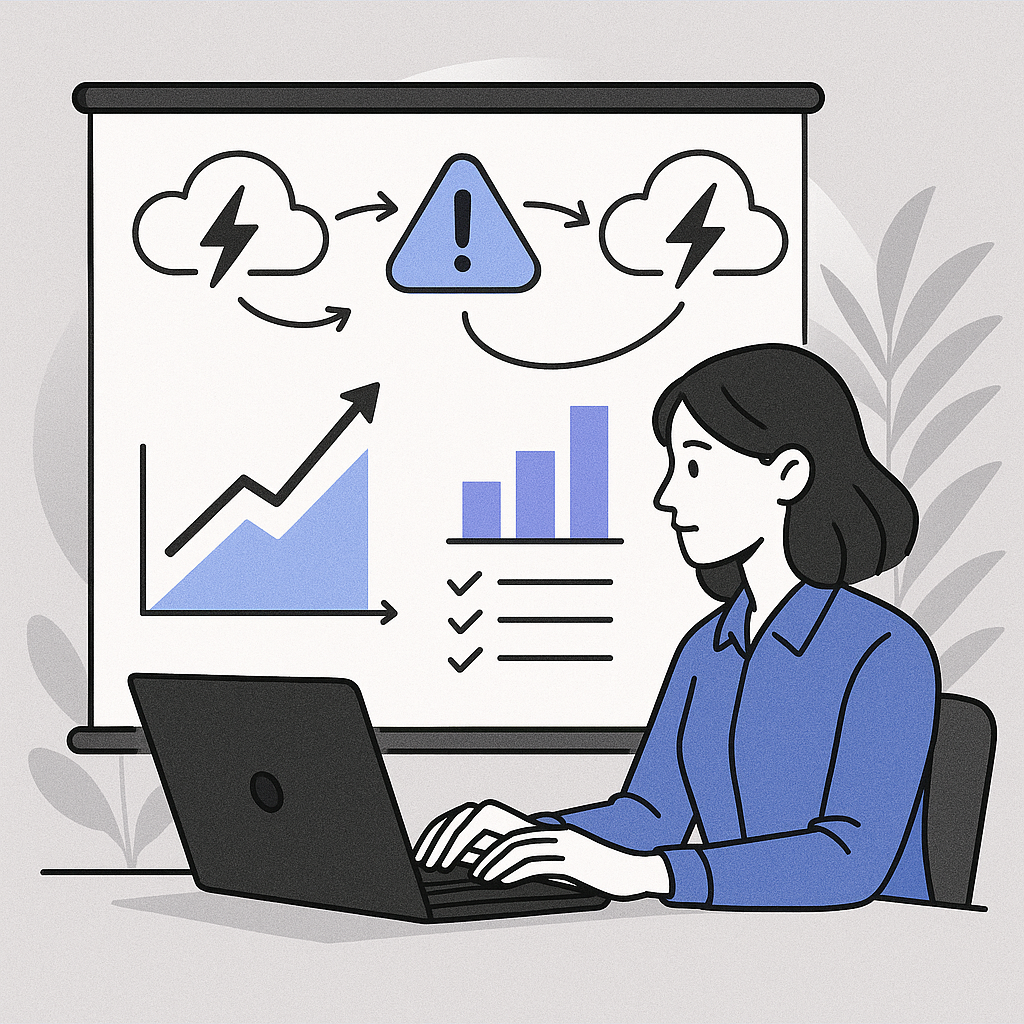
Scenario planning is how the silent operator stays ahead of chaos. You do not wait for the disruption to define your response. You define it first.
- Identify Key Drivers: Pinpoint the forces most likely to reshape your market — technology shifts, regulatory changes, economic pressure. Know which variables carry the most weight.
- Develop Scenarios: Build a range of situations from best-case to worst-case. Each one is a rehearsal. When the real thing happens, you are not starting from zero.
- Strategic Response Plans: For every scenario, document the specific actions you will take. Concrete steps, not vague intentions. When conditions change, you execute the plan.
Revisit and update these scenarios regularly. Markets evolve. Your planning should too. Operators who treat scenario planning as a living process — not a one-time exercise — are the ones who stay agile when it counts.

Leave a Reply