

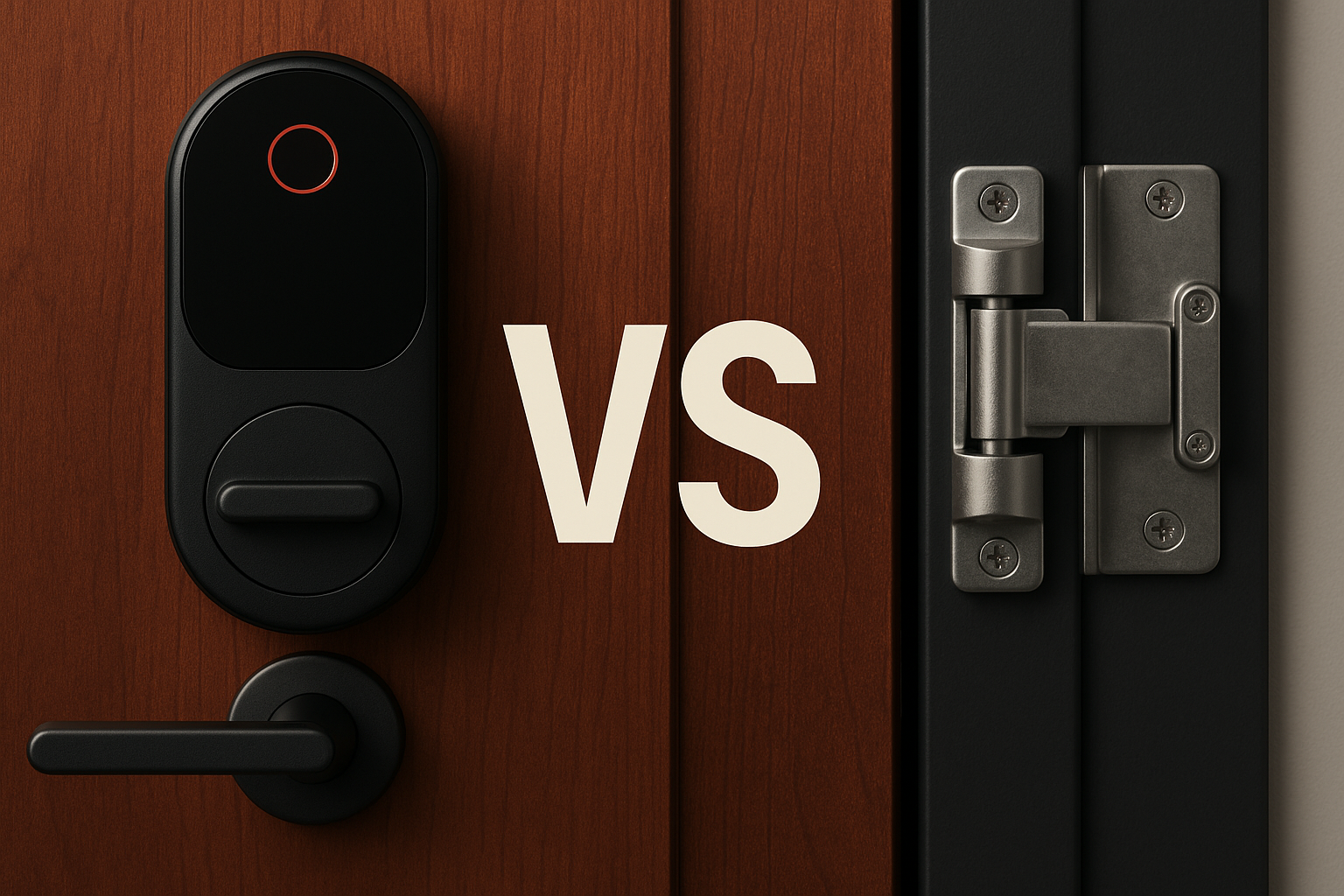
Most homeowners pick one and call it done. That is a mistake. Smart locks and door reinforcement solve different problems — and understanding the difference is the first step toward a front door that actually holds. This breakdown cuts through the noise so you can make a clear, informed decision about where your security dollars go.
Understanding Smart Locks
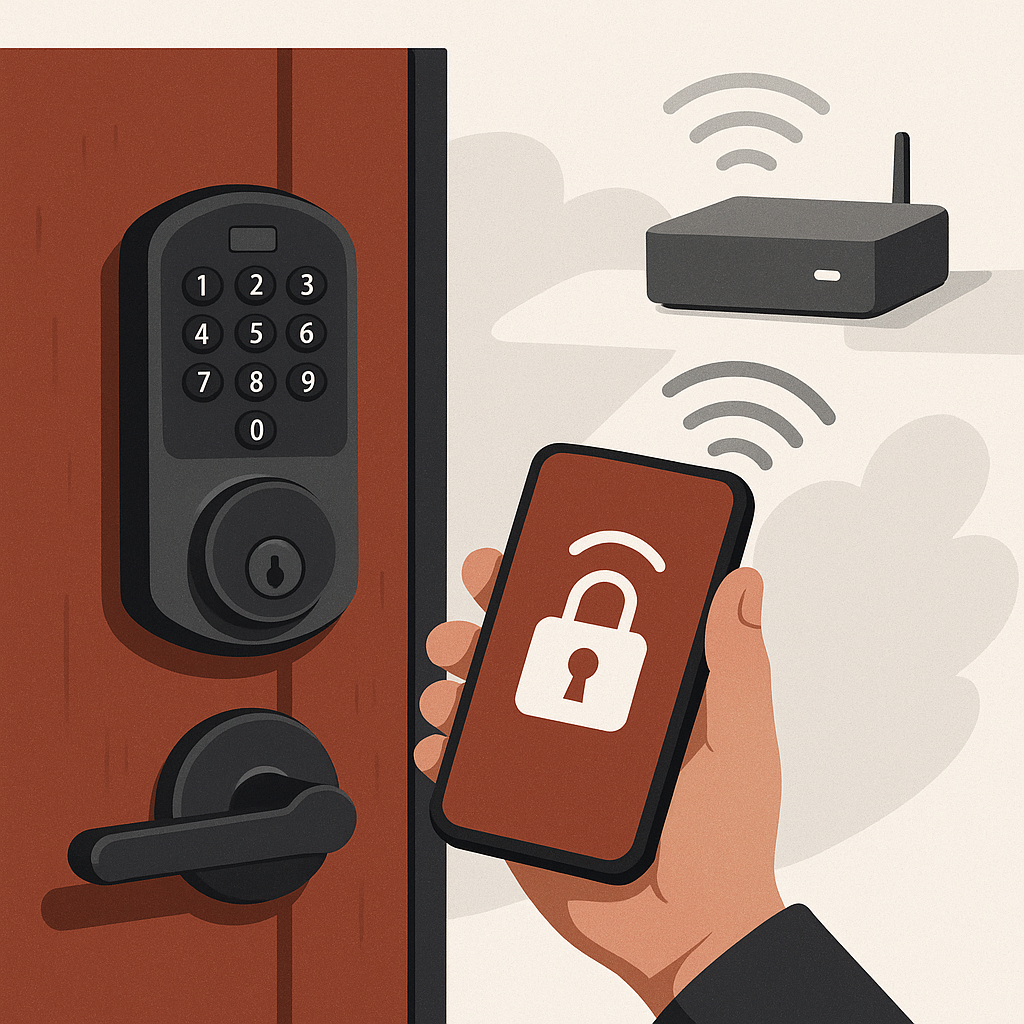
A smart lock is an electronic lock you control through a smartphone app or smart home hub. The access control is real. The convenience is real. But so are the tradeoffs.
- Remote Access: Lock or unlock your door from anywhere your phone has a signal.
- Keyless Entry: A code or your phone replaces the physical key entirely.
- Activity Logs: A timestamped record of every entry and exit — no guessing who came and went.
These features appeal to anyone who wants visibility and control without being physically present. The honest downside: smart locks depend on battery power and carry some exposure to digital vulnerabilities. Neither is a dealbreaker, but both deserve your attention.
Popular Smart Lock Options
Three models consistently earn their place in serious security setups:
- August Smart Lock Pro: Installs over your existing deadbolt. Minimal disruption, solid integration.
- Schlage Encode: Built-in Wi-Fi means no hub required for remote access.
- Yale Assure Lock SL: Clean keyless design with multiple access methods built in.
Expect to spend between $150 and $300 depending on the features you need. That is a one-time cost for a system you will use every single day.
The Case for Door Reinforcement
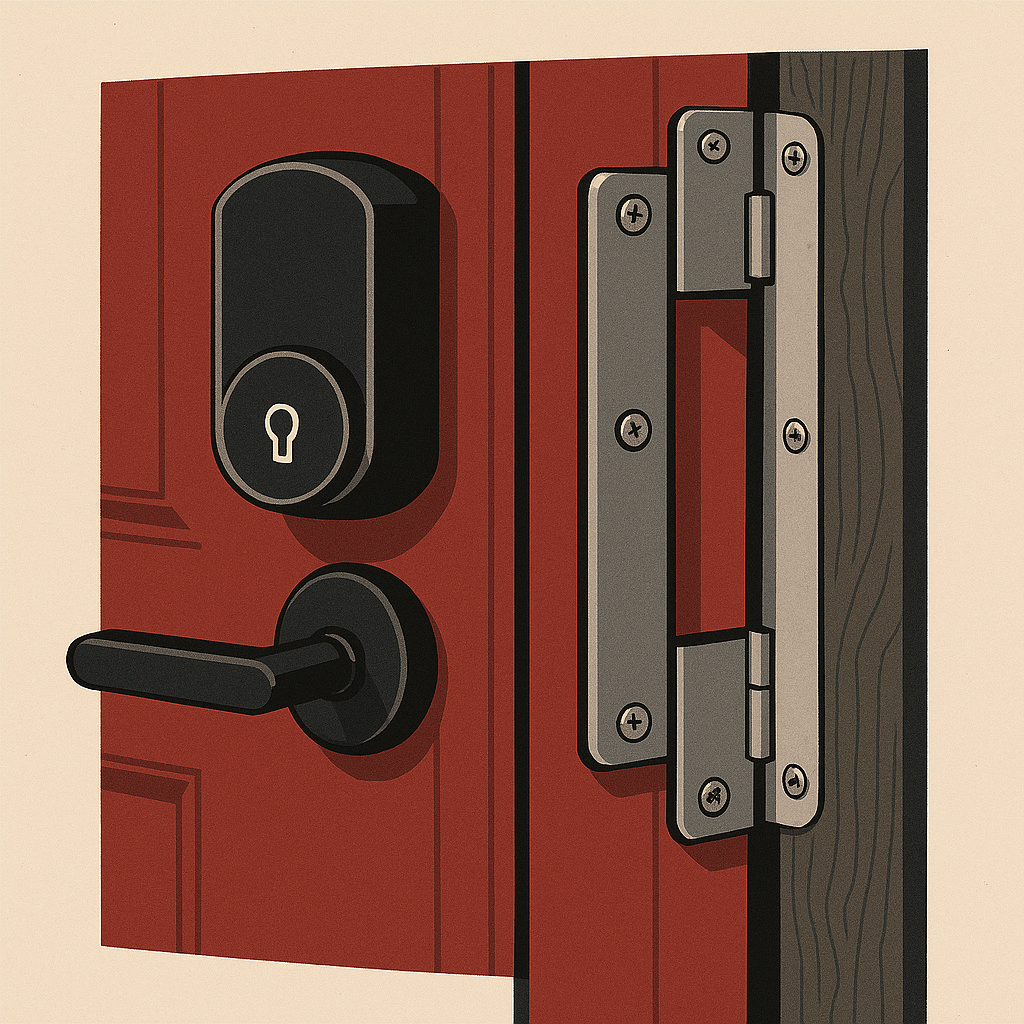
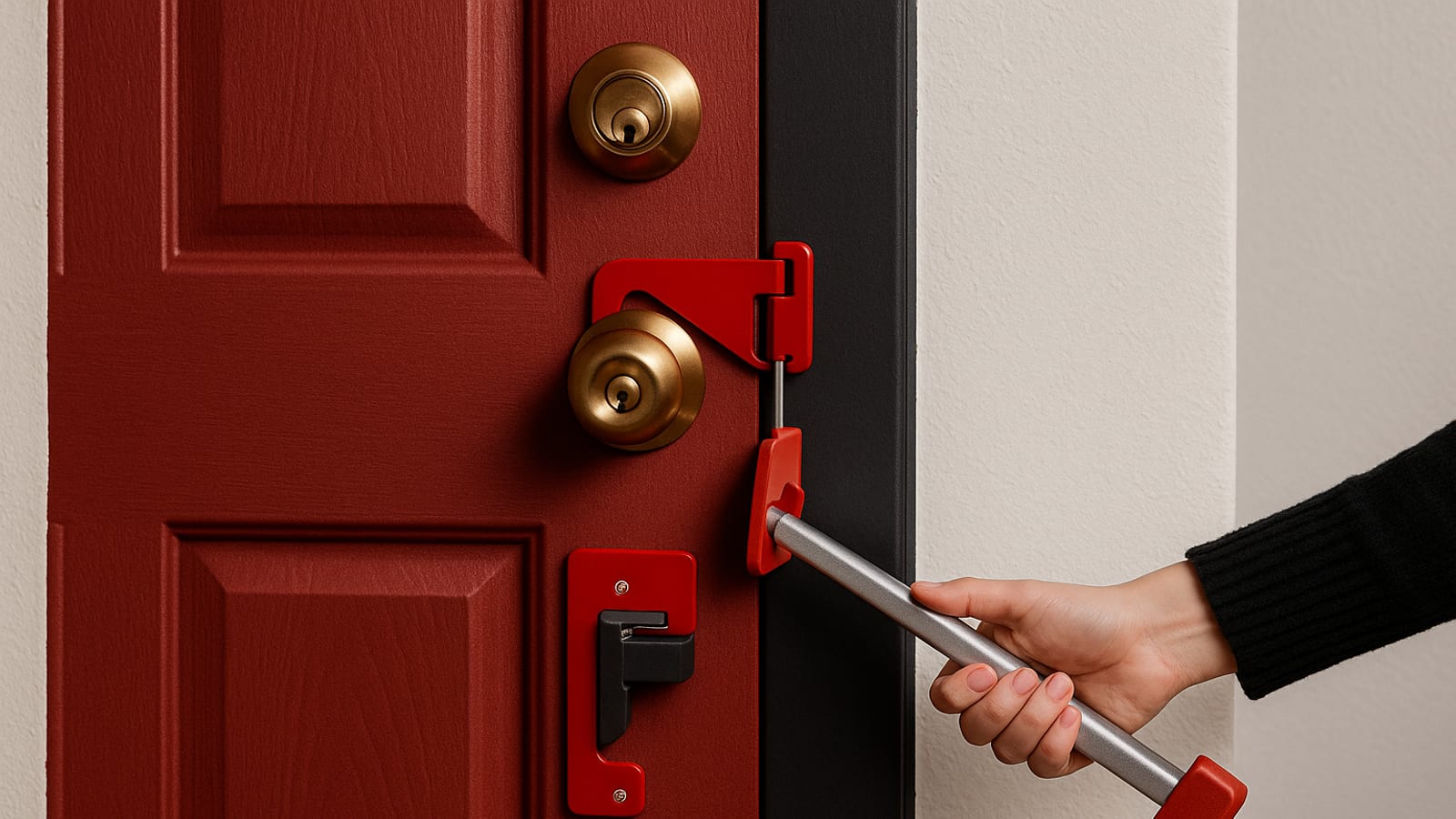
Smart locks control who gets in. Door reinforcement controls whether the door holds at all. Those are two entirely different problems. Reinforcement kits address the physical layer — the part a boot or a shoulder actually hits.
- Door Jamb Reinforcement: Hardens the frame against kick-ins, which is where most forced entries actually succeed.
- Hinge Reinforcement: Locks down the hinges so they cannot be manipulated or removed.
- Strike Plate Reinforcement: Fortifies the area around the lock — the single most common failure point in a break-in.
If you have been wondering how to stop a door being kicked in, reinforcement is the direct answer. A Single Door Security Kit runs about $79 and covers all three failure points on a standard door.
Why Reinforcement Matters
Security experts are consistent on this point: most forced entries happen through front doors. A sophisticated lock on a weak frame is theater. Reinforcement ensures that even if a lock is picked or bypassed, the door itself does not move. That physical resistance is what buys time — and time is what deters most opportunistic intruders.
Smart Locks vs Door Reinforcement: Which Should You Choose?
Wrong question. The right question is: what does your door actually need right now? Work through these factors honestly.
- Security Needs: Remote monitoring and access control point toward a smart lock. Resistance to physical forced entry points toward reinforcement. Most doors need both.
- Budget: Smart locks carry a higher upfront cost. Reinforcement kits deliver significant physical protection at a fraction of the price.
- Installation: Smart locks require a modest technical setup. Reinforcement kits are straightforward — most homeowners handle them without a contractor.
The strongest setup pairs both. A smart lock handles access control and visibility. A reinforcement kit handles the physical reality of what happens when someone decides to force their way in. Together, they close the gaps that either solution leaves open alone.
Step-by-Step Guide to Enhancing Door Security
Ready to build a door that actually holds? Work through this in order.
- Assess Your Current Security: Look at your existing locks and door construction honestly. Identify the weakest point first.
- Select a Smart Lock: Match features to your actual daily routine, not a wishlist.
- Install a Reinforcement Kit: Follow the installation instructions included with kits like the Single Door Security Kit. Do not skip steps.
- Regular Maintenance: Replace smart lock batteries before they fail. Check reinforcement hardware after extreme weather. A system you neglect is a system that fails when it matters.
Advanced Features of Smart Locks
Beyond remote access and keyless entry, the better smart locks carry features worth knowing before you buy.
- Geofencing: Your lock reads your phone’s location and responds automatically — secured when you leave, ready when you return.
- Voice Control Integration: Works with Amazon Alexa, Google Assistant, and Apple HomeKit. Hands-free control when your hands are full.
- Temporary Access Codes: Issue time-limited codes to guests, contractors, or short-term renters. They expire on your schedule, not theirs.
- Two-Factor Authentication: A second verification step — text or email — before access is granted. One more layer between your home and someone who has your code.
These are not gimmicks. Each feature closes a specific gap that a traditional lock cannot address. When you are choosing a model, match the features to the actual scenarios you face — not the most impressive spec sheet.
Common Mistakes to Avoid When Reinforcing Doors
Reinforcement done wrong gives you false confidence. These are the mistakes that undermine the whole system.
- Ignoring the Door Material: Reinforcement kits perform on solid wood or metal doors. A hollow-core door may need to be replaced before reinforcement makes sense.
- Incorrect Installation: Every component needs to be properly seated and fastened. A loose strike plate is nearly as bad as no strike plate.
- Neglecting Other Entry Points: Reinforcing the front door while leaving the back door or windows unaddressed just redirects the problem.
- Overlooking Regular Maintenance: Hardware degrades, especially after harsh weather. Check it on a schedule, not after something goes wrong.
Avoid these and your reinforcement does exactly what it is supposed to do — hold.
Checklist for Comprehensive Home Security
A layered security system is not built in one afternoon. Work through this list methodically.
- Install smart locks on all main entry doors.
- Reinforce all exterior doors with door jamb, hinge, and strike plate reinforcements.
- Secure windows with locks or security film.
- Install security cameras at key entry points.
- Set up motion-sensor lighting around the exterior perimeter.
- Regularly update firmware on all smart security devices.
- Conduct periodic security audits to surface new vulnerabilities before someone else does.
Each item on this list addresses a distinct failure point. Skip one and you have left a gap. Work through all of them and you have built something that actually holds up.
Case Study: Combining Smart Locks and Door Reinforcement
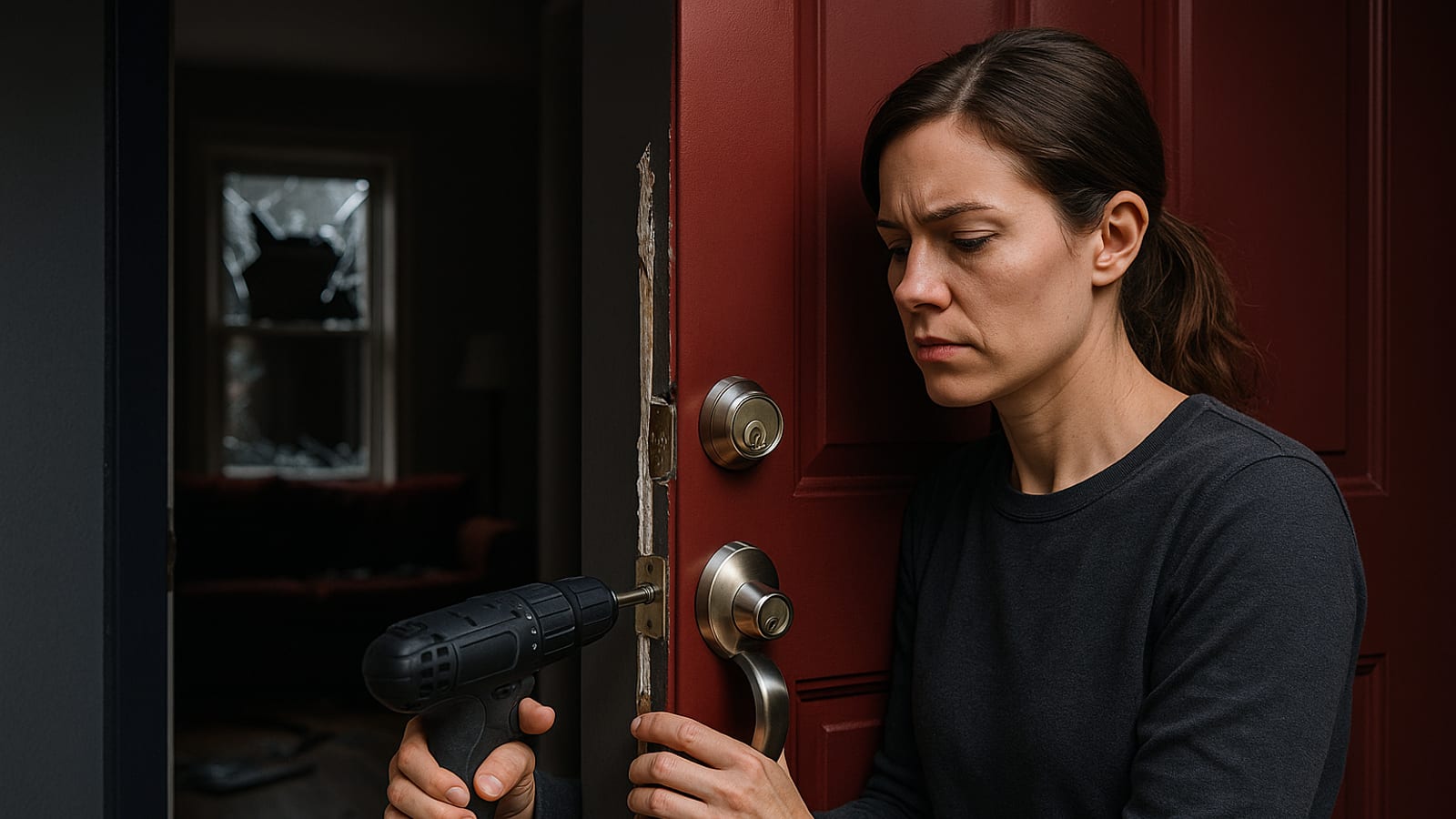
Consider a suburban homeowner — call her Jane — who decided to stop guessing and start building a real system. She installed smart locks on both her front and back doors. Remote access, activity logs, instant notifications if anyone tampered with the hardware. Then she reinforced both doors with a security kit: hardened door jambs, secured hinges, fortified strike plates.
A few months in, the results were clear. When she traveled for work, she could grant access to pet sitters remotely and receive alerts the moment anything unusual happened. The door reinforcement meant that even if someone bypassed the lock, the door itself was not going to give. Jane did not overhaul her entire life to get there. She made two targeted upgrades and closed the gaps that mattered most. That is what a layered approach actually looks like in practice.
Key Performance Indicators for Home Security
You cannot improve what you do not measure. Track these to know whether your system is actually working.
- Unauthorized Access Attempts: Your smart lock logs these. Review them. Patterns matter.
- Response Time to Security Alerts: How fast do you or your monitoring service act when an alert fires? Slow response erases the advantage of early warning.
- System Downtime: Any period when your smart lock or security system is non-functional is a window of exposure. Track it and eliminate the causes.
- Frequency of Maintenance Checks: Scheduled maintenance prevents failures. Log when you check the system so you know when it is overdue.
These numbers tell you whether your security setup is holding its edge or quietly degrading. Review them regularly and act on what you find.
Build the System. Then Maintain It.
The answer is not smart lock or reinforcement. It is both — deployed correctly, maintained consistently. A smart lock gives you visibility and control. Reinforcement gives you a door that does not move when someone decides to test it. Together, they create a system that addresses the digital and physical layers of forced entry. Start with the Single Door Security Kit, pair it with a smart lock that fits your routine, and build from there. For more on what works, visit doorarmor.com and explore the full range of solutions.
Disclosure: this article may contain affiliate links. If you buy through them, we may earn a small commission at no extra cost to you.
Leave a Reply