
The Future of Content Marketing: 2026 Trends You Can’t Ignore
As we edge closer to 2026, the landscape of content marketing is poised for significant transformation. If you’re a business professional or aspiring online entrepreneur, understanding these shifts is crucial for staying ahead. This guide dives into the emerging trends you can’t afford to ignore, offering actionable strategies to integrate these changes into your content marketing strategy.
AI-Driven Content Creation

AI technology is no longer a futuristic concept; it’s a present-day reality reshaping content creation. By 2026, AI tools will become even more sophisticated, enabling marketers to generate high-quality content at scale. Platforms like ArcanoLabs are already pioneering in this space, offering AI-powered AutoBlog systems that consistently produce and optimize content.
Actionable Strategy:
- Integrate AI tools like Jasper or Copy.ai into your workflow for content generation. These platforms offer subscriptions ranging from a few dollars per month to premium packages for larger teams.
- Use AI to analyze audience data and tailor content to specific segments, increasing engagement and conversion rates.
Interactive and Immersive Content

Static content is making way for interactive and immersive experiences. By 2026, expect to see a surge in the use of augmented reality (AR) and virtual reality (VR) in content marketing. These technologies allow for more engaging storytelling, which can significantly boost user interaction and retention.
Actionable Steps:
- Explore tools like Unity or Unreal Engine to create VR content. While these require a learning curve, they offer immense potential for content marketers willing to innovate.
- Consider partnering with AR platforms to develop interactive ads that engage users in a novel way.
Data-Driven Personalization

Personalization is evolving from simple name inserts to highly tailored content experiences based on user behavior and preferences. By leveraging data analytics, marketers can create personalized content pathways that guide users through a journey tailored to their unique needs.
Step-by-Step Guide:
- Utilize tools like Google Analytics and Hotjar to gather insights on user behavior.
- Develop a content strategy that segments users based on behavior, demographics, and preferences.
- Implement personalization engines like Dynamic Yield or Optimizely to deliver customized content experiences.
Owned vs. Rented Traffic
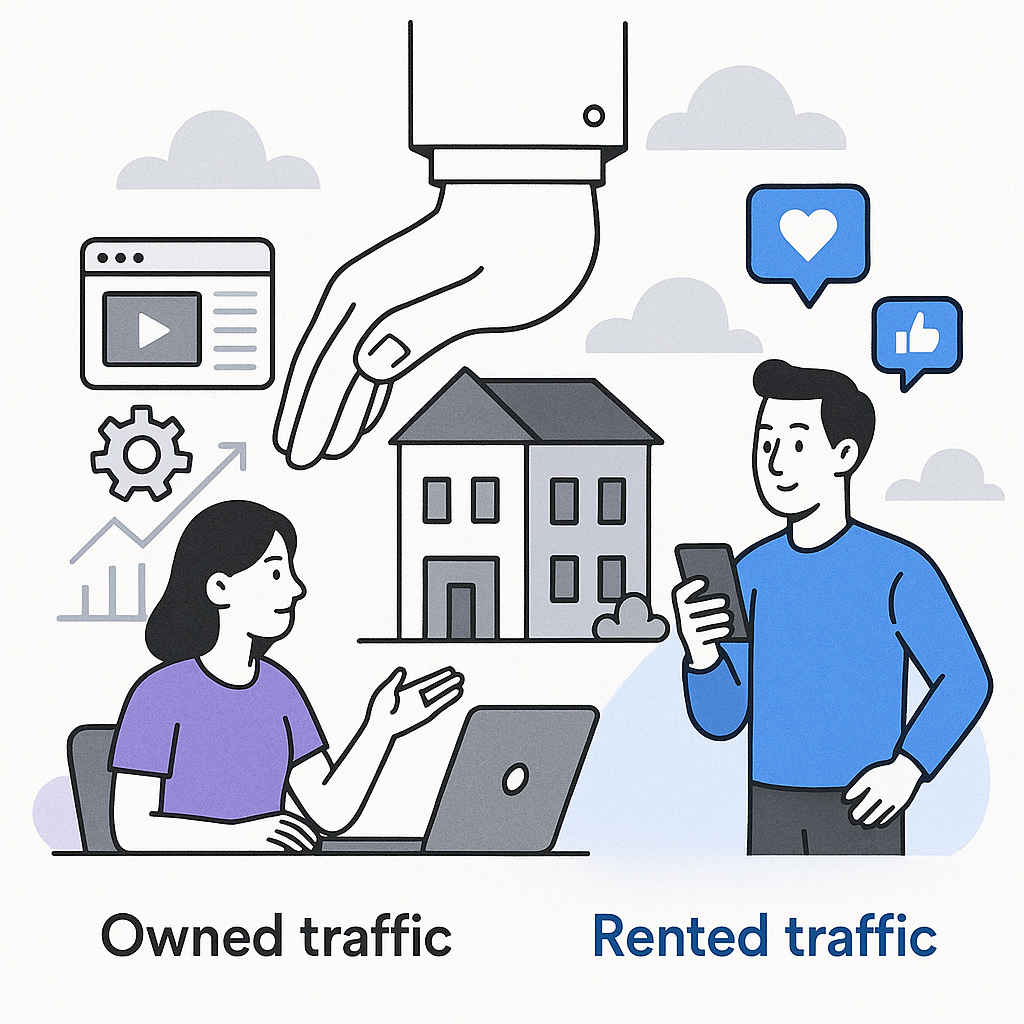
As reliance on social media platforms grows, the distinction between owned and rented traffic becomes more critical. By 2026, businesses will increasingly prioritize building their own channels to reduce dependency on third-party platforms.
Strategic Approach:
- Invest in SEO and content marketing to grow organic traffic. Consider tools like Semrush or Ahrefs for keyword research and tracking.
- Develop an email marketing strategy using platforms like Mailchimp or ConvertKit to nurture leads directly.
Automation and Workflow Optimization

Automation tools are set to revolutionize content marketing workflows. By 2026, leveraging automation will be essential for efficiency and scalability. Tools like n8n and Zapier allow marketers to automate repetitive tasks, freeing up time for strategic activities.
Implementation Guide:
- Identify repetitive tasks in your content workflow that can be automated, such as social media posting or email follow-ups.
- Use automation platforms like n8n to create workflows that streamline these tasks. Start with free plans and scale as needed.
- Regularly review and optimize your automated processes to ensure they remain effective and aligned with your goals.
Conclusion and Next Steps
As we approach 2026, adapting to these content marketing trends is not just beneficial—it’s essential. From AI-driven content creation to mastering owned traffic, the future requires a strategic and informed approach. Begin by integrating these trends into your current strategy, leveraging tools and platforms that align with your objectives.
For more insights and tools to enhance your content marketing strategy, visit the ArcanoLabs blog. Stay ahead of the curve and transform your approach to content marketing today.
Voice Search Optimization

With the increasing prevalence of voice-activated devices, optimizing content for voice search is becoming indispensable. By 2026, voice search is expected to account for a significant portion of online searches, driven by the convenience of using smart speakers and mobile devices.
Key Optimization Techniques:
- Conversational Keywords: Focus on long-tail keywords that mimic natural speech patterns. Voice queries are typically longer and more conversational than typed ones.
- Featured Snippets: Aim to capture featured snippets, as these are often read aloud by voice assistants. Structure your content to answer common questions clearly and concisely.
- Local SEO: Many voice searches are locally focused. Ensure your business information is up-to-date on Google My Business and other relevant directories.
Implementation Checklist:
- Research common voice search queries related to your industry using tools like AnswerThePublic or SEMrush.
- Update your content to include natural language and question-based phrases.
- Optimize your website’s loading speed, as fast sites are prioritized in voice search results.
Content Marketing Metrics for 2026
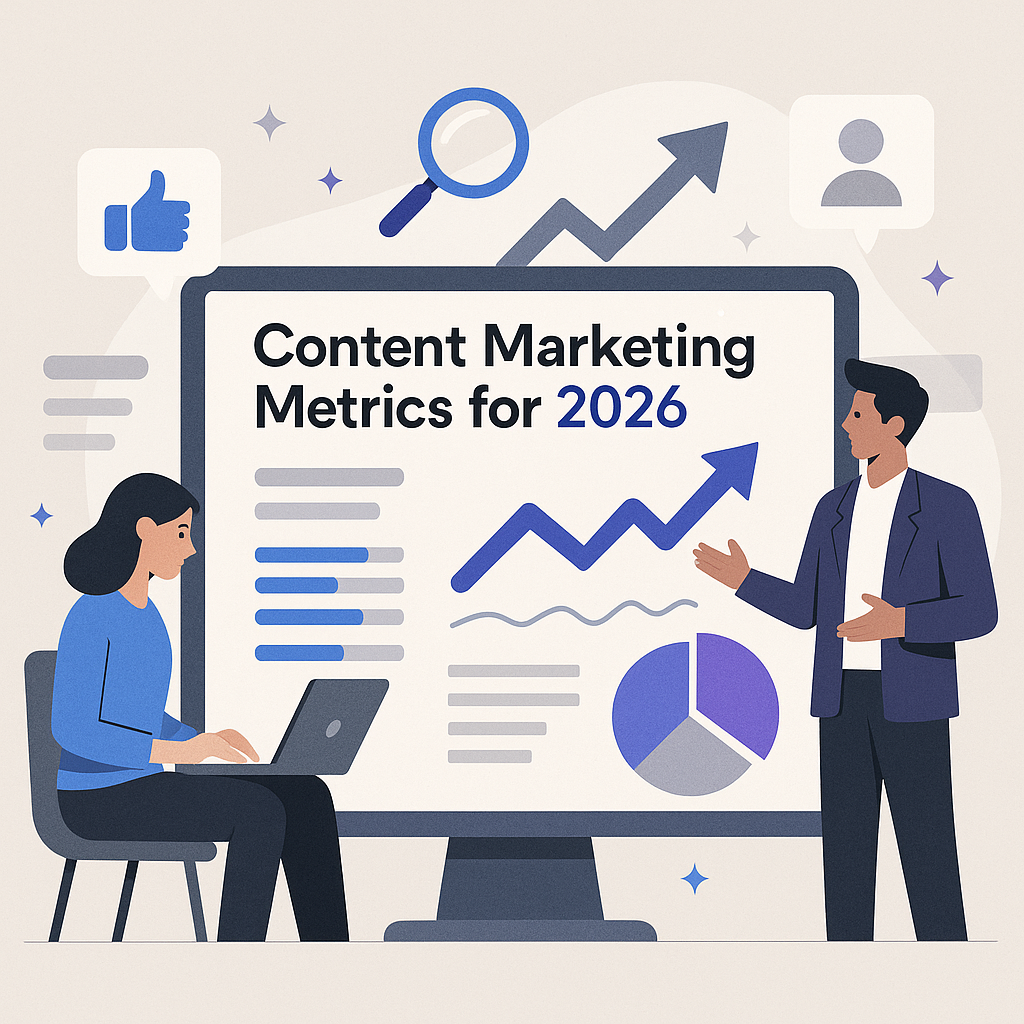
As the landscape evolves, so too must the metrics by which we measure success. By 2026, traditional metrics will be supplemented by more nuanced indicators that reflect the complexity of modern content strategies.
Advanced Metrics to Track:
- Engagement Depth: Go beyond simple time-on-page metrics to measure how deeply users engage with your content. Tools like Scroll Depth can provide insights.
- Content Influence: Assess the impact of your content on brand perception and customer journey. Use brand sentiment analysis tools to gauge shifts in perception post-engagement.
- Content Efficiency: Calculate the ROI of content by comparing production costs against generated leads, conversions, and revenue.
Key Performance Indicators (KPIs):
- Track the conversion rate of personalized content versus generic content to evaluate the effectiveness of personalization strategies.
- Monitor the growth of owned traffic channels such as email subscriptions and direct website visits to measure independence from rented platforms.
Case Study: Interactive Content Success

Consider the case of a mid-sized ecommerce company that revamped its content strategy to include interactive elements. By integrating AR into their product pages, they allowed customers to visualize products in their own space before purchasing.
Results and Insights:
- Increased Engagement: The interactive content led to a 30% increase in time spent on site and a 20% boost in conversion rates.
- Enhanced Customer Experience: Customers reported higher satisfaction levels, citing the ability to interact with products virtually as a key factor.
- Scalability: The company plans to expand these efforts, integrating VR experiences in their next phase to further enhance customer engagement.
This case underscores the potential of interactive content to not only engage but also convert users by providing a richer, more immersive experience.
FAQs on Future Content Marketing Trends

How can small businesses leverage AI for content creation?
Small businesses can start by using accessible AI tools like Grammarly for editing and Jasper for content ideation. These tools offer affordable plans and can significantly enhance content quality without the need for a large team.
What are some affordable ways to create immersive content?
Begin with simple interactive elements like polls or quizzes using platforms like Typeform. For more advanced immersive content, consider using DIY tools such as SeekBeak for 360° photos and videos, which require minimal investment compared to full-scale VR development.
What should be prioritized: owned or rented traffic?
While both are important, building and nurturing owned traffic should be a priority. It offers long-term stability and reduces dependency on third-party platforms that can change algorithms or policies at any time.
Ethical Considerations in AI Content Marketing

As AI becomes integral to content marketing, ethical considerations are paramount. Ensuring transparency in AI-generated content is crucial for maintaining trust with audiences.
Guidelines for Ethical AI Use:
- Transparency: Clearly disclose when content is AI-generated to uphold honesty and credibility.
- Bias Mitigation: Regularly audit AI tools to identify and correct biases, ensuring fair representation across content.
- Data Privacy: Adhere to data protection regulations like GDPR to safeguard user data used in AI personalization.
By adhering to these guidelines, businesses can leverage AI responsibly while fostering trust and maintaining ethical standards in their content marketing strategies.

Leave a Reply