
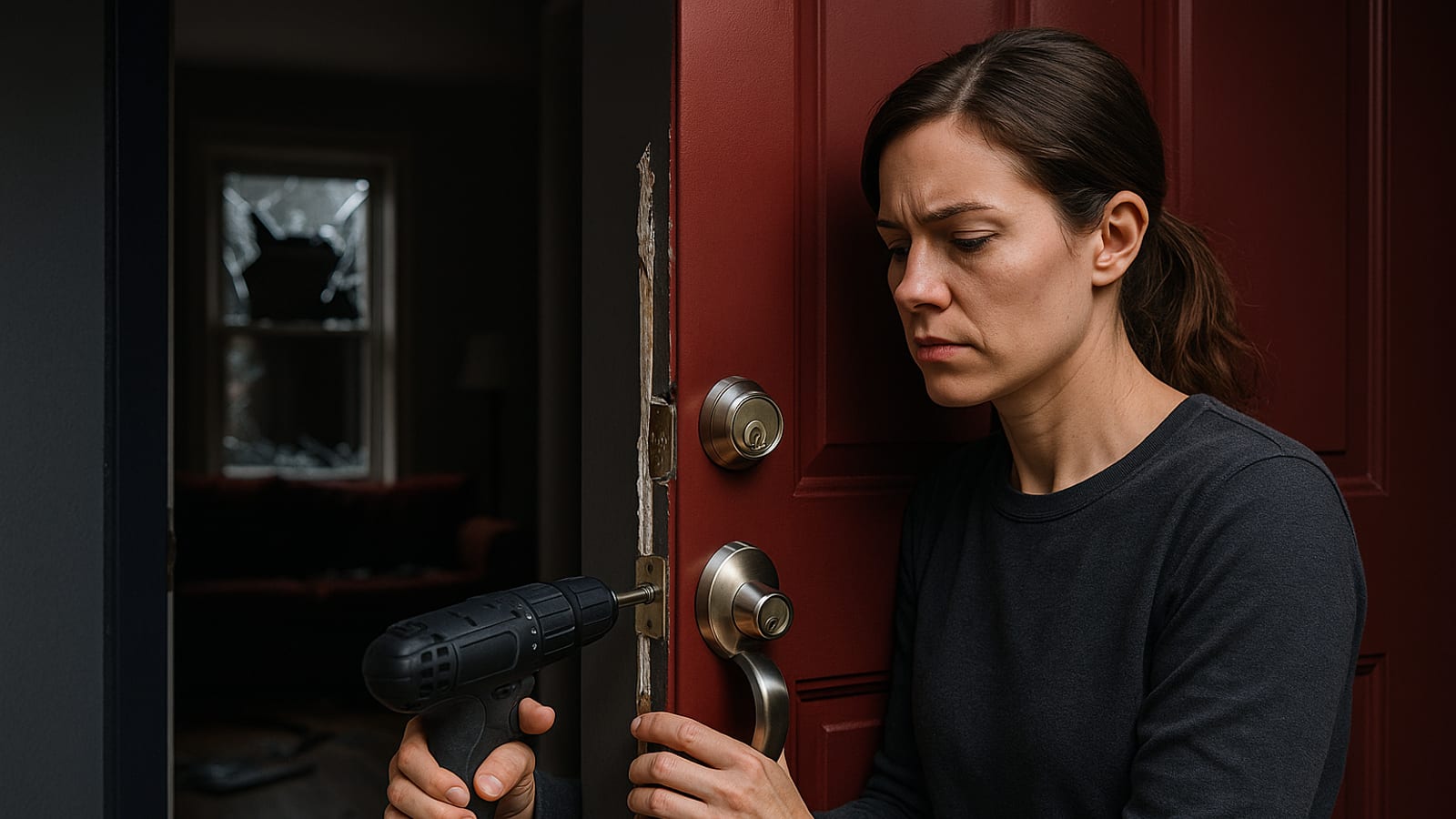
A break-in shakes you. It is supposed to. But the worst thing you can do right now is wait for the feeling to pass before you act. The window between a first break-in and a second one is shorter than most people think. This guide gives you a clear, affordable blueprint to close every gap an intruder used — and every gap they might use next time.
Assessing the Damage and Understanding the Breach
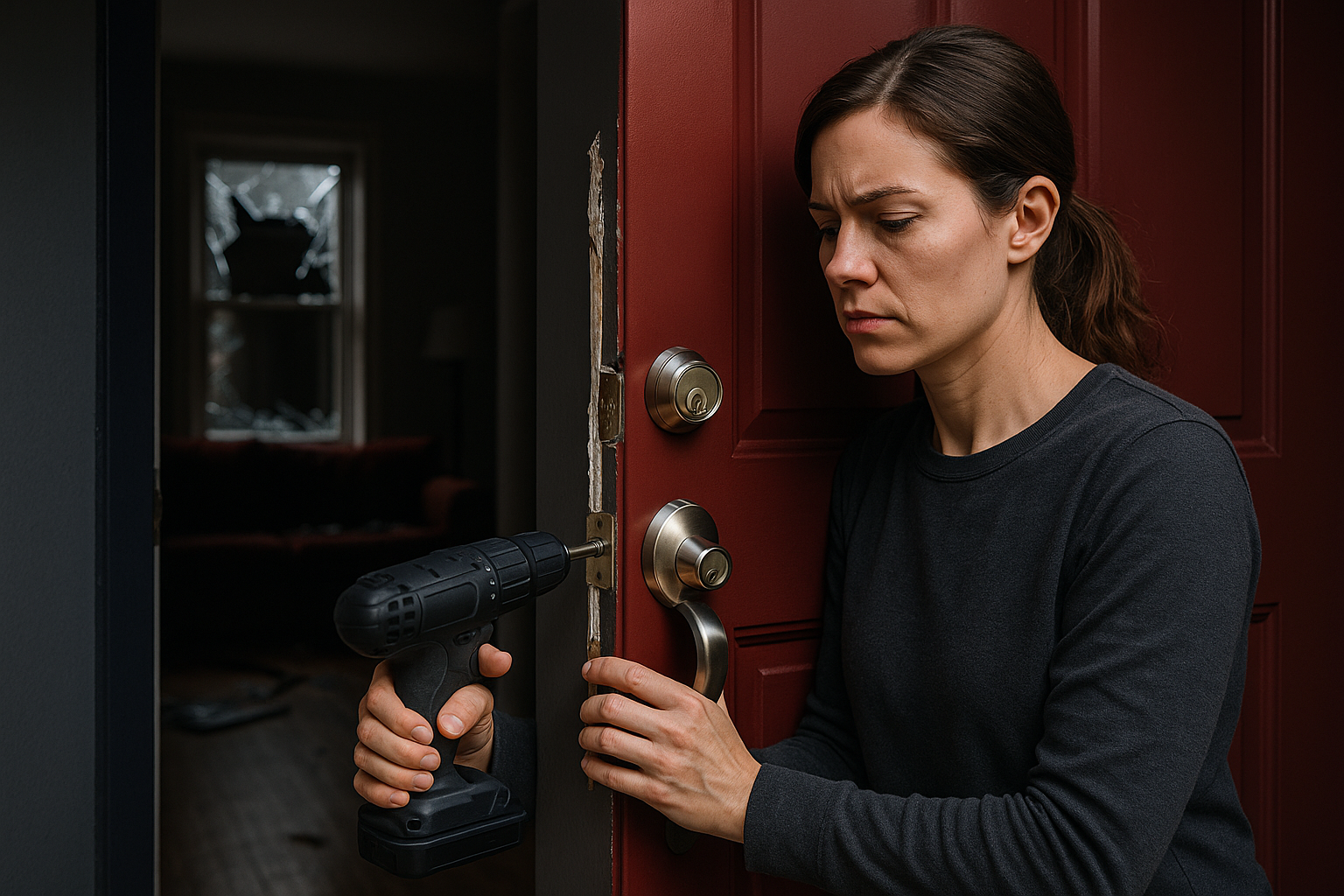
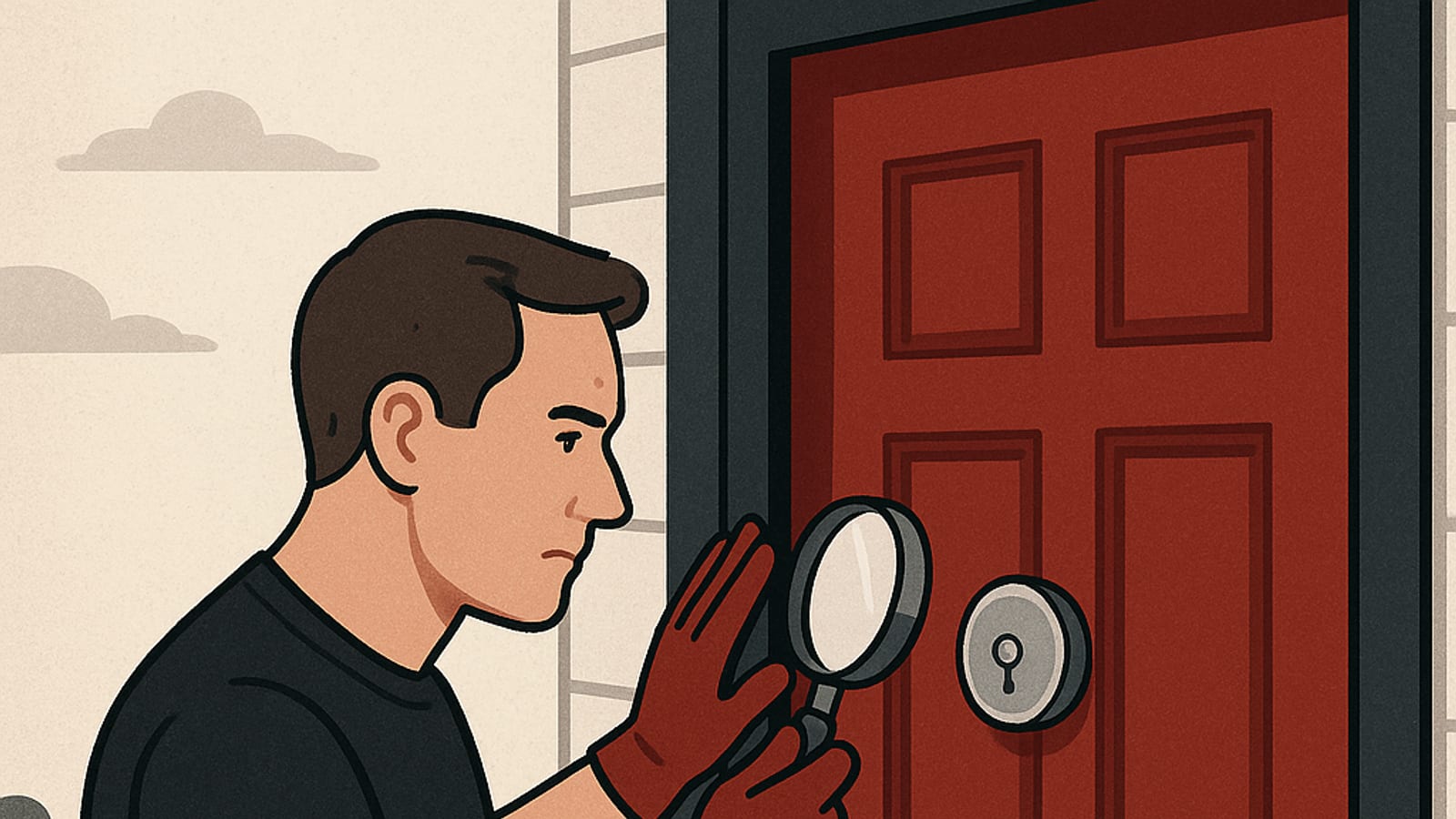
Before you fix anything, you need to know exactly how they got in. A kicked door, a pried window, an unlocked garage — each one tells a different story and demands a different fix. Walk every inch of your perimeter and document what you find.
- Check Doors: Look for splintered frames, broken locks, or bent hinges — signs of forced entry that go deeper than the lock itself.
- Inspect Windows: Check every sash and latch. A forced window often shows damage the casual eye misses.
- Evaluate Security Systems: Identify whether existing measures failed outright or were simply bypassed. Both answers matter.
Once you know the breach point, you stop guessing and start building a real defense.
Reinforcing Doors: Your First Line of Defense
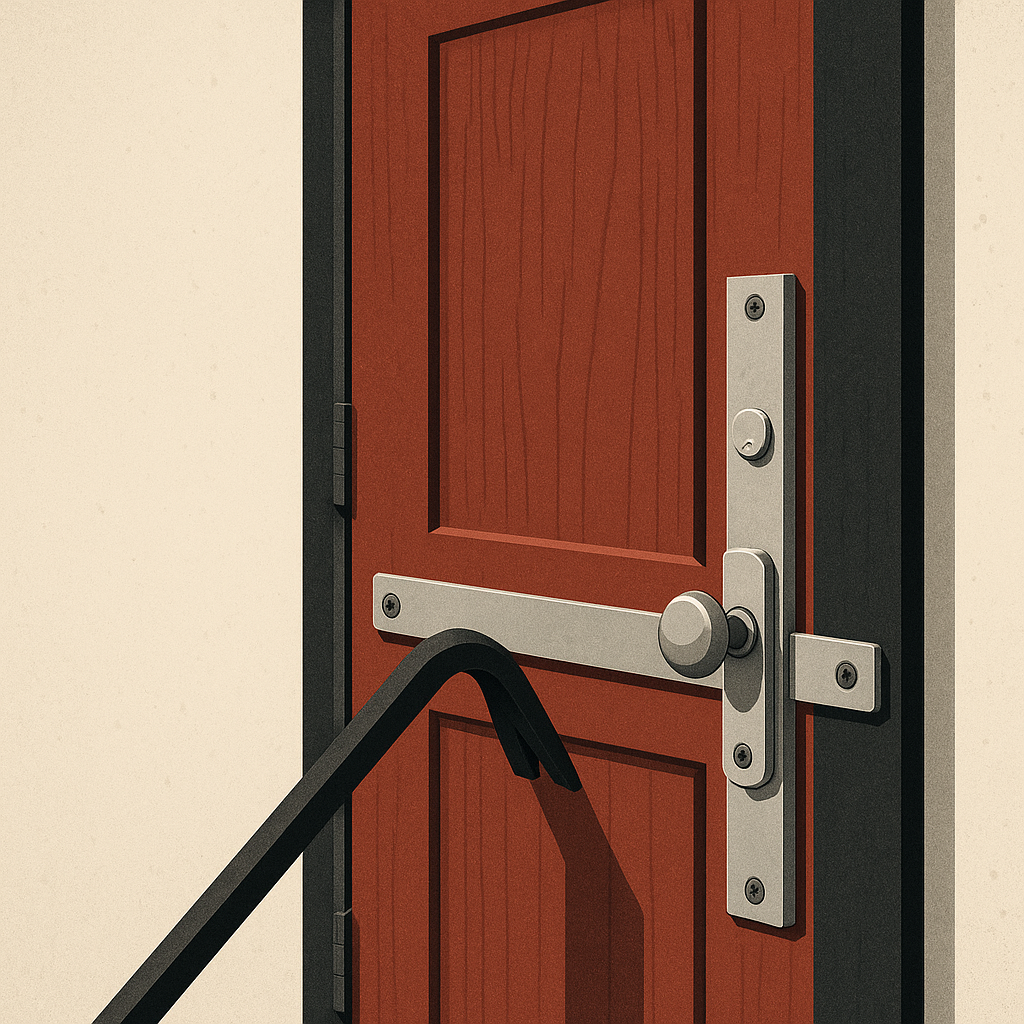
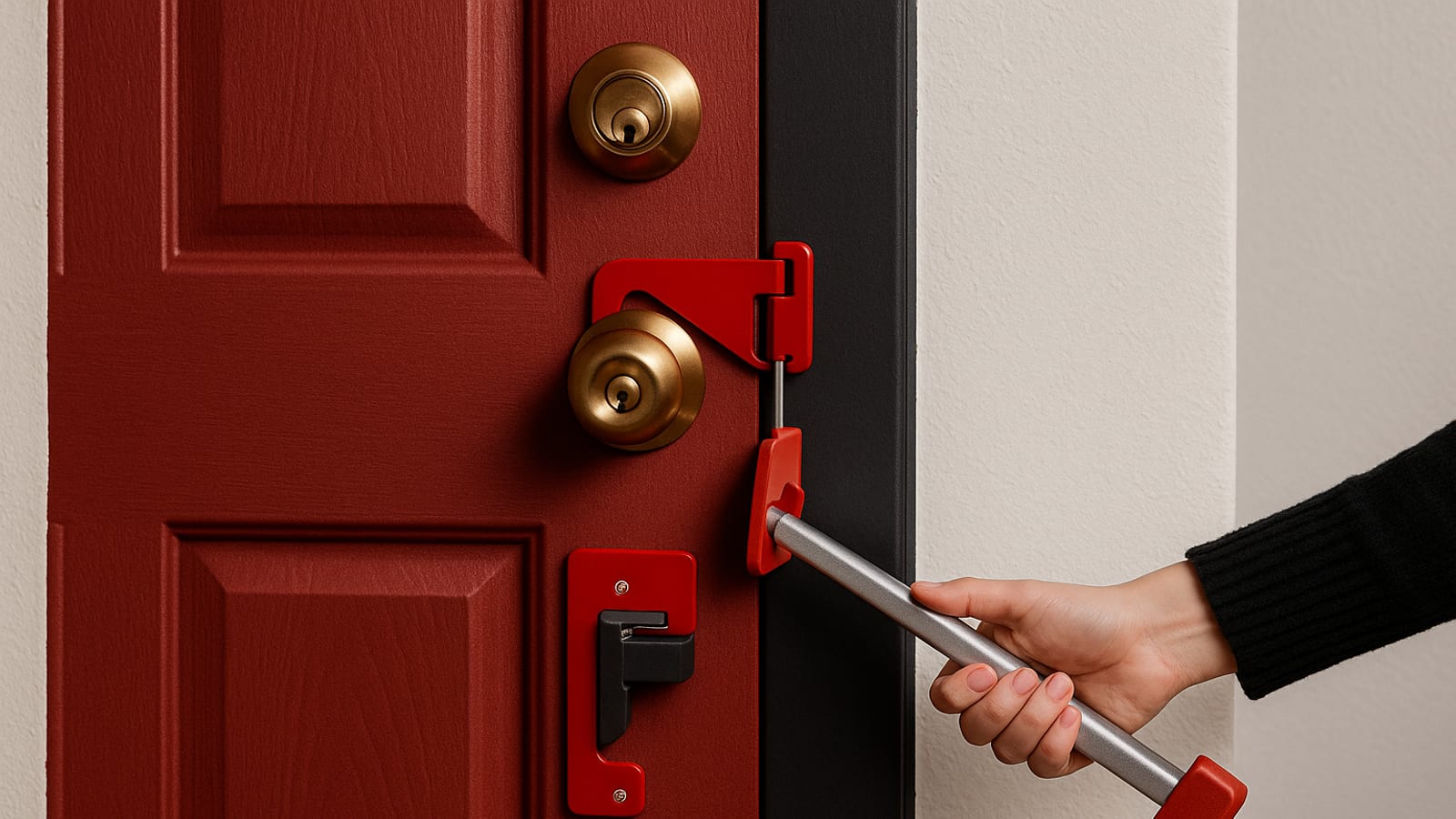
Most doors do not fail at the lock. They fail at the frame. One solid kick and a standard door frame splinters. That is the vulnerability most homeowners never address. Here is how you fix it:
- Install a Door Reinforcement Kit: The Single Door Security Kit runs around $79 and reinforces the frame, hinges, and lock plate — the three points that actually fail under force. It is DIY-installable in an afternoon.
- Secure Double Doors: French doors and double entry doors have a center gap that is easy to exploit. The Double Door Security Kit, priced around $149, is built specifically for that vulnerability.
- Protect Side Light Doors: Glass panels beside a door are an invitation. The Side Light Door Security Kit addresses that weak point directly for about $129.
Every kit is designed for DIY installation. You do not need a contractor. You need an hour and a drill.
Enhancing Window Security
Windows are the second most common entry point. Glass breaks fast and quietly. Two upgrades change that equation significantly:
- Apply Window Security Film: Film bonds to the glass and holds it together under impact, turning a quick smash into a slow, noisy problem for an intruder. The Window Security Film adds that layer without altering the look of your home.
- Install Window Locks: Confirm every window latches and locks. Upgrade any that feel flimsy. A $10 secondary lock on a sliding window is one of the highest-return security investments you can make.
Secured windows do not just stop entry — they slow it down enough to trigger detection.
Strengthening Entry Points: A Holistic Approach
Doors and windows get the attention. But intruders are opportunists — they will take whatever you leave open:
- Garage Doors: A garage door without a secondary lock or an auto-close mechanism is an open invitation. Add both. The cost is minimal. The exposure without them is not.
- Basement Entrances: Basement windows and doors are low-visibility entry points. Reinforce them with additional locks or security bars. Out of sight should not mean out of mind.
Think like someone who wants in. Then close every door they would try.
Implementing a Home Security System
Physical reinforcement stops entry. A security system creates consequences for attempting it. Together, they form a complete deterrent:
- Choose a Reliable System: Prioritize motion detection, cameras with clear night vision, and remote access from your phone. Visibility is the point.
- Consider Smart Home Integration: Systems that connect to your existing smart home devices let you monitor and respond in real time — from anywhere.
Match the system to your property size and your budget. A monitored system adds professional response. An unmonitored system still adds deterrence. Either beats nothing.
Developing a Security Routine
Hardware alone is not enough. Consistency is what makes it work:
- Regularly Check Locks: Test every lock and security device on a set schedule. Things loosen, batteries die, and habits slip. A monthly check catches all three.
- Keep Entry Points Visible: Overgrown shrubs give intruders cover. Trim everything near doors and windows so there is nowhere to hide while working on a lock.
- Stay Vigilant: Know what normal looks like on your street. Anything that breaks the pattern is worth noting. Report suspicious activity to local authorities without hesitation.
Security is not a one-time installation. It is a standard you maintain.
Next Steps: Taking Action Now
Do not let the urgency fade. Start with your doors — they are the most common breach point and the most fixable. The Single Door Security Kit is the right first move for most homes. Then work outward: windows, garage, basement, system. For a full range of solutions, browse Door Security Solutions and build your stack methodically.
Every upgrade you make today is a problem an intruder will not bother solving tomorrow.
Involving Local Community Resources
Your neighbors are an asset most people underuse. A coordinated block is harder to target than an isolated house:
- Join or Form a Neighborhood Watch: Shared vigilance multiplies your coverage without adding cost. When neighbors communicate, patterns surface faster and response time drops.
- Engage with Local Law Enforcement: Bring local officers into neighborhood conversations. They know the crime patterns in your area. That intelligence is free and actionable.
- Community Safety Workshops: Local law enforcement agencies and community centers regularly offer home security workshops. Attend one. The specific, local advice is worth more than generic online tips.
When a neighborhood builds in silence and watches together, it becomes a hard target. Intruders move on to easier ground.
Landscaping for Security
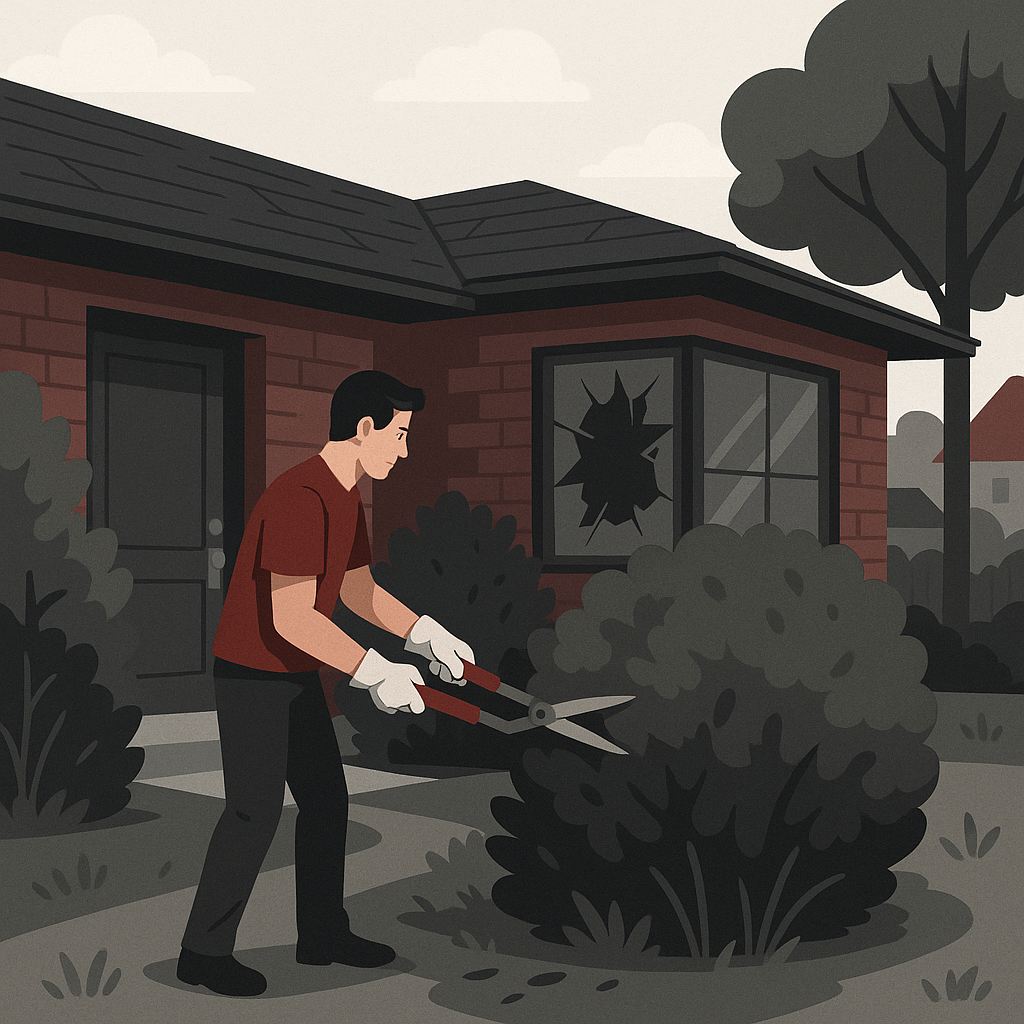
Your yard is either working for you or against you. Strategic landscaping removes the cover intruders depend on:
- Trim Overgrown Shrubs: Keep everything near windows and doors cut back. Visibility is a deterrent. Concealment is an invitation.
- Install Thorny Plants: Roses, holly, and similar plants under windows make approach uncomfortable and slow. A burglar weighing options will skip the house with thorns.
- Use Gravel Paths: Gravel under windows and along entry paths creates audible alerts. You cannot walk quietly on gravel. That noise is a feature, not a flaw.
Good landscaping does double duty — it improves curb appeal and quietly hardens your perimeter at the same time.
Regular Security Audits
The operators who stay secure do not set it and forget it. They test their systems on a schedule:
- Quarterly Inspections: Every three months, walk your perimeter and test every security measure. What worked in spring may have gaps by fall.
- Professional Assessments: A security professional sees what familiarity makes you blind to. Bring one in annually for an outside perspective and specific recommendations.
- Update Security Systems: Firmware updates, camera upgrades, and software patches are not optional maintenance. They are how you stay ahead of the methods intruders use to defeat older systems.
Catch vulnerabilities on your schedule, not theirs.
Utilizing Smart Technology
Smart technology closes the gap between physical security and real-time awareness:
- Smart Locks: Control access remotely, issue temporary codes for service personnel, and get alerts when your door is unlocked. No more wondering whether you locked up.
- Video Doorbells: See and speak to anyone at your front door from your phone, whether you are home or not. Motion alerts give you a record of every approach.
- Automated Lighting: Scheduled or remotely triggered lights simulate occupancy. An occupied-looking home is a skipped home.
Smart technology does not replace physical reinforcement. It extends your awareness beyond the walls of your house.
Insurance Considerations Post-Break-In
The financial recovery from a break-in depends entirely on how well your policy is structured. Do not assume you are covered until you verify it:
- Document the Damage: Photograph everything. List every stolen or damaged item with estimated values. Thorough documentation is the difference between a full claim and a partial one.
- Review Your Policy: Read the specifics on theft and property damage coverage. Understand your deductible, your limits, and what categories of items are excluded.
- Consider Additional Coverage: If your policy has gaps — especially around high-value electronics, jewelry, or tools — talk to your agent about endorsements or increased limits before the next incident, not after.
Proper coverage does not undo a break-in. But it removes the financial sting and lets you rebuild without compromise.
Establishing a Safe Room
Physical deterrents stop most threats at the perimeter. A safe room handles the scenario where something gets through anyway:
- Select a Room: Choose an interior room with a solid core door, minimal windows, and easy access for your household. First-floor proximity matters in an emergency.
- Fortify the Door: Install a deadbolt and add a peephole or small camera so you can monitor the hallway without opening the door.
- Stock Emergency Supplies: A charged phone, flashlight, first-aid kit, and bottled water belong in that room. Prepare it once and maintain it on your quarterly audit schedule.
A safe room is not paranoia. It is the last line of a layered defense — and the one that matters most when everything else has been tested.
Disclosure: this article may contain affiliate links. If you buy through them, we may earn a small commission at no extra cost to you.

Leave a Reply