
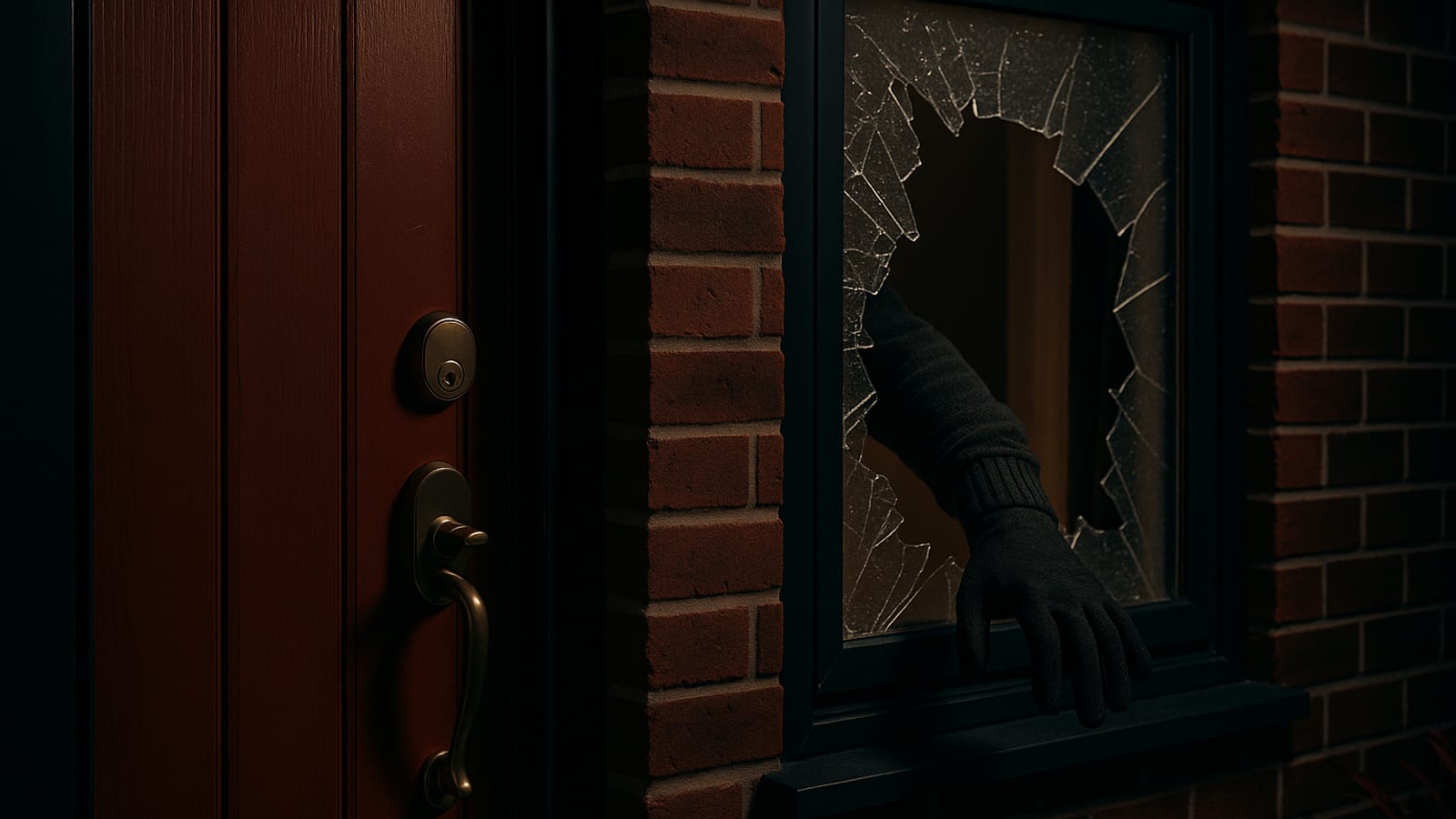
The Truth About Door vs Window Security: Debunking the Myth
Every homeowner eventually hears it: “Why bother with the door? They’ll just break a window.” It sounds logical. It is wrong. The data tells a different story, and once you see it, you cannot unsee it. This article breaks down why door security deserves your first dollar, how window measures fit into the larger picture, and exactly what to do about both.
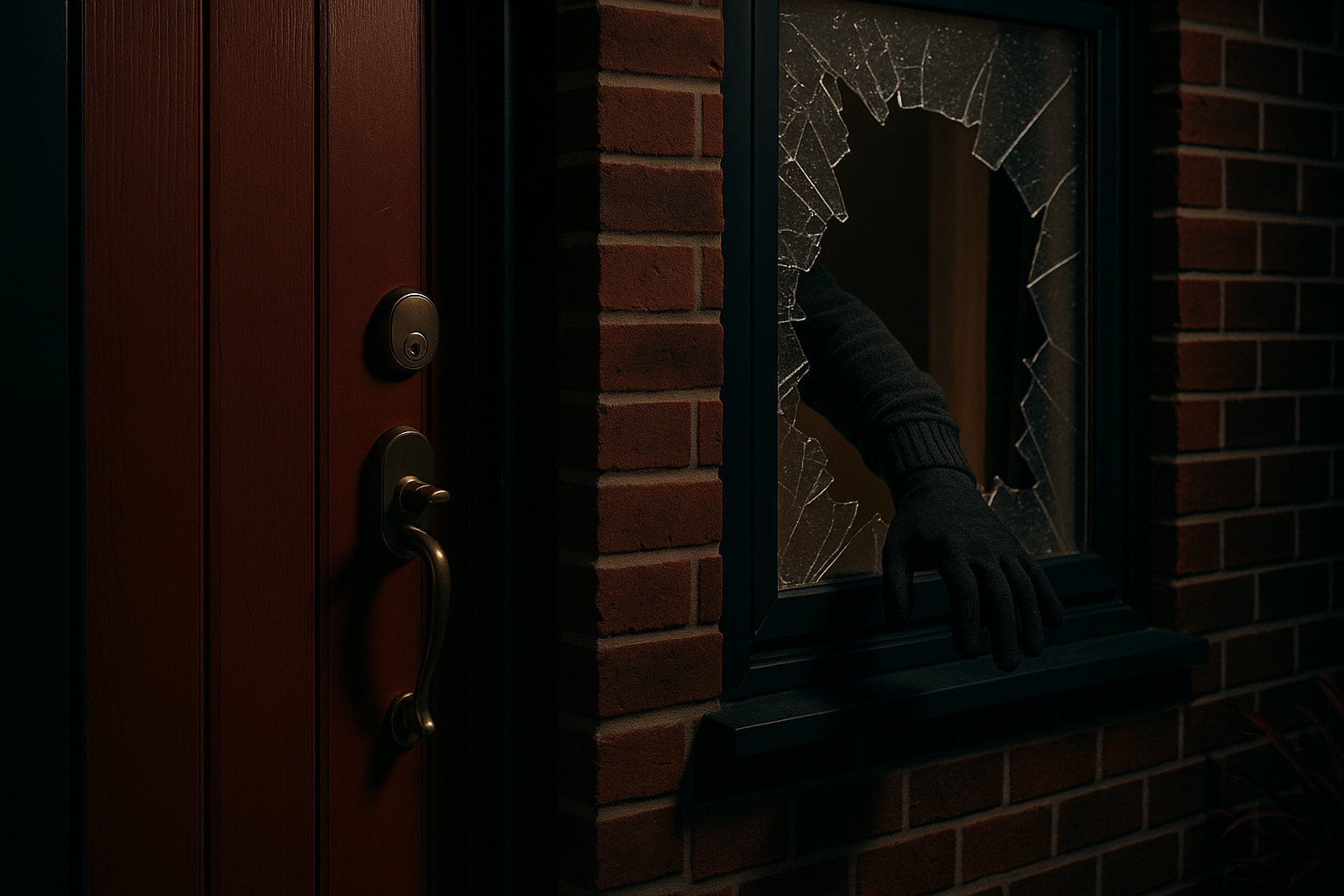
Understanding the Door vs Window Security Debate
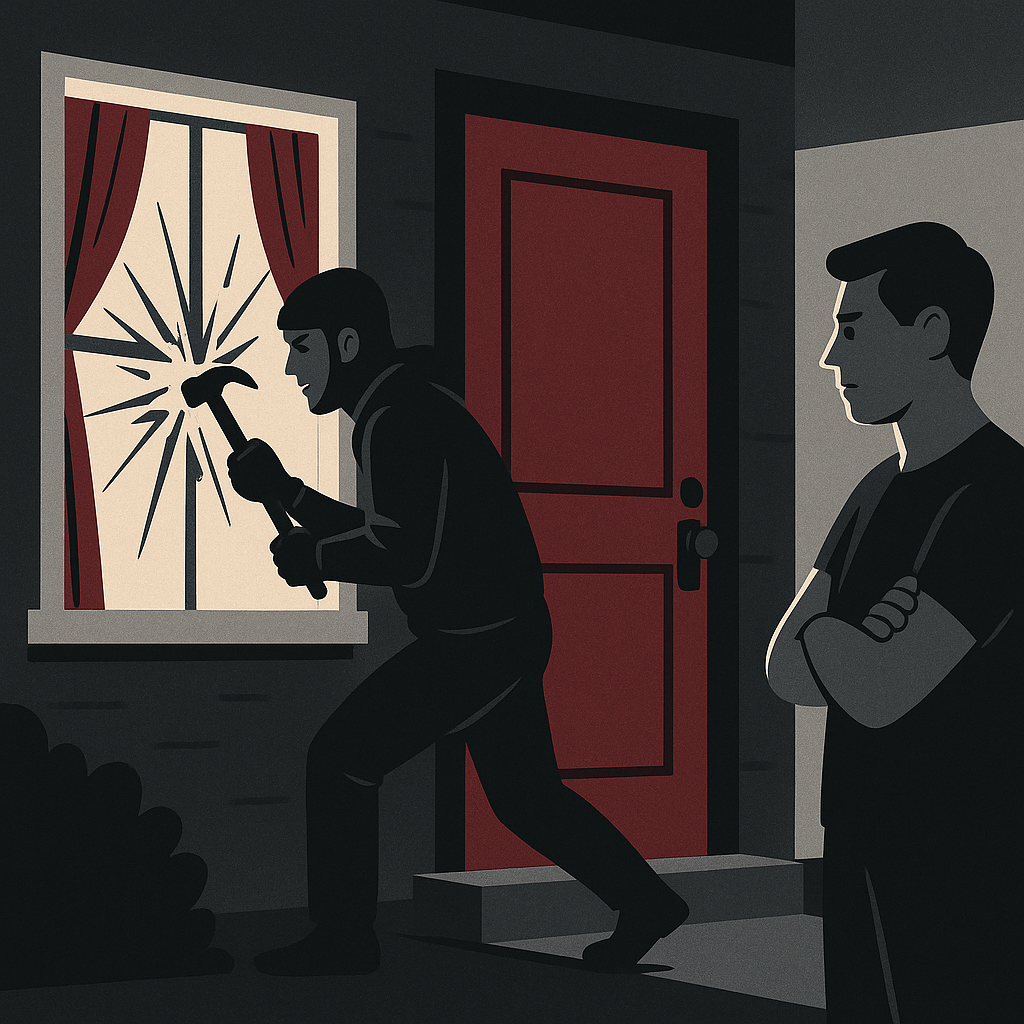
Most homeowners underestimate door security because the window objection feels intuitive. But case studies and crime statistics consistently show that doors are the primary entry point for burglars. Reinforce your doors and you remove the path of least resistance. That matters more than most people realize.
Windows are vulnerable, yes. But breaking one is loud, slow, and risky for the intruder. That friction works in your favor. Window security measures still belong in your plan — just not at the top of it.
Why Doors Are the Primary Target
Burglars think in seconds, not minutes. Doors give them what they want:
- Ease of access: Doors are designed to open. A determined intruder exploits that design before anything else.
- Speed: A single kick to a weak door frame can breach a standard entry door in under ten seconds.
- Noise control: Breaking glass is loud and unpredictable. Forcing a door can be done far more quietly, especially when the frame is the weak point.
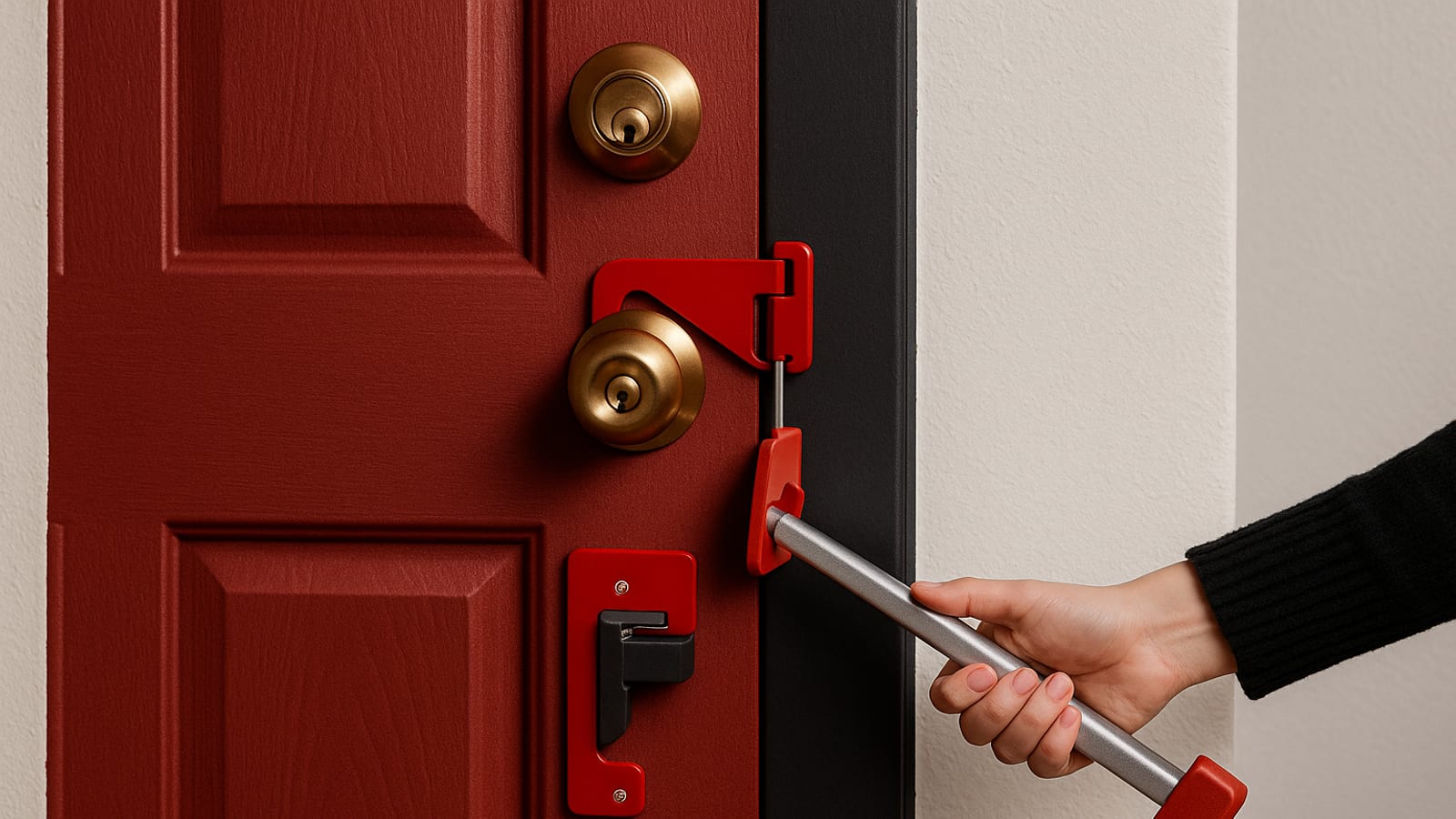
The fix is straightforward. A Single Door Security Kit delivers the reinforcement your door frame needs to withstand forced entry attempts. It is one of the highest-leverage upgrades you can make.
Effective Door Reinforcement Strategies

You have options. Here are the ones that actually move the needle.
Install a Door Reinforcement Kit
A door reinforcement kit is the most direct answer to kick-in attacks. A quality kit includes reinforced strike plates, door jamb shields, and hinge reinforcements — all working together to distribute force across the frame instead of concentrating it at the weakest point. The Single Door Security Kit runs around $79 and covers standard doors comprehensively. That is a small price for a significant upgrade.
Upgrade Locks and Deadbolts
Your lock is only as strong as what surrounds it. Upgrade to a Grade 1 deadbolt — the highest residential security rating available. Pair it with a reinforced strike plate installed using 3-inch screws that anchor deep into the structural framing, not just the trim. That combination turns a soft target into a hard one.
Secure Sliding Glass Doors
Sliding glass doors are a known vulnerability. They are susceptible to lift-and-pry attacks that bypass the lock entirely. A dedicated Sliding Glass Door Security solution closes that gap before someone else finds it.
Window Security: A Complementary Measure
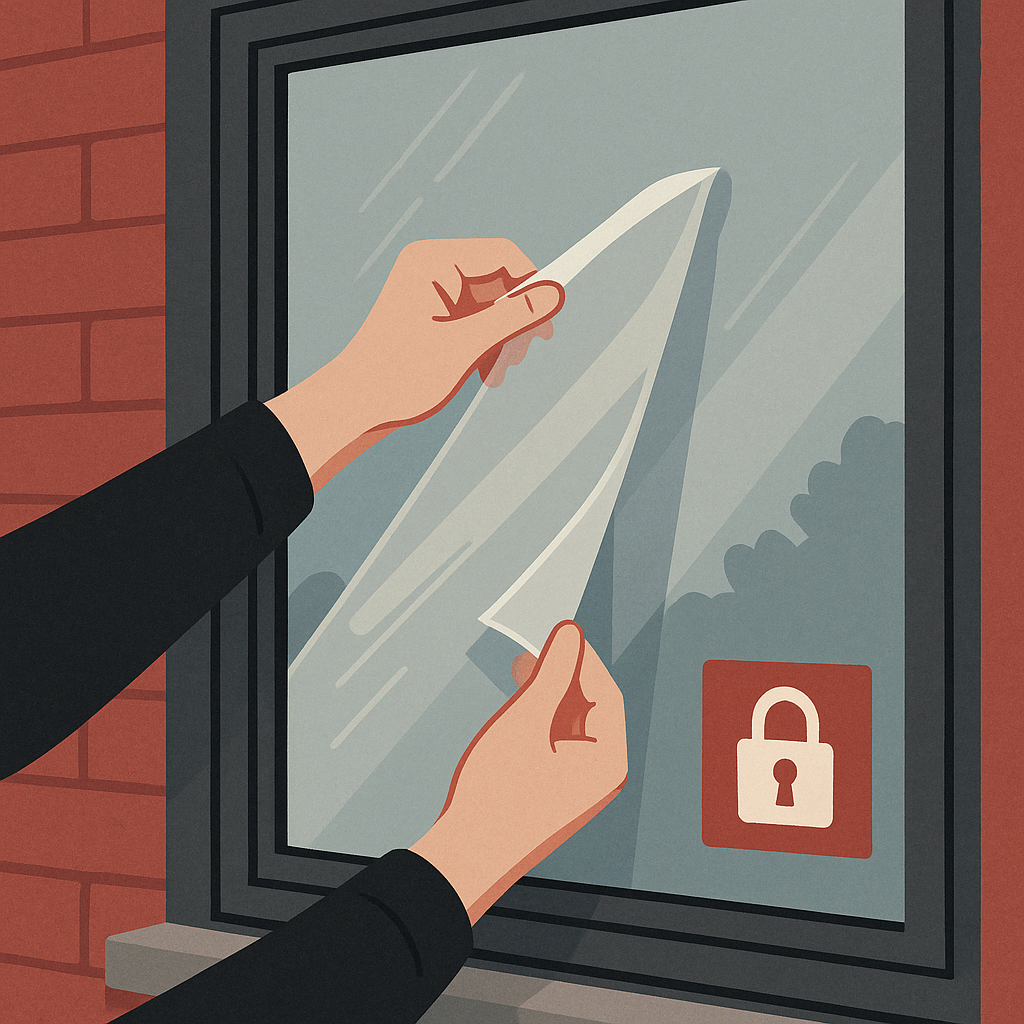
Doors come first. Windows come next. Here is what actually works.
Apply Window Security Film
Window security film does not stop a determined intruder from breaking glass. What it does is hold the shards together, slowing entry and increasing noise. That added friction matters. Window Security Film is a cost-effective layer that makes windows a harder, louder target.
Install Window Locks
Simple and often overlooked. A window that cannot be opened from the outside removes one more easy option. Make sure every window in your home has a functioning lock — and that you actually use it when the window is closed.
Consider Window Bars or Grilles
For ground-level windows, bars or grilles add a physical barrier that film and locks cannot match. Choose designs with quick-release mechanisms so you retain a clear egress path in an emergency.
Implementing a Comprehensive Home Security Plan
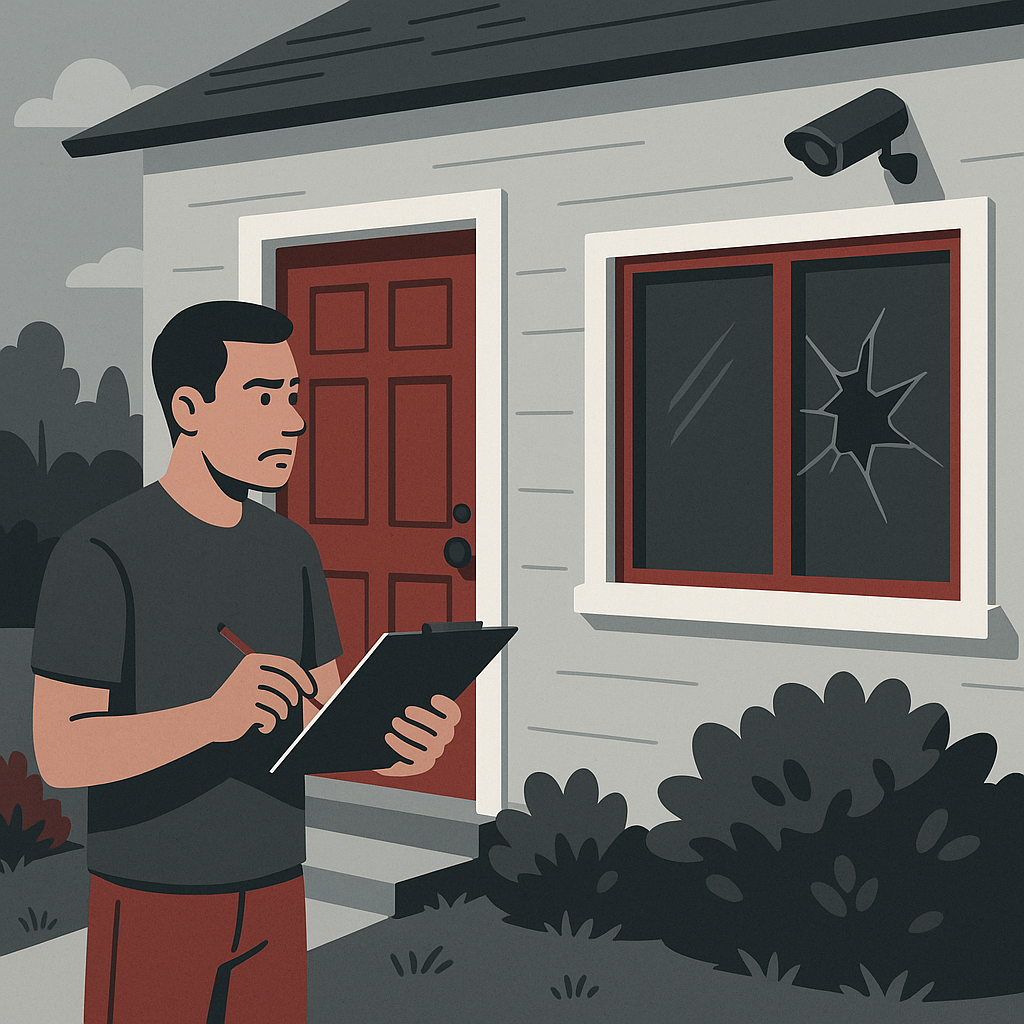
Here is the blueprint. Follow it in order.
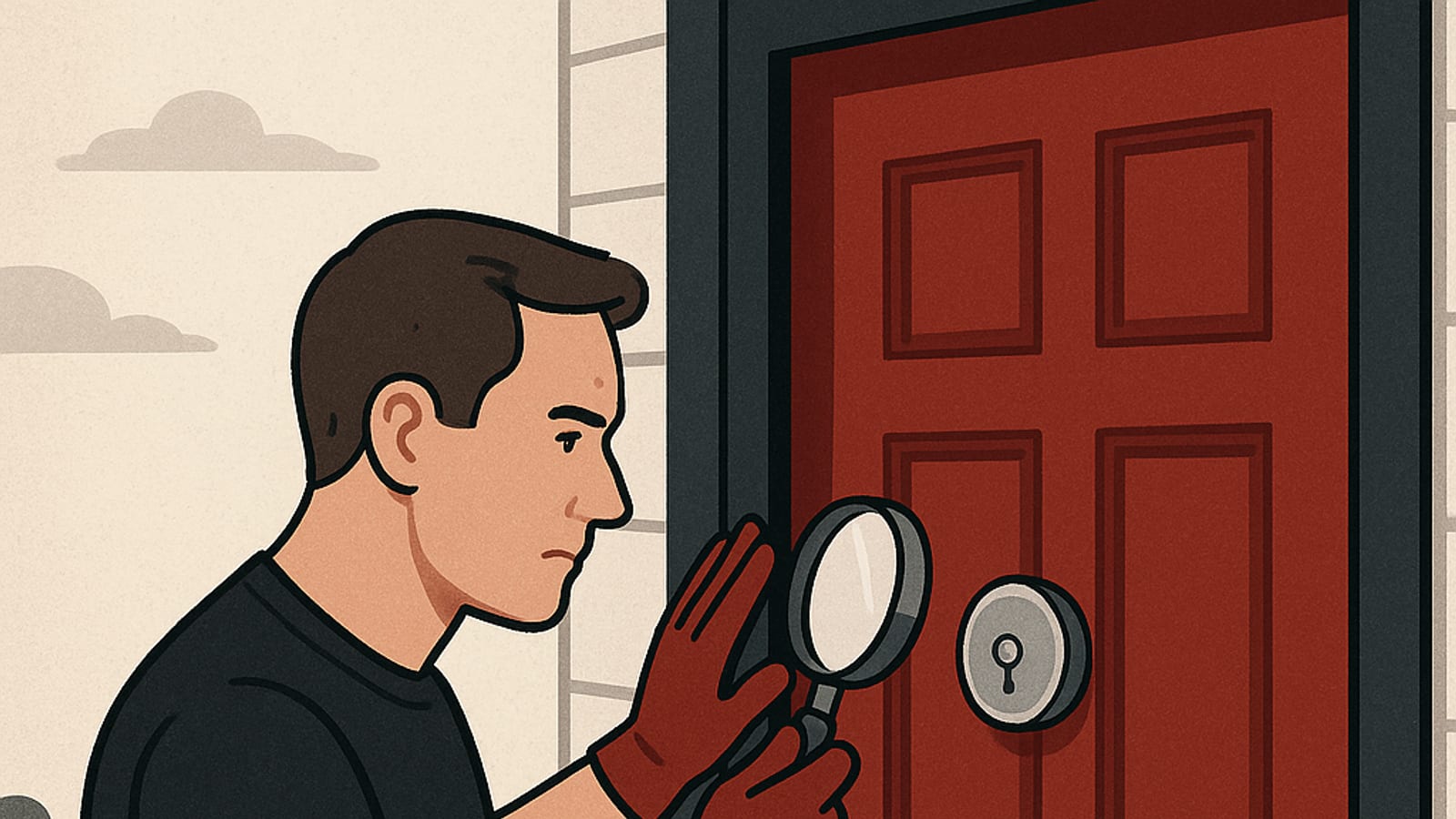
- Assess your home: Walk the perimeter. Identify every door, every window, every point where someone could force entry. Write it down.
- Prioritize door security: Install a Single Door Security Kit on your main entry doors first. Extend the same approach to secondary doors.
- Enhance window security: Apply Window Security Film and confirm every window lock is functional and engaged.
- Maintain your systems: Security installations degrade. Check them on a regular schedule and fix what is slipping.
- Stay current: The threat landscape shifts. Keep up with proven solutions through resources like Door Armor.
Conclusion: Taking Action for Better Security
The door versus window debate has a clear answer. Doors are the primary target. Reinforce them first, then layer window measures on top. That sequence is not arbitrary — it follows the data on how break-ins actually happen.
Start with the Single Door Security Kit. Add Window Security Film where it counts. Build the system methodically and you protect your home, your belongings, and your peace of mind without drama or guesswork.
For deeper guides and vetted product options, explore Door Armor’s solutions. The information is there. The only variable is whether you act on it.
Using Technology to Strengthen Home Security
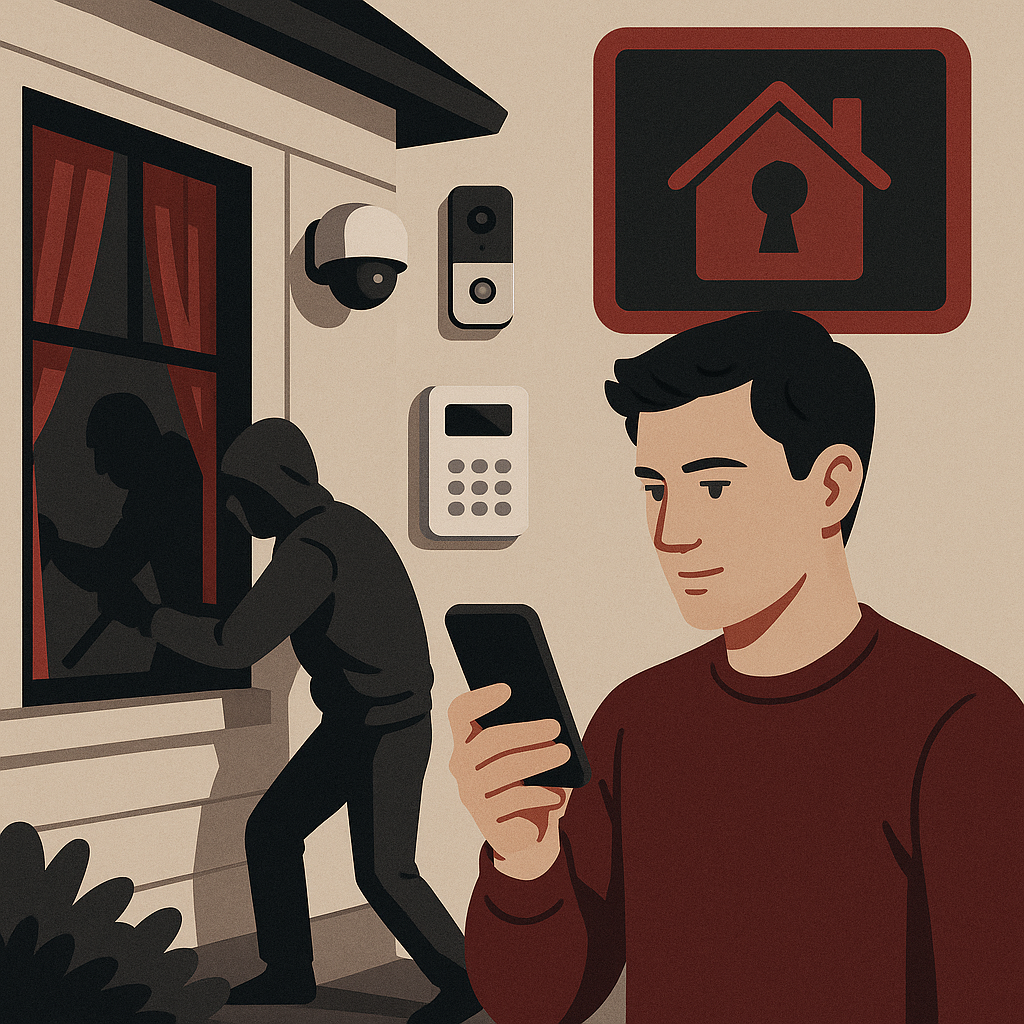
Physical reinforcement is the foundation. Technology is the layer that extends your awareness beyond what you can see from inside the house.
Smart Home Security Systems
Modern smart security systems combine door and window sensors, motion detectors, and surveillance cameras into a single hub you monitor from your phone. You get real-time alerts when something moves that should not be moving. That visibility changes how quickly you can respond — and how confidently you can act.
Video Doorbells
A video doorbell puts eyes on your front entry around the clock. You see and speak to whoever is at the door whether you are home or not. That alone deters a significant portion of opportunistic intruders who rely on the assumption that no one is watching.
Smart Locks
Smart locks let you control access remotely. Lock or unlock from anywhere. Issue temporary codes for guests or contractors without cutting spare keys. Revoke access the moment it is no longer needed. It is a cleaner, more controlled system than the traditional key ever was.
Checklist for Evaluating Home Security
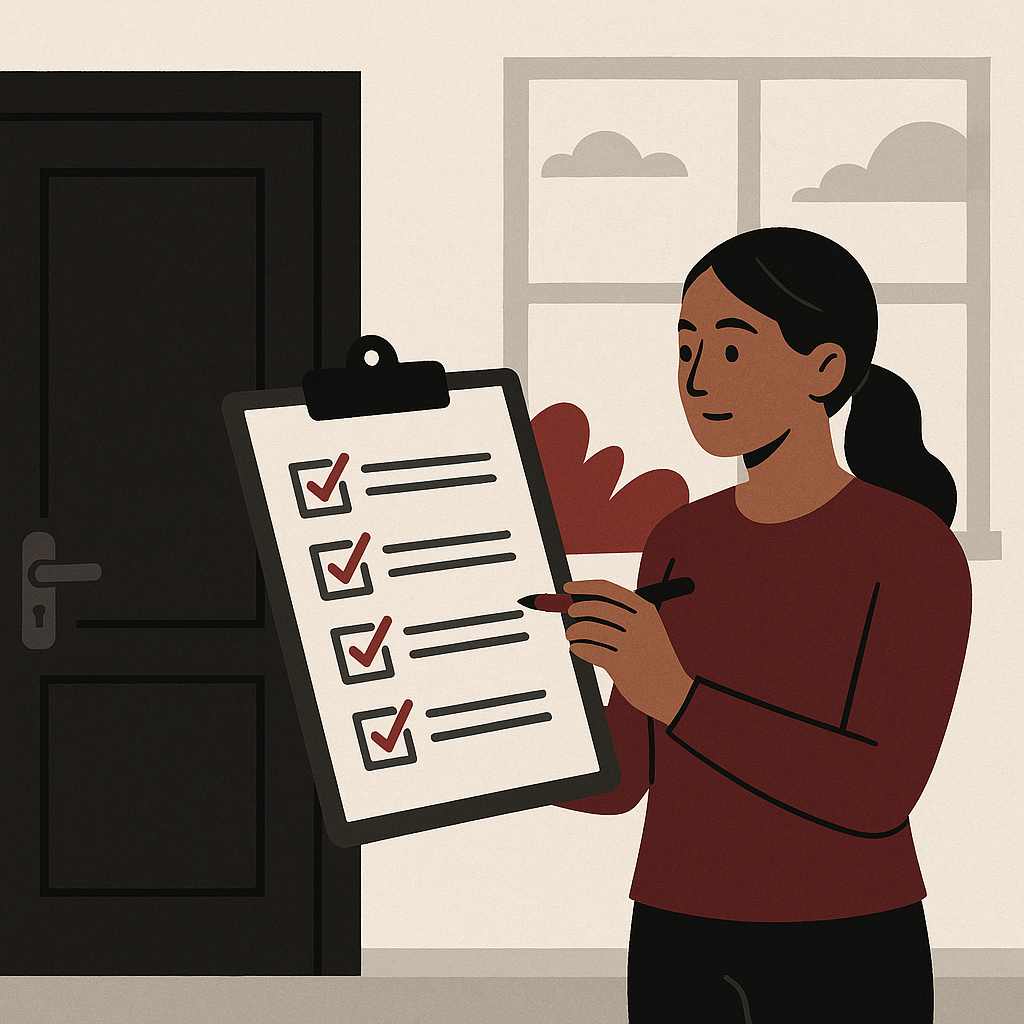
Run this checklist before you spend another dollar. Know exactly where you stand.
- Doors: Are all exterior doors solid-core and equipped with Grade 1 deadbolts?
- Windows: Do all windows have working locks and security film applied?
- Lighting: Is your exterior covered by motion-sensor lighting with no dark gaps?
- Cameras: Are surveillance cameras positioned to cover every entry point without blind spots?
- Alarms: Is your alarm system tested regularly and confirmed operational?
- Landscaping: Are hedges and trees trimmed to eliminate concealment near entry points?
Key Performance Indicators (KPIs) for Home Security
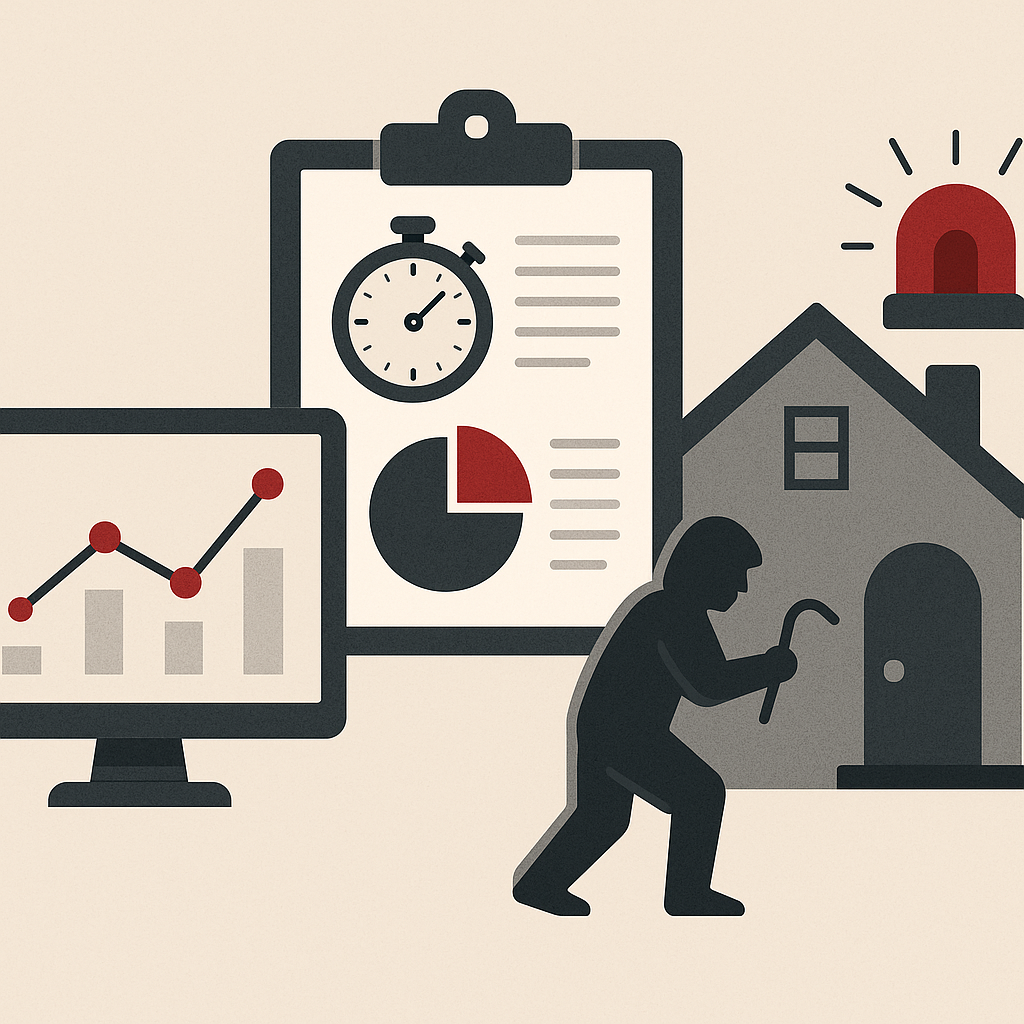
What gets measured gets managed. Track these metrics to know whether your security setup is actually performing.
- Response time: How long does your system take to alert you after a breach is detected? Shorter is better. Know your baseline.
- False alarm rate: Frequent false alarms signal miscalibrated sensors. Track them and adjust sensitivity until the system is reliable.
- System uptime: Your security system is only useful when it is running. Monitor downtime and address maintenance issues before they create gaps.
- Incident reduction: After implementing new measures, track whether attempted break-ins or suspicious activity decreases. That number is your proof of concept.
Case Study: Successful Home Security Overhaul
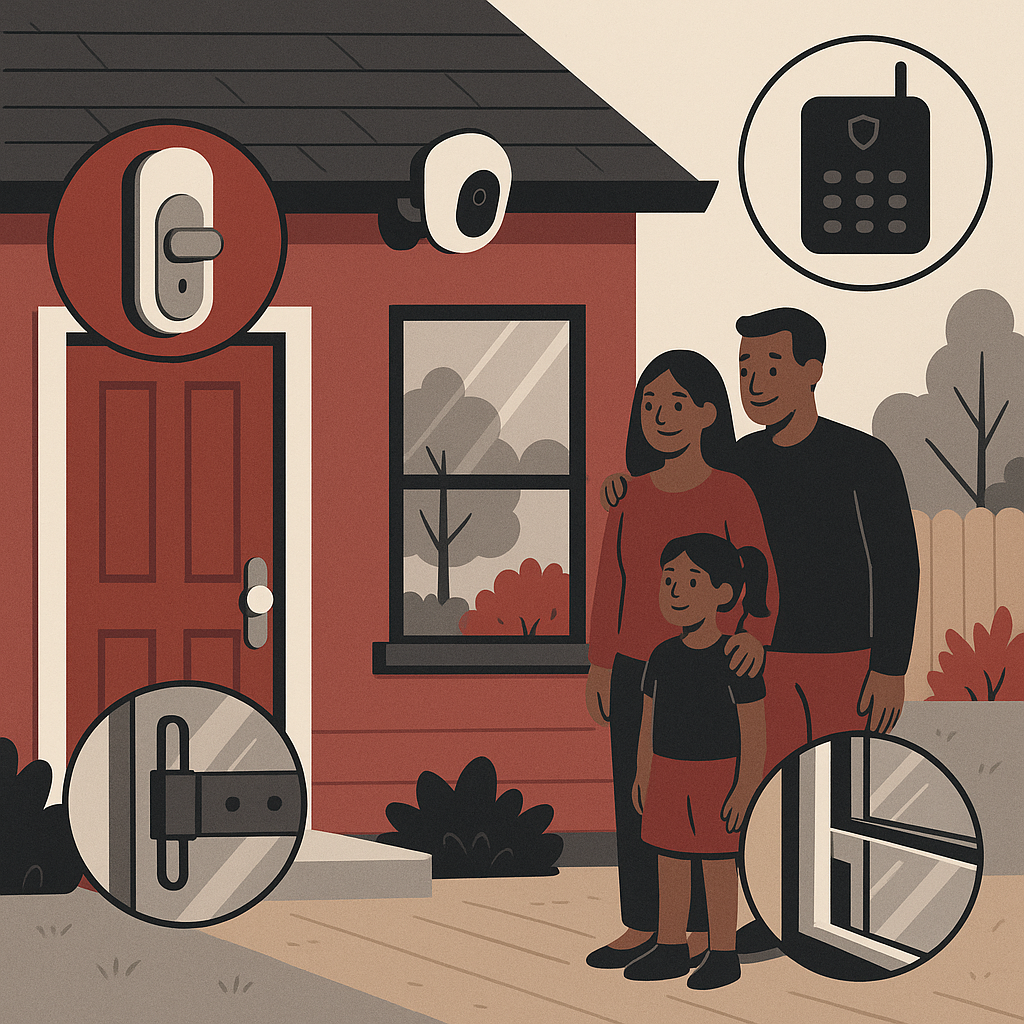
The Johnson family learned the hard way. After a break-in attempt, they stopped guessing and started building a real system. They installed a comprehensive smart security setup, upgraded every lock, and reinforced their doors and windows with purpose. Six months later: zero further incidents. Their insurance carrier noticed too — premiums dropped because the risk profile changed.
That outcome did not happen by accident. It happened because they treated security as a system to build, not a box to check. Physical reinforcement plus technology, layered deliberately, produced a result that held.
Integrating Environmental Design for Security
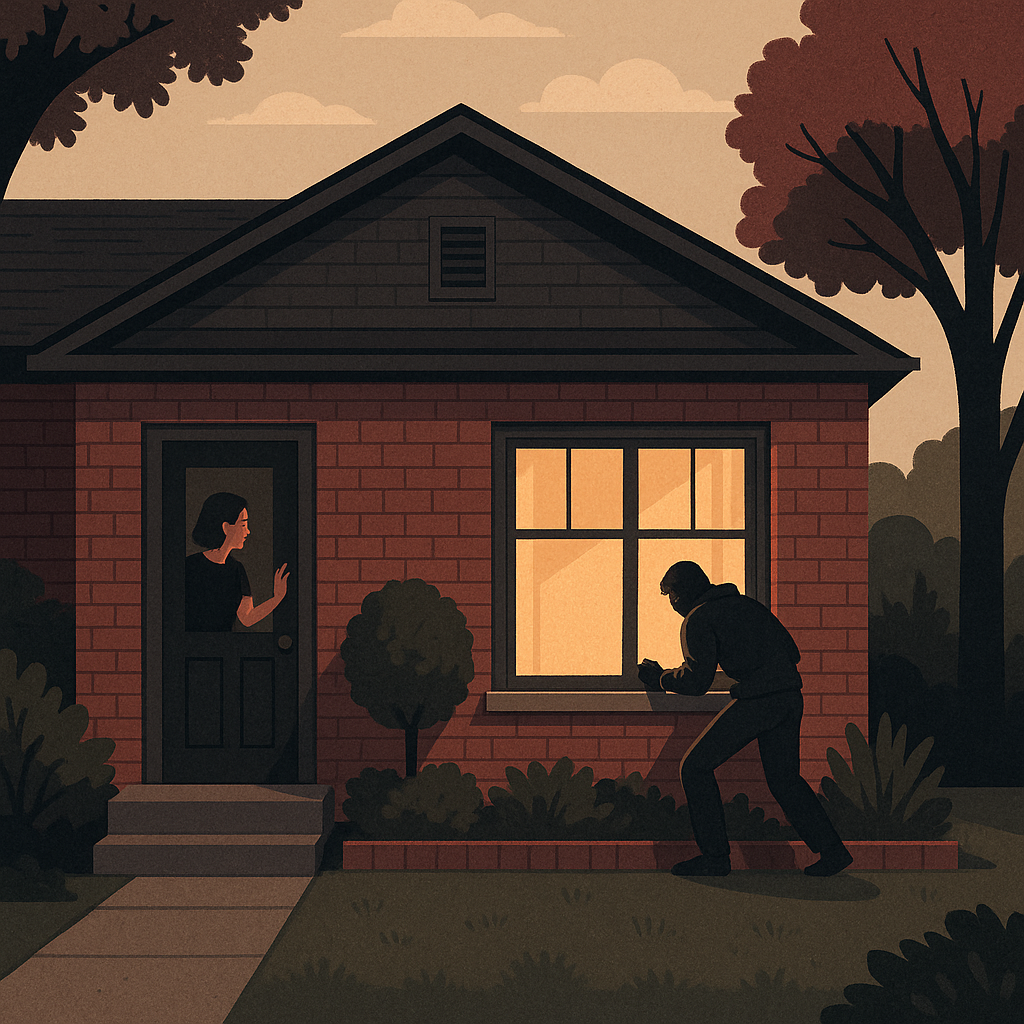
Crime Prevention Through Environmental Design — CPTED — uses your property’s physical layout to deter criminal behavior before it starts. The principles are straightforward and the results are real.
- Natural surveillance: Trim hedges. Install low fencing. Make your property visible. An intruder who feels exposed moves on to an easier target.
- Territorial reinforcement: Use pathways, landscaping, and clear signage to define private space. Ambiguity invites trespass. Clarity discourages it.
- Maintenance: A well-kept property signals occupancy and attention. Neglect signals the opposite. Keep everything tight and it communicates that someone is watching.
Disclosure: this article may contain affiliate links. If you buy through them, we may earn a small commission at no extra cost to you.

Leave a Reply