
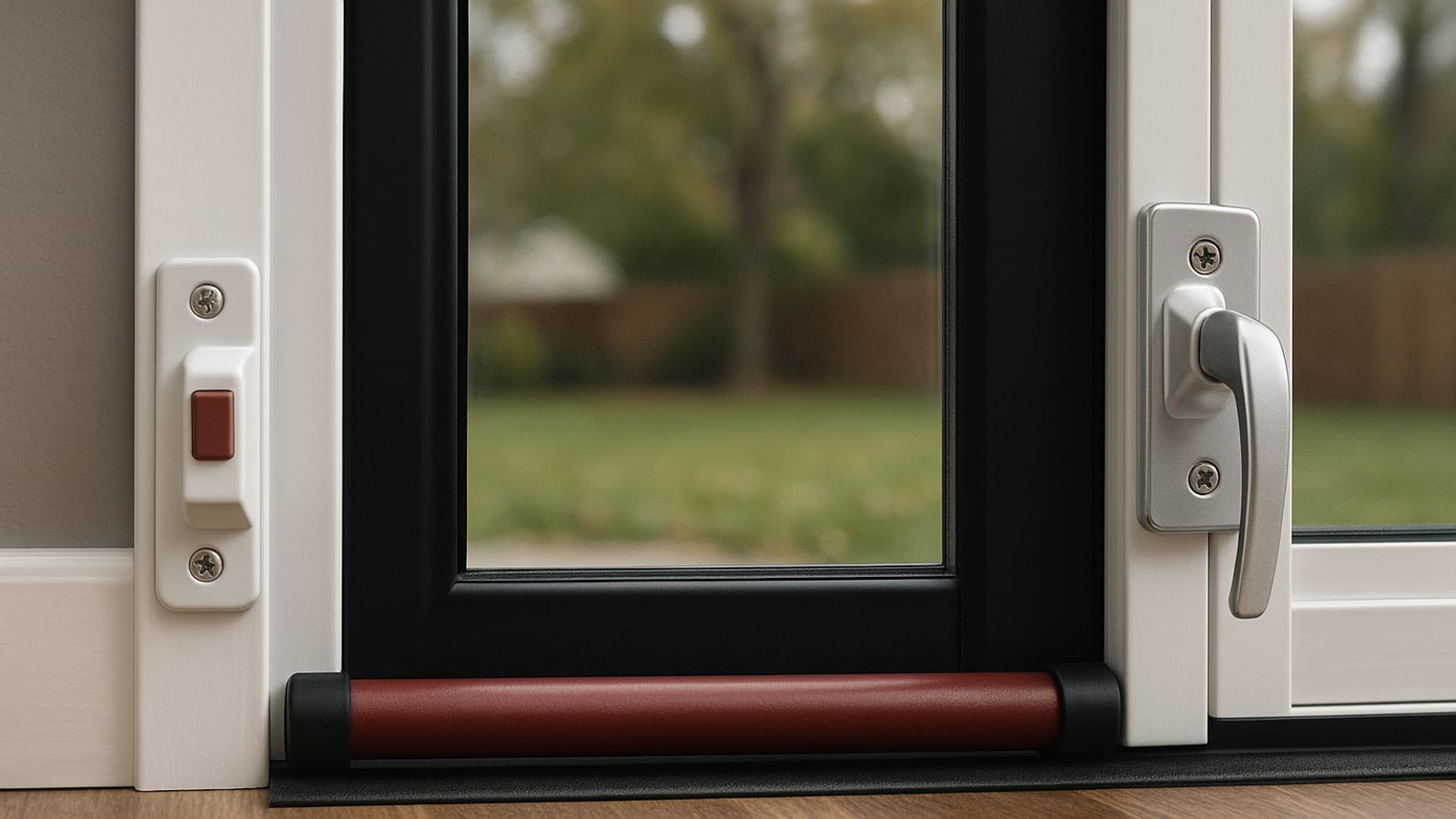
Sliding Glass Door Locks vs Security Bars vs Reinforcement Kits: A Comprehensive Guide
Your sliding glass door is the weakest point in most homes. Large glass panels. Lightweight frames. Locks that fail under a single determined kick. Intruders know this. The question is whether you do too. This guide breaks down three solutions — upgraded locks, security bars, and reinforcement kits — so you can make a clear-eyed decision and stop leaving that vulnerability unaddressed.
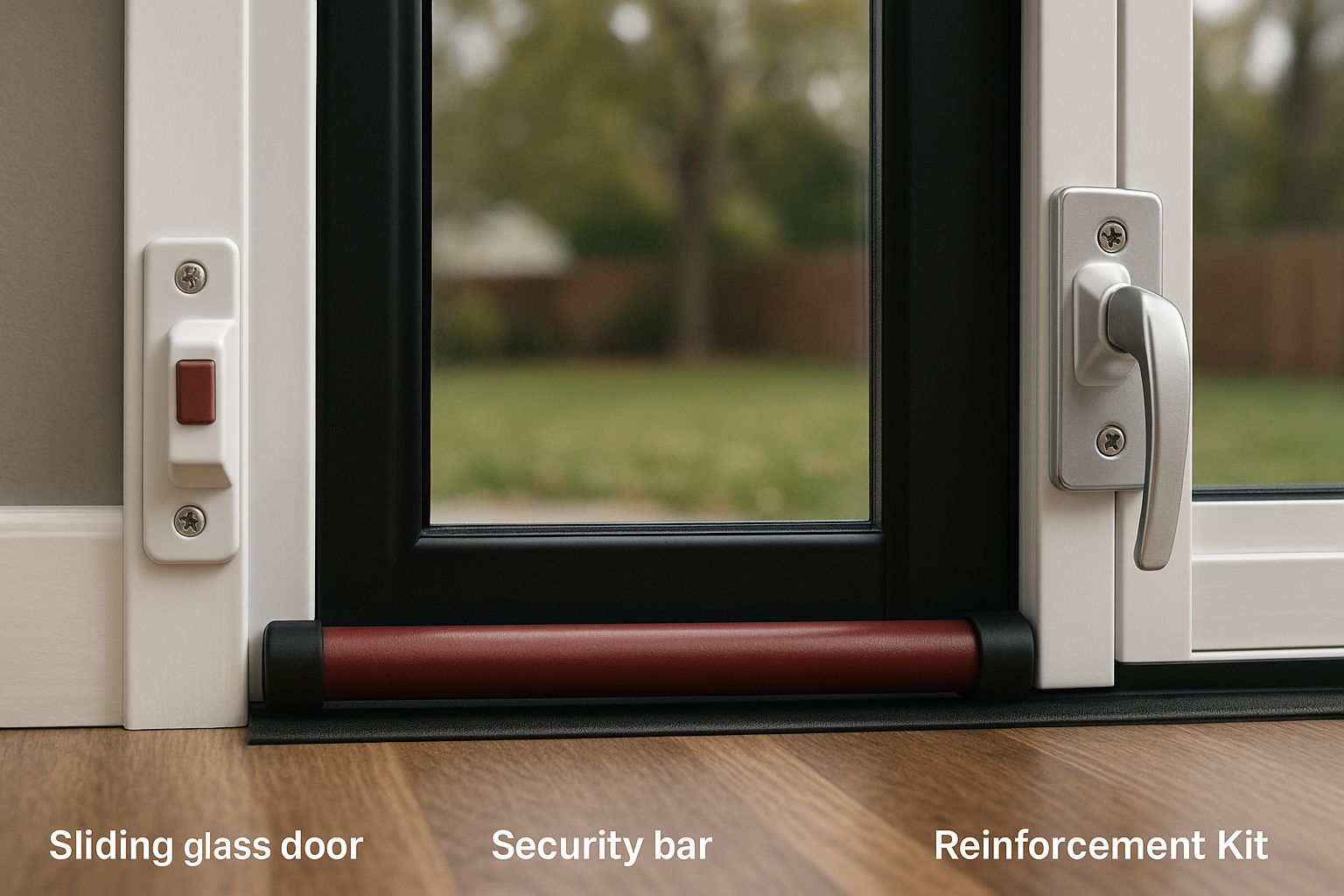
Understanding the Vulnerabilities of Sliding Glass Doors
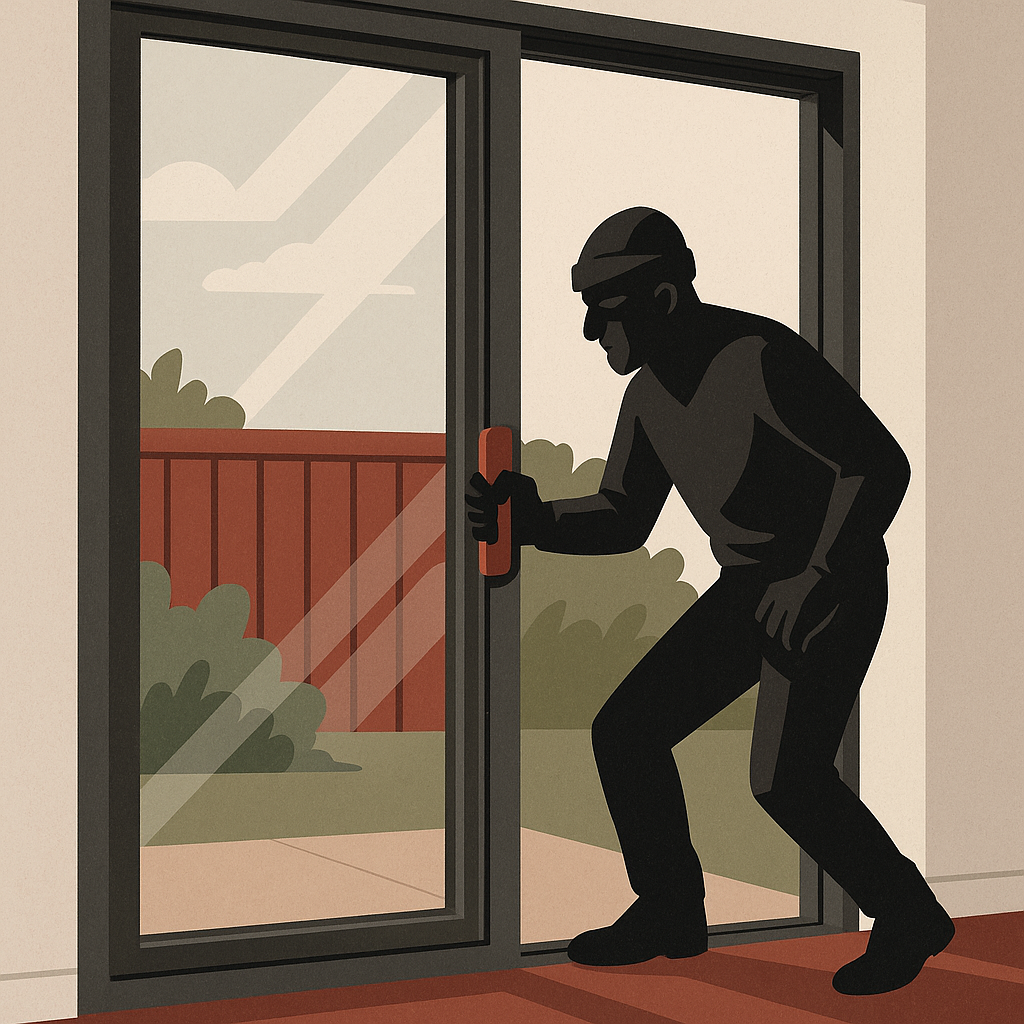
Sliding glass doors look clean. They feel open. That openness is exactly the problem. Before you choose a solution, you need to understand what you are actually defending against.
Three attack vectors dominate:
- Lift-and-Pry Attacks: Intruders lift the door panel clean out of its tracks — no lock picking required.
- Weak Locks: Factory-installed locks are built for convenience, not resistance. They fold under force.
- Glass Breakage: A large glass panel is a large target. One strike and the barrier is gone.
Each of these requires a different countermeasure. That is why a single product rarely solves the whole problem. Know the threat first. Then build your response around it.
Sliding Glass Door Locks: Enhanced Security Through Better Locks
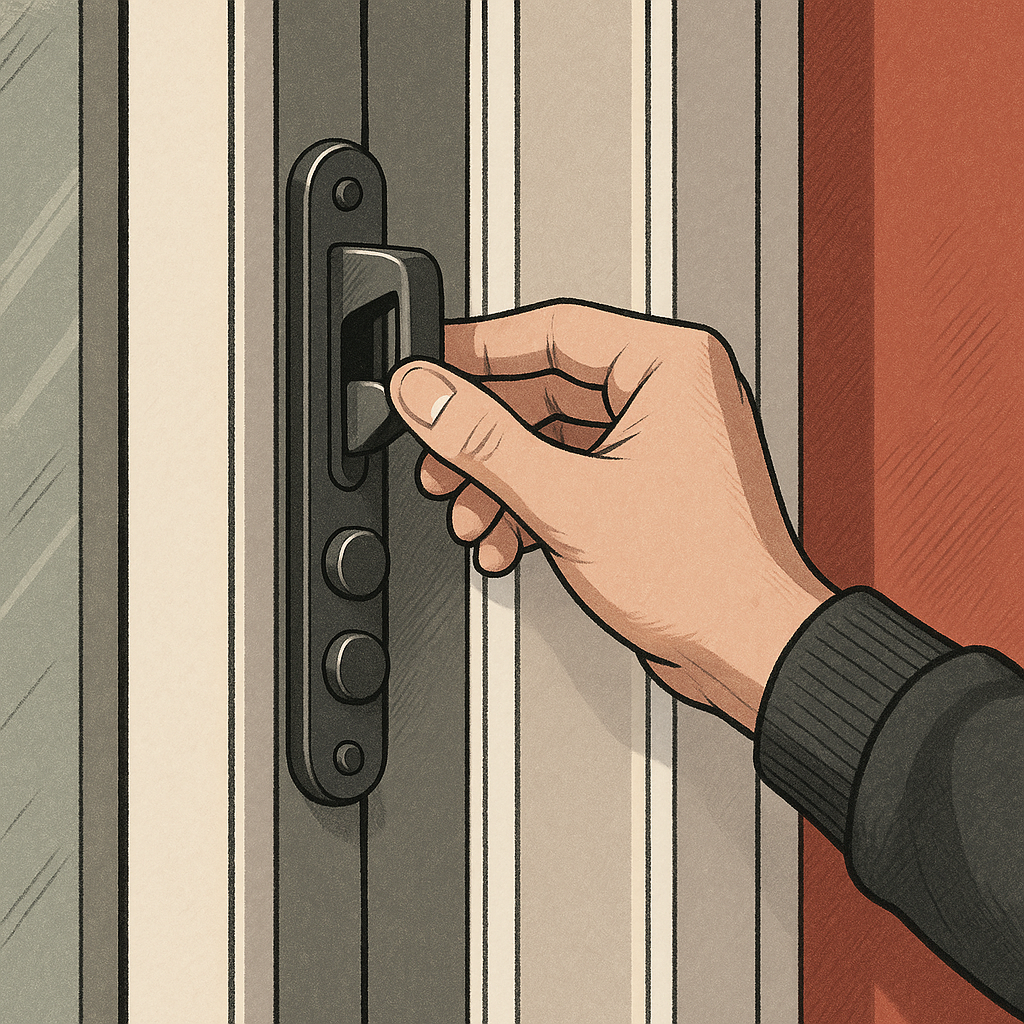
Replacing the factory lock is the most direct upgrade you can make. Modern sliding glass door locks are engineered around the failure points that standard hardware ignores.
Types of Locks:
- Two-Bolt Locks: These anchor the door at both the top and bottom, making a lift-and-pry attack significantly harder to execute.
- Smart Locks: These connect to your home network, enabling remote monitoring and integration with a broader security system.
The Sliding Glass Door Security option is built specifically to counter lift-and-pry attacks. If that is your primary threat vector, it belongs on your shortlist.
Security Bars: A Physical Barrier Against Intrusion
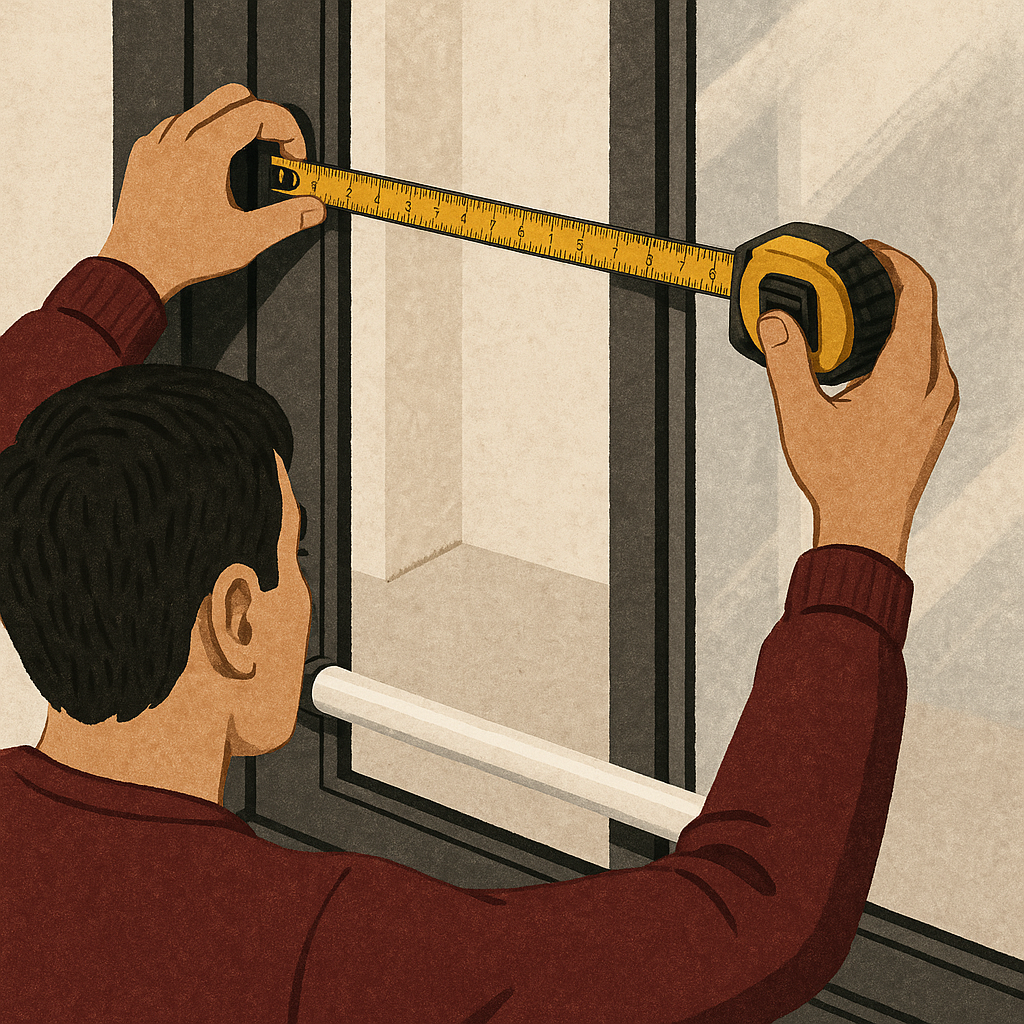
Security bars are low-tech. That is their strength. A bar seated in the track stops the door from sliding open — no tools, no installation, no permanent modifications.
Installation Steps:
- Measure the interior width of your sliding door track.
- Purchase a bar that fits snugly within that measurement.
- Drop it into the bottom track whenever the door is closed.
This solution is purpose-built for renters. No drilling. No landlord approval needed. You can pull it out in seconds and take it with you when you move. The cost is under $30. For what it does, that is a hard number to argue with.
Reinforcement Kits: Comprehensive Door Security
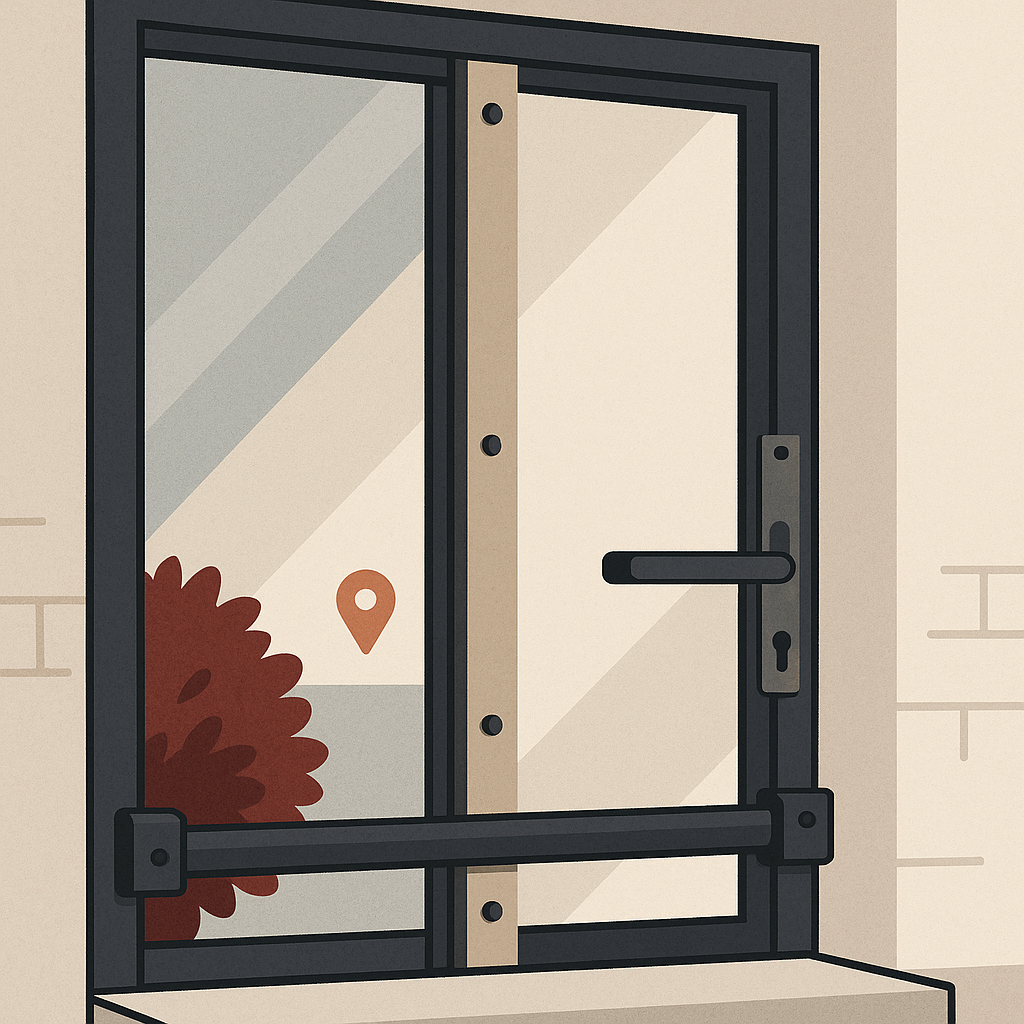
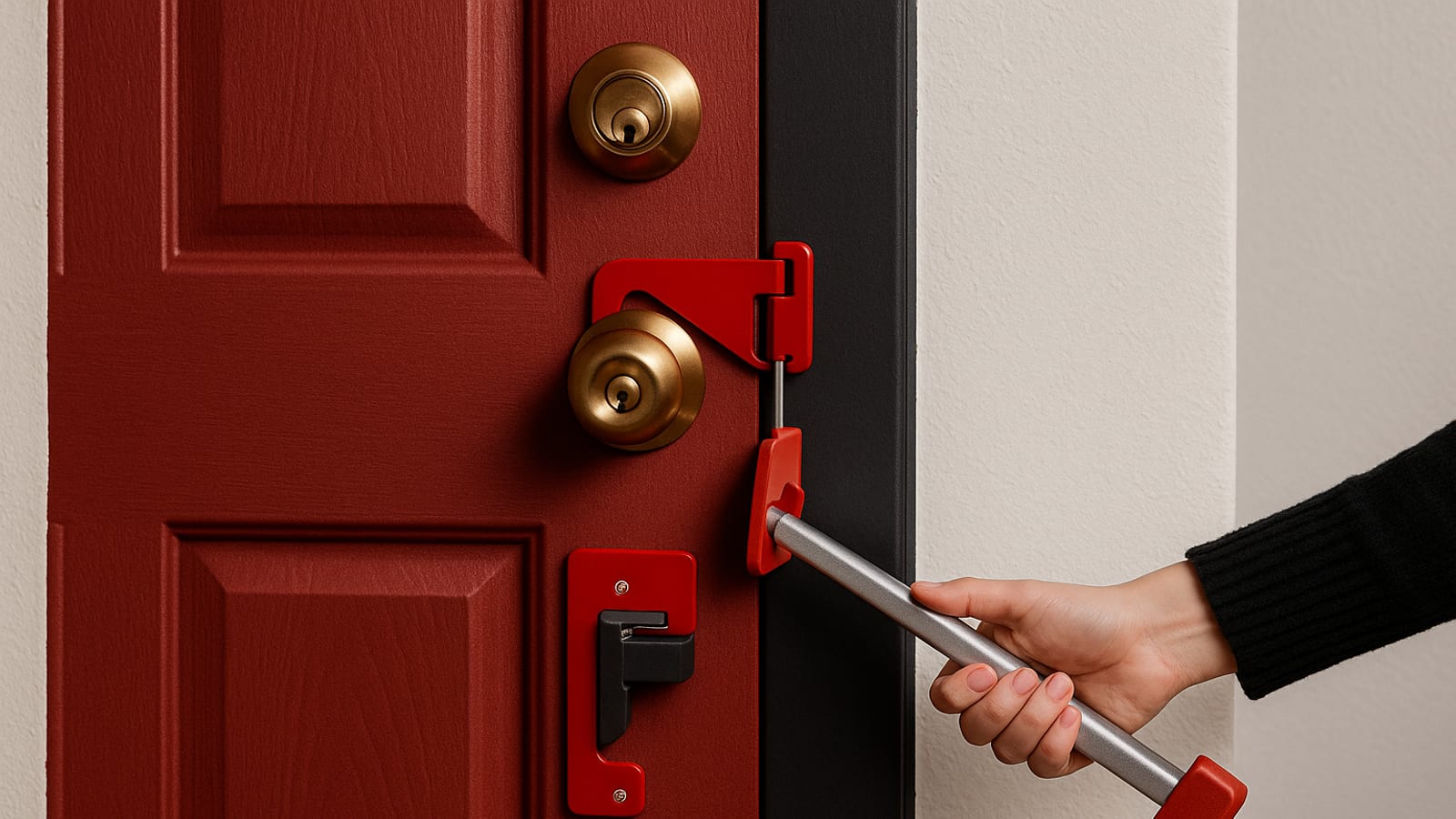
If you want to address the door, the frame, and the lock in one move, a reinforcement kit is the answer. These kits bundle door frame reinforcements, upgraded locking hardware, and anti-kick-in components into a single package.
The Single Door Security Kit covers standard doors front to back. At around $79, it is a serious upgrade for anyone who owns their home and wants durable, long-term protection.
Installation Guide:
- Remove existing door hardware.
- Install the metal door frame reinforcements.
- Replace the existing lock with the kit’s high-security lock.
- Secure the door hinges using the longer screws included in the kit.
The entire process is DIY-friendly. One to two hours of focused work. No contractor required. You control the outcome.
Making the Right Choice for Your Home
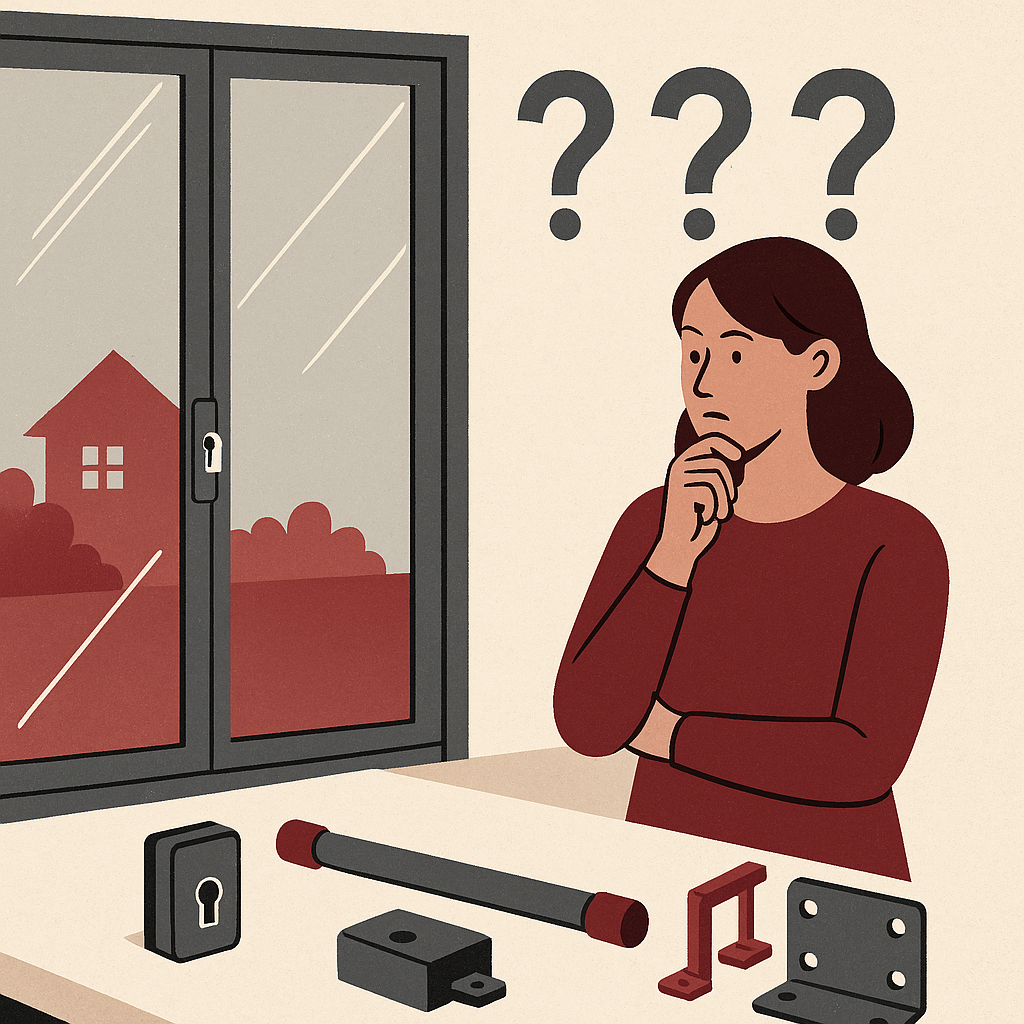
No single answer fits every situation. Three variables determine which direction makes sense for you:
- Budget: Set a hard number before you start shopping. It keeps the decision clean.
- DIY Capability: Be honest about how much time and skill you want to invest. Bars require none. Kits require some.
- Rental Restrictions: If you cannot drill into the frame, a security bar is your most practical move.
The strongest setups stack solutions. A two-bolt lock paired with a security bar gives you two independent failure points an intruder has to defeat. That combination costs less than $60 and takes under an hour to implement.
Conclusion: Protect Your Home with Confidence
Your sliding glass door does not have to be the weak link. Upgraded locks, security bars, and reinforcement kits each close a different gap. The right move depends on your situation — but doing nothing is the only option that guarantees a bad outcome.
Browse the full range at Home Door Security and find what fits your setup. Every layer you add makes the job harder for someone who is counting on easy access.
This is not about fear. It is about building a home that holds. Start with one upgrade. Then stack the next one. 🛡️
For more on hardening your entry points, read our piece on door reinforcement strategies.
Side-by-Side Comparison: Locks vs. Security Bars vs. Reinforcement Kits
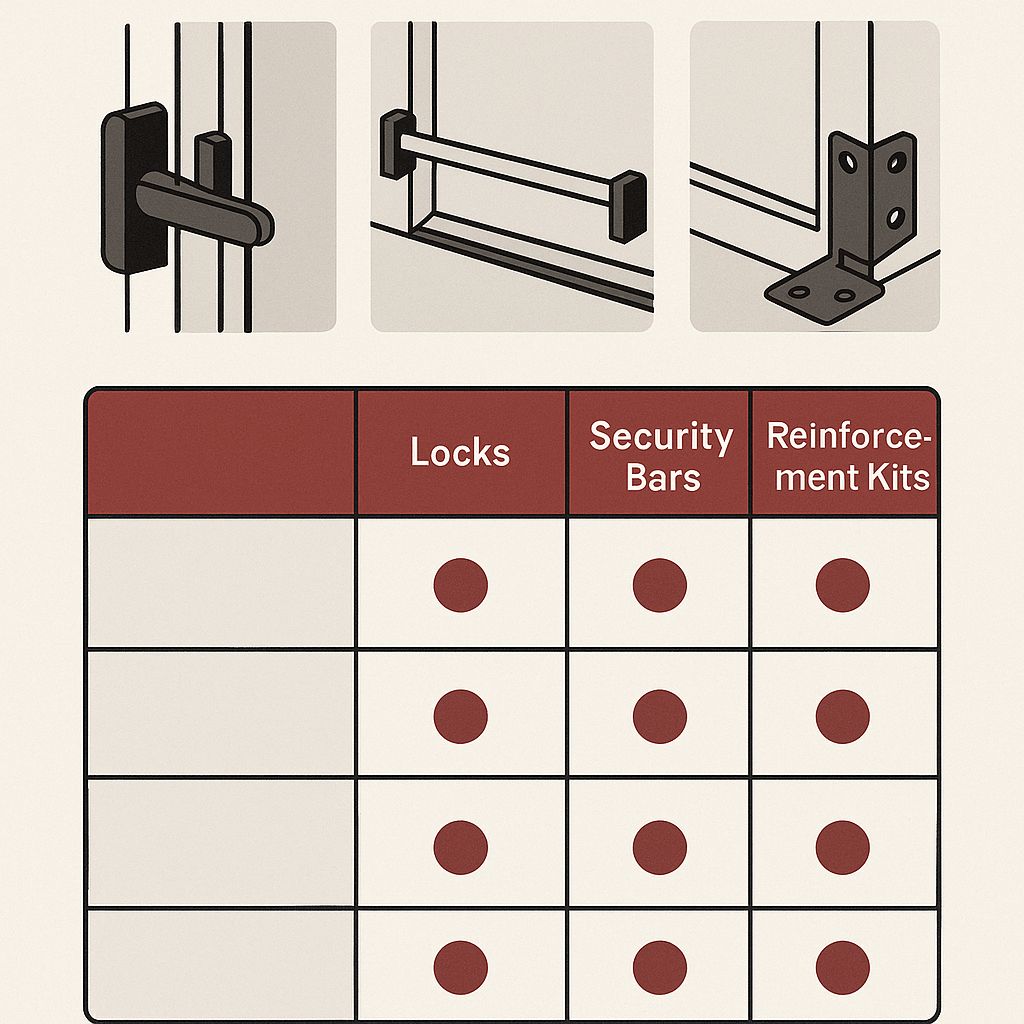
Numbers and categories only tell part of the story. Here is how each solution actually performs where it counts:
- Ease of Installation: Security bars need zero tools and deploy in under a minute. Upgraded locks take a screwdriver and 20 to 30 minutes. Reinforcement kits demand one to two hours — but that time buys you the most durable result of the three.
- Portability: Security bars travel. Take one to a hotel or vacation rental and you have instant protection in an unfamiliar space. Locks and reinforcement kits are fixed to the door and frame — they stay when you leave.
- Deterrence Visibility: A visible bar in the track signals to anyone casing the property that entry will be loud and slow. Reinforcement kits sit behind the frame — cleaner aesthetically, equally effective, but invisible to a would-be intruder until they test the door.
- Resistance to Lift-and-Pry: Two-bolt locks and reinforcement kits address this directly. A bar seated only in the bottom track does not stop the door from being lifted off the upper track. Pair any bar with an anti-lift pin or bracket — that combination closes the gap.
- Long-Term Cost: Security bars are a one-time purchase under $30. Smart locks may carry ongoing subscription fees for cloud monitoring. Reinforcement kits cost more upfront but rarely need replacing.
Layered Security Checklist for Sliding Glass Doors
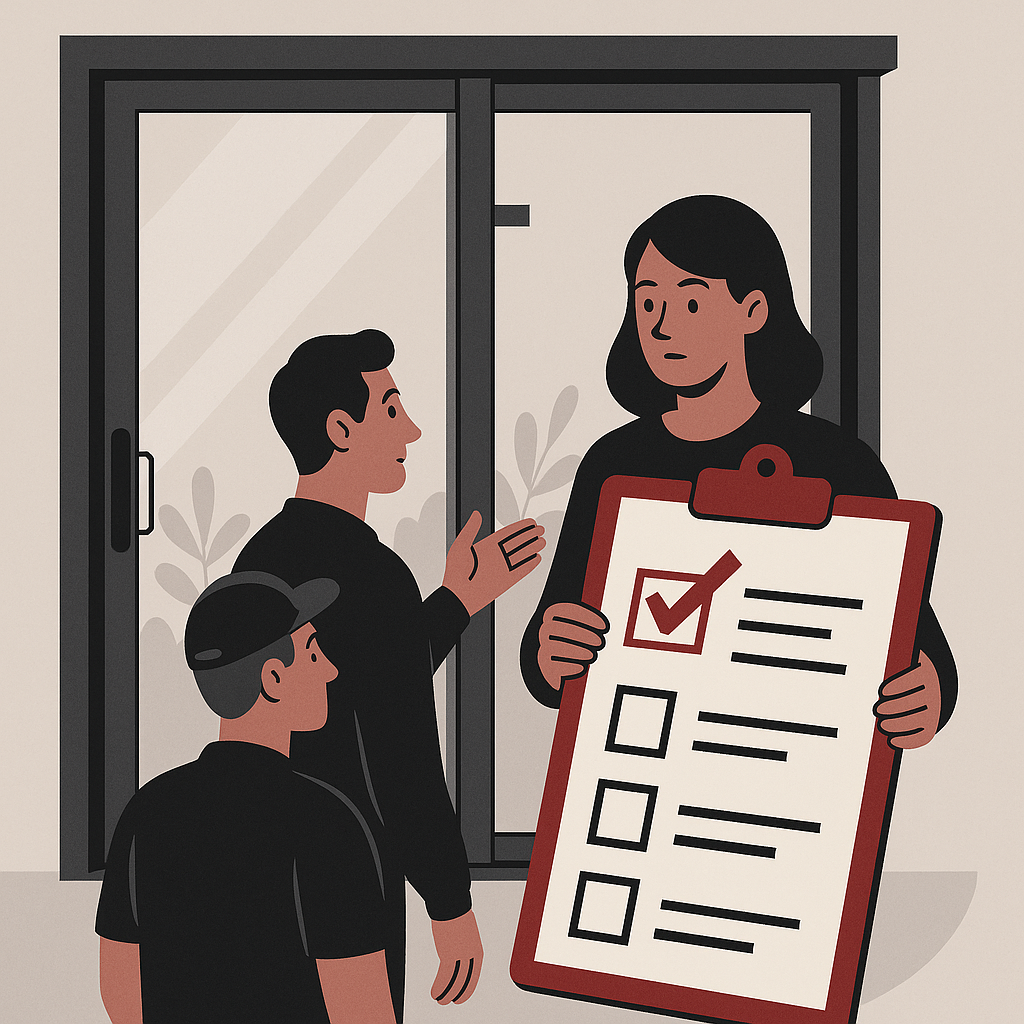
Security professionals do not rely on a single product. They build layers. Use this checklist to audit your current setup and find the gaps:
- ☐ Anti-lift pins or brackets installed — Stops the door panel from being lifted out of the upper track even when the primary lock is engaged.
- ☐ Secondary lock or security bar in place — A backup that holds if the primary lock is bypassed or fails under force.
- ☐ Door frame reinforced around the latch strike plate — The strike plate is the most common failure point. A heavy-gauge metal plate with 3-inch screws dramatically increases kick-in resistance.
- ☐ Glass treated with security film — A 4-mil or thicker window security film holds shattered glass in place, slowing entry and reducing injury risk.
- ☐ Motion-activated lighting at the door exterior — Removes the cover of darkness that intruders depend on.
- ☐ Door sensor connected to a home alarm system — Triggers an audible alert the moment the door opens or the glass breaks.
Frequently Asked Questions
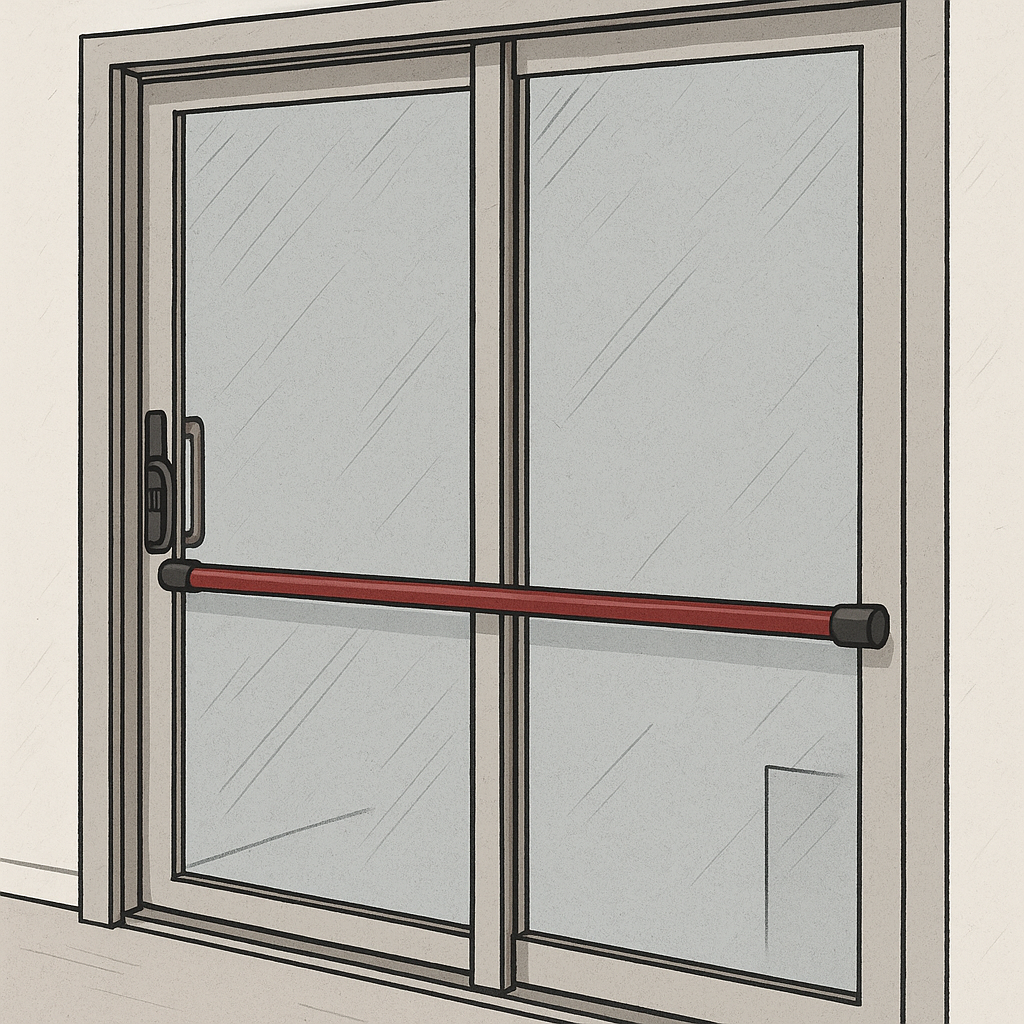
Can I use a security bar on a double sliding door?
Yes. You need a bar long enough to span the full interior width of both panels, or two individual bars placed in each panel’s track. Double doors vary widely in width, so confirm the bar’s length range before you buy.
Will a reinforcement kit void my door’s warranty?
Most sliding door manufacturers do not cover security modifications under warranty, but the modification itself does not compromise the door’s structural integrity. Review your warranty documentation first, and contact the manufacturer directly if anything is unclear before you drill into the frame.
How do I know if my existing lock is a two-bolt or single-bolt model?
Close the door and engage the lock. Inspect the edge where the door meets the frame. Two visible latch points — one near the handle and one at the top or bottom of the door stile — means you have a two-bolt system. A single latch point means you have a standard single-bolt lock that is worth upgrading.
Are smart locks for sliding doors compatible with all major home automation platforms?
Compatibility varies by brand. Before purchasing, confirm whether the lock supports Z-Wave, Zigbee, Wi-Fi, or Bluetooth, and verify it integrates with your existing hub — whether that is Amazon Alexa, Google Home, Apple HomeKit, or a dedicated security panel.
Key Performance Indicators to Measure Your Security Upgrade
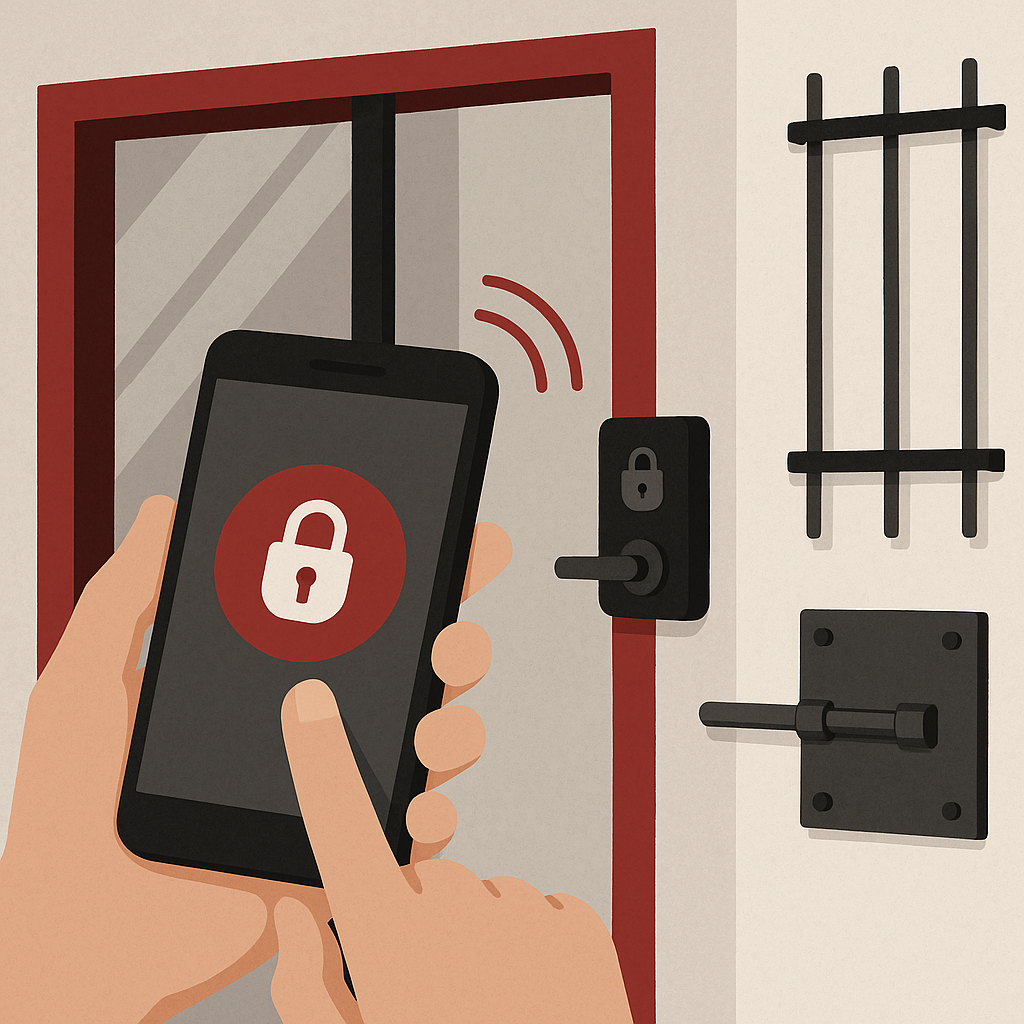
Installing a solution is step one. Knowing whether it is actually working is step two. Track these metrics after your upgrade:
- Response Time to Lock/Unlock: For smart locks, measure how quickly the app registers a status change. Delays beyond five seconds point to connectivity issues that can compromise remote monitoring.
- Number of False Alarm Triggers: If you added a door sensor, log false triggers monthly. A high rate usually means a misaligned sensor or a door that does not close flush — both are security gaps in their own right.
- Annual Security Audit Score: Run through the layered checklist above once a year. Score how many items are fully implemented. Target 100%. Document anything deferred due to budget or rental restrictions so it gets addressed in the next cycle.
- Insurance Premium Changes: Contact your homeowner’s insurance provider after completing your upgrades. Some carriers offer premium discounts for documented security improvements — a measurable financial return on the work you have already done.
Disclosure: this article may contain affiliate links. If you buy through them, we may earn a small commission at no extra cost to you.

Leave a Reply