
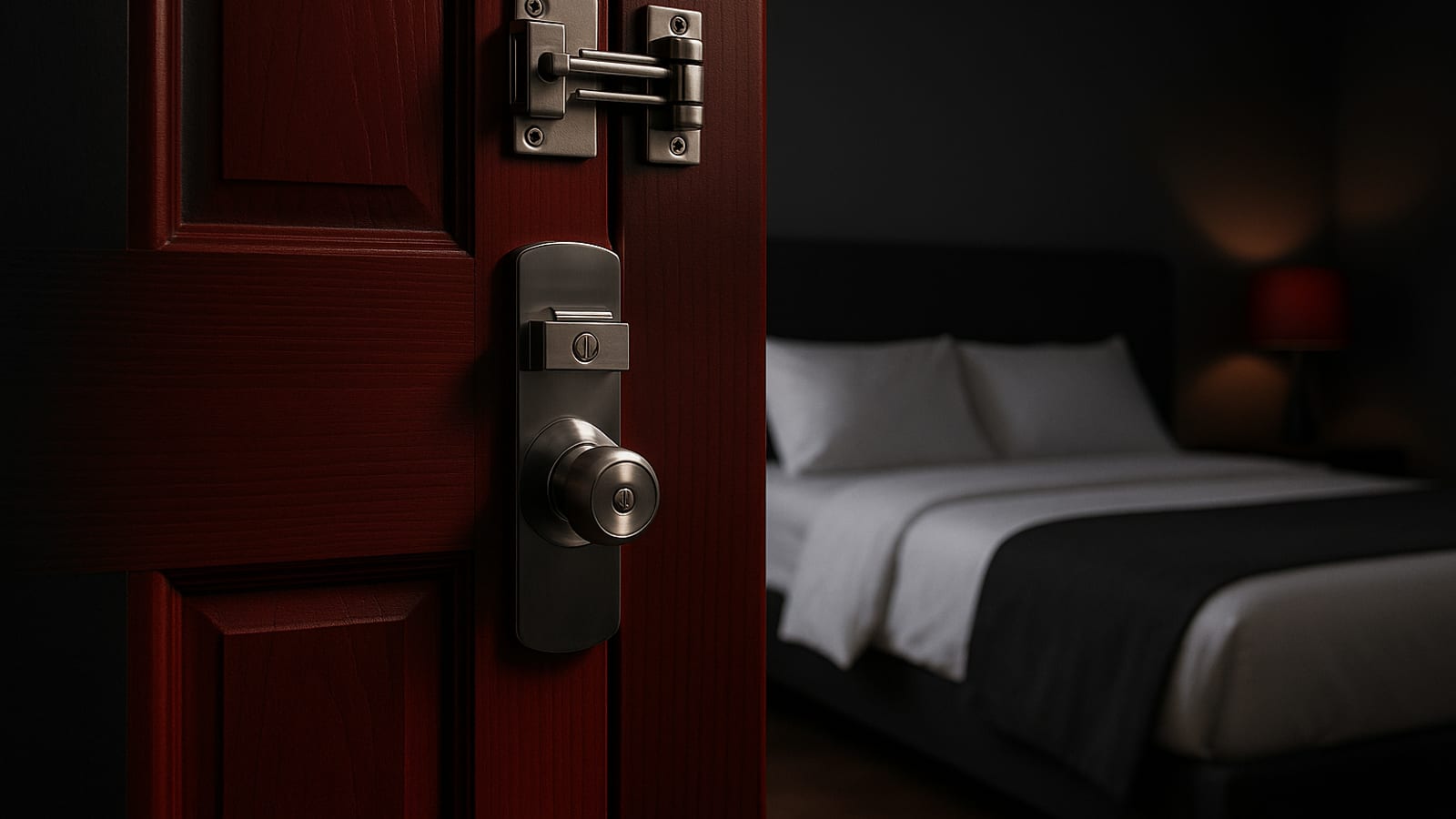
Interior Door Security: Protecting Bedrooms and Safe Rooms
Most people secure the front door and stop there. That is a mistake. If someone gets past your main entry, your bedroom and safe room are the last line of defense. How long those doors hold determines what happens next. This guide gives you the exact steps to make them hold.
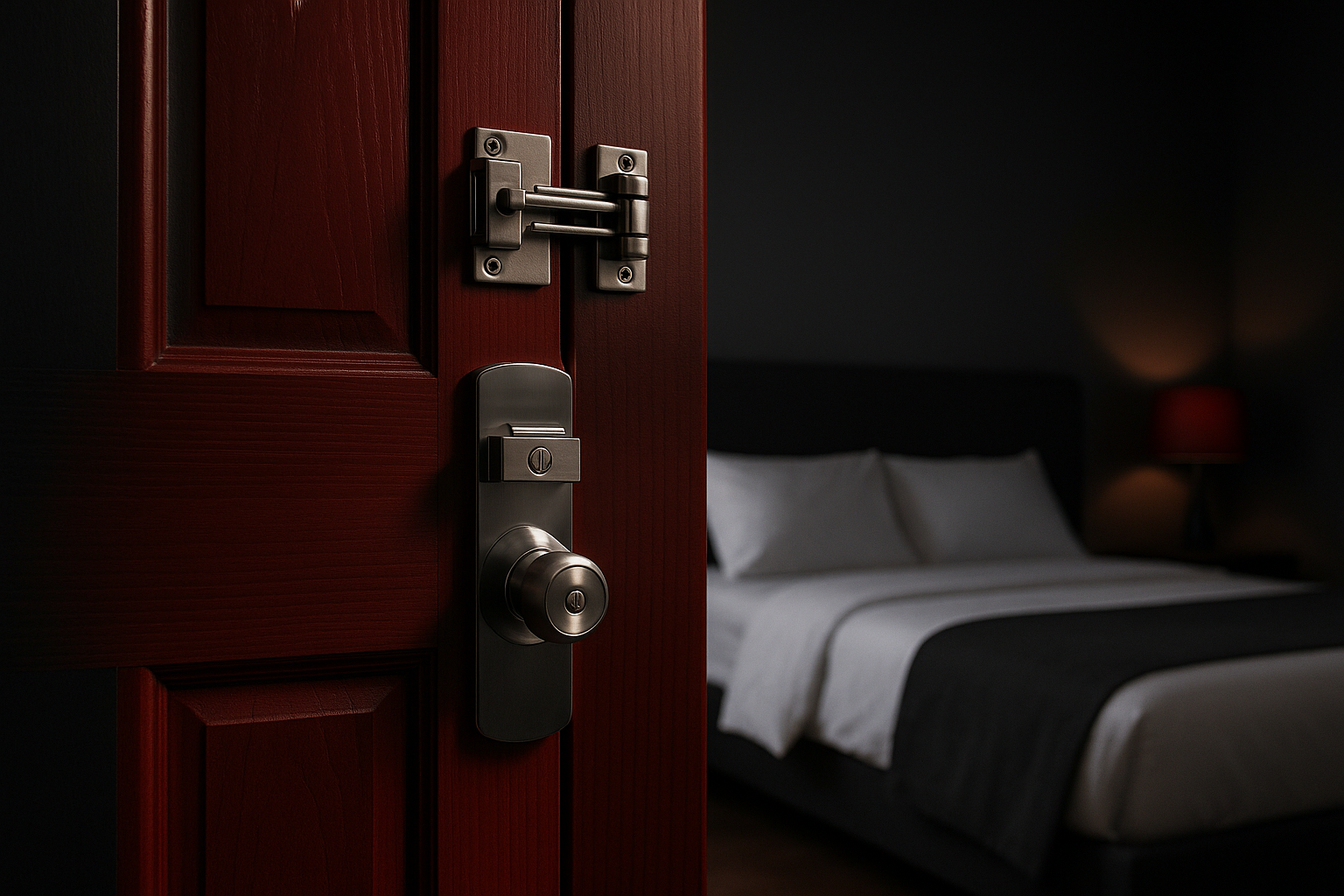
Understanding the Importance of Interior Door Security
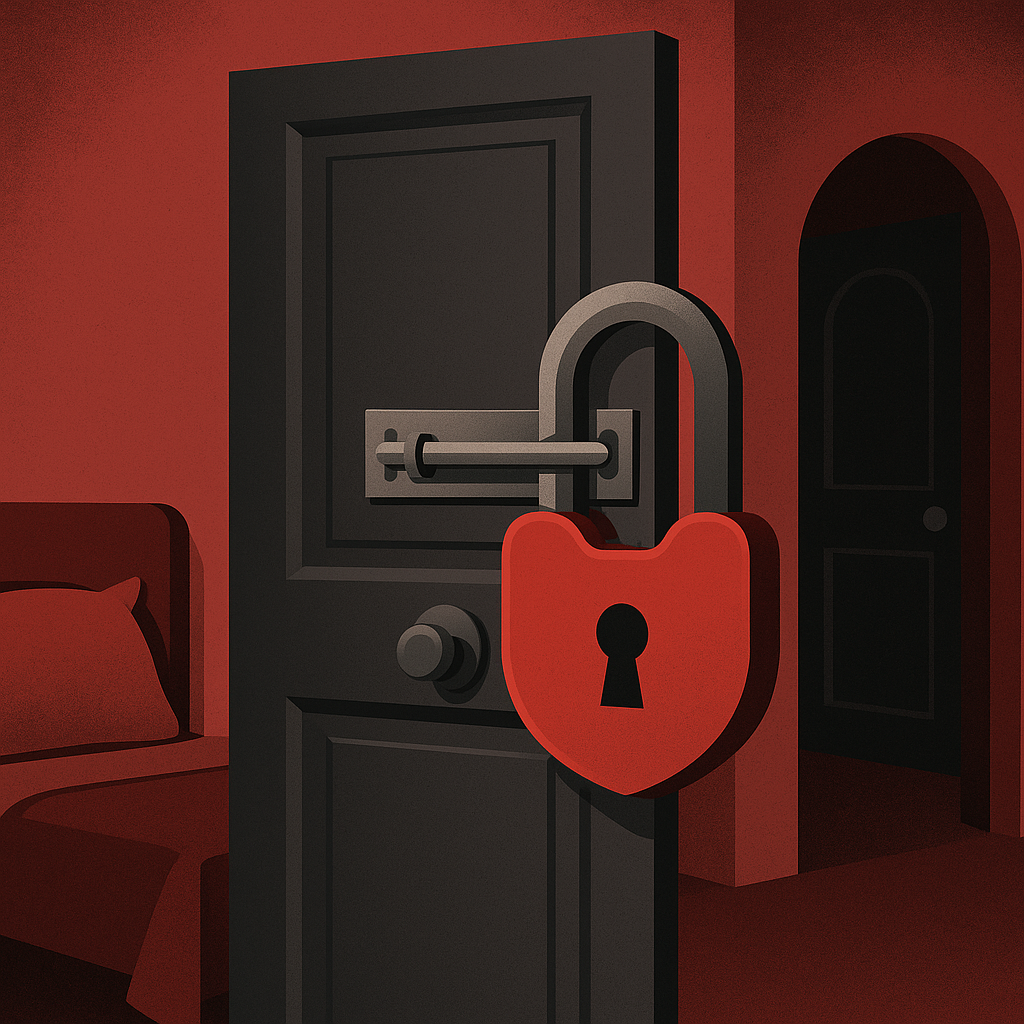
Exterior doors get all the attention. Interior doors get ignored. That gap is exactly where your security plan breaks down. When a breach happens at the main entry, your bedroom and safe room need to buy you time — time to call for help, time to act. A door that folds in one kick buys you nothing.
Why Focus on Bedrooms and Safe Rooms?
These are the rooms where you and your family retreat when things go wrong. A reinforced interior door creates a hard barrier between you and an intruder. Even a few extra minutes can change the outcome entirely. That time is only available if the door is built to give it to you.
Common Vulnerabilities in Interior Doors
Standard interior doors are hollow-core. They are built for privacy, not protection. The frames are thin, the locks are basic, and a single hard kick is often enough to breach them. You are not dealing with a security door — you are dealing with a decorated sheet of cardboard. Knowing that is where the fix begins.
Essential Tools and Kits for Interior Door Security
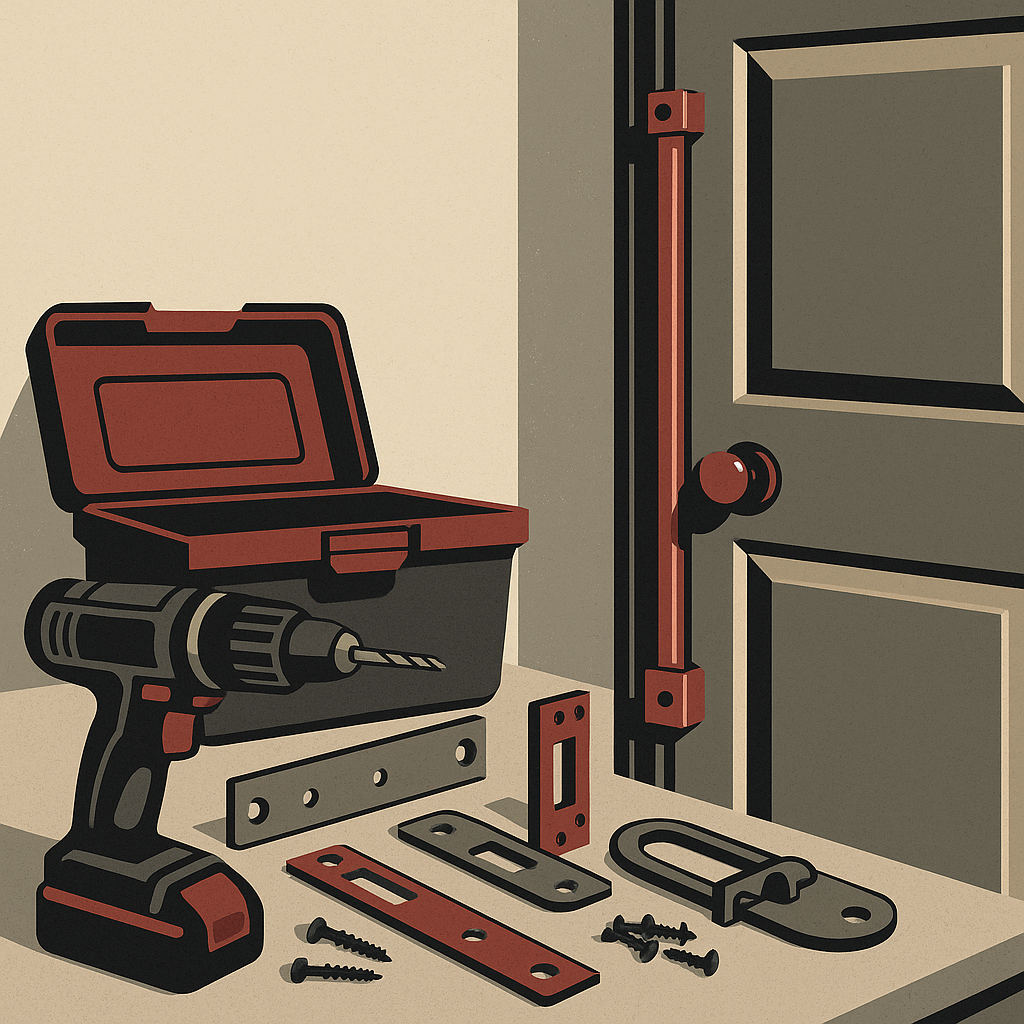
You do not need a contractor or a large budget. The right tools are purpose-built, affordable, and designed for exactly this problem. Pick the right components and install them correctly — that is the entire equation.
Door Reinforcement Kits
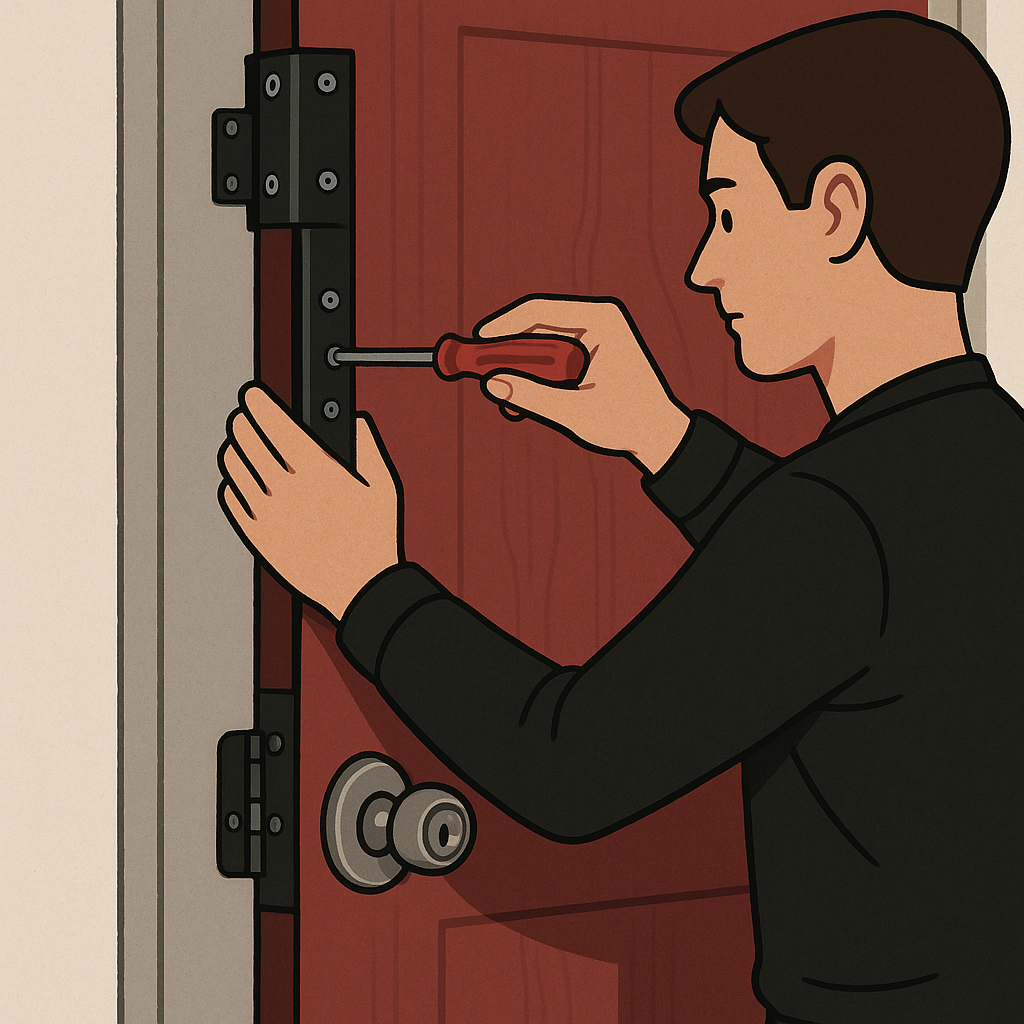
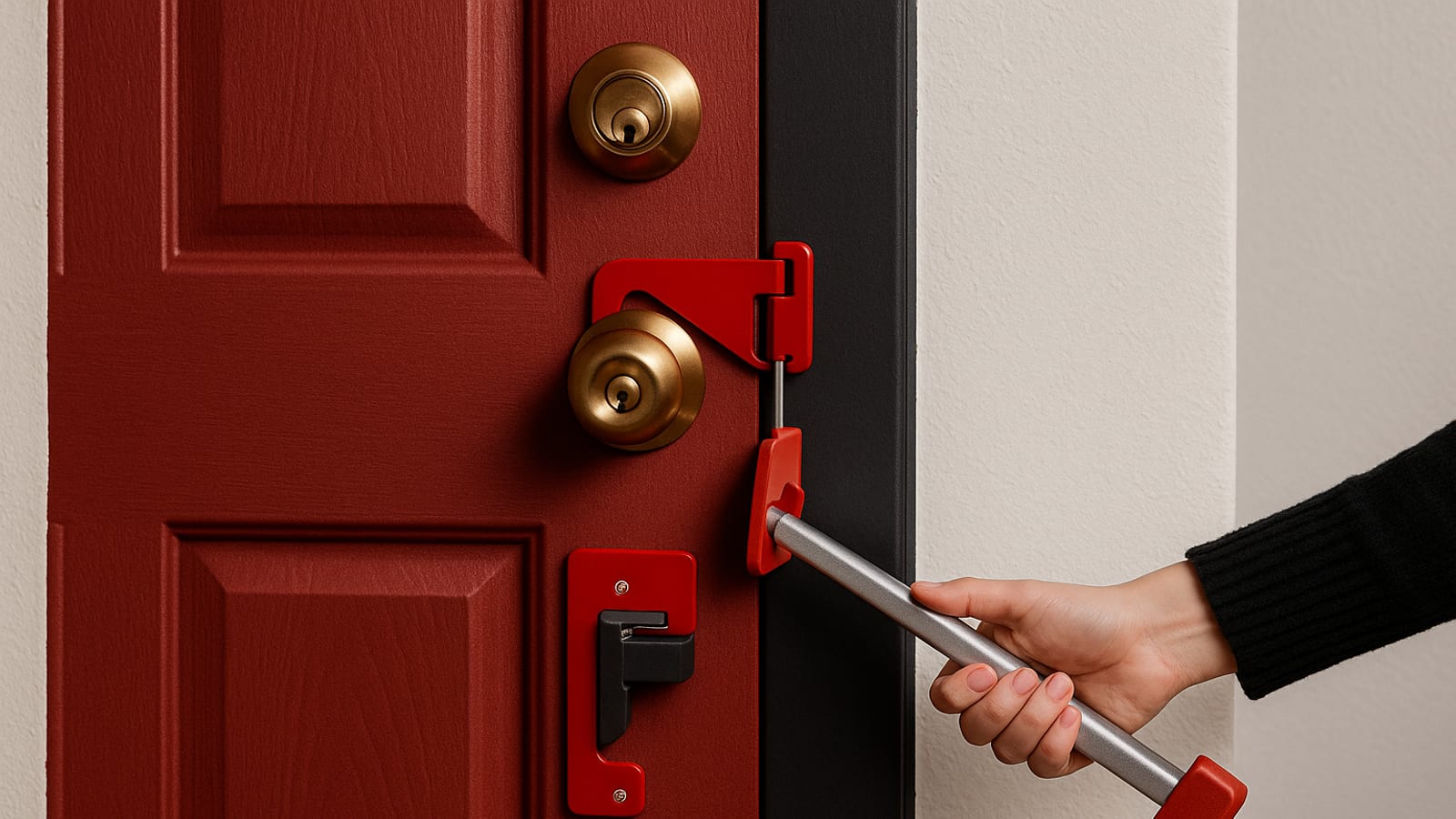
Start with a Single Door Security Kit. At around $79, it is one of the most cost-efficient security upgrades you can make. The kit includes reinforced strike plates, door shields, and hinge shields — the three points where most kick-in attempts succeed. Address those three points and you have eliminated the most common attack vectors.
Additional Security Measures
- Door Jammers: Portable, floor-braced devices that add a physical barrier independent of the lock.
- Security Bars: Adjustable bars that reinforce the door frame against lateral force.
- High-Security Locks: Deadbolts with reinforced strike plates that resist both picking and brute force.
Step-by-Step Guide to Reinforcing Interior Doors

This is not complicated. Four steps. Execute them in order and your bedroom door becomes a serious obstacle instead of a formality.
1. Assess Your Current Setup
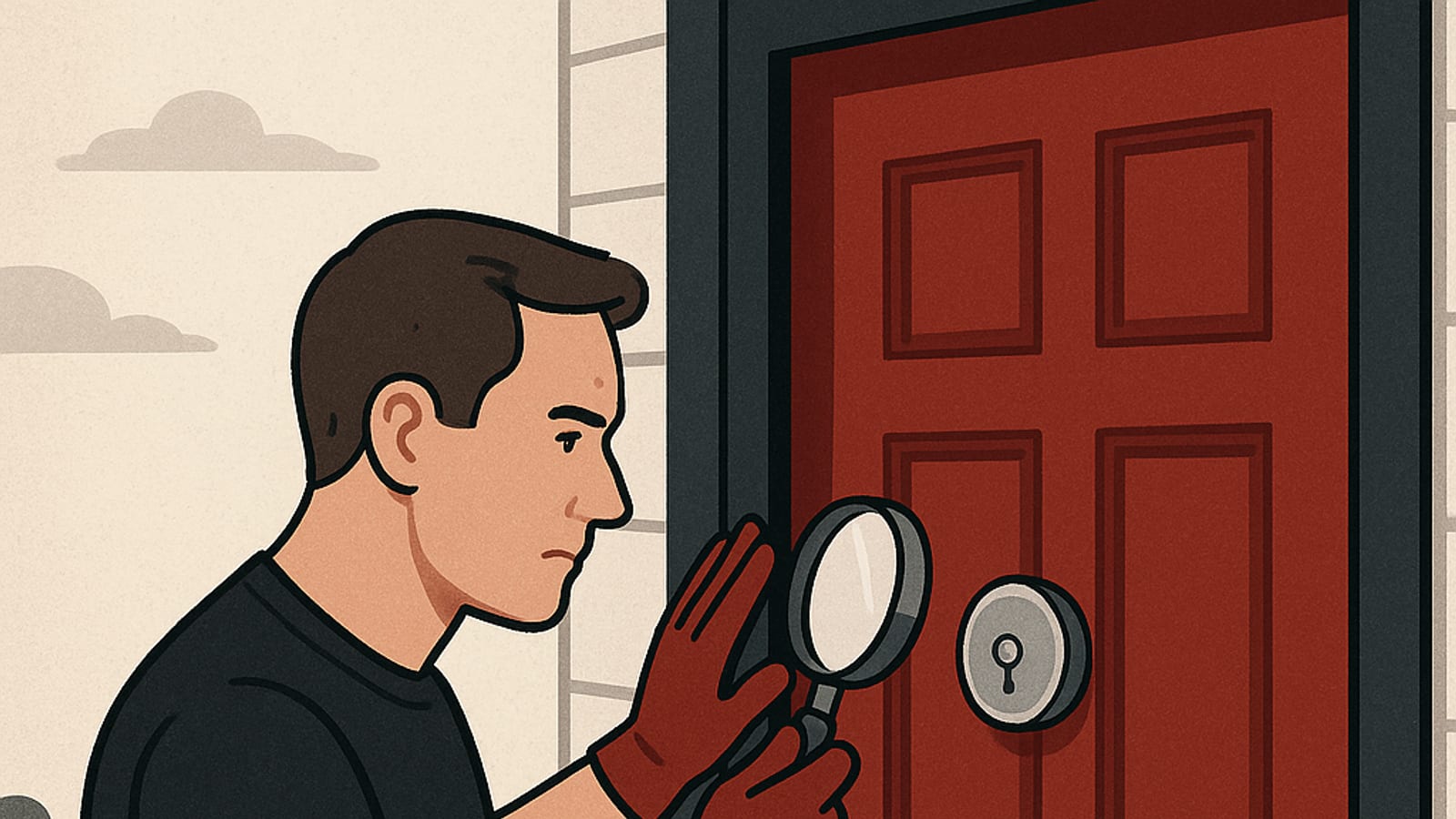
Walk up to each door you want to secure and look at it honestly. Check the hinges — are the screws short and loose? Check the strike plate — is it a thin stamped piece of metal held by half-inch screws? Check the door itself — does it flex when you push it? Document every weakness before you spend a dollar.
2. Install Door Reinforcement Kits
Follow the instructions included with your Single Door Security Kit. Align the strike plates and door shields precisely before fastening. You need a screwdriver and a drill. Take your time on alignment — a misaligned plate is a weak plate.
3. Upgrade Locks and Hinges
Swap out standard locks for high-security deadbolts. Replace the short factory screws in your hinges with three-inch screws that reach the wall stud. This single change dramatically increases resistance to forced entry. It costs almost nothing and takes ten minutes.
4. Test Your Reinforcements
Apply firm pressure to the door after installation. Check every component for movement. Tighten anything that shifts. A reinforcement that moves under pressure is not a reinforcement — it is a delay. Make it solid before you walk away.
Maintaining Your Interior Door Security
Installation is not a one-time event. Security degrades. Screws loosen, components wear, and locks age. Set a quarterly reminder to inspect every reinforced door. Tighten what has shifted. Replace what has worn. A system you installed and forgot is a system you cannot trust.
Additional Security Enhancements
Reinforced doors can still be bypassed through adjacent windows. Add a Window Security Film to close that gap. A determined intruder will look for the path of least resistance. Remove that path before they find it.
Conclusion: Taking the Next Steps
Reinforcing your interior doors is a decision you make once and benefit from indefinitely. The strategies in this guide are not theoretical — they are practical, proven, and executable this weekend. Your bedroom and safe room should be the hardest rooms in your home to reach. Right now, for most people, they are the easiest.
Change that. Explore additional resources and products at our website and build a security setup that holds when it matters most.
Advanced Security Features for Interior Doors
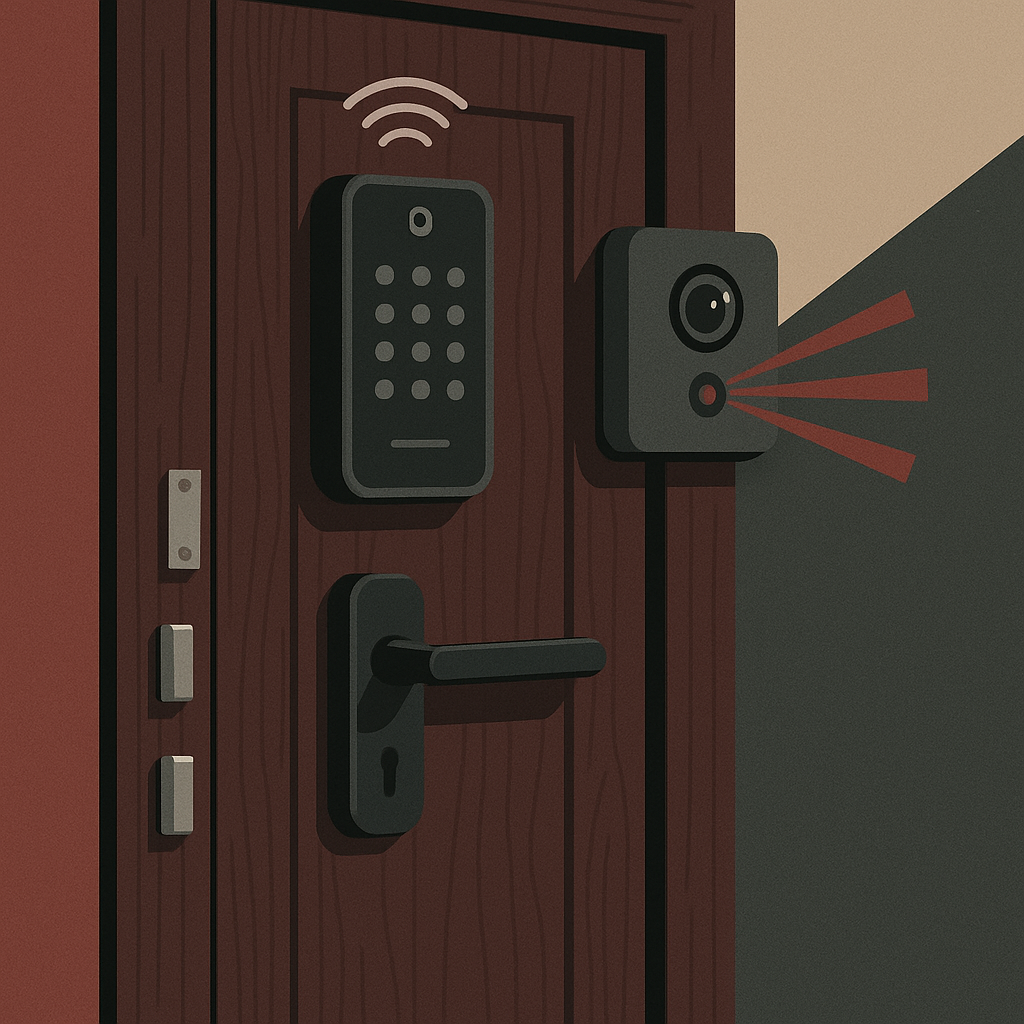
Physical reinforcement is the foundation. Once it is in place, technology can extend what you can see, hear, and control. These are not luxury additions — they are the next logical layer for anyone serious about a complete security setup.
Smart Locks
Smart locks give you remote control and real-time visibility. Lock or unlock a door from your phone. Set access permissions by user. Some models use biometric authentication — fingerprint only, no key to copy or lose. The result is a door that is harder to breach and easier to monitor simultaneously.
Door Sensors and Alarms
A door sensor costs very little and delivers immediate value. Any unauthorized attempt to open the door triggers an alert — to your phone, to a central system, or both. You know the moment something happens, not after the fact. That response window is what separates a close call from a bad outcome.
Case Study: Enhancing Security in Urban Apartments
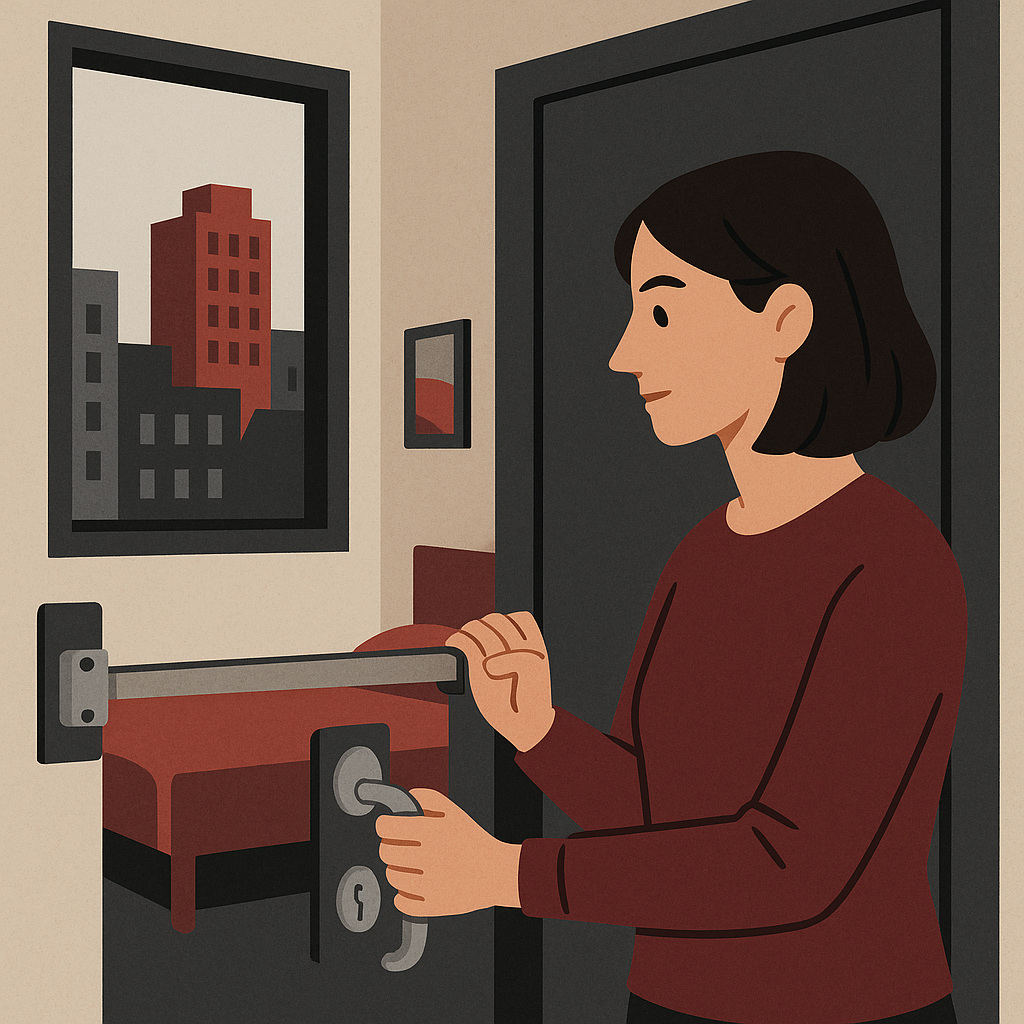
Urban apartments present a specific challenge. Shared building access, thin walls, and standard-issue hollow-core doors create a security environment that most tenants accept without question. Jane did not accept it.
Challenges Faced
Jane’s apartment came with hollow-core interior doors and basic privacy locks — the kind that offer the appearance of security without the substance. Her concern was straightforward: if someone bypassed the building entrance, her bedroom door would not slow them down for long.
Solutions Implemented
- Reinforcement Kits: Jane installed door reinforcement kits on her bedroom and bathroom doors — the rooms she would retreat to in an emergency.
- High-Security Locks: She replaced the factory locks with deadbolts featuring anti-pick and anti-bump technology.
- Smart Monitoring: She added smart locks with real-time access tracking and instant alerts for any unauthorized attempts.
Results Achieved
The combination worked. Physical reinforcement eliminated the easy kick-in. Smart monitoring gave her visibility she did not have before. Jane’s setup is a clear example of what a layered, methodical approach produces — not a perfect system, but a significantly harder target. That distinction matters.
Key Performance Indicators (KPIs) for Measuring Security Effectiveness
You cannot improve what you do not track. Set these benchmarks and review them regularly to confirm your security setup is performing as intended.
- Breach Attempts Recorded: Track any unauthorized access attempts to measure whether your deterrents are working.
- Response Time: Measure how quickly you respond to security alerts. Speed matters when a threat is active.
- System Downtime: Log any periods when smart locks or alarms are offline. Gaps in coverage are gaps in protection.
- User Access Logs: Review smart lock access records on a regular schedule. Unusual patterns surface problems before they escalate.
FAQs on Interior Door Security
What is the most cost-effective way to enhance interior door security?
Start with a door reinforcement kit. For around $79, you get reinforced strike plates, door shields, and hinge shields — the components that address the most common failure points. It is the highest-impact upgrade per dollar you can make on an interior door.
Can I install these security measures myself, or should I hire a professional?
Reinforcement kits and lock upgrades are designed for DIY installation. The instructions are clear and the tools required are basic. If you are adding smart locks or integrating a full alarm system, a professional installation ensures everything is configured correctly and communicates as intended. Know your skill level and act accordingly.
Disclosure: this article may contain affiliate links. If you buy through them, we may earn a small commission at no extra cost to you.

Leave a Reply