
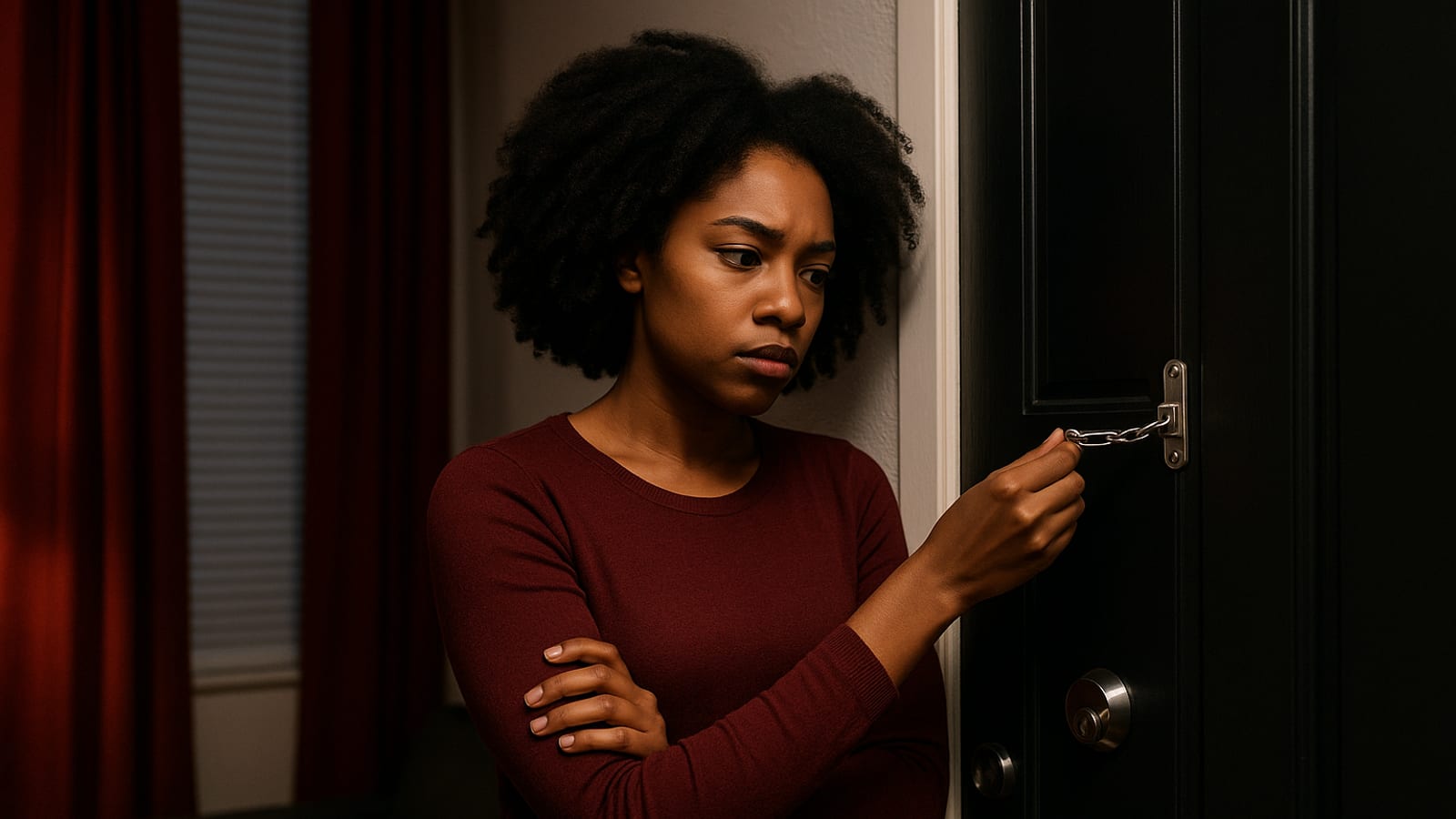
Living alone can be an empowering experience for many women, yet it also brings unique security challenges. While the statistics may vary, it’s widely acknowledged that single women are often more concerned about home security than other demographics. This comprehensive guide aims to provide actionable strategies and tools to enhance your safety without instilling unnecessary fear. Let’s dive into practical steps you can take to secure your home effectively.
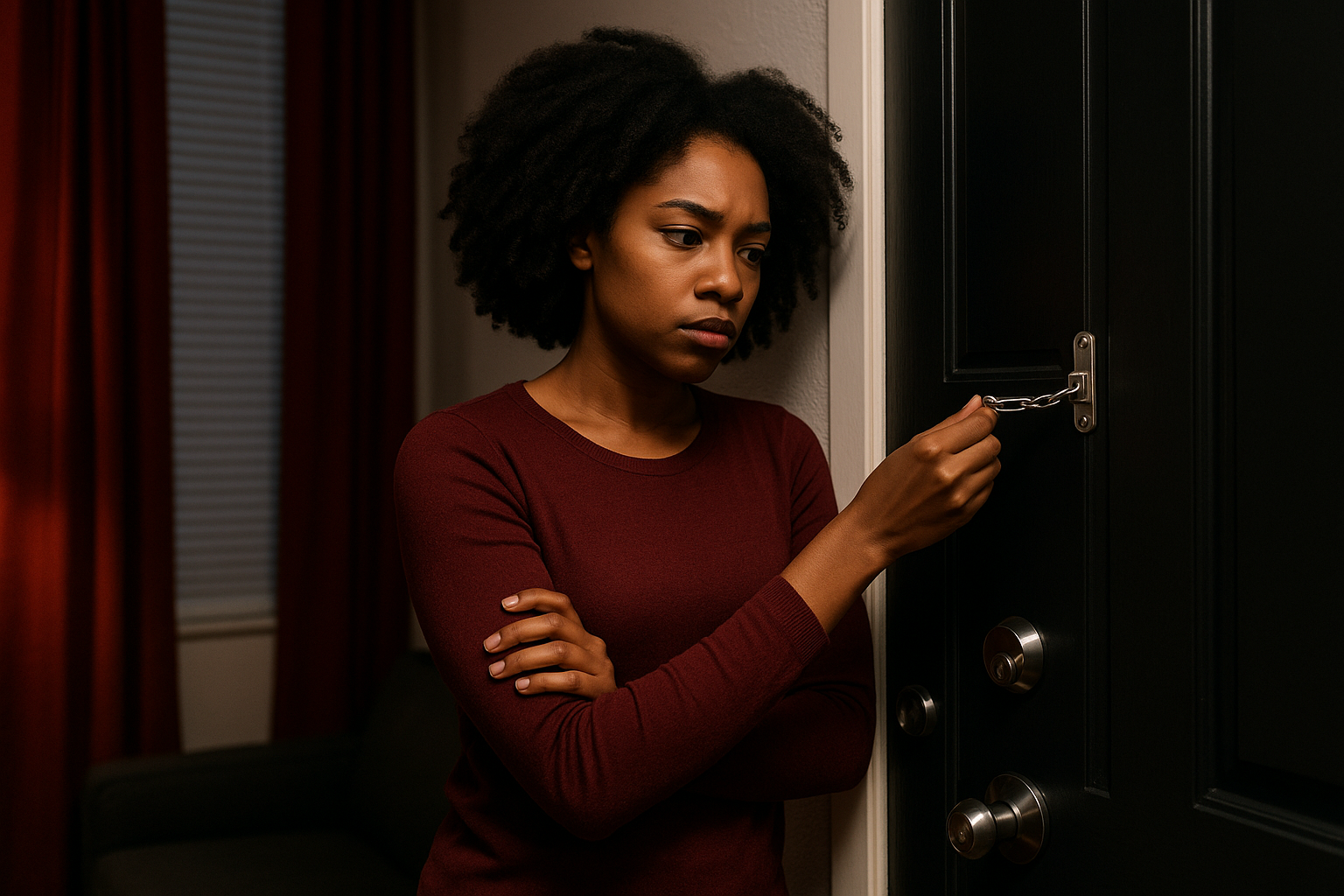
Understanding the Unique Security Needs
Single women living alone often face specific security challenges that require tailored solutions. It’s not just about preventing break-ins but also creating a sense of safety and peace of mind. Here are some common concerns:
- Entry Point Vulnerabilities: Doors and windows are the most common entry points for intruders. Securing these effectively is crucial.
- Visibility and Lighting: Proper lighting can deter potential intruders by eliminating hiding spots.
- Emergency Preparedness: Knowing how to react in the event of a break-in is essential for personal safety.
Securing Your Home: Step-by-Step Guide
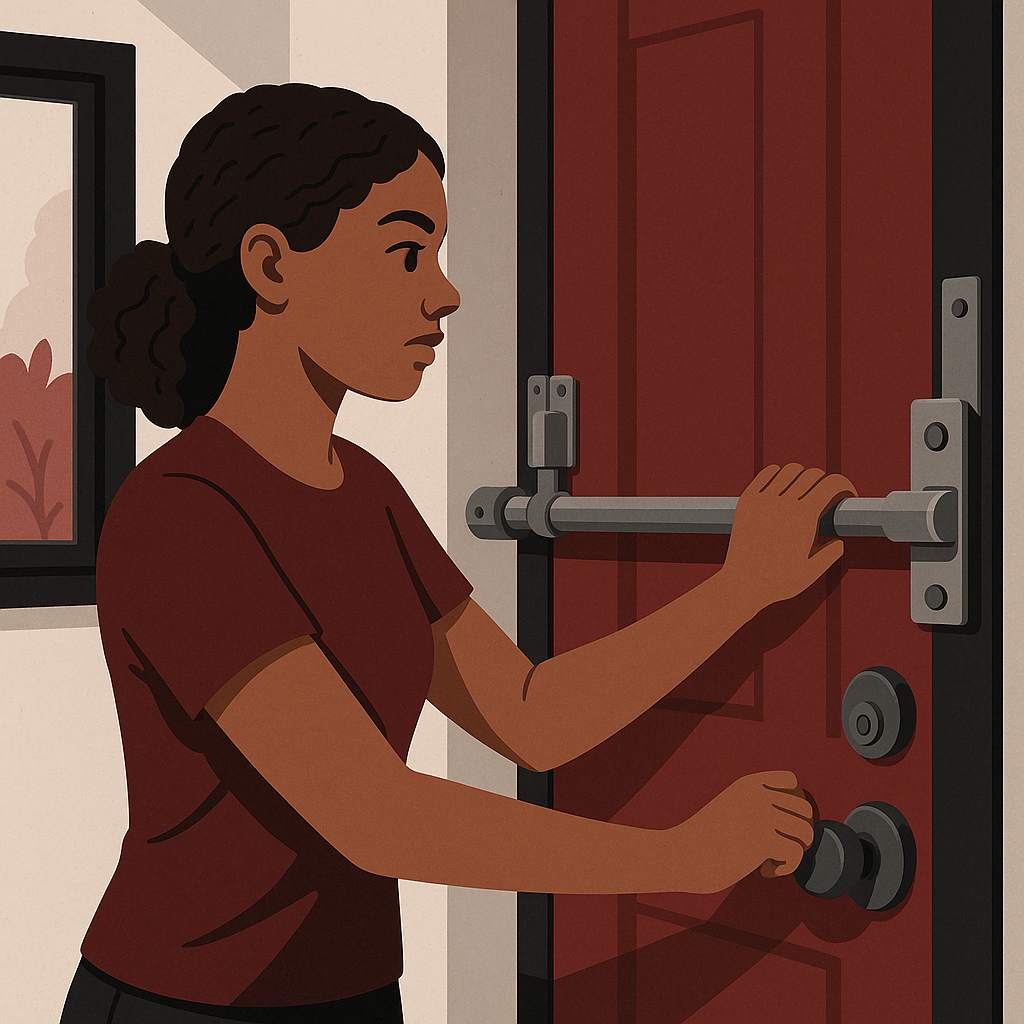
1. Reinforce Your Doors
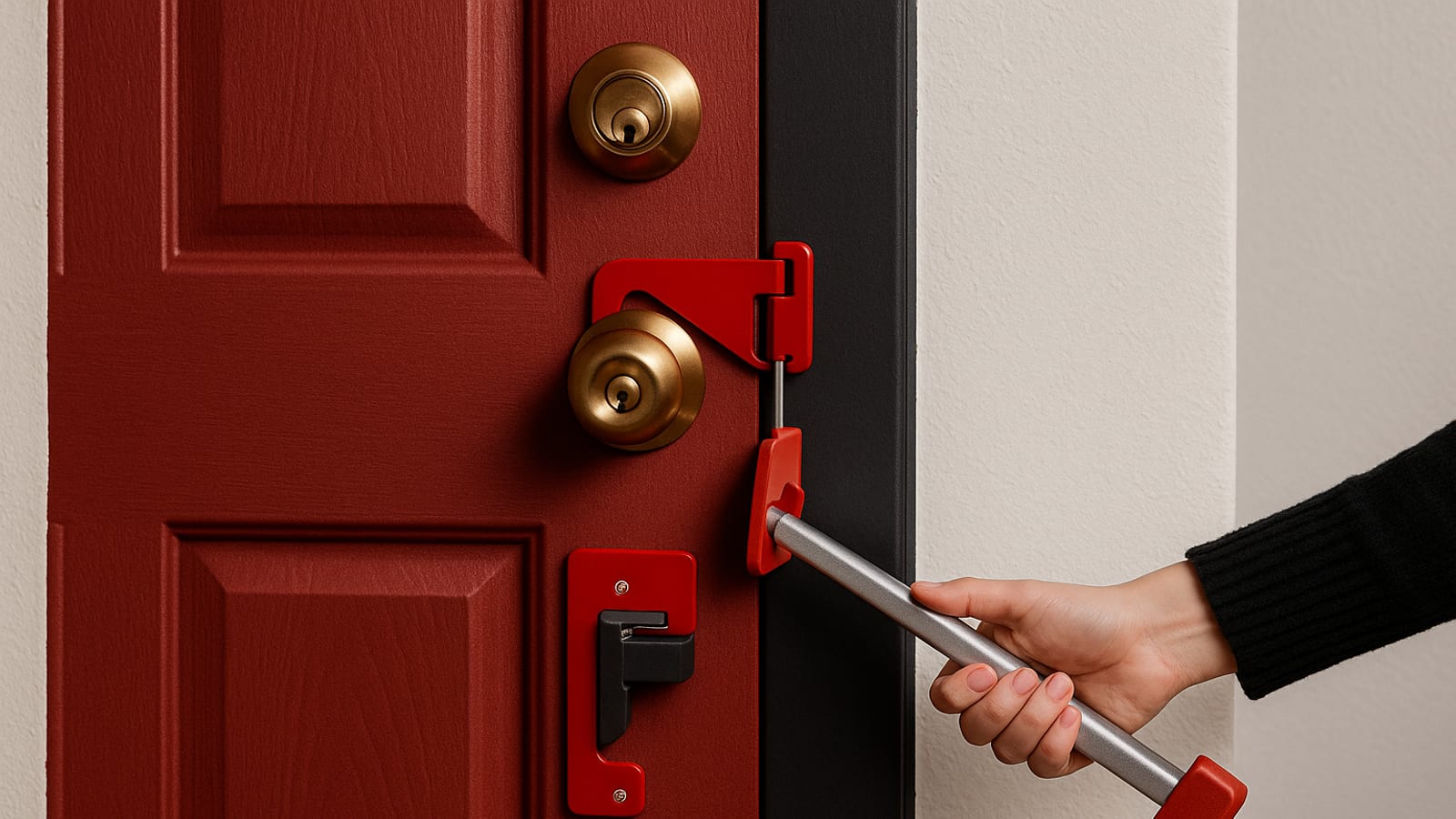
The first line of defense is your door. Reinforcing it can significantly reduce the risk of forced entry. Consider using a Single Door Security Kit for about 79 dollars. This kit provides comprehensive protection for standard front and back doors.
- Install Door Jamb Reinforcement: This increases the strength of the door frame, making it harder to kick in.
- Upgrade Locks: Use deadbolts and high-security locks to add an extra layer of protection.
- Use Door Armor: Products like Door Armor can prevent the door from being kicked in by reinforcing weak points.
2. Secure Windows and Sliding Doors
Windows and sliding doors are often overlooked but can be vulnerable points of entry. Consider installing Window Security Film to strengthen glass and make it shatter-resistant. For sliding doors, a Sliding Glass Door Security kit can prevent lift-and-pry attacks.
- Install Locks and Bars: Use window locks and security bars to prevent them from being opened from the outside.
- Apply Security Film: This makes it harder to break through windows and can deter potential intruders.
3. Enhance Outdoor Lighting
Effective lighting can deter criminals by reducing hiding spots. Install motion-sensor lights around entry points and pathways. Solar-powered options are environmentally friendly and cost-effective.
- Motion-Sensor Lights: These automatically illuminate when movement is detected, alerting you to potential intruders.
- Strategic Placement: Position lights to cover all entry points and areas where someone might hide.
Leveraging Technology for Added Security
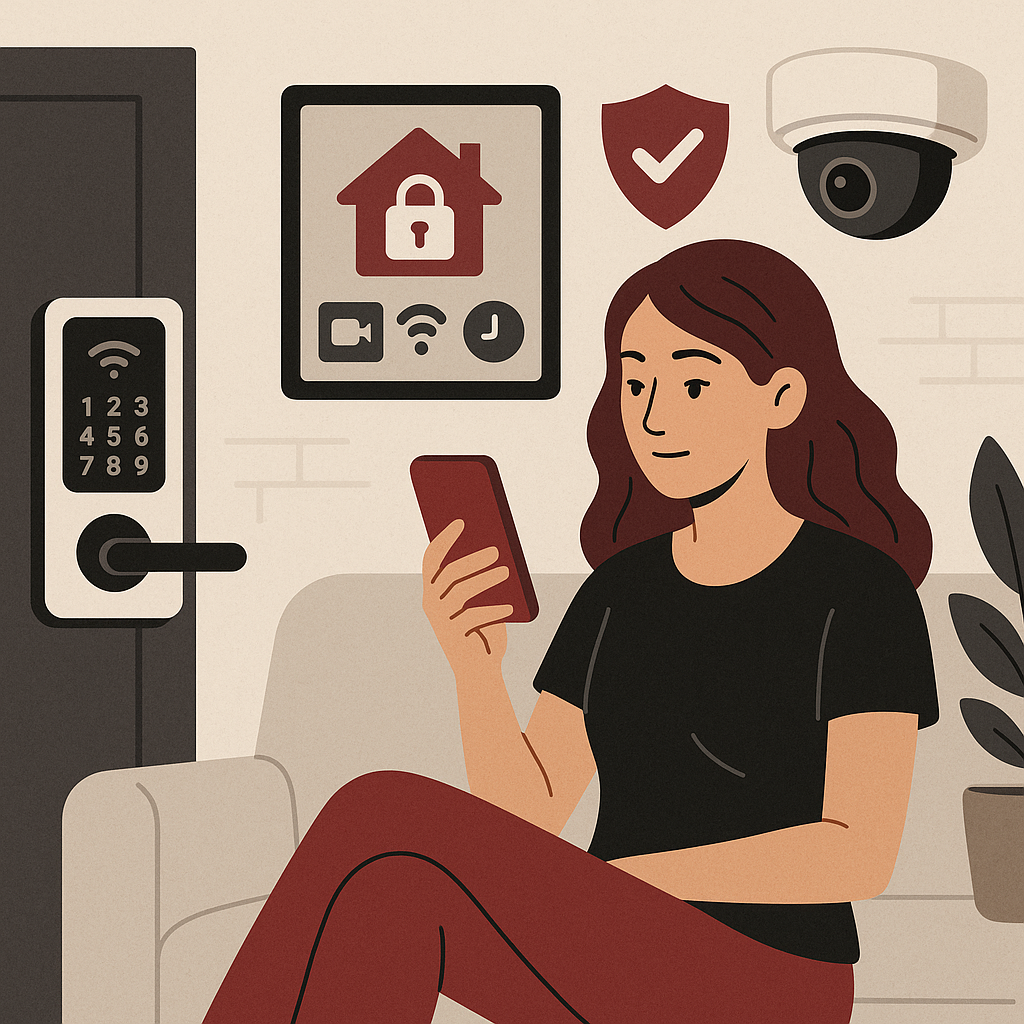
Technology offers numerous tools to enhance home security. From smart locks to surveillance cameras, these devices can provide peace of mind and practical protection.
1. Install a Smart Security System
Smart security systems allow you to monitor your home in real-time. They are versatile and can be tailored to your specific needs.
- Remote Monitoring: Use a system that lets you view live footage from your smartphone.
- Integration with Other Devices: Choose systems that can connect with smart locks and lights for a comprehensive security network.
2. Use Smart Locks
Smart locks eliminate the need for physical keys and can be controlled remotely. They offer convenience and enhanced security.
- Keyless Entry: Access your home with a code or smartphone app, reducing the risk of lost keys.
- Guest Access: Provide temporary codes to guests instead of handing out spare keys.
Creating a Personal Safety Plan
Even with the best security measures, it’s essential to have a personal safety plan. This includes knowing how to respond if your security is compromised.
- Emergency Contacts: Keep a list of emergency contacts, including neighbors, friends, and local authorities.
- Safe Room: Designate a room in your home as a safe space where you can go in case of an intrusion.
- Regular Drills: Practice your safety plan regularly to ensure you know what to do in an emergency.
Conclusion: Taking Control of Your Security
Living alone doesn’t mean you have to compromise on safety. By implementing these strategies and using the right tools, you can create a secure and comfortable living environment. Consider investing in products like the Single Door Security Kit and other recommended solutions to enhance your home security. Remember, the goal is not to live in fear but to empower yourself with knowledge and practical measures that keep you safe.
For more information on home security solutions, visit Door Armor’s website and explore their wide range of products designed to protect your home.
Community Engagement and Neighborhood Awareness
Building a sense of community and engaging with your neighbors can significantly enhance your security. Knowing your neighbors and being aware of the community dynamics can create a network of vigilance and support.
- Join or Start a Neighborhood Watch: Participate in a local neighborhood watch program. If one doesn’t exist, consider starting one. These programs foster community cooperation and can serve as an effective deterrent against crime.
- Stay Informed: Use local social media groups or apps like Nextdoor to stay updated on any suspicious activities or security concerns in your area.
- Regular Communication: Maintain open lines of communication with trusted neighbors. Share contact information and establish a protocol for alerting each other about potential security threats.
Utilizing Environmental Design for Security
Crime Prevention Through Environmental Design (CPTED) principles can be applied to make your home less appealing to potential intruders. This involves strategic landscaping and home design choices.
- Landscaping: Trim shrubs and trees near windows and doors to eliminate hiding spots for intruders. Use thorny plants like roses or holly near these areas for added deterrence.
- Fencing: Install fences that are difficult to climb, such as those with pointed tops. Ensure they are high enough to prevent easy access.
- Pathways and Driveways: Clearly define pathways and driveways with lighting and distinct borders to guide visitors and deter unwanted guests.
Emergency Equipment and Training
Being prepared for emergencies can enhance your safety and provide peace of mind. Invest in essential equipment and consider training to ensure you’re ready for any situation.
- Fire Safety Equipment: Install smoke detectors and fire extinguishers in key areas of your home. Regularly check and maintain these devices to ensure they are functioning properly.
- First Aid Kit: Keep a well-stocked first aid kit accessible in your home. Familiarize yourself with basic first aid procedures to handle minor injuries or emergencies.
- Self-Defense Training: Consider enrolling in self-defense classes. Skills learned in these classes can boost your confidence and prepare you for potential confrontations.
Checklist for Routine Security Checks
Regularly assessing your home security can prevent vulnerabilities from going unnoticed. Use the following checklist to ensure continuous security:
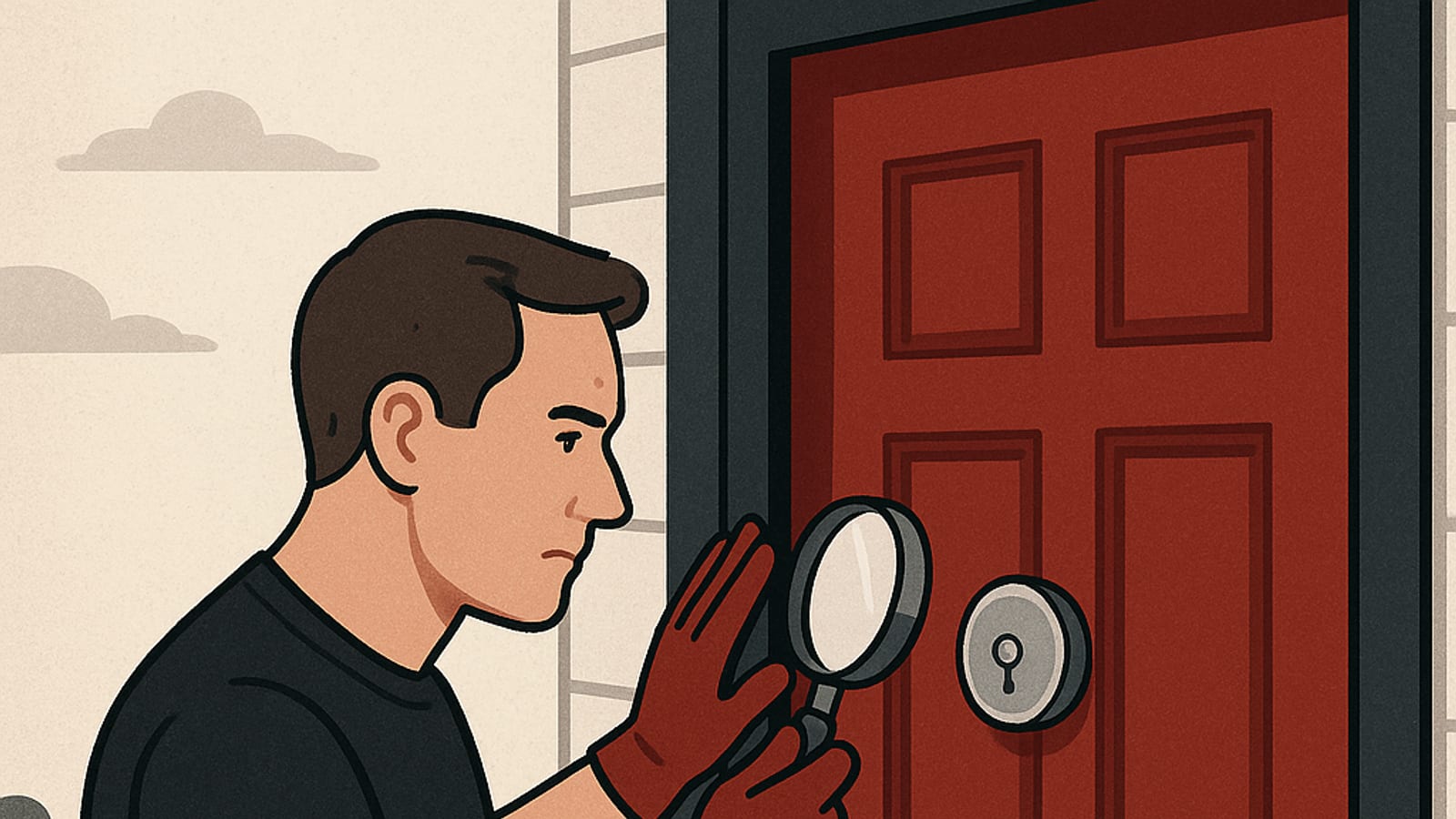
- Monthly Security Audit: Conduct a thorough inspection of all entry points, ensuring locks and reinforcements are intact and functional.
- Test Security Systems: Regularly test alarms, cameras, and smart locks to ensure they are operational and up-to-date with the latest firmware.
- Review Emergency Plans: Go over your personal safety plan periodically to make sure it’s still relevant and that you are familiar with all steps.
FAQs on Home Security for Single Women
Here are some common questions single women living alone may have about home security:
- How often should I update my security system? It’s recommended to review and update your security system at least once a year, or as soon as new technology becomes available.
- What are some budget-friendly security options? Simple measures like reinforcing door locks, adding security bars to windows, and using motion-sensor lights can be cost-effective ways to improve security.
- How can I ensure my safety when away from home? Use smart home technology to monitor your home remotely, and consider notifying a trusted neighbor when you plan to be away for an extended period.
Disclosure: this article may contain affiliate links. If you buy through them, we may earn a small commission at no extra cost to you.

Leave a Reply