
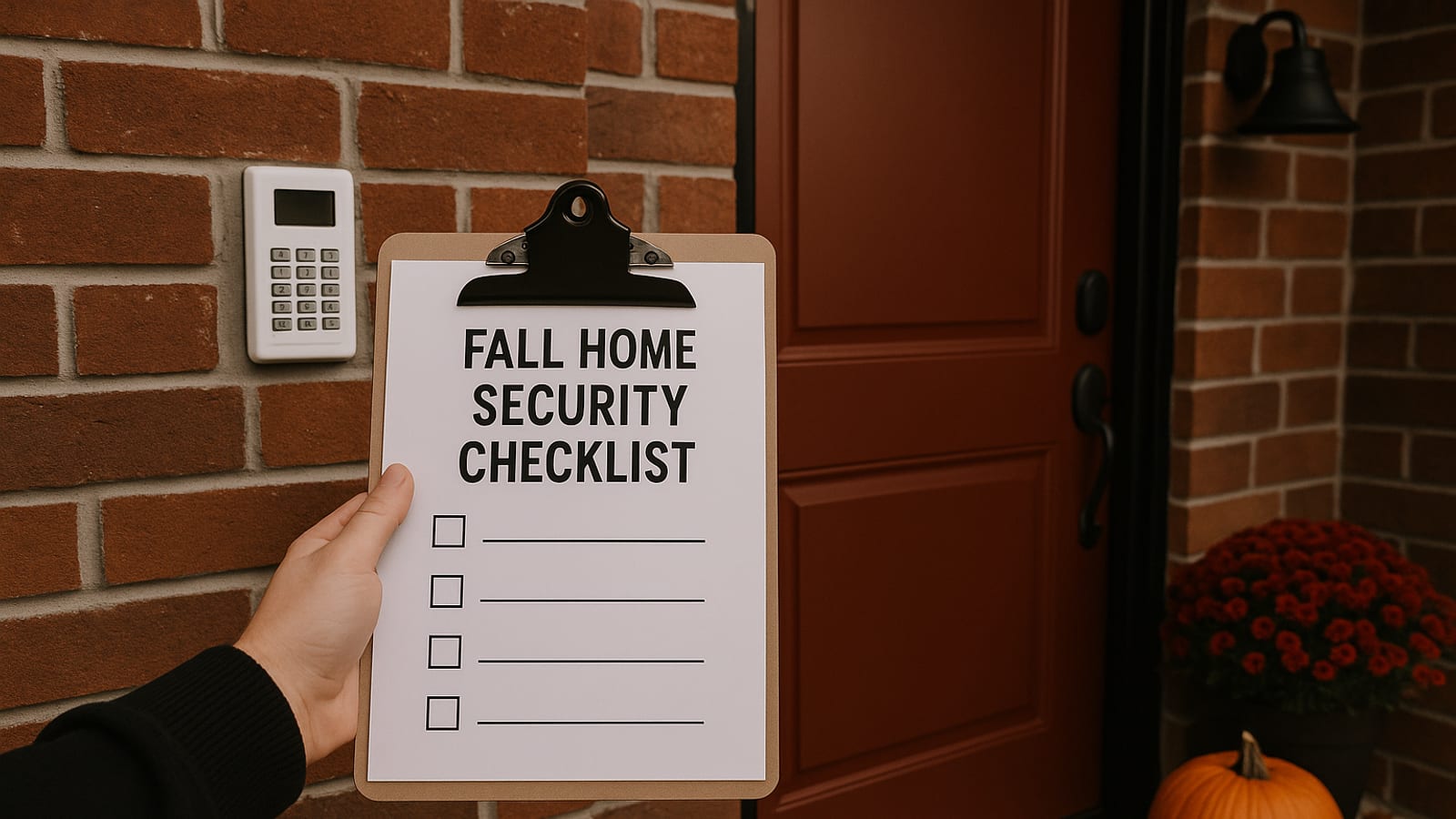
Days are getting shorter. Nights are getting longer. And burglars know exactly what that means. Fall is when opportunistic break-ins spike, holiday travel empties neighborhoods, and unprepared homes become easy targets. This checklist cuts through the noise and gives you a direct action plan to lock things down before the season turns against you.
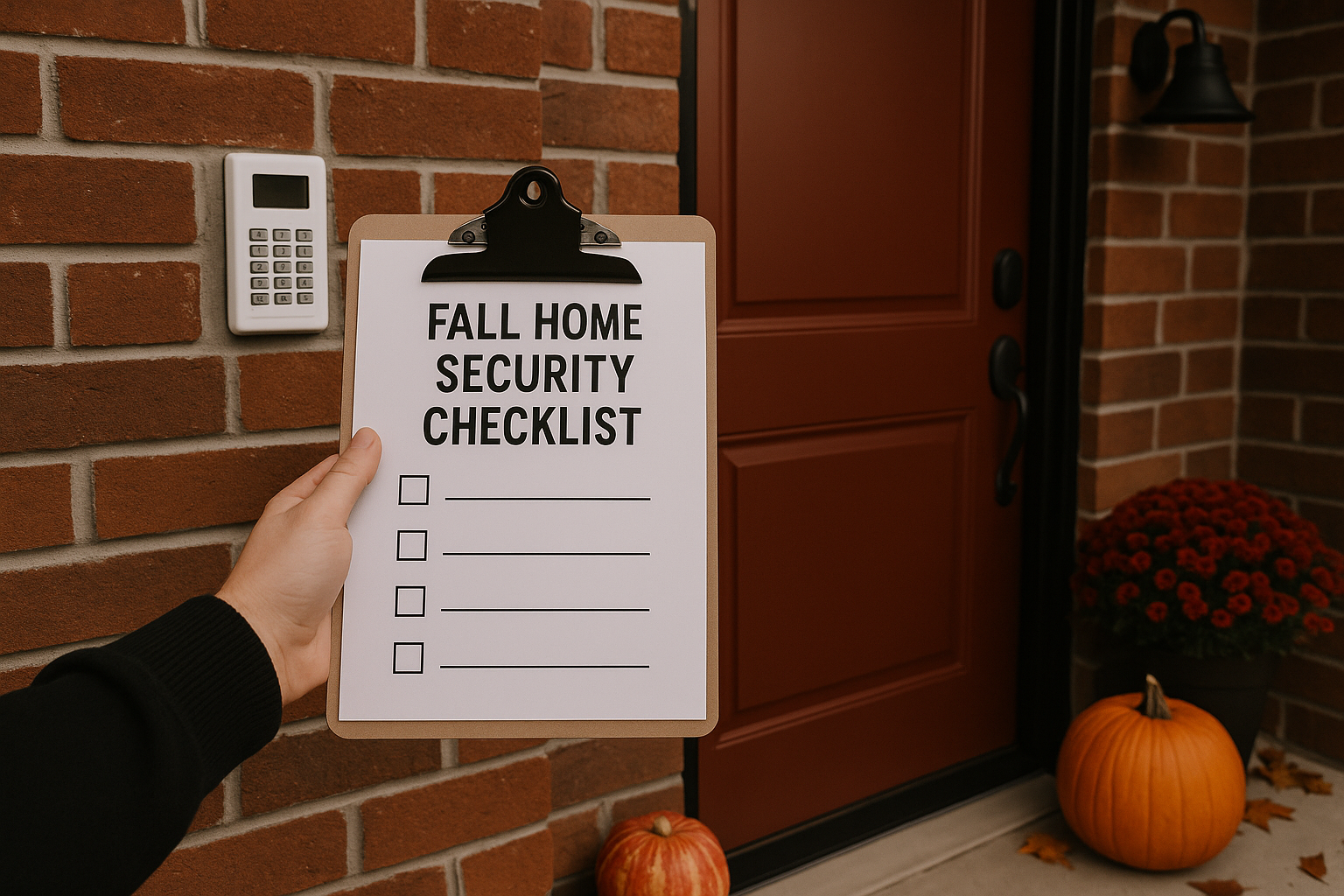
Why Fall Is Prime Time for Home Security Upgrades
Longer nights create more cover. Holiday travel creates more vacancy. Those two facts together make fall the highest-risk window of the year for residential break-ins. Most homeowners react after something goes wrong. You are going to act before it does. That single shift in timing is what separates a secured home from a compromised one.
Step 1: Reinforce Your Doors
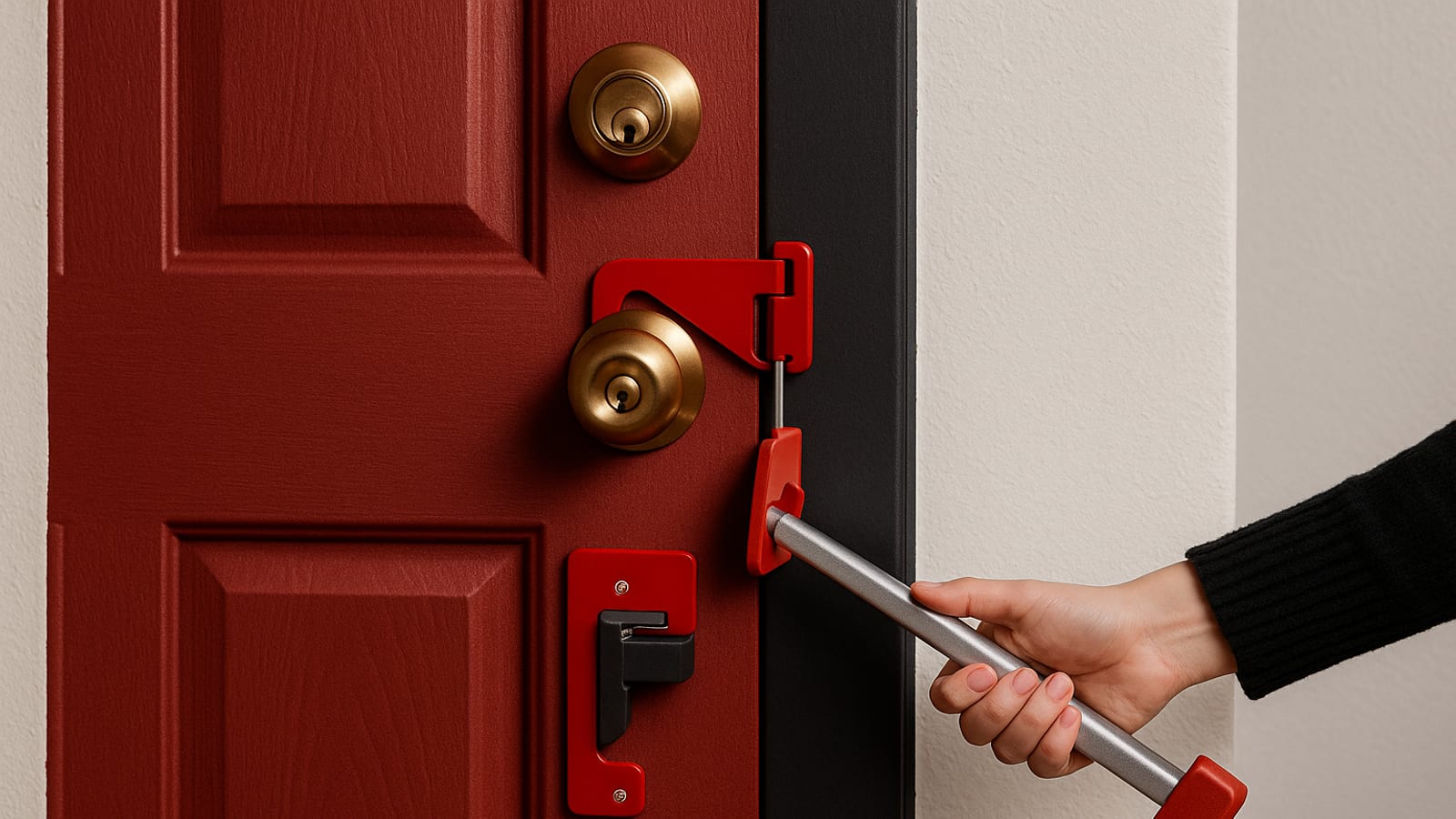
Your doors are the first thing a burglar tests. Standard door setups fail faster than most people realize. Here is how you close that gap:
- Install a Door Reinforcement Kit: For standard single doors, the Single Door Security Kit runs around $79 and is built to stop forced entry cold.
- Double Door Solutions: French doors and double entry doors need dedicated protection. The Double Door Security Kit covers both panels for approximately $149.
- Secure Side Light Doors: Entryways with side light panels have a specific vulnerability. The Side Light Door Security Kit is built for exactly that configuration.
All three kits are designed for DIY installation. No contractor required. You do the work once, and the protection compounds every day after.
Step 2: Secure Windows and Sliding Doors
Doors get the attention. Windows and sliding glass doors get exploited. Tighten these entry points before someone else discovers how easy they are:
- Window Security Film: Window Security Film makes glass significantly harder to shatter, slowing any forced entry attempt long enough to matter.
- Sliding Door Locks: A Sliding Glass Door Security device blocks the lift-and-pry technique that defeats most factory locks in seconds.
Think of these as your second line. If someone gets past the door, they hit another wall immediately.
Step 3: Upgrade Your Outdoor Lighting
Darkness is a burglar’s most reliable tool. Take it away. Two targeted upgrades make a measurable difference:
- Motion-Activated Lights: Position them at every entry point. The sudden activation disrupts and deters anyone testing your perimeter.
- Smart Lighting Systems: Timers and app-controlled systems simulate occupancy when you are away. An occupied-looking home is a skipped home.
Check every bulb now. A burnt-out light at a side entrance is an open invitation.
Step 4: Install a Security System
A solid security system does two things: it detects intrusion and it signals consequence. Both matter. Here is what to prioritize:
- Smart Security Cameras: Remote monitoring means you have eyes on your property from anywhere. Visible cameras also change the calculus for anyone casing your home.
- Alarm Systems: Choose a system that alerts both you and local authorities simultaneously. Response time is everything.
Match the system to your actual footprint. Cover every vulnerable area. Do not leave gaps because a package looked complicated.
Step 5: Run Regular Security Checks
A security system you never test is a security system you cannot trust. Build these checks into your routine:
- Inspect Locks: Test every lock on a regular schedule. Wear and misalignment happen gradually and go unnoticed until they matter.
- Check Security Systems: Trigger your alarms and verify camera feeds are live and unobstructed.
- Review Entry Points: Look for damage or deterioration on doors and windows. Small vulnerabilities grow into serious ones.
Consistent maintenance is not optional. It is the difference between a system that works and one that only looks like it does.
Take Action Before the Holidays
Start with your doors. Move to your windows. Add lighting and a monitoring system. Each step compounds the protection of the one before it. This is not a complicated process — it is a sequential one. Execute it now, before the holiday window opens and travel schedules make your home a target. For product details and additional guidance, visit Home Door Security and review what fits your setup.
The time to secure your home is before you need to. Do it now, and the holidays become what they are supposed to be — peaceful.
Utilizing Smart Home Technology for Enhanced Security
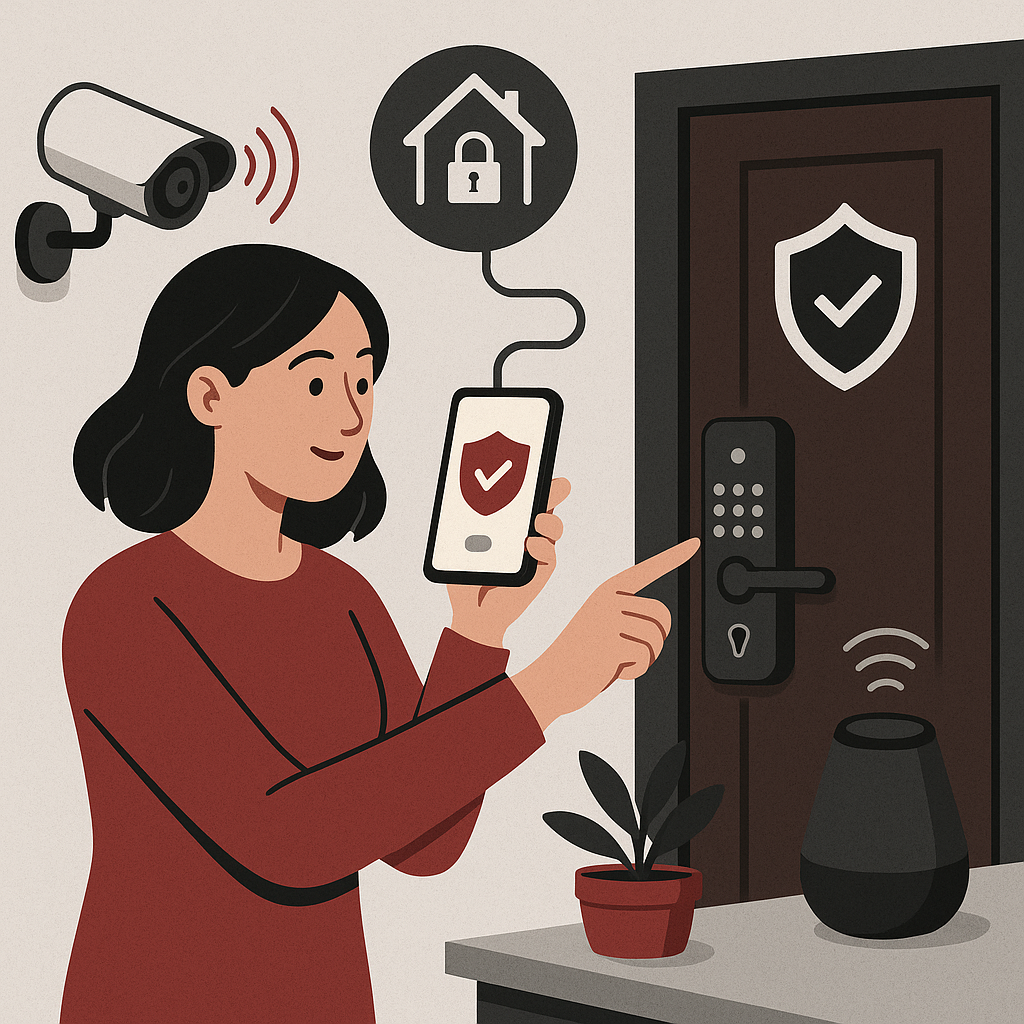
Smart home technology has moved well past novelty. Today it gives you real-time control and visibility that traditional systems simply cannot match. These are the tools worth integrating:
- Smart Locks: Replace standard deadbolts with app-controlled locks that let you grant or revoke access remotely. Temporary codes for guests mean you never lose control of who enters your home.
- Video Doorbells: See and speak with anyone at your door from anywhere. Visible cameras at the entrance alone deter a significant portion of opportunistic attempts.
- Integrated Home Automation Systems: Platforms like Google Home or Amazon Alexa connect your locks, lights, and cameras into a single controllable system. One dashboard, full visibility, no gaps.
These tools do not just add security. They reduce the friction of managing it, which means you actually use them consistently.
Landscaping for Security
Your yard is either working for you or against you. Strategic landscaping removes cover and adds deterrents without a single electronic component:
- Trim Shrubs and Bushes: Keep everything below window height. Overgrown landscaping gives intruders a place to work unseen.
- Thorny Plants: Roses, holly, and similar plants under windows create a natural barrier that most people will not test twice.
- Gravel Paths: Gravel is loud underfoot. It is a low-cost perimeter alert that requires zero maintenance and zero power.
- Fencing: A fence that is difficult to climb or see through adds both a physical barrier and a psychological one.
Layer these with your electronic measures and you have a perimeter that addresses multiple threat vectors simultaneously.
Emergency Preparedness and Response Plan
Prevention is your priority. But a prepared family is your safety net. Build a response plan and make sure everyone in your household knows it cold:
- Emergency Contacts: Keep a current list — local police, your security monitoring company, and two or three trusted neighbors who can respond quickly.
- Safe Room: Identify one room with a solid door and a reliable way to communicate. That is your fallback position if an intrusion occurs.
- Regular Drills: Run through the plan with your family at least once a season. Panic is what happens when people do not know their role. Drills eliminate that.
A rehearsed plan does not guarantee a perfect outcome. It does guarantee a faster, calmer one.
Seasonal Security Adjustments
Your security setup needs to adapt as conditions change. Fall brings specific variables that require specific responses:
- Adjust Security Camera Angles: Falling leaves and new growth can obstruct camera sightlines. Check your coverage as foliage changes and reposition where needed.
- Review Outdoor Lighting Timers: Sunset is arriving earlier every week. Update your timer schedules to match the actual darkness window, not last month’s settings.
- Inspect Weatherproofing: Outdoor devices take a beating in fall and winter conditions. Verify seals, housings, and connections before the weather turns severe.
A security system calibrated to the current season performs. One set and forgotten does not.
Case Study: Successful Home Security Implementation
After a string of neighborhood break-ins, one family decided to stop waiting and start building. Their approach was methodical and it worked:
- Comprehensive Assessment: They started by walking every entry point and identifying the weakest links — doors with inadequate hardware and windows with no secondary protection.
- Smart Technology Integration: Smart locks and a video doorbell went in first, giving them remote visibility and access control from day one.
- Landscaping Enhancements: Overgrown bushes came down. Gravel went in along the side path. Two changes that removed cover and added an audible alert at zero ongoing cost.
- Community Engagement: They joined a neighborhood watch program. Eyes on the street multiply your coverage in ways no camera system can fully replicate.
None of these steps were complicated. All of them compounded. The result was a home that was measurably harder to target and a family that knew exactly what to do if something happened anyway.
Disclosure: this article may contain affiliate links. If you buy through them, we may earn a small commission at no extra cost to you.

Leave a Reply