

Most homeowners install a camera and call it a day. They assume the blinking light does the work. The data tells a more complicated story — and if you understand it, you can build a home security setup that actually holds up.
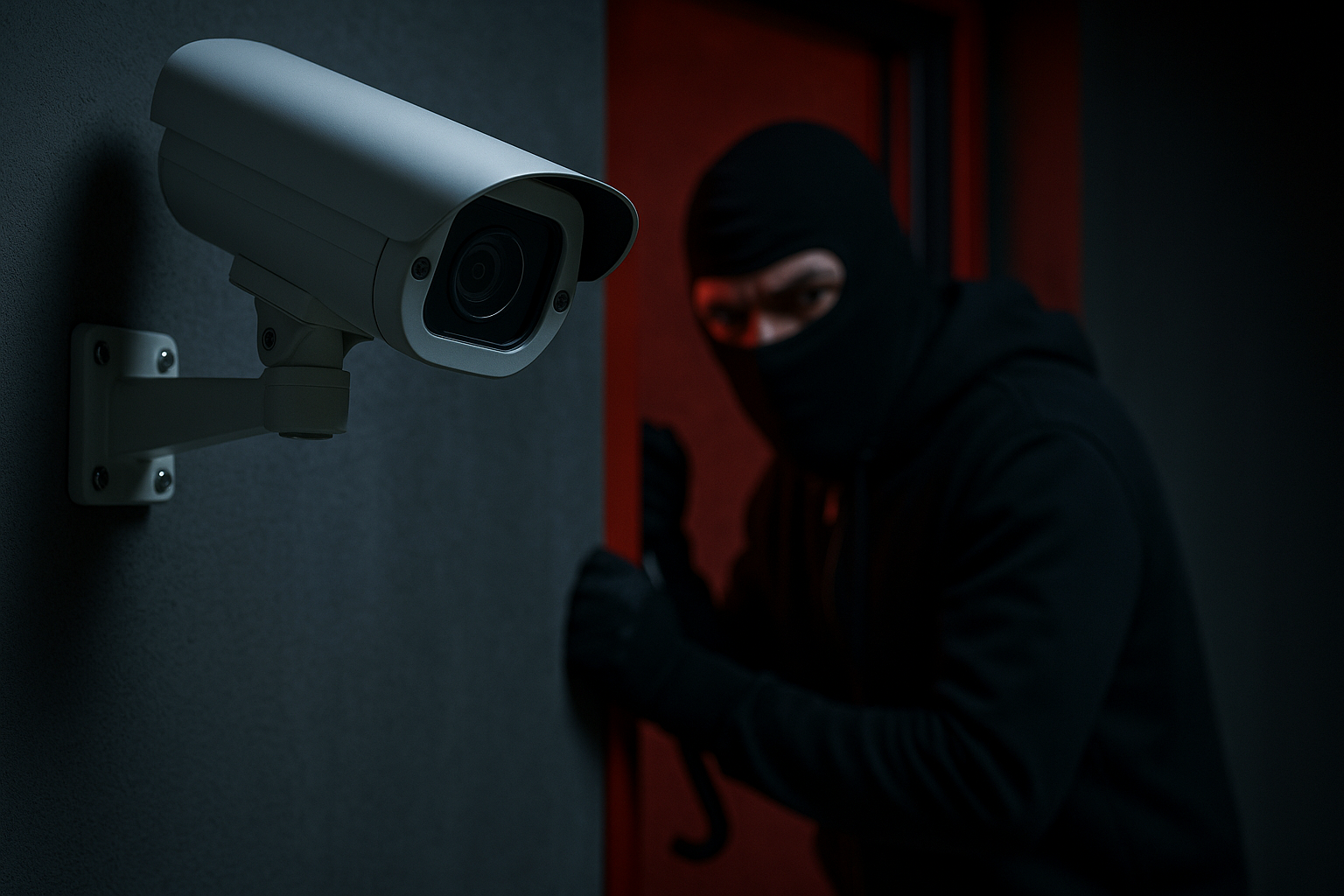
The Role of Security Cameras in Deterring Burglars
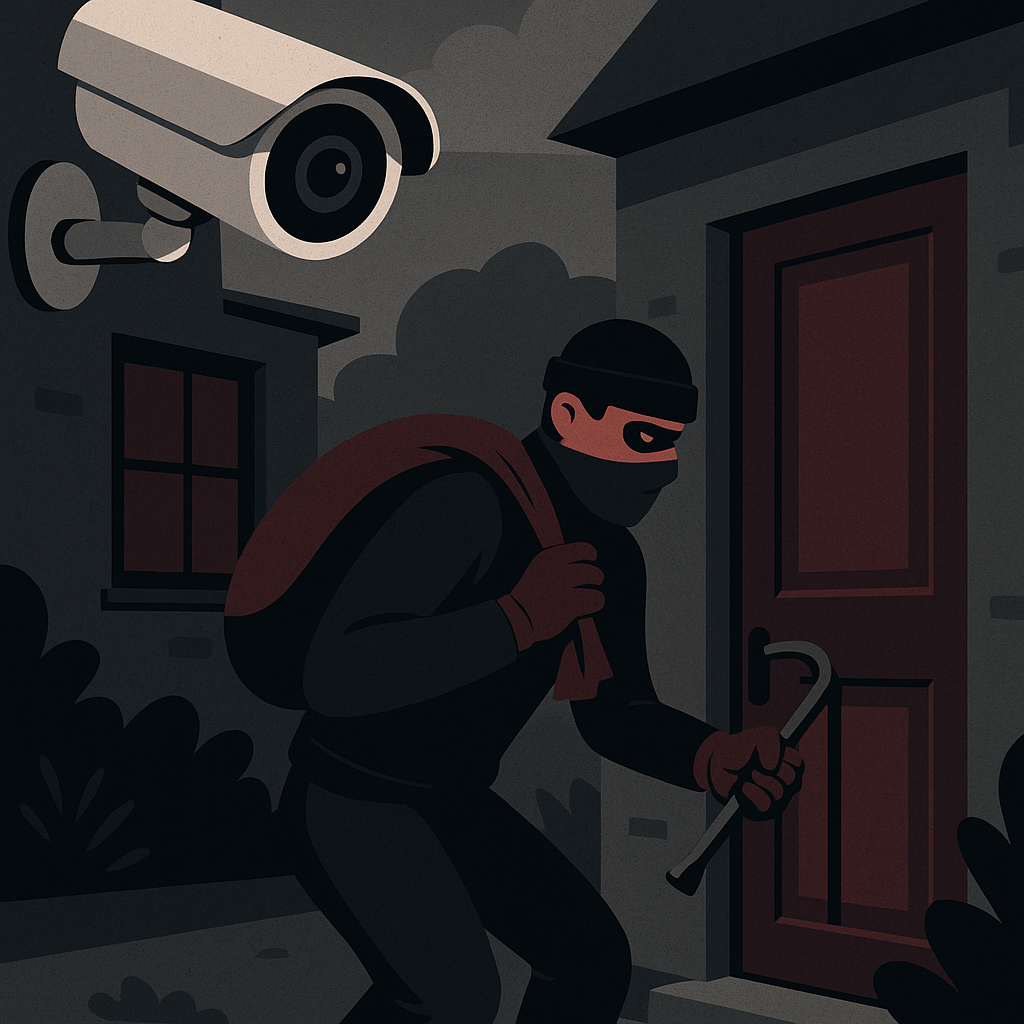
Security cameras are now standard in modern home security setups. They serve two functions: deterrence before a break-in and evidence collection after one. Multiple studies confirm that visible cameras meaningfully reduce criminal activity. A burglar scanning a block will move to the easier target. That is the whole game.
The mechanism is straightforward. Cameras raise the perceived risk of getting caught. That calculation happens fast — most burglars spend less than sixty seconds deciding whether to approach a property. Anything that tips the math against them works in your favor.
Case Studies and Real-World Examples
In high-density urban areas, the evidence is consistent. Neighborhoods with elevated burglary rates saw measurable drops in incidents after visible cameras were installed. Homeowners report the same pattern anecdotally — fewer attempts, more hesitation, more movement to softer targets nearby. The camera does not eliminate risk. It redirects it.
Integrating Security Cameras with Other Security Measures
A camera alone is a single layer. The operators who build serious home security stack layers. Here is where to start:
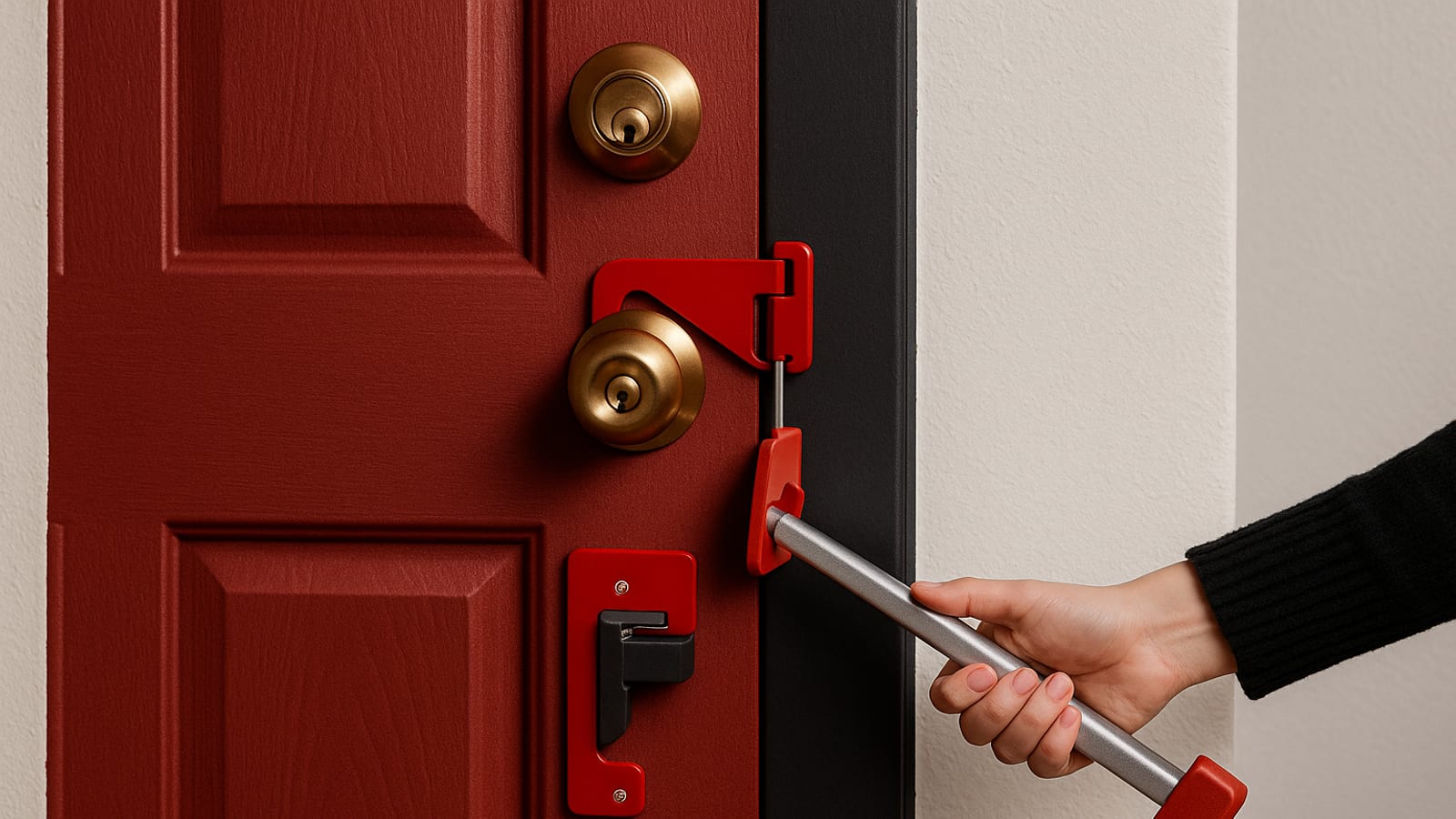
- Door Reinforcement Kits: Most forced entries happen at the door frame, not the lock. A Single Door Security Kit closes that gap at a price point that makes sense for most budgets.
- Window Security Film: Glass is the path of least resistance when doors are reinforced. Film slows that entry point down and buys time — which is often enough to trigger an alarm response.
- Smart Locks: Remote access and real-time monitoring add a control layer that traditional locks cannot provide. You know who entered and when, from anywhere.
Stack these with visible cameras and you have addressed multiple points of vulnerability at once. That is how a real deterrent system works.
How to Choose the Right Security Cameras
The wrong camera in the wrong spot does almost nothing. Here is a clean framework for making the right call:
1. Identify Your Needs
Map your property first. Entry points, driveways, and backyards are the priority zones. Know exactly what you are covering before you buy anything.
2. Consider Camera Features
Night vision, motion detection, and high-definition resolution are non-negotiable baselines. A camera that cannot see clearly in low light is a camera that fails when you need it most.
3. Budget and Costs
Security cameras range from affordable to enterprise-grade. Set a budget that reflects the features you actually need. Spending slightly more on a quality system consistently outperforms buying cheap hardware twice.
4. Installation Options
Most modern systems are built for DIY setup. If your layout is complex or you want professional-grade placement, bring in an installer. Otherwise, the tools and time required are minimal.
Maximizing the Effectiveness of Your Security Cameras
Installation is the start, not the finish. Keep the system sharp with these steps:
- Regular Maintenance: Check cameras on a schedule. Clean lenses. Confirm feeds are recording. A camera that looks operational but is not is worse than no camera — it creates false confidence.
- Adjust Angles: Your property changes. Trees grow. Structures shift. Revisit camera angles periodically to eliminate new blind spots.
- Integrate with Smart Systems: Connect cameras to a smart home platform for real-time alerts and remote monitoring. You want to know the moment something happens, not hours later.
Conclusion: Taking Action to Secure Your Home
Cameras work. But they work best as part of a layered system, not as a standalone solution. Reinforce your doors. Secure your windows. Choose cameras with the right features for your specific property. Build the system deliberately.
If you are starting from zero, begin with your primary entry point. A Single Door Security Kit is an affordable, high-impact first move that closes the most common forced-entry vulnerability immediately.
The goal is a home that looks and is genuinely difficult to breach. That combination — visible deterrence plus real physical resistance — is what moves a burglar to the next block. Build it once, maintain it consistently, and it compounds over time.
For a full range of reinforcement products, visit Door Armor and see what fits your setup.
Advanced Security Camera Features to Consider
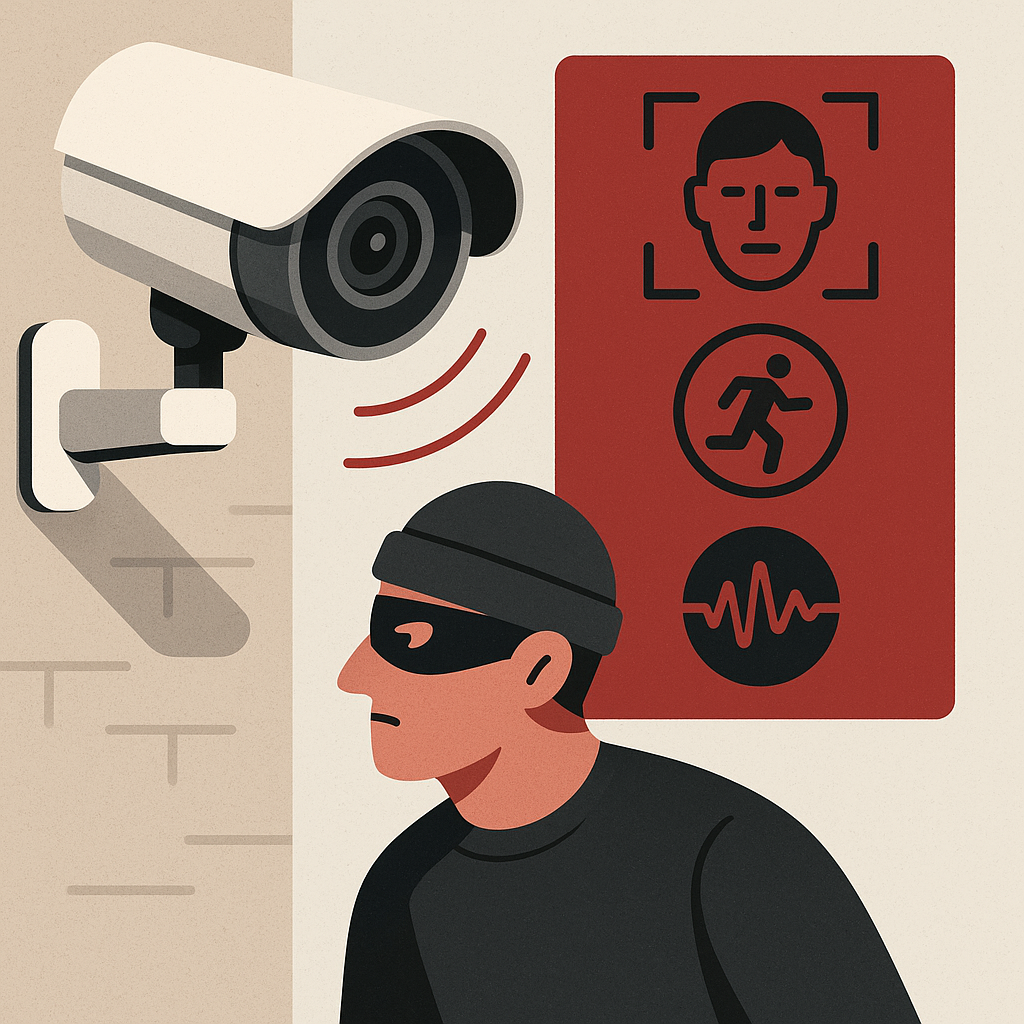
The technology has moved fast. Understanding what is now available helps you build a system that actually fits your threat model, not just a generic checklist. Here are the features worth knowing:
- Facial Recognition: Cameras that identify known individuals and flag unfamiliar faces give you a precise picture of who is moving through your property. It is a meaningful upgrade over basic motion detection.
- Two-Way Audio: Built-in microphones and speakers let you communicate directly through the camera. That capability alone can stop an approach before it becomes an attempt.
- Cloud Storage: Footage stored offsite survives even if the camera is destroyed during a break-in. That evidence is what closes cases. Do not skip this.
- AI Alerts: Modern AI distinguishes a passing car from a person lingering near your entry. Fewer false alarms means you actually pay attention when a real alert fires.
Checklist for Evaluating Your Home’s Security Needs
Before you spend a dollar, assess what you actually need. Work through this before buying anything:
- Identify Vulnerable Areas: Walk your property. Note poorly lit entry points, hidden corners, and any spot where someone could approach unseen.
- Review Neighborhood Crime Statistics: Local crime data tells you which threats are real and which features to prioritize. Do not guess — look it up.
- Consider Family and Lifestyle: A system that triggers on your dog every hour is a system you will eventually ignore. Account for everyone in the household when setting sensitivity thresholds.
- Evaluate Existing Security Measures: Know what you already have. Identify the gaps. Fill those specifically rather than duplicating coverage you do not need.
- Set a Realistic Budget: Comprehensive systems cost more upfront and perform better over time. Cheap systems create gaps. Price accordingly.
FAQs on Security Cameras and Home Security
How do I ensure my security cameras are not easily disabled?
Mount cameras high and out of easy reach. Use vandal-resistant housings. Conceal all wiring and connections. Make disabling the camera a slow, visible, risky act — that friction alone deters most attempts.
Can security cameras be hacked, and how can I protect them?
Yes. Any networked device is a potential target. Use strong, unique passwords on every camera. Update firmware on a regular schedule. Enable encryption wherever the system supports it. These are not optional steps.
Do security cameras work during power outages?
Some cameras include battery backup. Others can be connected to an uninterruptible power supply. If power reliability is a real concern in your area, build that redundancy into your system from the start.
Key Performance Indicators (KPIs) for Monitoring Security System Effectiveness
A system you never measure is a system you cannot improve. Track these to know whether yours is actually performing:
- Response Time: How fast does the system alert you or authorities after detecting unusual activity? Slow response time is a gap that matters in a real event.
- Detection Accuracy: Is the system correctly identifying genuine threats while keeping false alarms low? Both failure modes cost you — one in missed threats, one in ignored alerts.
- System Uptime: How often is the system fully operational? Gaps in uptime are gaps in coverage. Monitor this consistently.
- Footage Quality: Can you clearly identify individuals and activities in the recorded footage, including in low light? If not, the evidence value drops to near zero when you need it most.
Review these KPIs on a set schedule. When something is underperforming, fix it before it matters.
Disclosure: this article may contain affiliate links. If you buy through them, we may earn a small commission at no extra cost to you.

Leave a Reply