
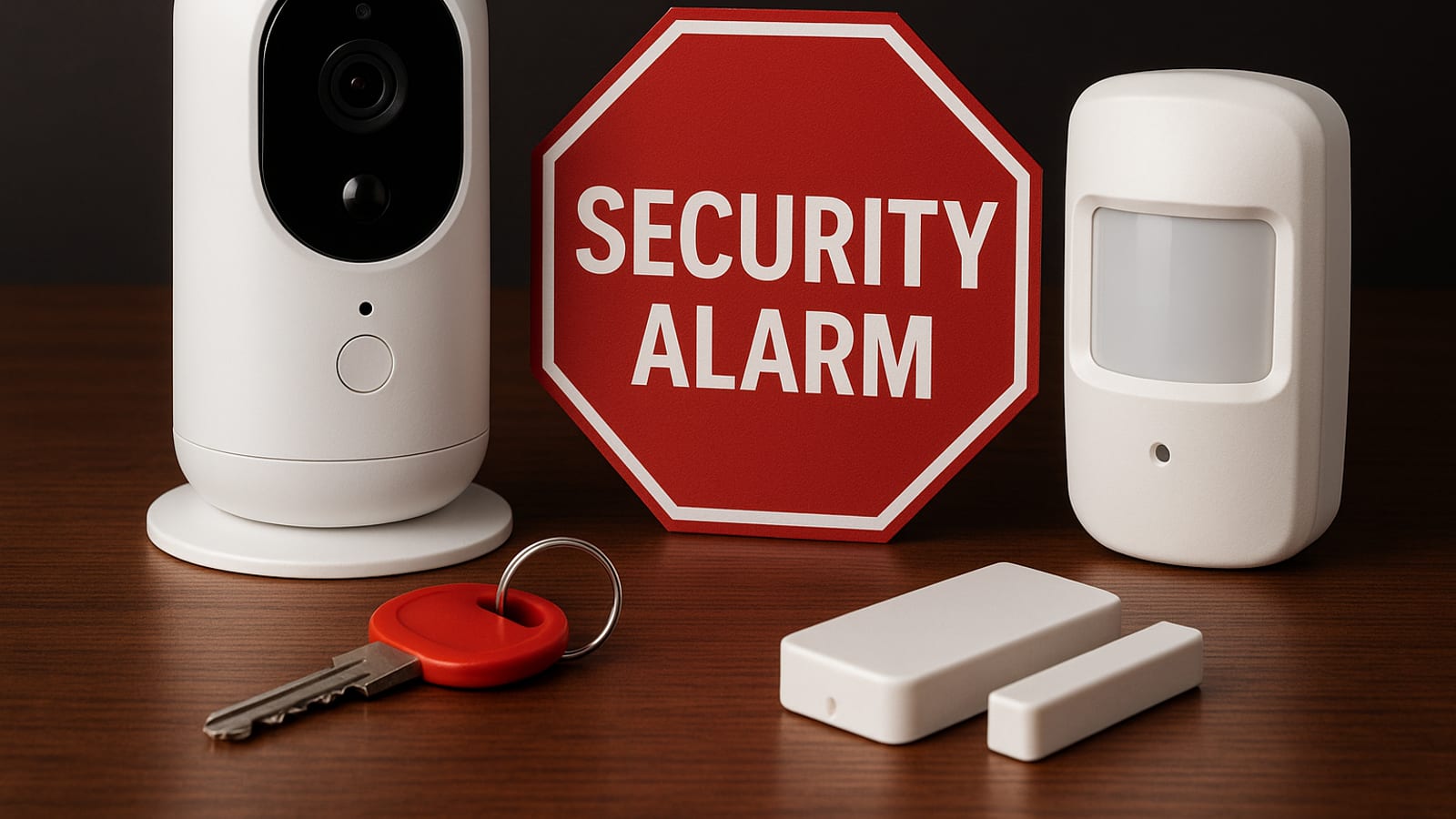
Most people overspend on home security or do nothing at all. Both are mistakes. The truth is a handful of targeted upgrades under $100 can close the gaps that matter most. Whether you own, rent, or manage a property, these are the moves that actually shift the odds in your favor — no alarm company contract required.

1. Reinforce Your Doors with a Security Kit
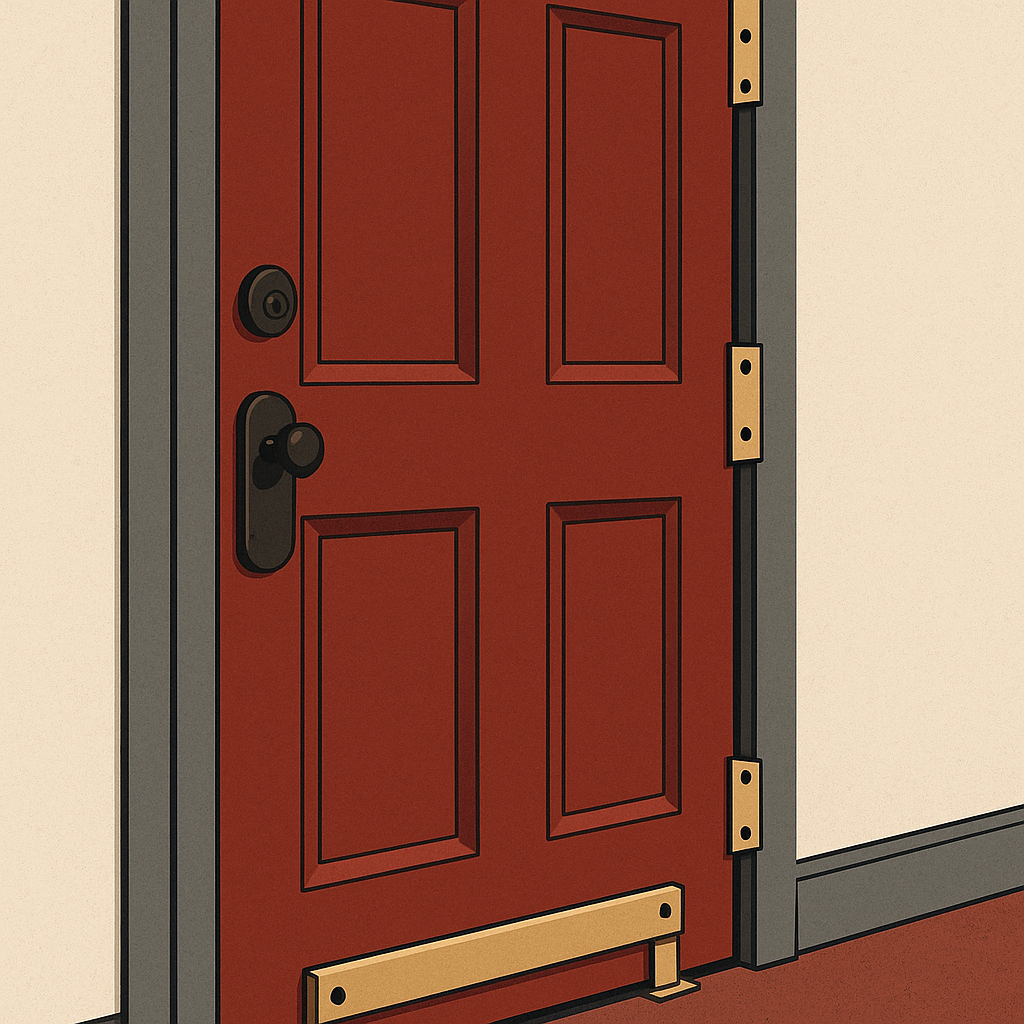
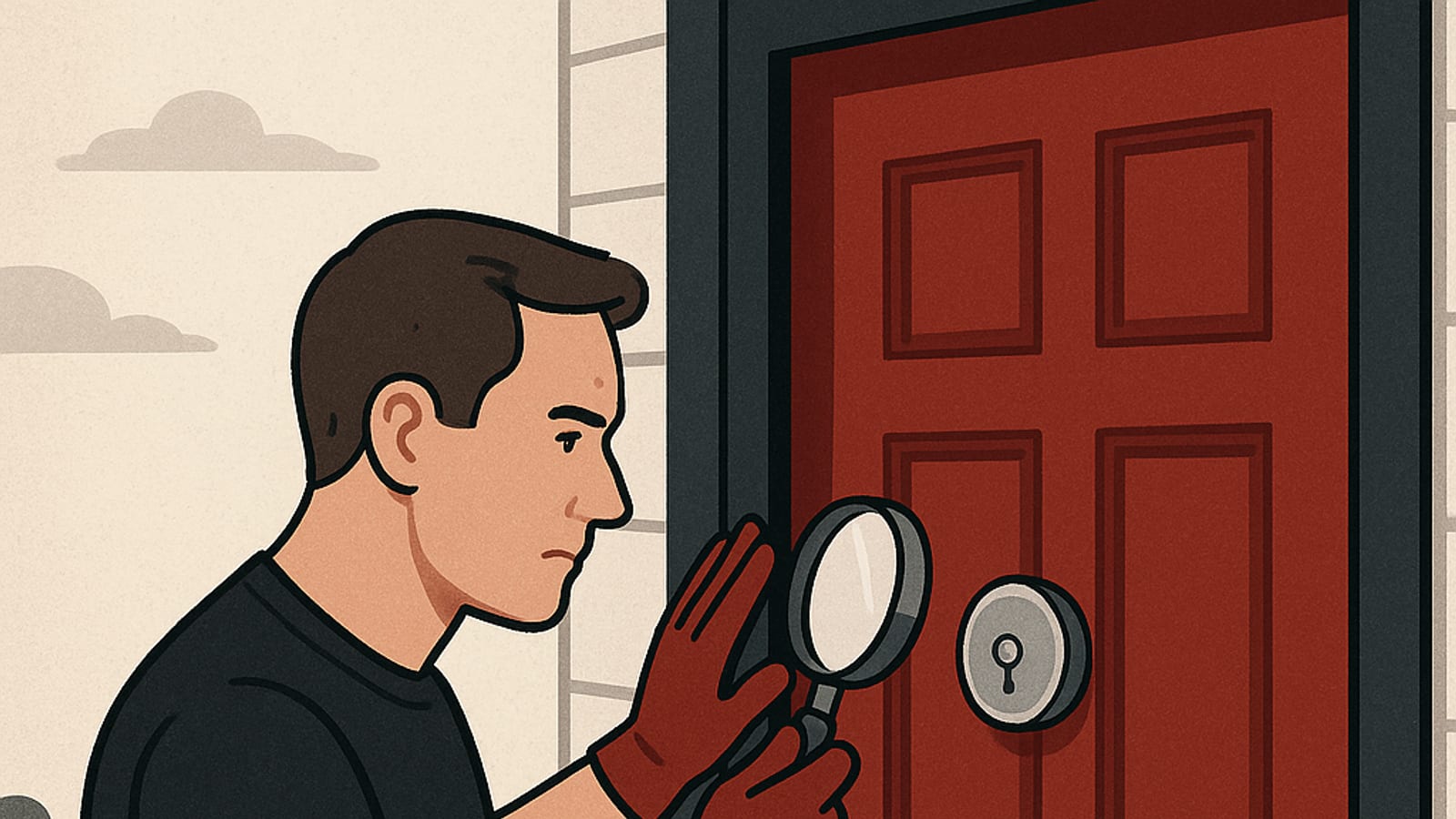
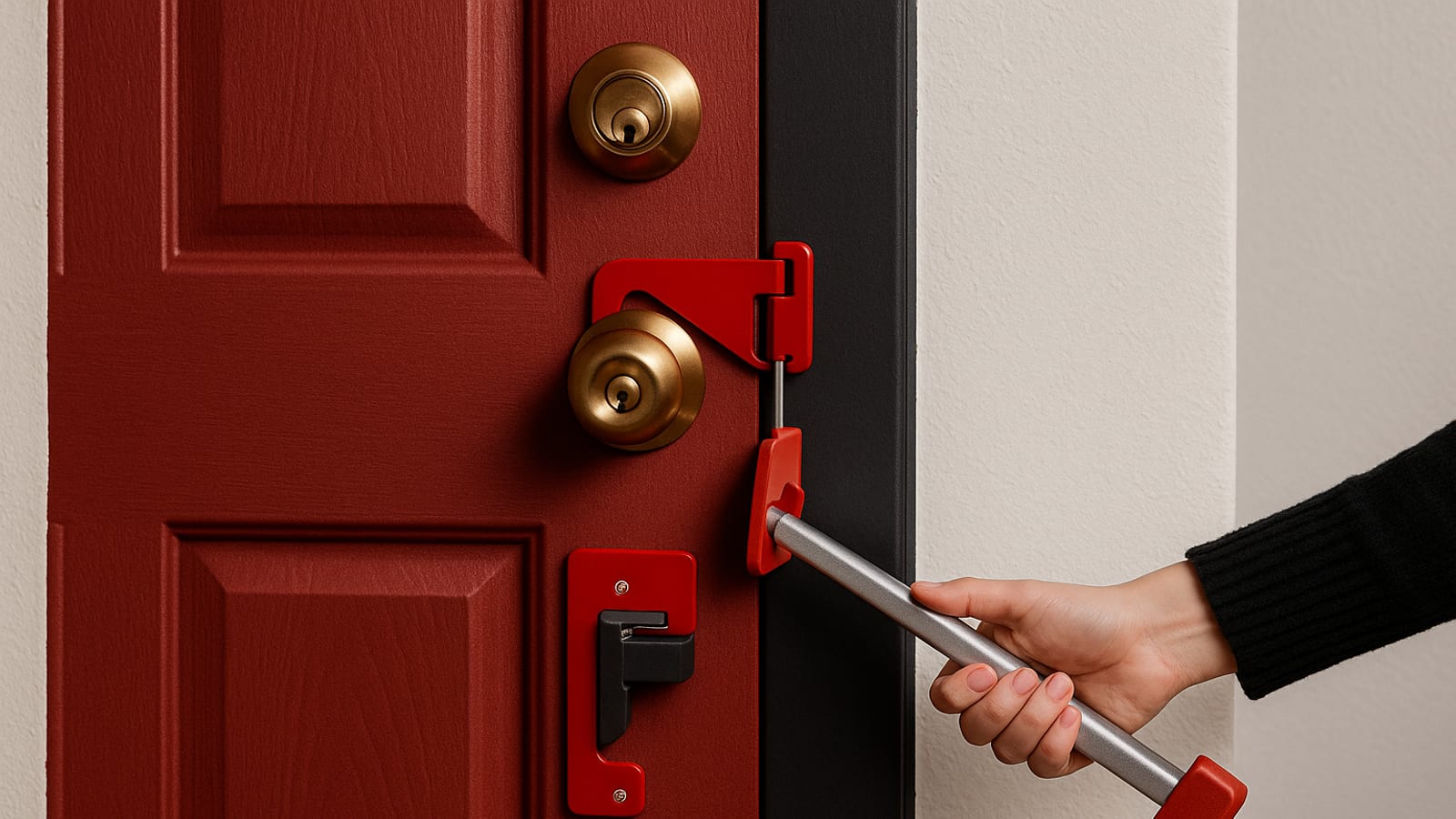
Your front door is the first target. Most residential doors fail not because the lock breaks — they fail because the frame splinters in seconds. A door reinforcement kit fixes that. The Single Door Security Kit is a top seller for a reason: it’s affordable, installs in under an hour, and turns a weak point into a hard stop.
To install a door reinforcement kit:
- Remove the existing strike plate and swap in the reinforced version from the kit.
- Secure the jamb shield around your door frame for structural strength.
- Drive all screws into wall studs — not just the door frame — for maximum holding power.

2. Add a Door Security Bar
Simple. Effective. Under $30. A door security bar wedges under the handle and braces against the floor, creating a physical barrier that stops forced entry cold. Most models adjust to fit standard and sliding doors alike.
When choosing a door security bar, look for:
- Adjustable length to fit different door configurations.
- Rubberized ends that grip hard floors without slipping.
- Fast deployment — you want to set it and remove it without a fight.
3. Install Smart Security Cameras
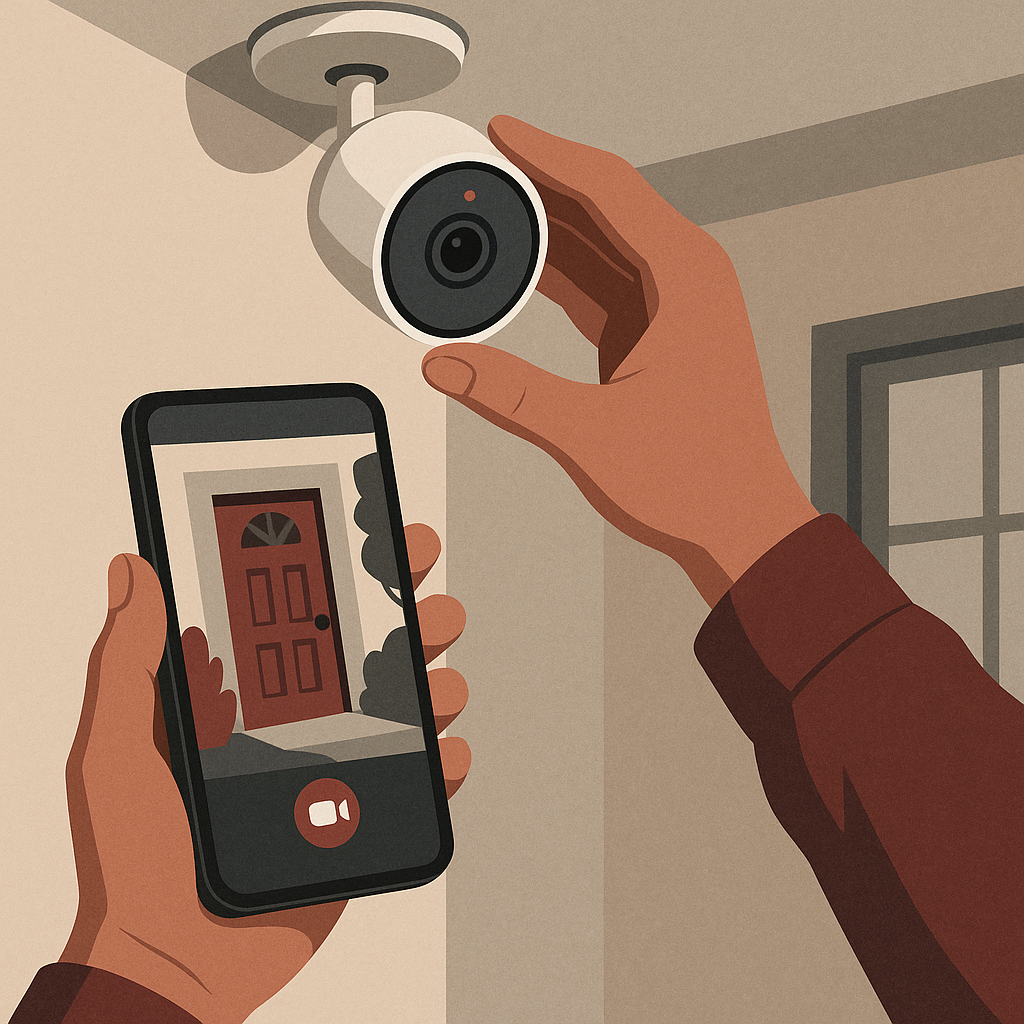
You do not need a $500 system to monitor your property. Budget-friendly smart cameras now deliver live streaming, motion alerts, and app control that would have cost thousands a decade ago. Visibility is deterrence. A camera in plain sight changes behavior before anything happens.
Key features to prioritize in affordable smart cameras:
- Wi-Fi connectivity for remote monitoring from anywhere.
- Night vision for round-the-clock coverage.
- Two-way audio so you can communicate without opening a door.

4. Secure Windows with Locks and Alarms
Windows are the overlooked entry point. Most homeowners lock the front door and forget everything else. A basic window alarm costs under $10 and emits a sound loud enough to end any quiet approach. Add a lock, and you have layered defense for almost nothing.
To secure your windows:
- Install locks on every accessible window — ground floor first.
- Place alarms on windows you leave cracked open in warmer months.
- Apply security film to prevent glass from shattering cleanly on impact.
5. Use Motion Sensor Lighting
Darkness is an intruder’s best tool. Motion sensor lights take it away instantly. Position them at entry points — doors, garages, side gates, pathways. Solar-powered models eliminate wiring and ongoing electricity costs entirely.
Steps to install motion sensor lighting:
- Map the blind spots around your property before you buy anything.
- Mount fixtures securely according to manufacturer specs.
- Test sensor range and sensitivity after installation — adjust until coverage is tight.

6. Upgrade Your Door Locks
Standard builder-grade locks are not built to resist determined entry. A quality deadbolt with a longer throw and reinforced hardware changes that equation. The cost is low. The security gain is real.
When upgrading your locks:
- Choose a deadbolt with at least a 1-inch throw.
- Confirm it resists picking and bump-key attacks — check the ANSI grade rating.
- Pair it with a strike plate secured by 3-inch screws driven into the stud.
7. Implement a DIY Security System
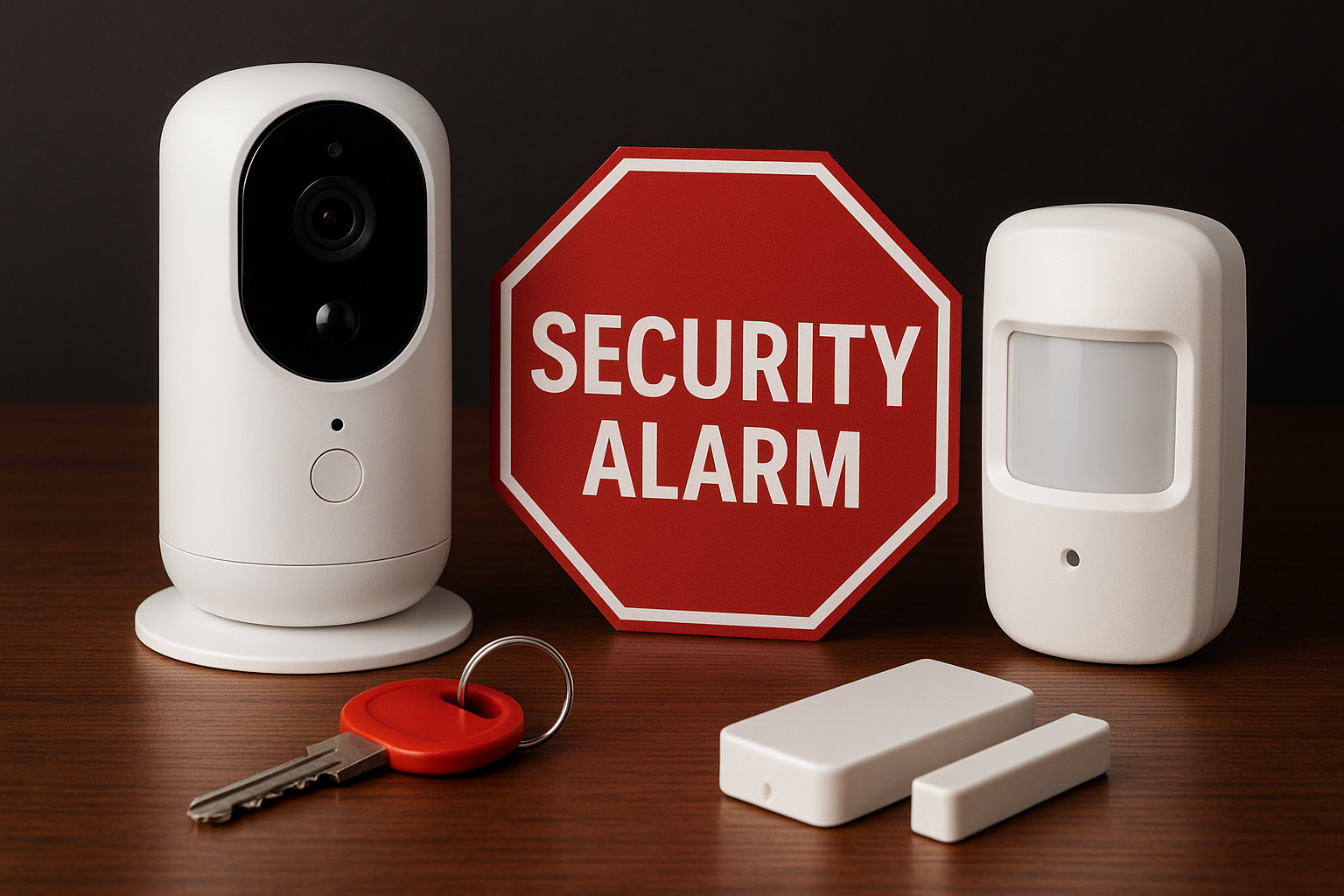
DIY security systems have closed the gap on professional installs. Modern kits combine sensors, cameras, and alarms in one package you configure yourself. No monthly monitoring contract. No technician scheduling. You control it from your phone.
To set up a DIY security system:
- Match the system to your actual entry points — don’t overbuy.
- Follow the setup guide to place sensors and pair devices to the hub.
- Enable real-time alerts through the app so nothing happens without your knowledge.

Start Now. Improve as You Go.
You do not need to overhaul everything at once. Pick one upgrade from this list and execute it this week. Then stack the next one. That is how a secure home gets built — one deliberate decision at a time, not one panicked purchase after something goes wrong.
For more on door-specific solutions, visit Door Armor and review their full range of door security solutions.
Every upgrade on this list costs less than a dinner out. The difference between a hardened entry point and a soft one is not money — it is the decision to act. Make that decision before you need to.
Additional Security Measures for Deeper Protection
The seven upgrades above cover your core vulnerabilities. These additional measures extend your defense into the surrounding environment — perimeter, visibility, community, and preparedness. None of them require a large budget. All of them compound the effect of what you have already installed.
Strengthen Your Perimeter
A strong perimeter slows an intruder before they ever reach your door. These are cost-effective ways to make your property a harder target from the outside in:
- Fencing and Gates: A sturdy fence built from wrought iron or pointed-top wood panels removes easy access and signals that entry will not be quiet.
- Landscaping: Trim shrubs and trees near windows. Eliminate hiding spots. Plant thorny bushes beneath ground-floor windows as a natural deterrent that requires zero maintenance to stay effective.
- Gravel Paths: Gravel around entry points creates audible footsteps. It is one of the oldest perimeter tools available — and it still works.
Enhance Visibility
Intruders avoid properties where they can be seen. Visibility is a deterrent you can engineer deliberately:
- Open Blinds During the Day: Visible activity inside signals occupancy. An empty-looking home is a more attractive target.
- Street Lighting: Coordinate with neighbors to keep streetlights functional. A well-lit block is a safer block — full stop.
- Exterior Mirrors: Convex mirrors at blind spots around your property extend your sightlines without adding any electronics or ongoing cost.
Community Involvement
A connected neighborhood is a harder target than an isolated one. Your neighbors are a security asset most people never activate:
- Neighborhood Watch Programs: Join an existing program or start one. A network of aware neighbors multiplies your coverage without multiplying your cost.
- Community Apps: Platforms like Nextdoor surface local security patterns in real time. Knowing what is happening two streets over changes how you respond at home.
- Shared Security Resources: Pooling resources with neighbors for a shared patrol or shared camera coverage spreads cost and extends reach.
Emergency Preparedness
Prevention is the goal. But preparation for a breach is not paranoia — it is discipline:
- Emergency Contacts: Keep local police and trusted neighbor contacts accessible — not buried in your phone, actually accessible under pressure.
- Escape Plan: Walk your family through exit routes. Practice it. The time to figure out the safest path out is not during an incident.
- First Aid Kit: A stocked kit in a known location is a basic readiness standard. Keep it current.
Case Study: A Budget-Friendly Security Overhaul
The Johnson family secured their home on a tight budget by making smart, sequential decisions rather than one large purchase. They started with door reinforcement kits on every exterior entry point, then added a smart camera system covering the front and rear of the property. Motion sensor lights went up at the garage and side gate. They joined their local neighborhood watch program the same month.
When an attempted break-in occurred, the combination of a reinforced door frame, active lighting, and a visible camera ended the attempt before it started. No alarm company. No monthly fee. Just layered, deliberate upgrades that compounded into a system that held.
The lesson is straightforward: you do not need to spend big to build something that works. You need to identify your actual vulnerabilities and address them one by one with the right tools. A $100-per-upgrade ceiling is not a constraint — it is a discipline that forces you to prioritize what matters.
Utilize Technology for Home Security
Technology has made serious home security accessible at entry-level price points. These tools integrate with what you have already built:
- Smart Doorbells: See and speak with anyone at your door from your phone — before you open it, before you are even home. That is a meaningful shift in how you control access.
- Security Apps: Apps that connect to your cameras, sensors, and alarms give you a single dashboard for real-time monitoring and instant alerts wherever you are.
- Virtual Assistants: Devices like Amazon Alexa or Google Assistant can arm systems, trigger lights, and surface alerts through voice commands — adding a layer of control that costs nothing extra if you already own the hardware.
Disclosure: this article may contain affiliate links. If you buy through them, we may earn a small commission at no extra cost to you.

Leave a Reply