
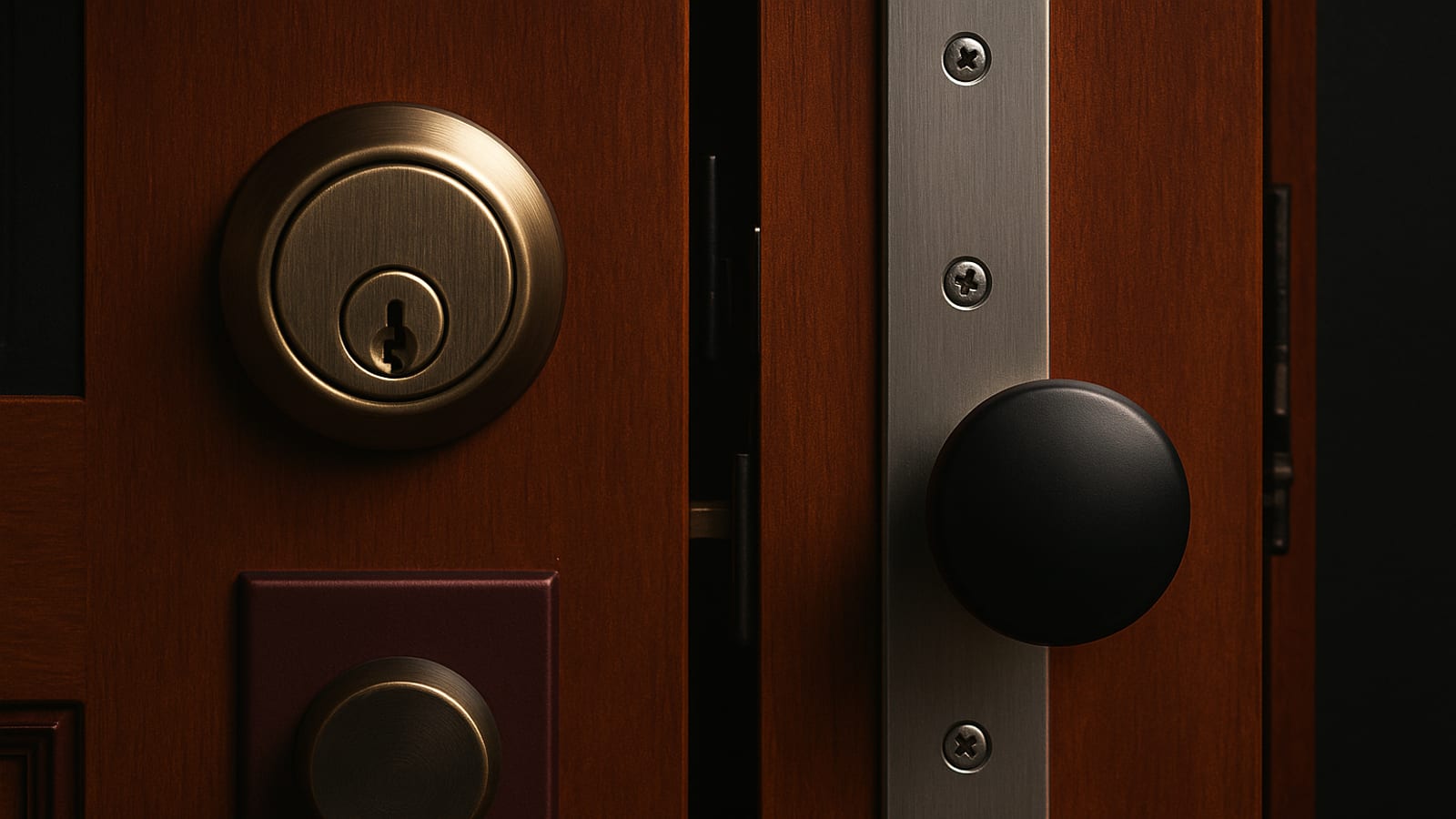
Most people install a deadbolt and call it done. That decision costs them. Break-ins are not slowing down in most neighborhoods, and the question worth asking is not whether you have a lock — it is whether your door can survive the thirty seconds an intruder needs to kick it open. This article breaks down deadbolts versus door reinforcement kits so you can make a decision based on data, not assumptions.
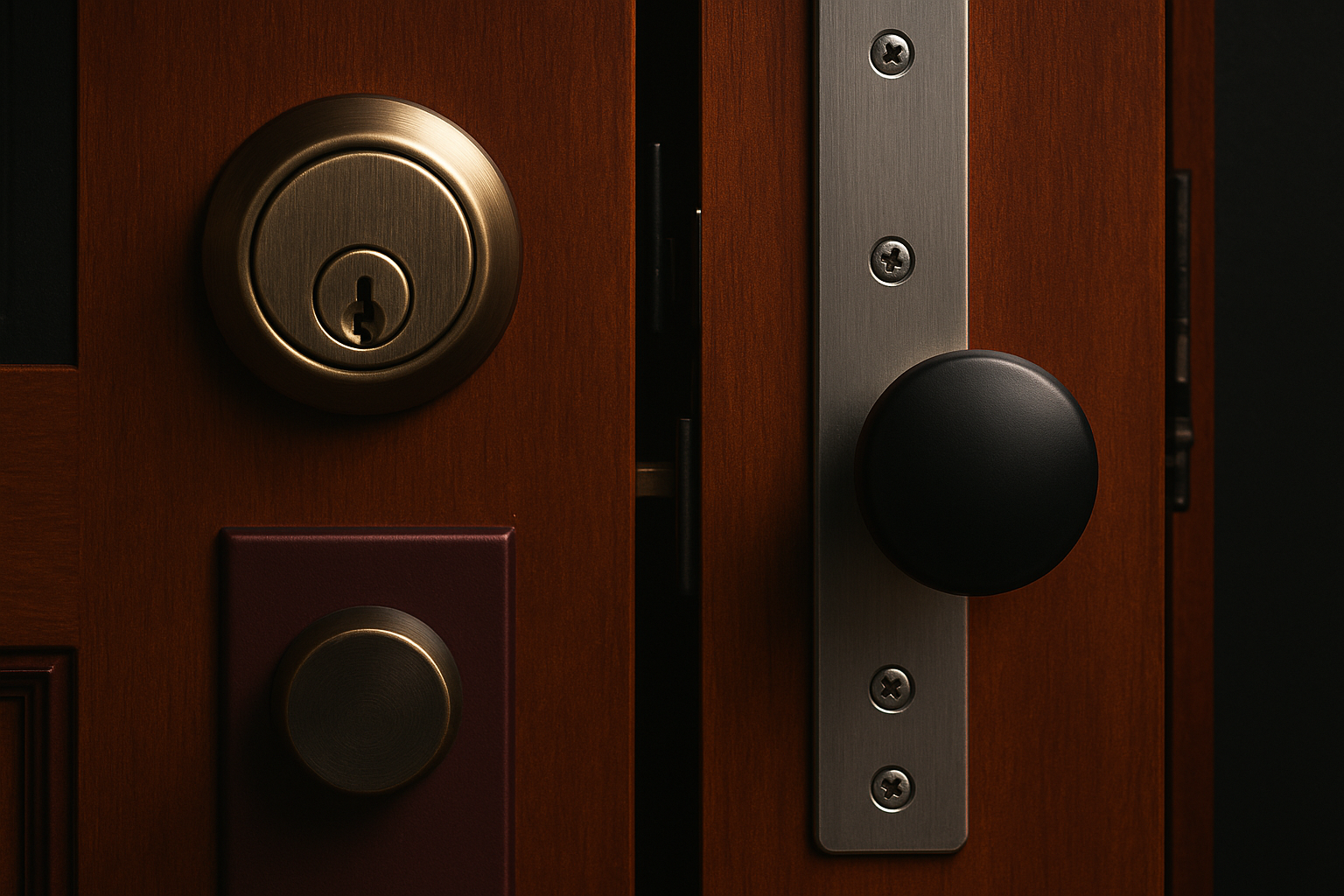

Understanding the Basics: Deadbolts
Deadbolts are the default choice for a reason. A solid metal bolt extends into the door frame and resists casual tampering well. But knowing what a deadbolt does is only half the picture. Knowing where it fails is the other half.
Types of Deadbolts
- Single Cylinder Deadbolt: Key outside, thumb turn inside. Works well on doors with no adjacent windows.
- Double Cylinder Deadbolt: Requires a key on both sides. The right call when glass panels sit near the lock.
Here is the problem. Under a hard kick, even a quality deadbolt can fail — not because the lock breaks, but because the frame around it does. That gap in your defense is exactly where door reinforcement earns its place.
Door Reinforcement: A Stronger Defense
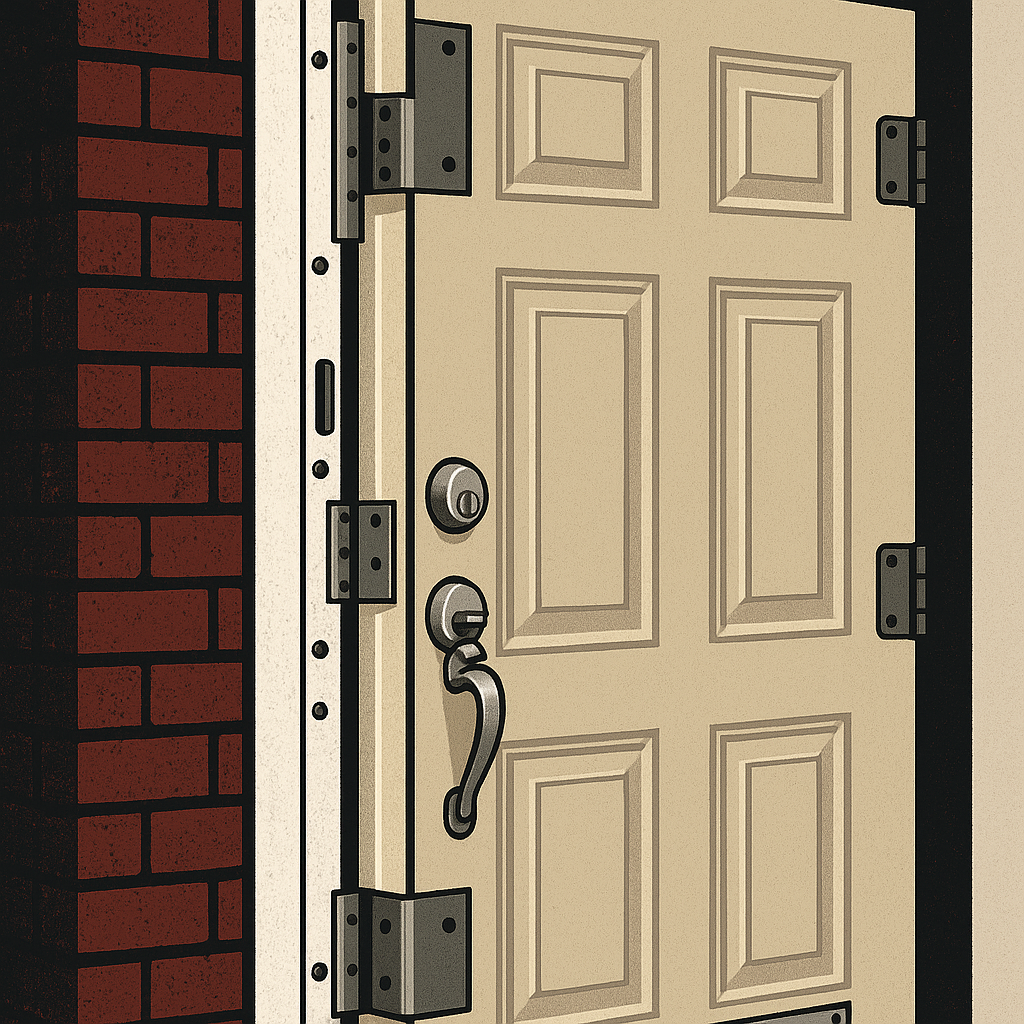
A door reinforcement kit does what a deadbolt cannot do alone. It hardens the entire entry system — frame, hinges, and strike zone — so that force applied to one point distributes across the whole structure instead of splitting wood and popping the bolt free.
Components of a Door Reinforcement Kit
- Strike Plate Reinforcement: Wraps the area around the deadbolt in steel so the frame cannot split under impact.
- Door Jamb Reinforcement: Stiffens the frame itself, the part most doors fail at first.
- Hinge Reinforcement: Locks down the hinge side so an attacker cannot simply pivot the door out of the frame.

If you are serious about this, the Single Door Security Kit runs around $79 and covers a standard door comprehensively. That is a low price for a meaningful upgrade.
Head-to-Head: Deadbolt vs Door Reinforcement
Put them side by side and the contrast becomes clear fast.
Resistance to Force
A deadbolt buys time. A reinforced door denies entry. Reinforcement kits spread impact load across the door and frame, which is why they consistently outperform standalone locks when a determined intruder applies brute force.
Cost and Installation
Deadbolts cost less upfront and go in faster. But if you are in a neighborhood where forced entry is a real risk, the reinforcement kit justifies every dollar. Most kits are built for DIY installation — no contractor required, no excuses.
Step-by-Step: Installing a Door Reinforcement Kit
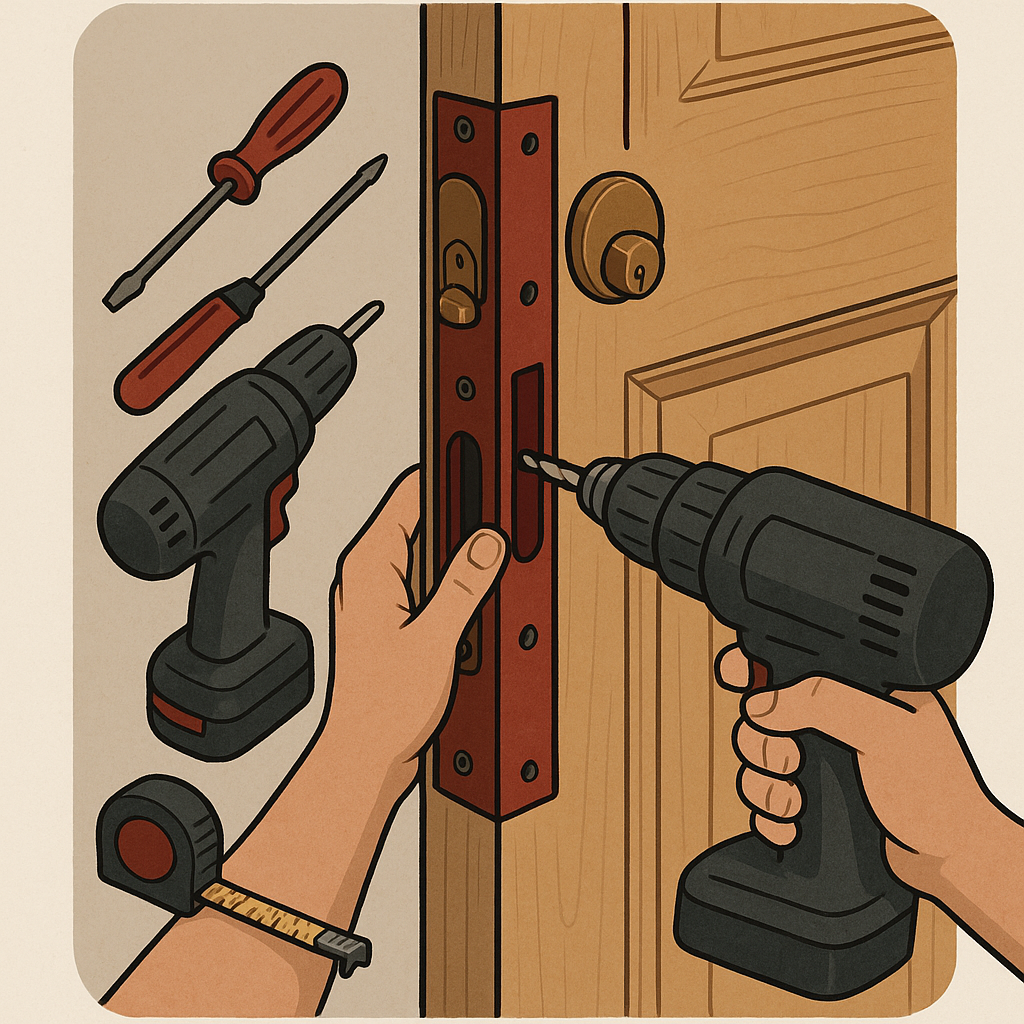
This is not a weekend project. It is a two-hour job that changes your risk profile permanently. Here is the sequence:
- Gather Your Tools: Drill, screwdriver, measuring tape. That is the full list.
- Remove Existing Hardware: Pull the current strike plate and any old reinforcements off the door.
- Install the Reinforced Strike Plate: Align it with the deadbolt throw and drive in the provided screws — they are longer than what came with your door for a reason.
- Reinforce the Door Jamb: Attach the jamb reinforcement so force distributes across the full frame instead of concentrating at one weak point.
- Secure the Hinges: Swap out short hinge screws for longer ones that bite into the wall stud behind the frame.
For detailed installation walkthroughs, Door Armor has video resources worth your time.
Beyond the Door: Comprehensive Security Measures
A hardened door is your first line. Build behind it too.
- Window Security Film: Stops glass from becoming an easy bypass. Window Security Film is a straightforward addition.
- Security Cameras: Visible cameras shift the risk calculation for anyone casing your property.
- Motion-Sensor Lighting: Darkness is an intruder’s first tool. Remove it from the equation at every entry point.
Conclusion: Make the Decision That Actually Protects You
A deadbolt alone is a starting point, not a finish line. Door reinforcement is what closes the gap between a lock that looks secure and a door that actually holds under pressure.
Start with the Single Door Security Kit. Then build out from there. More information and product options are available at Door Armor’s website.
A secure home is not about fear. It is about making a clear-eyed decision, installing the right system, and not thinking about it again. Do the work once. Do it right.
Evaluating the Effectiveness of Smart Deadbolts
Smart deadbolts are drawing attention, and some of it is warranted. These locks layer modern technology on top of traditional deadbolt mechanics, giving you remote control and monitoring from your phone. That is genuinely useful — but it does not change the physics of a kicked door.
Key Features of Smart Deadbolts
- Remote Access: Lock and unlock from anywhere via a smartphone app. Useful when you cannot remember if you locked up before leaving.
- Smart Home Integration: Connects to platforms like Amazon Alexa or Google Assistant for voice control.
- Activity Monitoring: Timestamped entry and exit logs so you know exactly who came and went.
- Temporary Access Codes: Issue codes to guests or service providers without cutting spare keys.
Smart deadbolts add real convenience and visibility. What they do not add is structural resistance. Without door reinforcement behind them, they carry the same vulnerability as any standard deadbolt when force is applied.
Case Study: Real-World Application of Door Reinforcement
In a suburban neighborhood with a reputation for being quiet and safe, a cluster of break-ins changed the conversation fast. One homeowner — call her Jane — watched her neighbor get hit despite having a quality deadbolt installed. Jane did not wait for a second lesson.
She installed a full door reinforcement kit: reinforced strike plate, door jamb reinforcement, hinge reinforcement. One month later, an intruder attempted forced entry at her door. The door held. The intruder left empty-handed.
That outcome is not luck. It is the direct result of layering the right systems. Jane’s upgrade also triggered a neighborhood effect — several nearby homeowners followed her lead, and reported break-in attempts across the block dropped measurably. One decision, compounding outward.
Checklist: Enhancing Door Security
Run through this before you consider your door secured:
- Install a Quality Deadbolt: Grade 1 or Grade 2. Do not cut corners on the hardware itself.
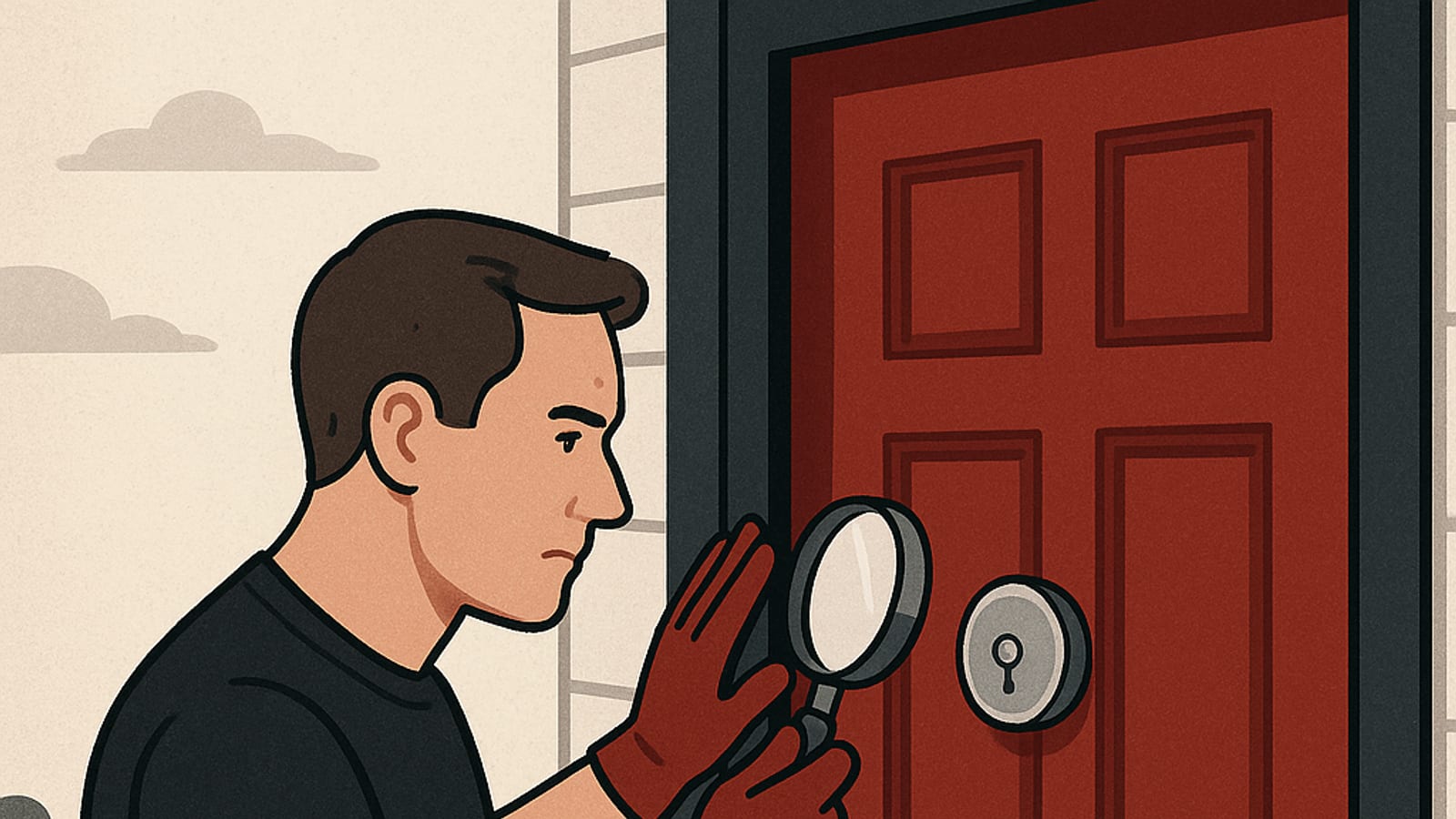
- Reinforce the Door Frame: A reinforcement kit is non-negotiable if you want the frame to survive a kick.
- Secure the Hinges: Long screws anchored into the wall stud, not just the door trim.
- Add a Peephole or Door Viewer: Know who is outside before you engage with the door at all.
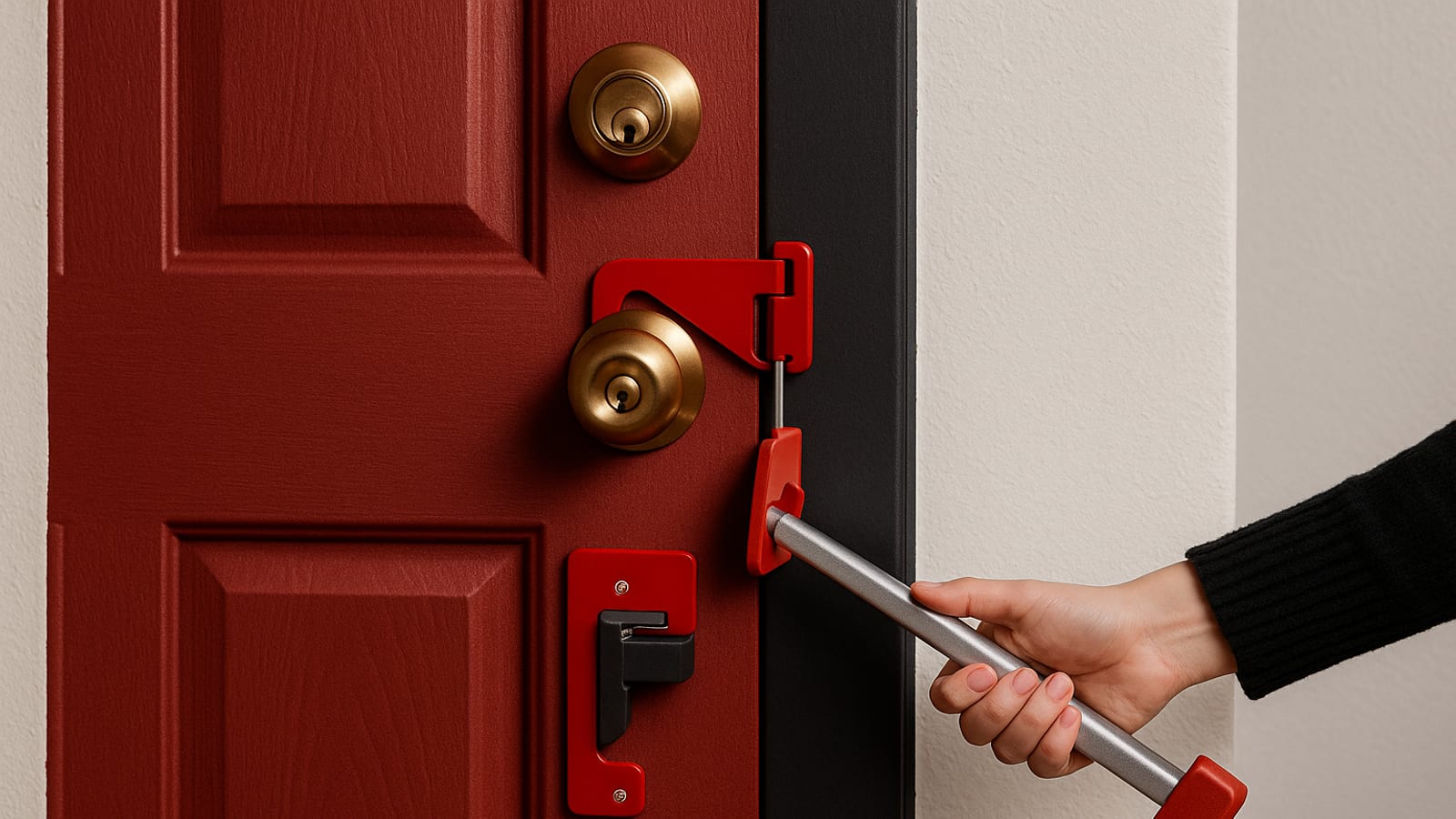
- Consider a Door Barricade: For high-risk situations, a barricade device adds another layer of resistance against forced entry.
FAQs: Common Concerns About Door Security
Are door reinforcement kits compatible with all types of doors?
Most kits are built for standard wood and metal doors. Verify the kit specifications against your door type before purchasing. Many kits include adjustable components that accommodate different door sizes and configurations.
Will installing a door reinforcement kit affect the aesthetic of my door?
Most kits are designed to be discreet. Components sit flush and many come in finish options that match common door hardware. Security and appearance are not mutually exclusive here.
How often should I inspect my door’s security features?
Every six months is the right cadence. Check for loose screws, frame misalignment, or wear around the strike plate. Catch small issues before they become the weak point that matters on the wrong night.
Key Performance Indicators for Measuring Security Effectiveness
Treat your home security like any system worth maintaining. Track these indicators:
- Incident Rate: How often are attempted entries or security events occurring at your property?
- Response Time: How quickly are identified vulnerabilities addressed and corrected?
- Community Feedback: What are neighbors and local security forums reporting about conditions in your area?
- Security System Alerts: What is the volume and nature of alerts from cameras, smart locks, or sensors?
Review these regularly. Security is not a one-time installation — it is a system you maintain. The operators who build quietly and test relentlessly are the ones who do not get caught off guard.
Disclosure: this article may contain affiliate links. If you buy through them, we may earn a small commission at no extra cost to you.

Leave a Reply