
How to Tell If Your Door Frame Is Strong Enough (And What to Do If Not)
Your door frame is the first line of defense against intruders, and ensuring its strength is crucial for home security. In this guide, we will explore how to assess the security of your door frame, common weaknesses that intruders exploit, and actionable steps to reinforce it effectively. Our goal is to help you transform your home into a fortress of safety without unnecessary complexity or cost.
Understanding Door Frame Security
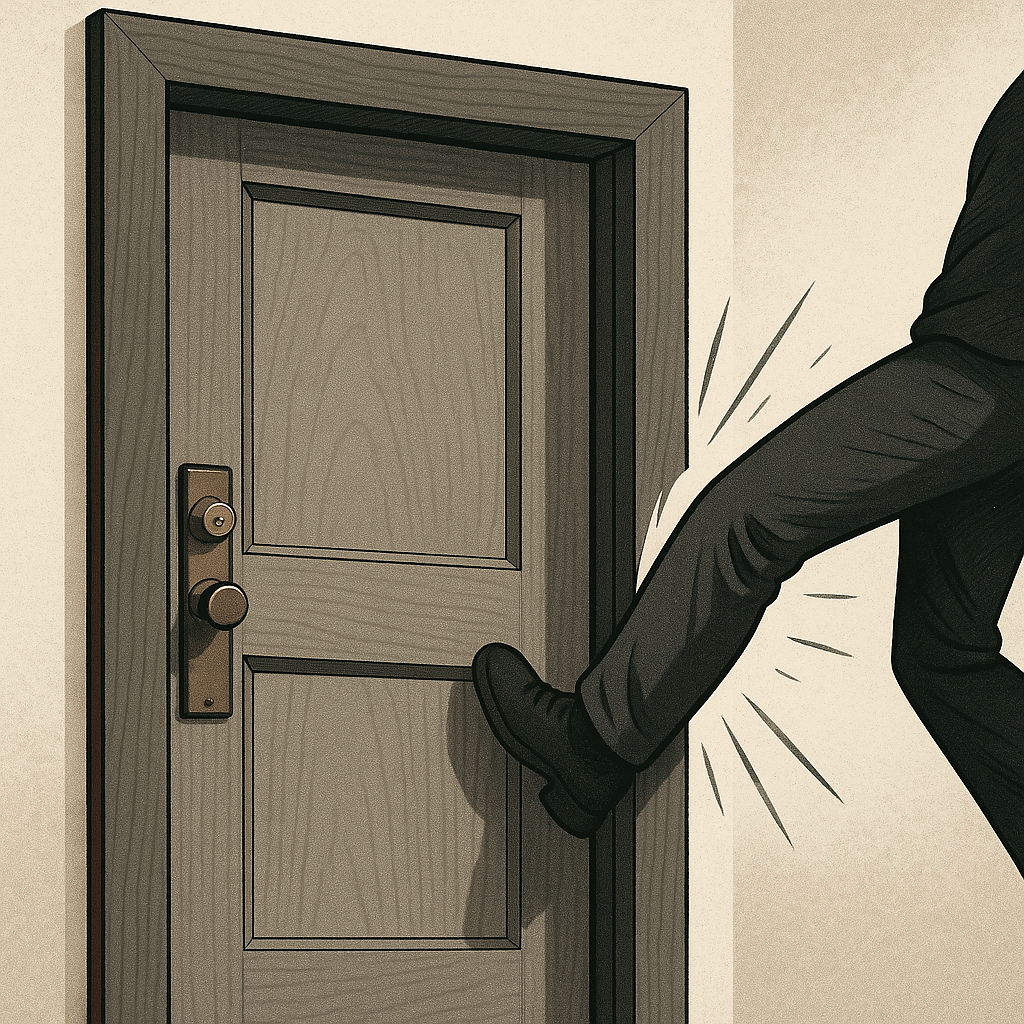
Before diving into solutions, it’s essential to understand what makes a door frame secure. A robust door frame can withstand significant force, such as a kick-in attempt, which is a common method used by burglars. If you can identify and address potential weaknesses, you can dramatically improve your home’s security.
Signs Your Door Frame May Be Weak
There are several indicators that your door frame might not be as strong as it should be:
- Visible Damage: Cracks, splinters, or any visible damage can compromise the integrity of the door frame.
- Loose Hinges: If the hinges are not tightly secured, they can easily be forced open.
- Light Gaps: Gaps between the door and frame may suggest poor fitment or warping, weakening the overall structure.
If you notice any of these signs, it’s crucial to take immediate action.
How to Test Your Door Frame’s Strength
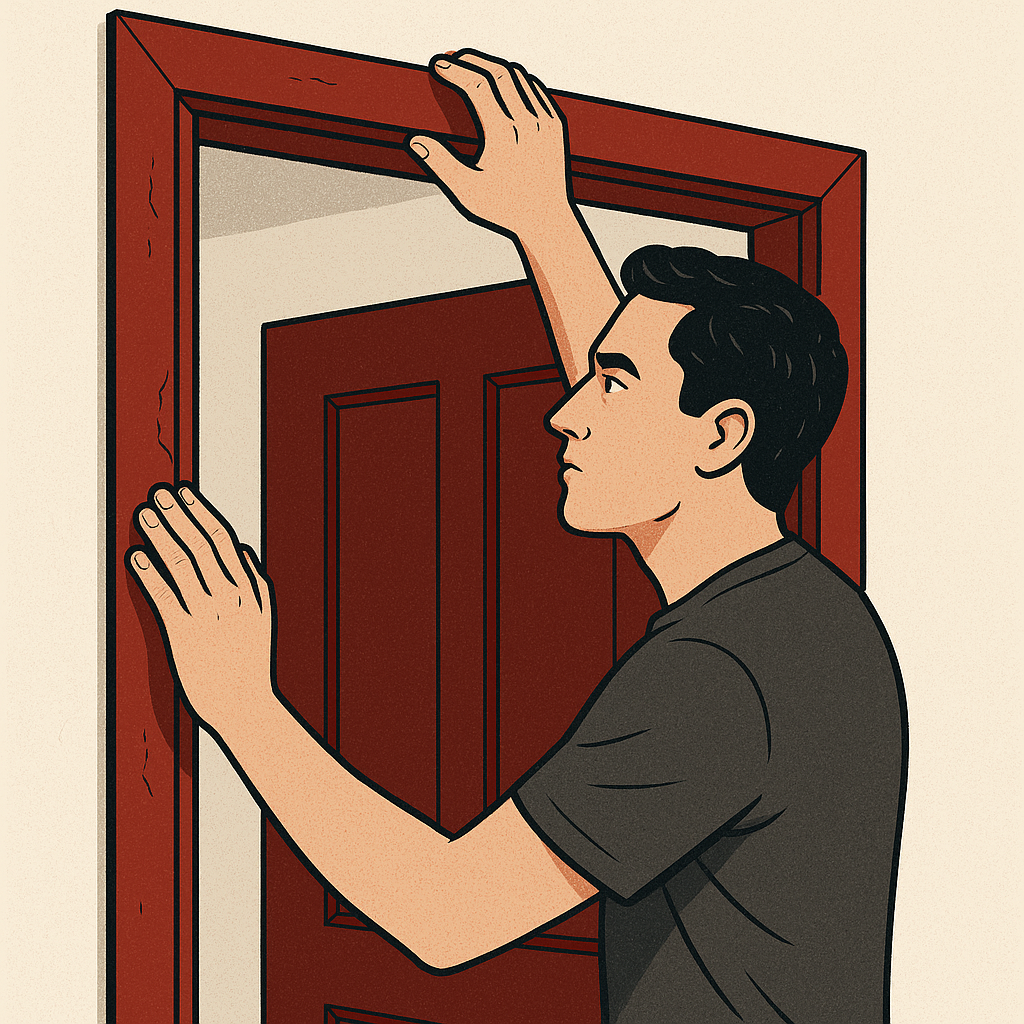
Testing your door frame’s strength doesn’t require professional tools or expertise. Here are three simple tests you can perform:
Visual Inspection
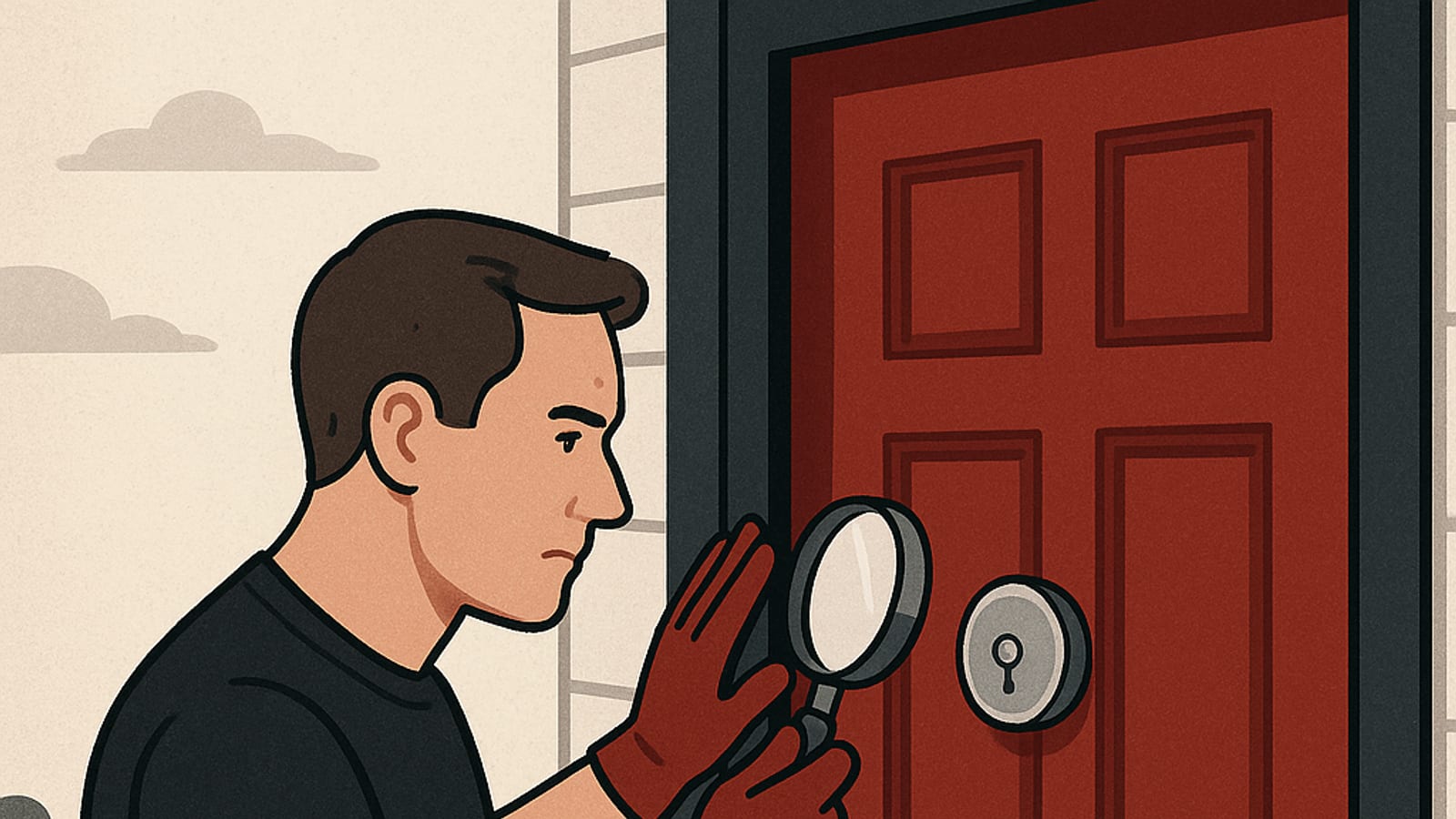
Start with a visual inspection. Check for any visible signs of wear and tear, such as cracks or warped wood. Look closely at the hinges and ensure they are securely fastened to the frame.
Push Test
Close the door and apply force to it as if trying to push it open without turning the handle. A sturdy frame should not move significantly under pressure. If it does, it may need reinforcement.
Screw Tightness Check
Use a screwdriver to check the tightness of the screws in the hinges and strike plates. Loose screws can indicate a weakened frame, which should be addressed immediately.
Steps to Reinforce Your Door Frame
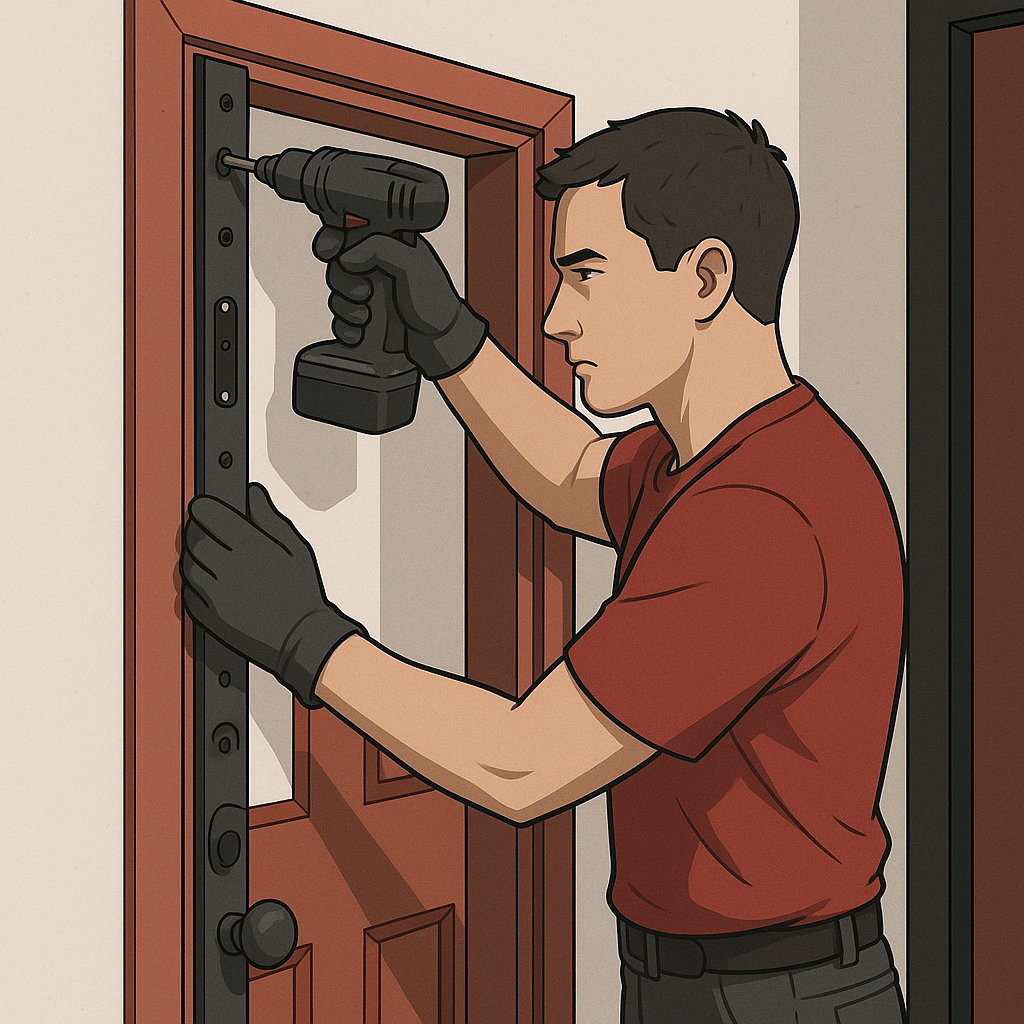
If your tests reveal that your door frame is not as secure as it should be, don’t worry. Reinforcing it can be a straightforward process. Here’s how you can do it:
Install a Door Reinforcement Kit
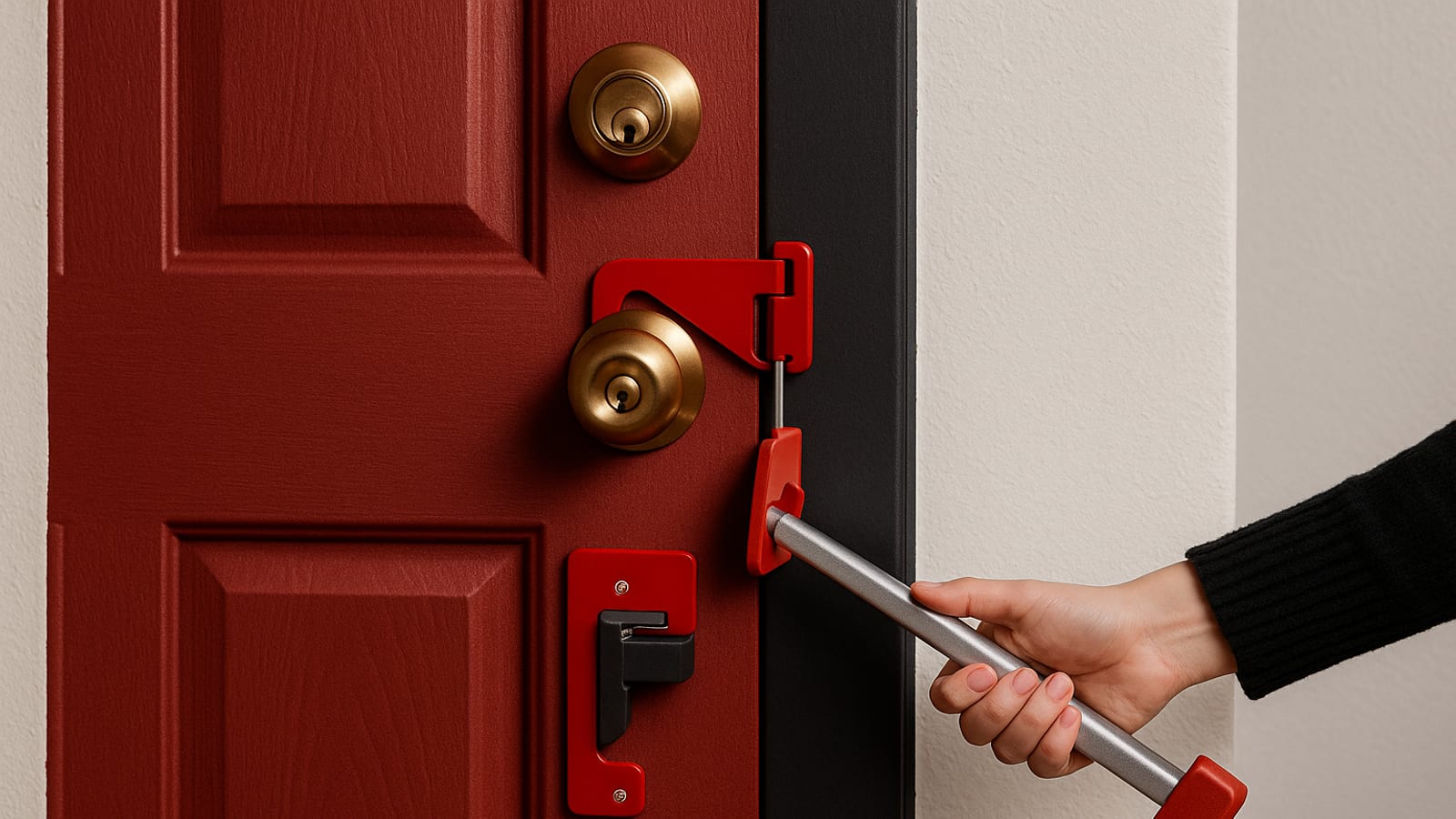
One of the most effective ways to strengthen your door frame is by installing a Single Door Security Kit. These kits are designed to fortify doors against kick-ins and include components like reinforced strike plates and door jammers.
Upgrade Hinges and Strike Plates
Replace existing hinges and strike plates with longer screws and metal reinforcements. This simple upgrade can significantly increase the resistance to forceful entry.
Consider a Double Door Security Solution
If you have double doors, consider installing a Double Door Security Kit. These kits are tailored for the unique challenges of securing French and double entry doors.
Long-Term Door Security Strategies
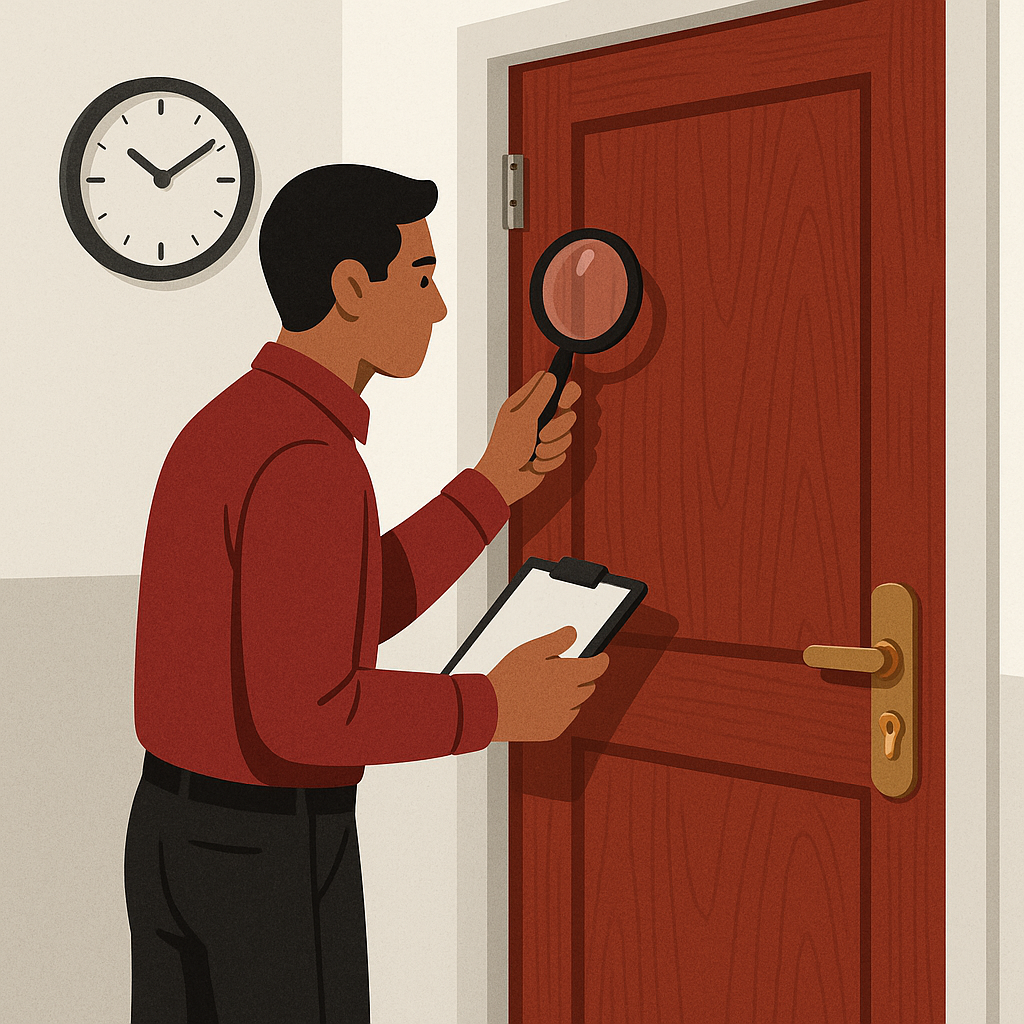
Beyond immediate reinforcement, consider these long-term strategies to maintain door security:
- Regular Maintenance: Periodically check and maintain your door frame, hinges, and locks to ensure they remain in good condition.
- Smart Home Integration: Integrate smart locks and cameras for enhanced security and monitoring.
- Professional Assessment: Hire a professional to assess your door security if you have ongoing concerns or after a significant event like a break-in.
For additional resources on door security, explore our door security solutions on Door Armor.
Conclusion: Take Action Today
Your door frame is a crucial component of your home’s security. By identifying weaknesses and implementing the reinforcement strategies outlined, you can significantly enhance your protection against intruders. Start by assessing your current setup, then take proactive steps to reinforce it using the tools and kits discussed. For further guidance and to explore a range of security products, visit Home Door Security.
Empower yourself with the knowledge and tools needed to create a safe and secure living environment. Remember, a secure door frame is not just about protection; it’s about peace of mind for you and your family.
Advanced Reinforcement Techniques for Door Frames

For homeowners seeking to maximize security, advanced reinforcement techniques can provide additional layers of protection beyond basic upgrades. These methods are particularly beneficial for homes in high-risk areas or for those desiring an extra sense of security.
Steel Door Frame Installation
Replacing a wooden door frame with a steel frame can significantly enhance security. Steel frames are more resistant to forceful entry attempts and provide a durable, long-lasting solution. This process typically involves removing the existing frame and installing a custom-fit steel frame, which may require professional assistance for proper alignment and finishing.
Reinforced Strike Box
A reinforced strike box is an upgrade from standard strike plates. It features a metal box that is anchored deeper into the wall studs, providing superior resistance against kick-ins. This technique requires precise drilling and alignment to ensure the box is securely installed.
Security Film for Glass Panels
If your door has glass panels, applying a security film can prevent shattering. This film holds broken glass in place, deterring burglars from reaching through to unlock the door. Installation involves cleaning the glass thoroughly and carefully applying the film to avoid bubbles and ensure a tight seal.
Checklist for Assessing Door Frame Security
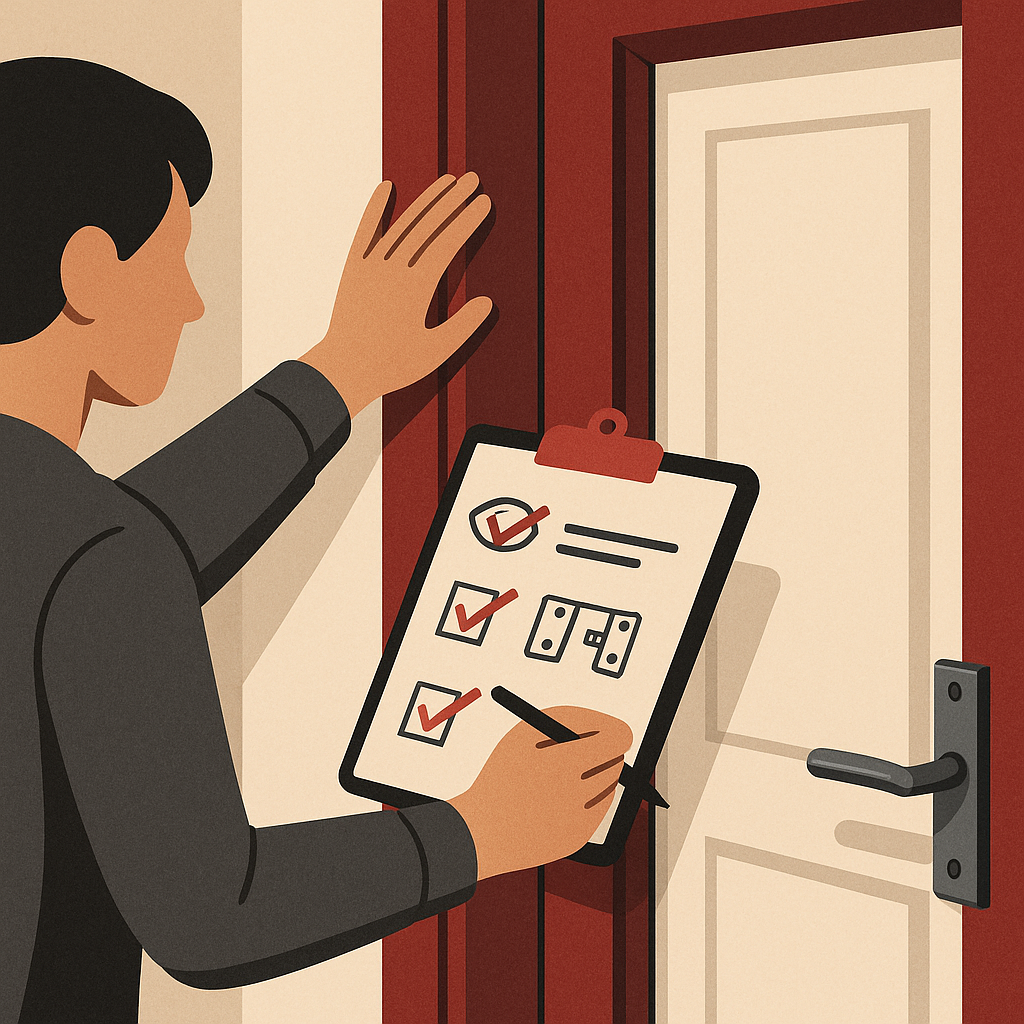
Utilize this checklist to systematically evaluate and enhance your door frame security:
- Visual Inspection: Check for visible damage or signs of wear.
- Hinge and Screw Check: Ensure all screws are tight and hinges are secure.
- Door Alignment: Confirm the door fits snugly in the frame with no significant gaps.
- Strike Plate Inspection: Verify the strike plate is secured with long screws into the wall stud.
- Security Upgrades: Install reinforcement kits, consider steel frames, and apply security films as needed.
Common Misconceptions About Door Frame Security
There are several misconceptions that can lead homeowners to overlook potential vulnerabilities:
- All Doors Are Created Equal: Many believe that any door inherently provides security. However, the materials and construction quality significantly impact a door’s strength.
- Deadbolts Are Sufficient: While deadbolts are crucial, they are only as strong as the door frame. Reinforcing the frame is equally important.
- Security Is Too Expensive: Effective security doesn’t always require a large budget. Simple upgrades like longer screws and strike plates are affordable and effective.
Key Performance Indicators (KPIs) for Door Frame Security

Tracking specific KPIs can help you measure the effectiveness of your security enhancements:
- Force Resistance: Test the door’s ability to withstand forceful entry attempts post-reinforcement.
- Lock Integrity: Regularly inspect locks for signs of tampering or wear.
- Maintenance Frequency: Track how often maintenance is needed to keep the frame and door in optimal condition.
- Incident Reports: Monitor for any attempted break-ins or security breaches to evaluate the need for further enhancements.
Case Study: Successful Reinforcement in Urban Areas
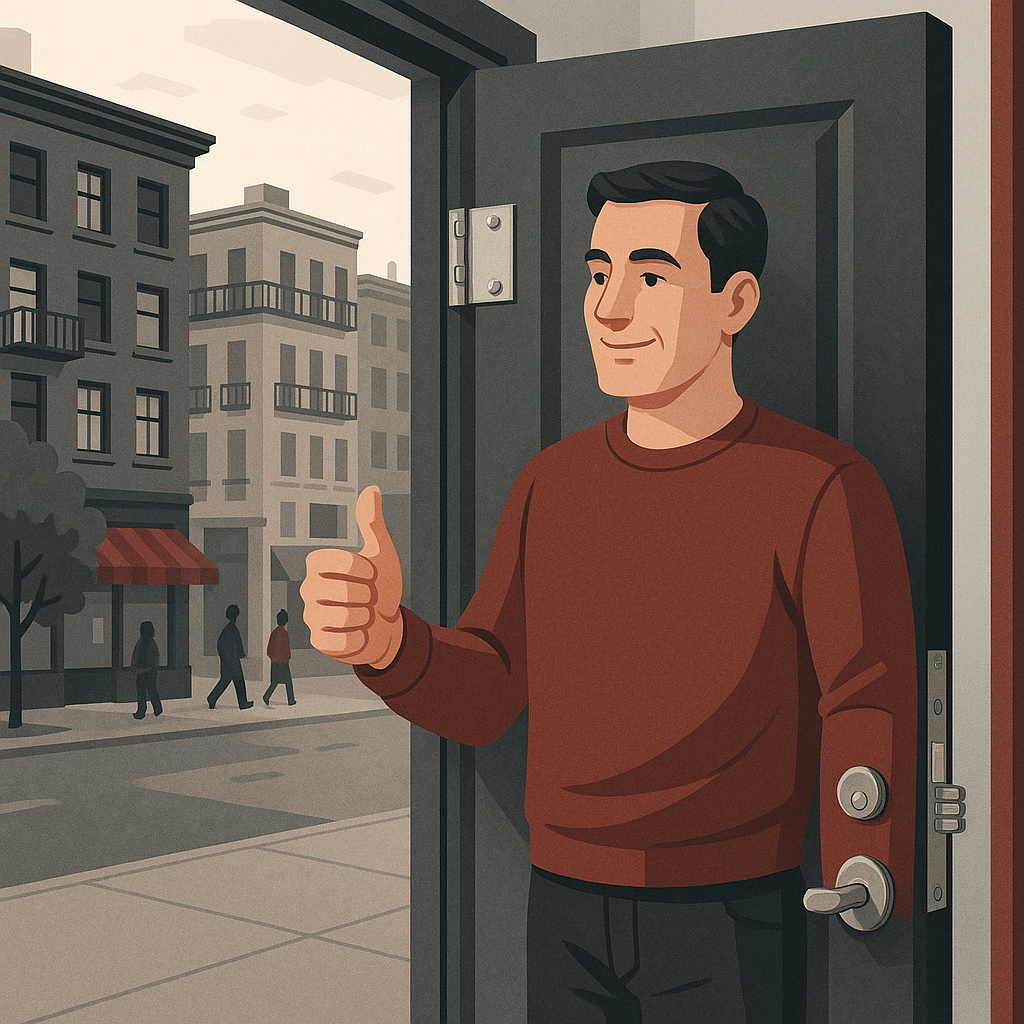
Consider a case study of a homeowner living in a bustling city neighborhood, where break-ins were a common concern. By investing in a reinforced steel door frame and installing a reinforced strike box, the homeowner significantly reduced their vulnerability. Additionally, the application of security film on glass panels prevented an attempted burglary, as the film kept the glass intact, deterring the intruder.
These enhancements not only provided peace of mind but also increased the property’s market value by showcasing a commitment to security. This case exemplifies how strategic upgrades can effectively mitigate risks and enhance overall home safety.
Choosing the Right Door Material for Enhanced Security
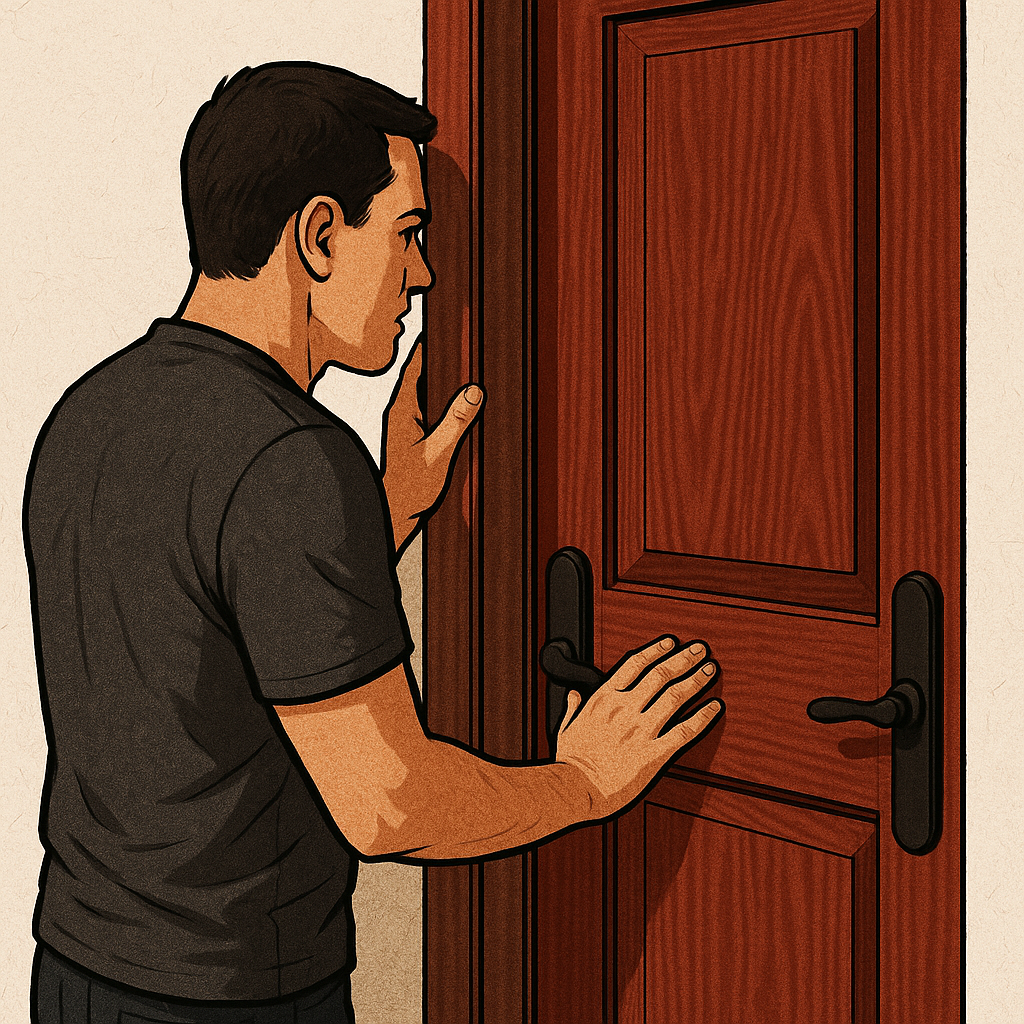
When reinforcing your door frame, consider the material of the door itself. Materials play a crucial role in overall security:
- Solid Wood: Offers excellent strength and durability, but can be susceptible to environmental damage over time.
- Fiberglass: Known for being both strong and resistant to weather, making it a great option for exterior doors.
- Metal: Steel doors provide superior protection against forced entry and are highly durable, though they may require additional insulation for energy efficiency.
Disclosure: this article may contain affiliate links. If you buy through them, we may earn a small commission at no extra cost to you.

Leave a Reply