
“`html
Do Side Lights Make Your Front Door Less Secure?
Do Side Lights Make Your Front Door Less Secure?
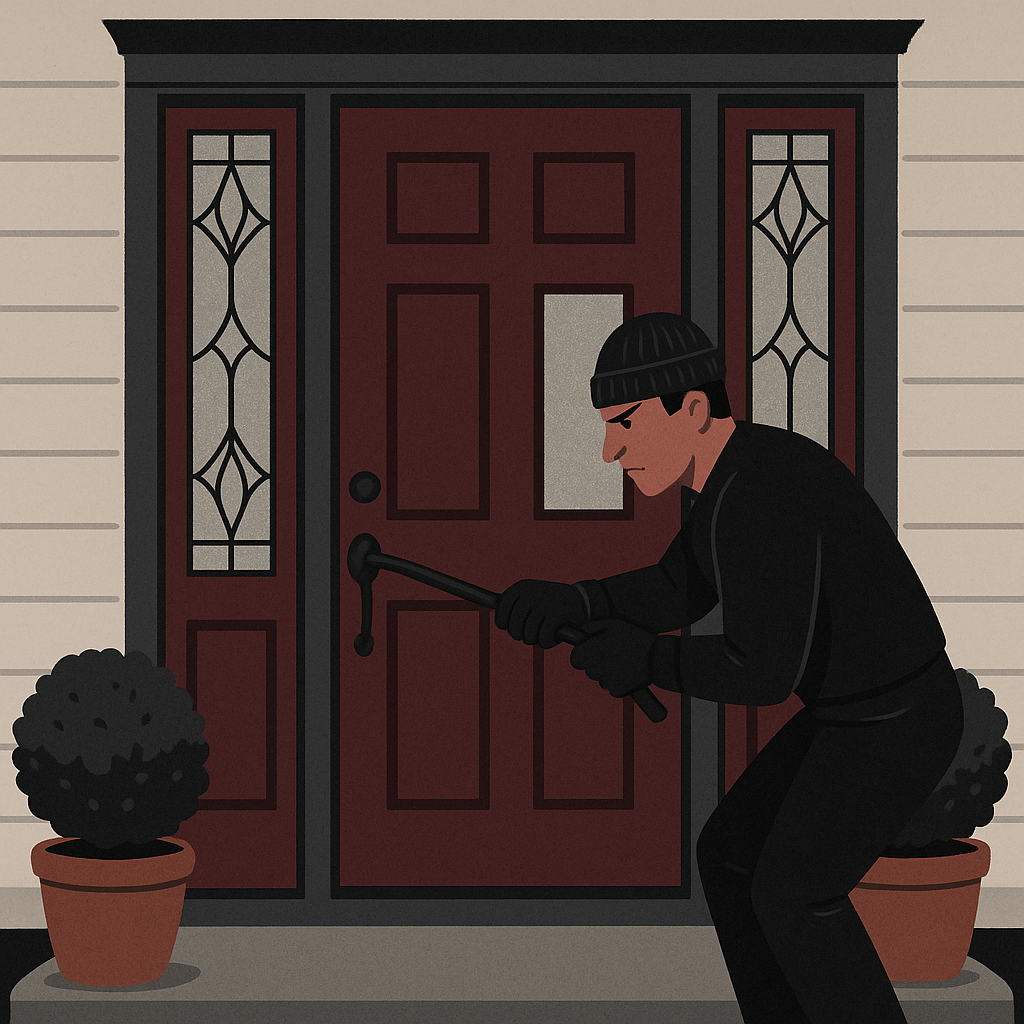
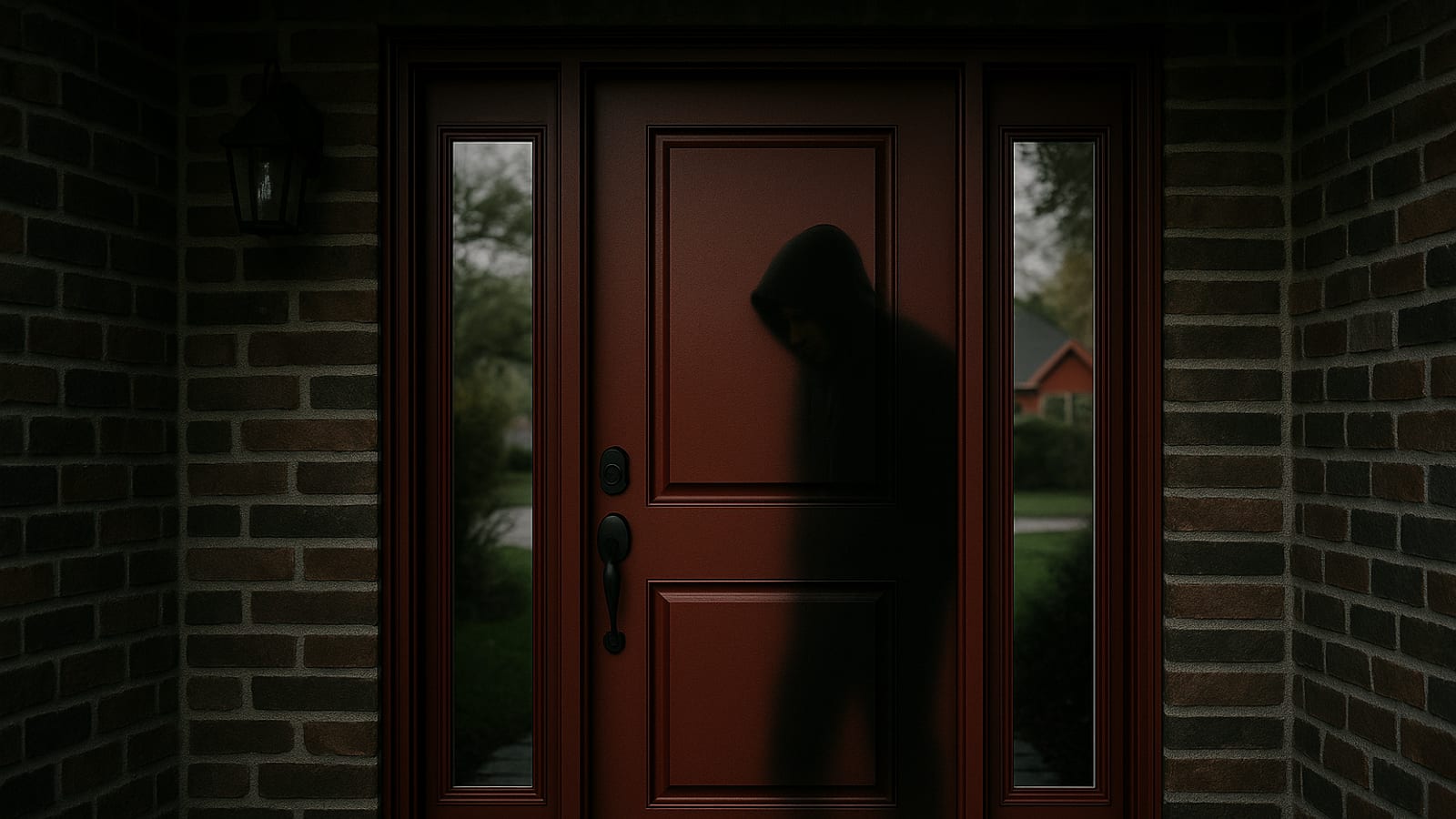
Side lights — the glass panels flanking your front door — look sharp. They pull light into the foyer and give your entrance a finished look. They also hand a determined intruder a shortcut straight to your lock. That tension is real, and ignoring it is a mistake. This guide breaks down exactly where the risk lives and gives you a concrete plan to close it without touching the aesthetics you paid for.
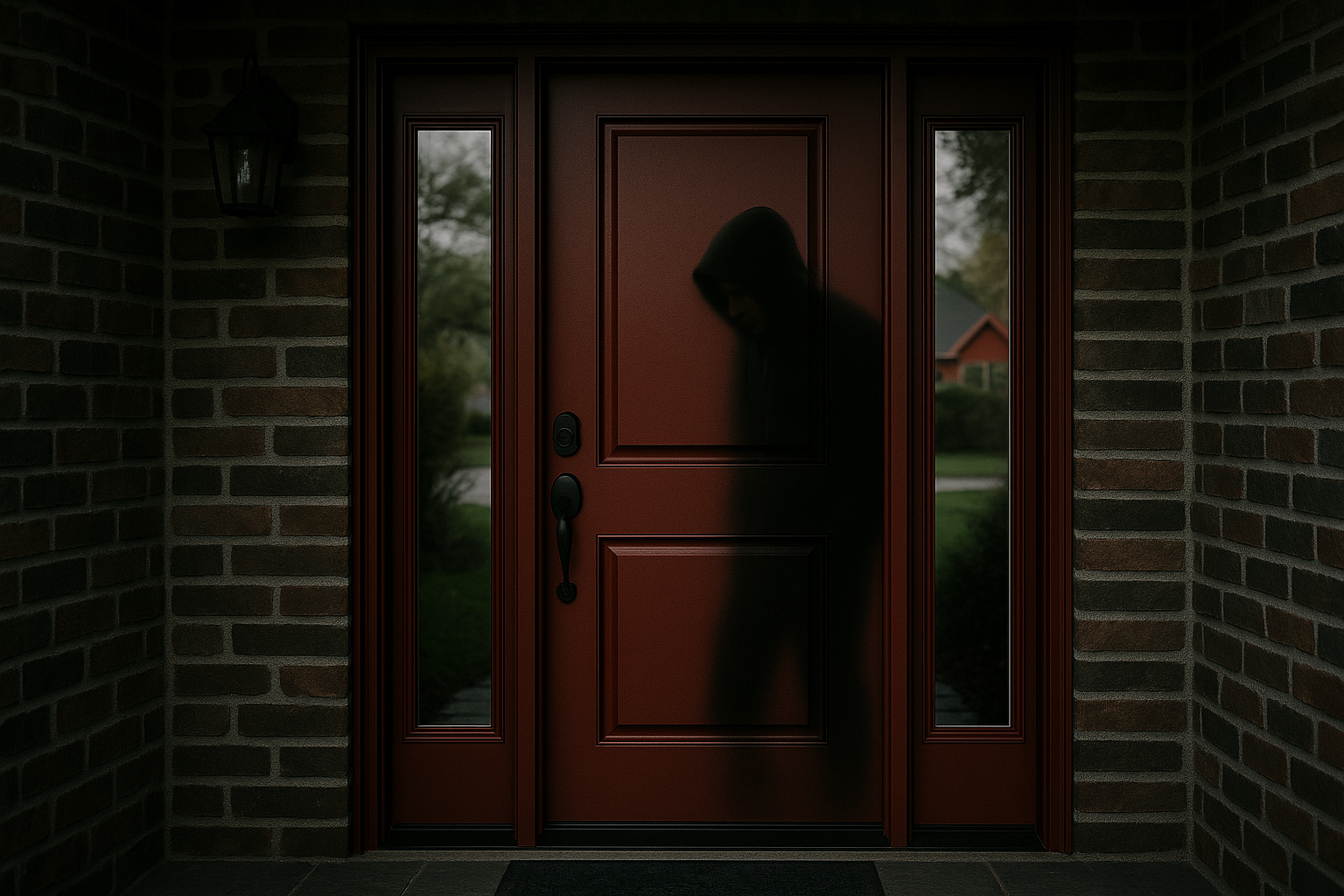
Understanding the Security Risks of Side Lights
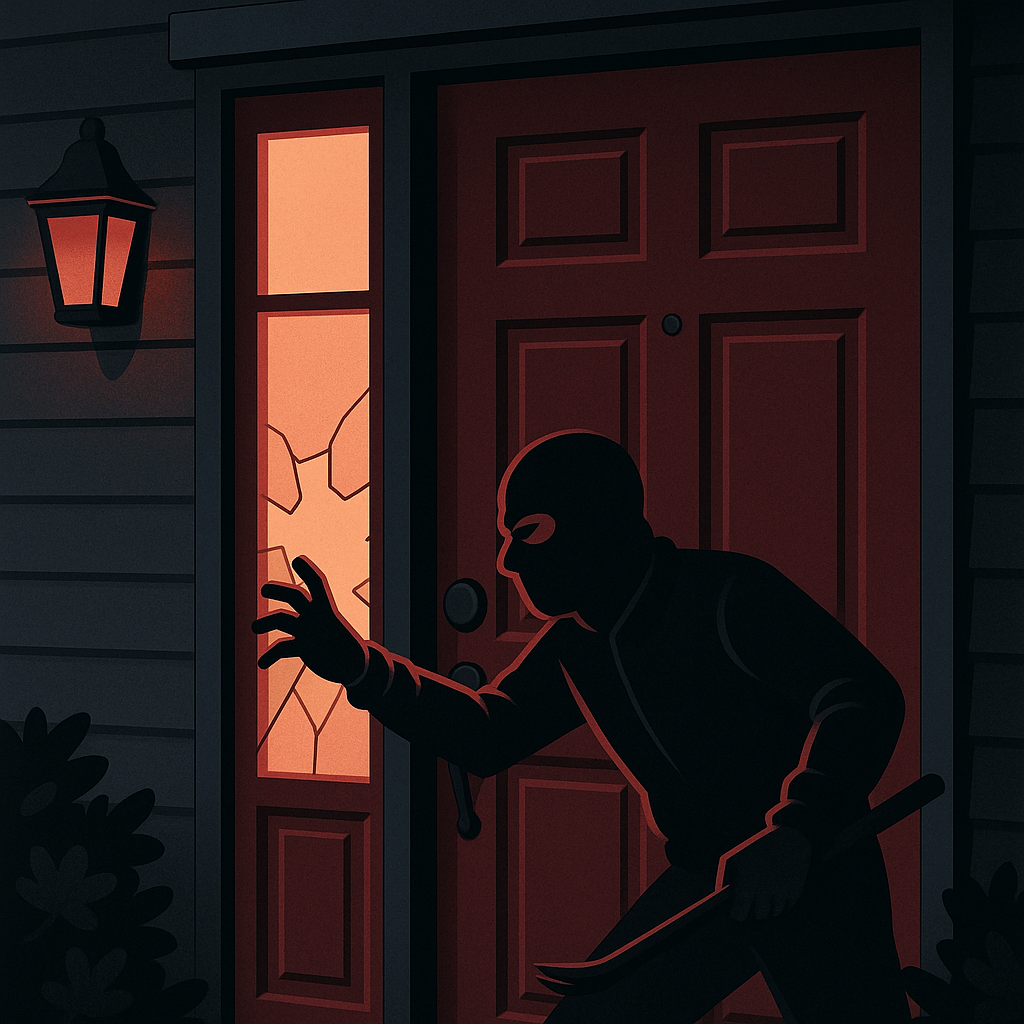
Side lights are a double-edged feature. The same glass that brightens your entryway is one solid strike away from giving a stranger access to your deadbolt. Break the pane, reach through, turn the lock. The whole sequence takes seconds. Knowing exactly where the exposure sits is how you fix it without overbuilding.
Common Vulnerabilities
- Breakability: Standard glass fails fast under force. That is the baseline problem.
- Accessibility: A broken pane puts your lock within arm’s reach of anyone standing outside.
- Visibility: Clear side lights let an intruder case your foyer — layout, valuables, whether anyone is home — before they ever touch the door.
Enhancing Side Light Door Security
The risk is manageable. You do not have to choose between a good-looking entrance and a secure one. Here are the methods that actually move the needle:
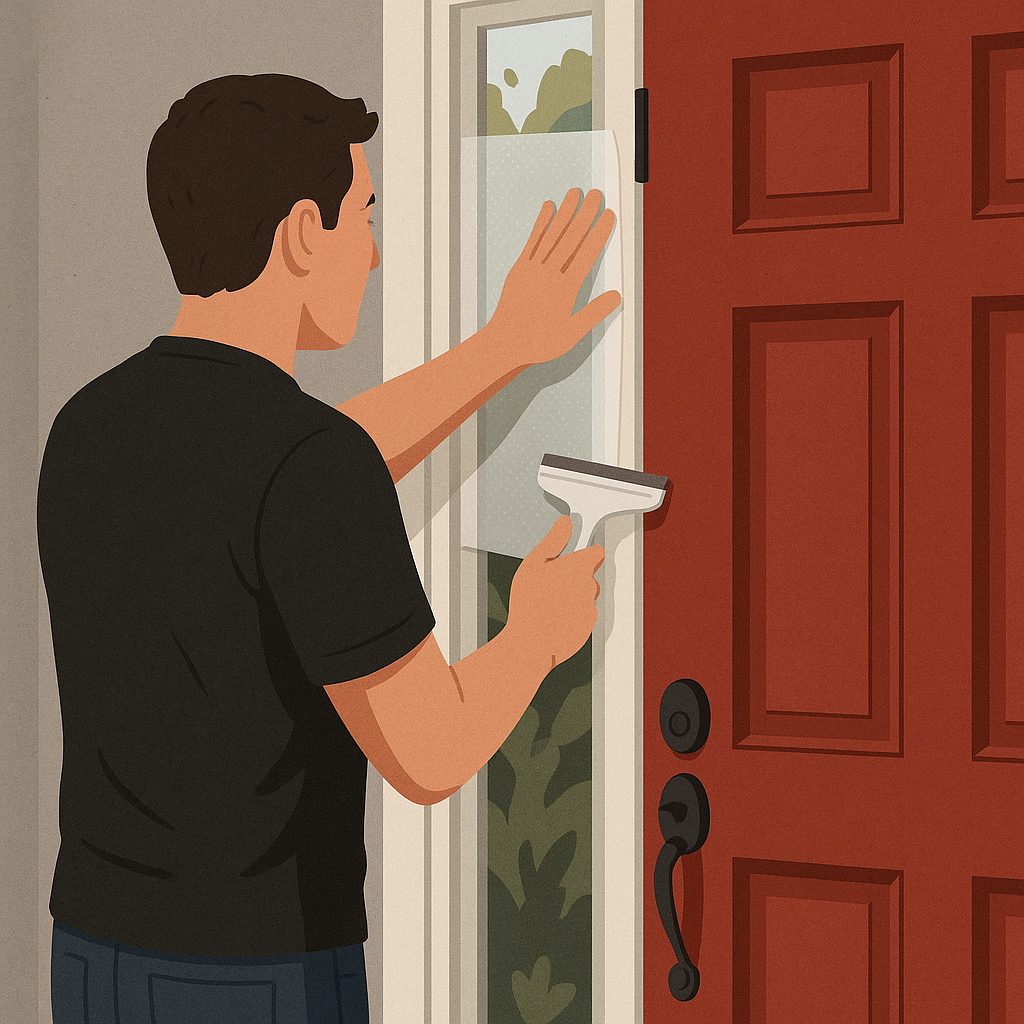
1. Reinforce with Security Film
A window security film applied directly to the glass changes the equation. When the pane takes a hit, the film holds the shards in place. The glass cracks but does not open. That delay is often enough to make an intruder walk away.
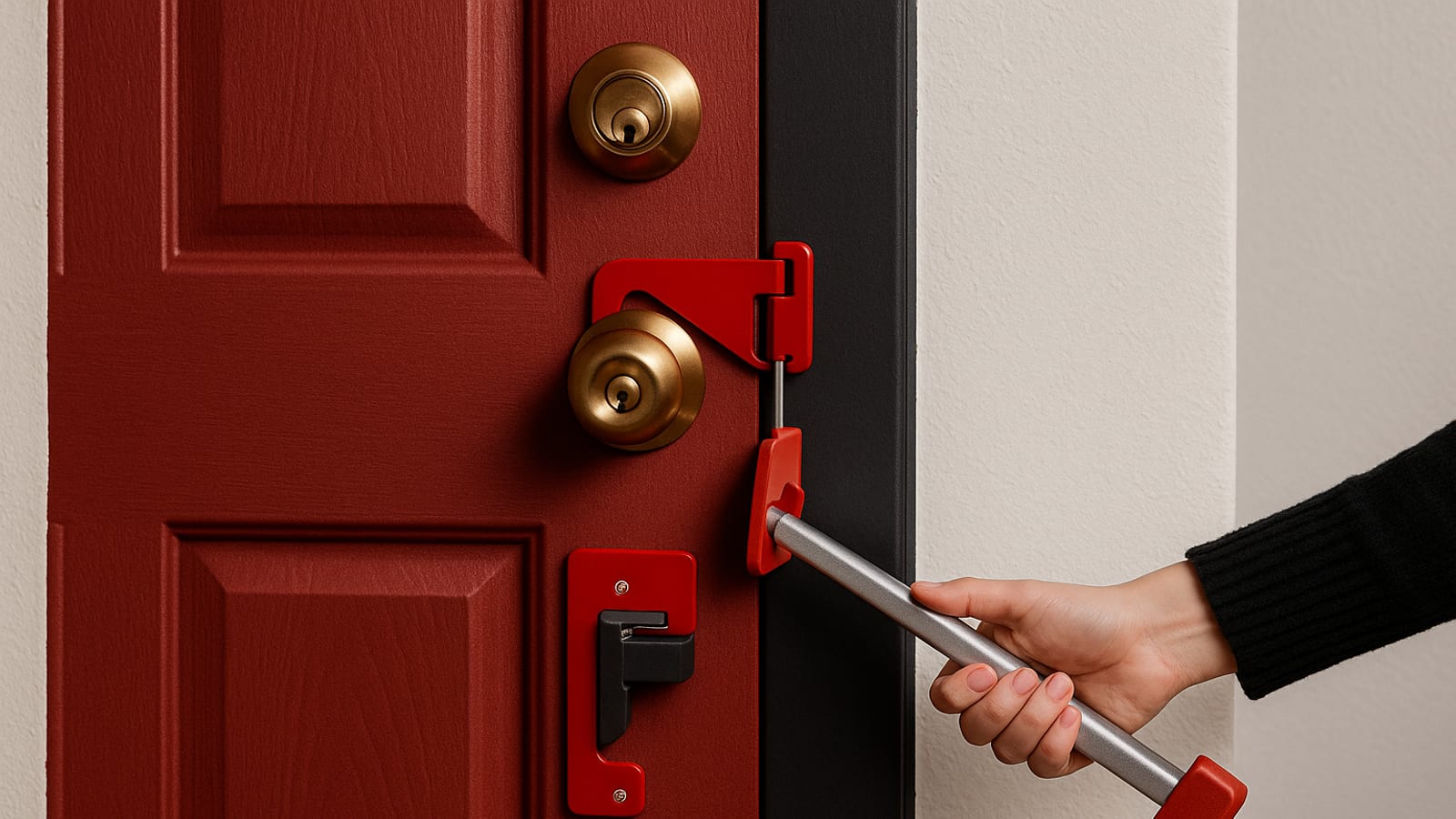
2. Install a Side Light Door Security Kit
A dedicated Side Light Door Security Kit — around $129 — reinforces both the door and the surrounding frame together. That matters because most forced entries exploit the frame, not the lock itself.
3. Upgrade Locks and Deadbolts
High-quality deadbolts that extend deep into a reinforced strike plate are a foundational upgrade. Look for hardware rated resistant to picking and bumping. A strong lock on a weak frame is still a weak system.
4. Use Smart Home Technology
Smart locks and connected security systems give you real-time visibility. You get an alert the moment something triggers. You can monitor remotely and respond before a situation escalates.
Step-by-Step Guide: Installing a Side Light Door Security Kit

This is a few hours of work with basic tools. Here is the sequence:
- Gather Your Tools: Drill, screwdriver, tape measure, and the kit components. Have everything staged before you start.
- Remove Existing Hardware: Pull the current lock and strike plate off the door frame cleanly.
- Install the Metal Strikes: Set the kit’s metal strikes over the existing lock and deadbolt holes. Drive the screws in fully.
- Reinforce the Door Frame: Attach the longer metal plates along the frame. This is what stops a kick-in.
- Test the Door: Open and close it several times. Confirm the locks engage and release without resistance.
For detailed installation instructions, visit Door Armor’s installation guide.
Weighing the Benefits and Drawbacks
Side lights are not a security liability by default. They become one when left unaddressed. Security film, upgraded locks, and a purpose-built reinforcement kit close the gap. You keep the curb appeal. You eliminate the easy entry point. That is the right trade.
Cost Considerations
Reinforcing your entrance does not require a major outlay. A Side Light Door Security Kit combined with film and upgraded hardware is a one-time cost that protects for years. Compare that to the cost of a break-in — financially and otherwise — and the math is straightforward.
Next Steps: Securing Your Home
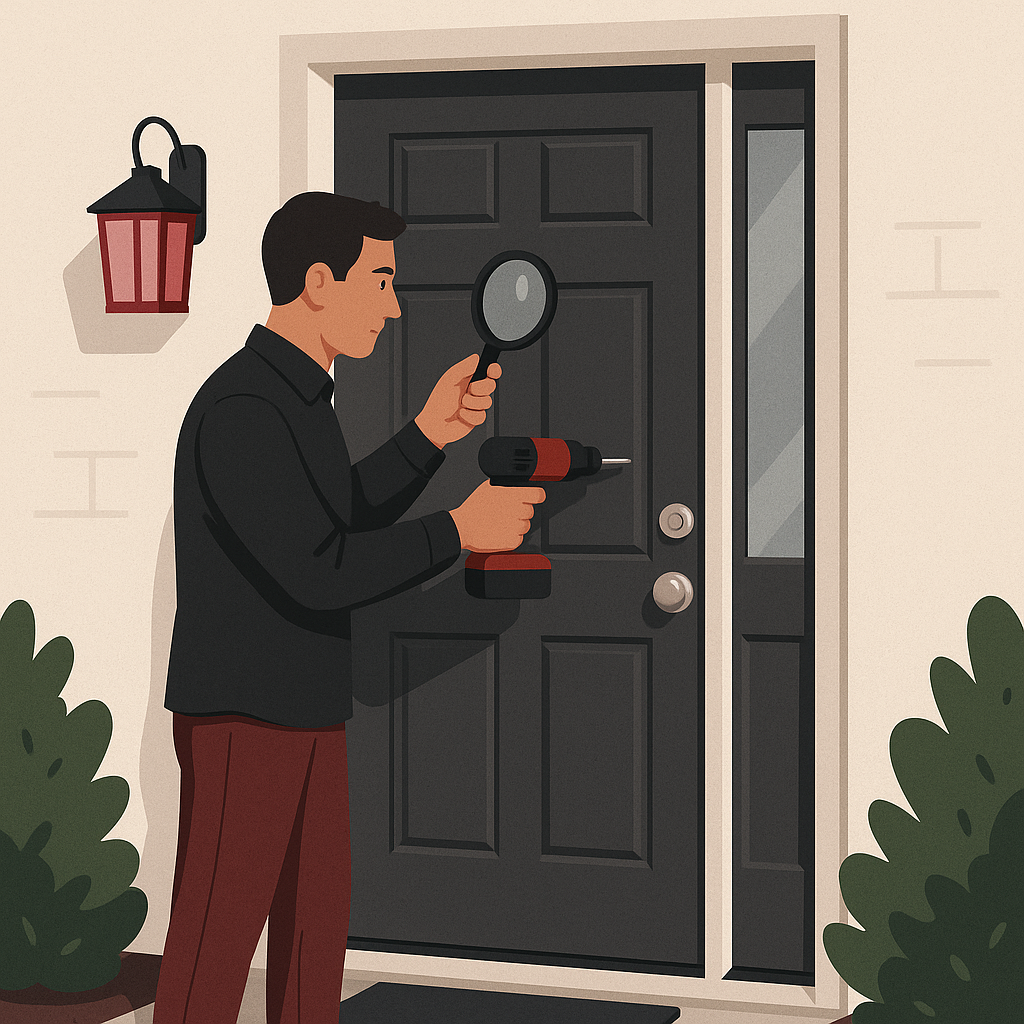
Start with an honest assessment of your current setup. Walk up to your own front door and look at it the way an intruder would. Identify the weak points. Then work through the upgrades in this guide, starting with the highest-impact fixes first. For a full range of door security solutions, visit Door Armor’s website.
A secure entrance is not about fear. It is about removing the easy options so that your home stays exactly what it should be — yours.
Work through the resources available, match the solutions to your specific door configuration, and build a layered system that holds up over time. Every upgrade you make today is one less vulnerability tomorrow.
Advanced Security Features for Side Light Doors
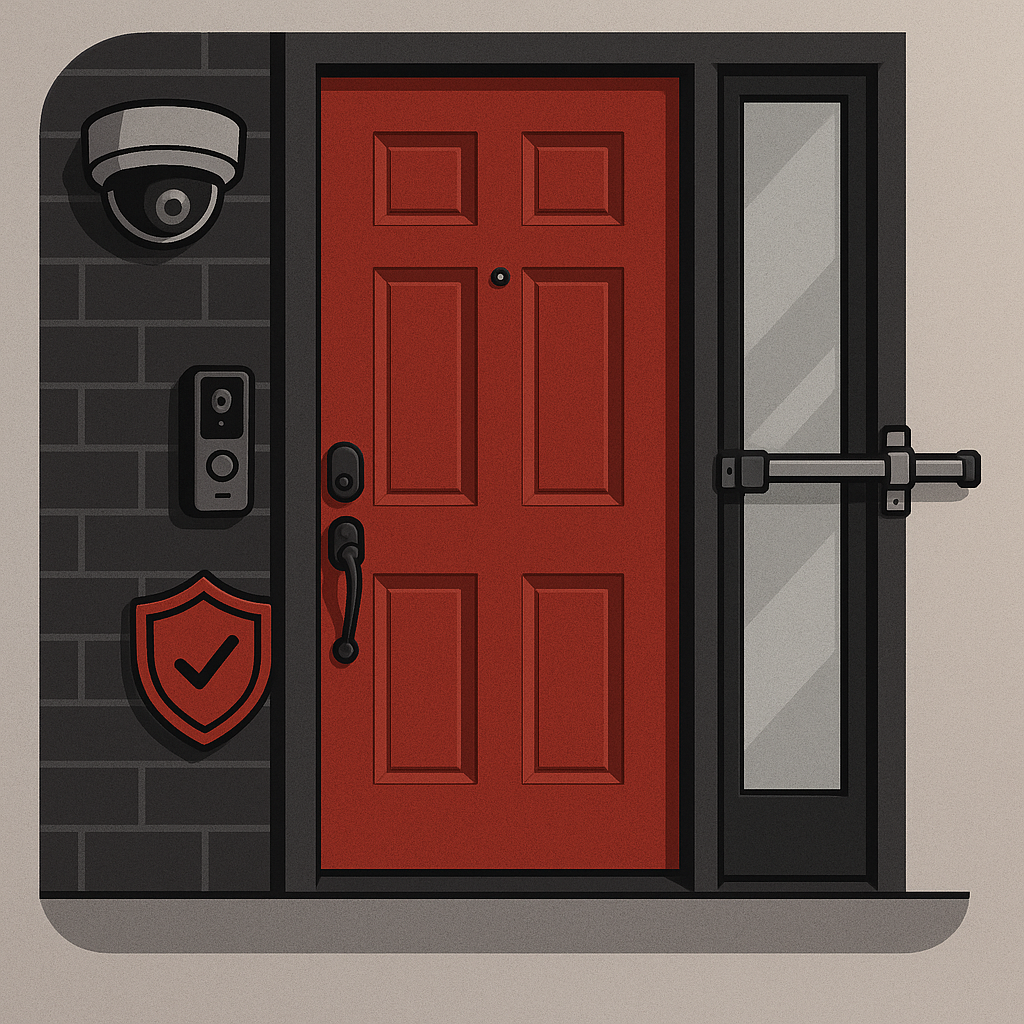
Once the fundamentals are locked in, these additions build a second layer of deterrence. Each one integrates cleanly with what you already have.
1. Motion-Sensing Lighting
Motion-activated lights at your entrance remove the cover of darkness. The moment someone approaches, the area floods with light. That alone stops most opportunistic attempts cold. Position them to cover every angle of approach — not just directly in front of the door.
2. Security Cameras
A camera positioned at your front door creates a record and a visible deterrent. Prioritize models with night vision, wide-angle lenses, and two-way audio. Mount them high enough to capture a clear face shot of anyone at the threshold. Check the angle before you commit to a permanent install.
3. Reinforced Glass Options
If you are replacing side light glass, choose laminated or tempered glass over standard panes. Laminated glass holds together in layers when struck. Tempered glass shatters into small, blunt fragments rather than sharp shards. Either option raises the bar significantly against forced entry.
Checklist for Evaluating Side Light Door Security
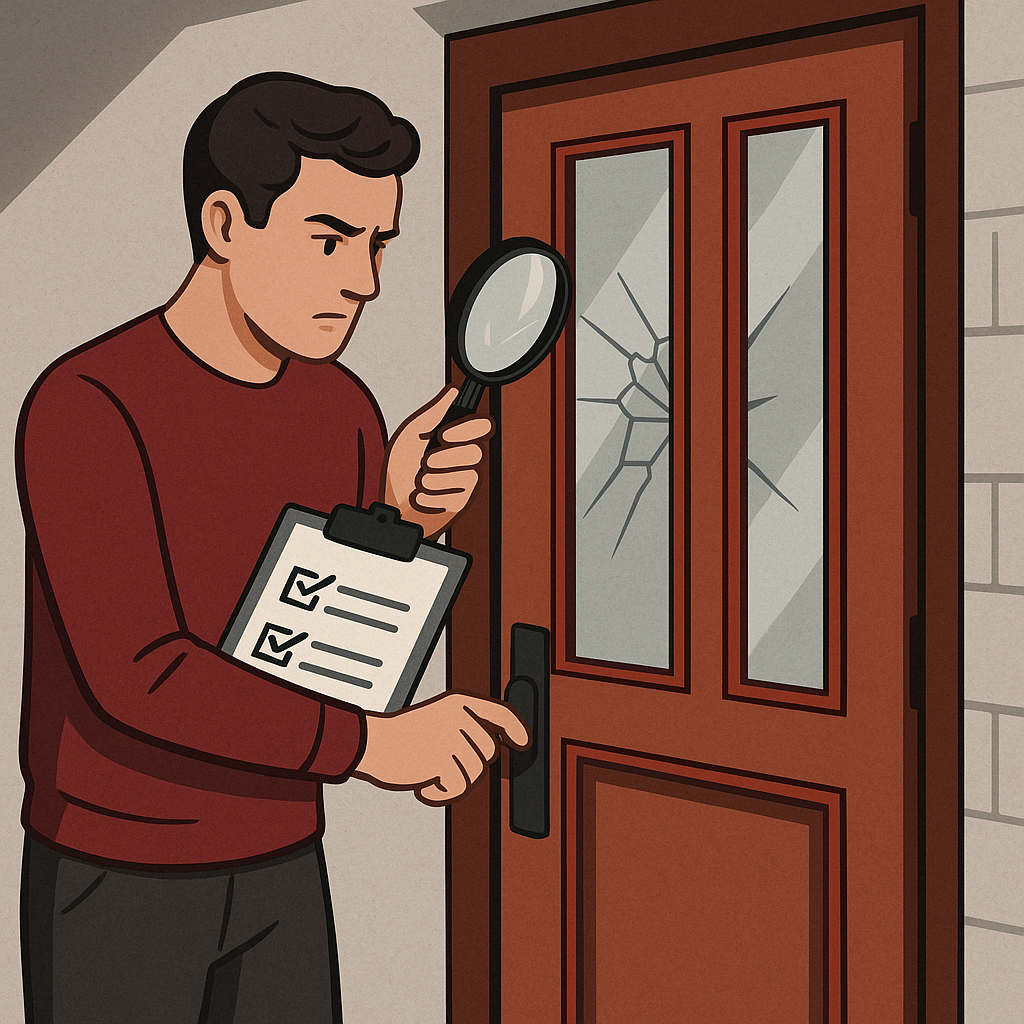
Run through this checklist on a regular basis. Security degrades quietly if you are not watching it.
- Inspect Glass Integrity: Look for cracks, chips, or stress marks in the side light panels.
- Test Locks and Deadbolts: Confirm every locking mechanism engages fully and resists tampering.
- Evaluate Visibility: Stand outside and assess what is visible through the glass. Consider frosted or privacy film if the view is too open.
- Review Lighting Setup: Verify motion-sensing lights trigger correctly and cover all approach angles.
- Monitor Camera Feeds: Check footage quality and camera positioning for gaps in coverage.
- Update Security Technology: Keep smart home devices and their apps current. Outdated firmware is a real vulnerability.
FAQs About Side Light Door Security
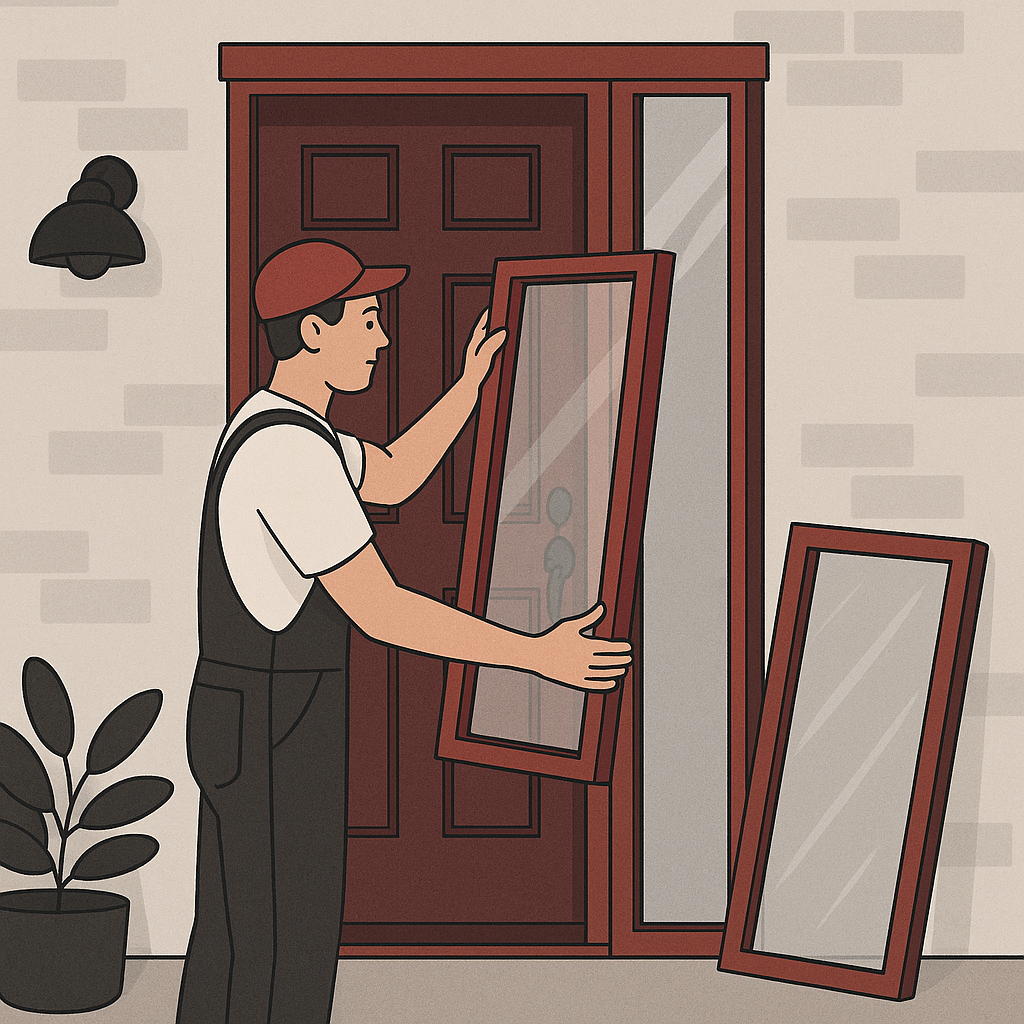
Can side lights be replaced without changing the entire door?
Yes. In most cases you can swap the glass panels independently. That means you can upgrade to laminated or tempered glass — or add security film to existing panes — without pulling the whole door unit.
Are there aesthetic options for enhancing security?
Security upgrades do not have to look like security upgrades. Frosted or decorative film adds privacy and strengthens the glass at the same time. Custom security bars and grilles can be designed to complement your home’s exterior rather than clash with it.
How often should I review my door’s security?
Every six months is a solid baseline. Add a check after any major weather event that could stress seals, frames, or glass. Consistent maintenance keeps every component performing at the level you installed it to perform at.
Key Performance Indicators (KPIs) for Monitoring Door Security
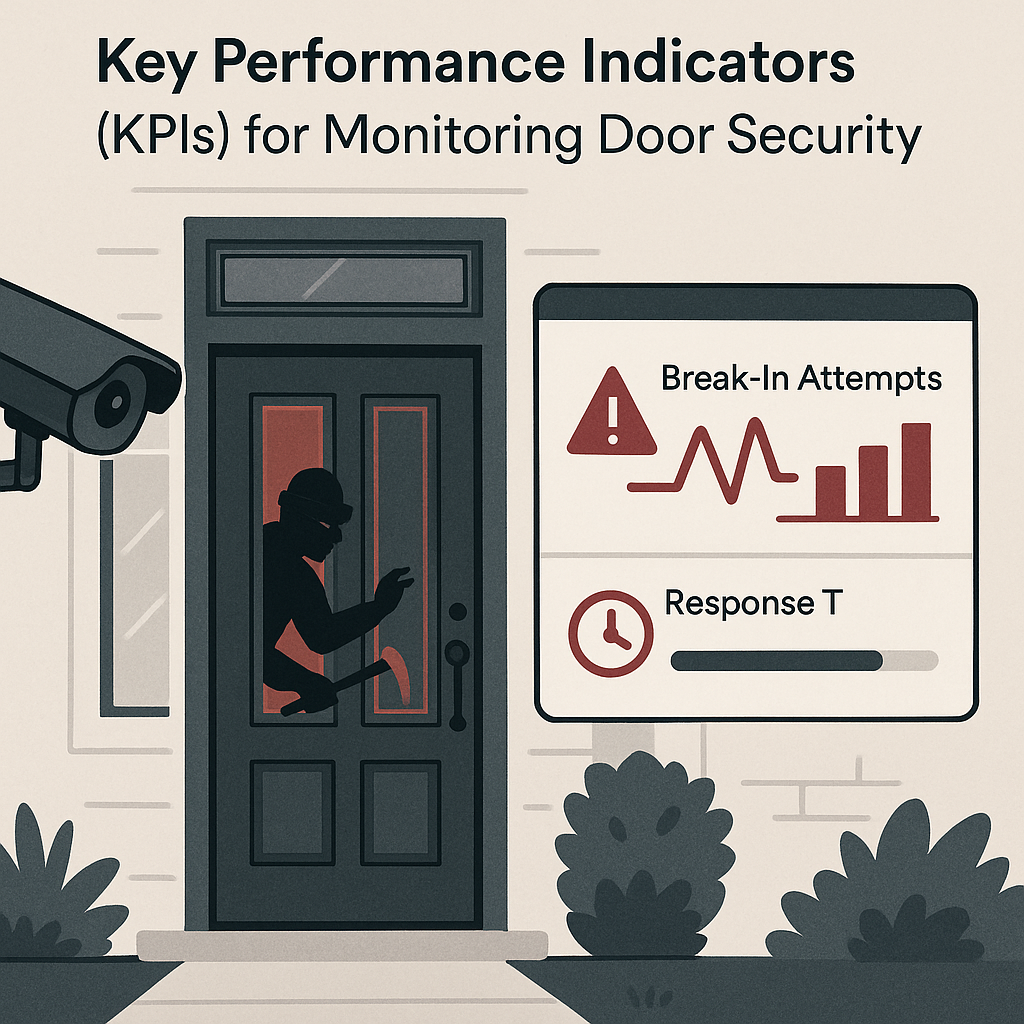
Treat your home security like any system worth maintaining. Track these metrics and you will catch problems before they become incidents.
- Break-In Attempts: Log any disturbances or attempted entries flagged by your security system.
- Response Time: Measure how quickly your system alerts you after a trigger event.
- System Uptime: Cameras and alarms need to be running when it matters. Monitor reliability consistently.
- Incident Resolution: Track how fast you can assess and respond after a security alert fires.
Data-driven decisions apply here the same way they apply anywhere else. If a metric is slipping, something in your system needs attention.
Considerations for Climate and Weather Resilience
Your local climate puts real stress on door materials over time. UV exposure, temperature swings, and moisture all degrade seals and coatings. Choose weather-resistant materials from the start and inspect them as part of your regular security review. A frame that has warped or a seal that has cracked is a structural vulnerability, not just a cosmetic one.
Disclosure: this article may contain affiliate links. If you buy through them, we may earn a small commission at no extra cost to you.
“`
Disclosure: this article may contain affiliate links. If you buy through them, we may earn a small commission at no extra cost to you.

Leave a Reply