

How Long Does It Take to Kick In a Door? The Answer Will Surprise You
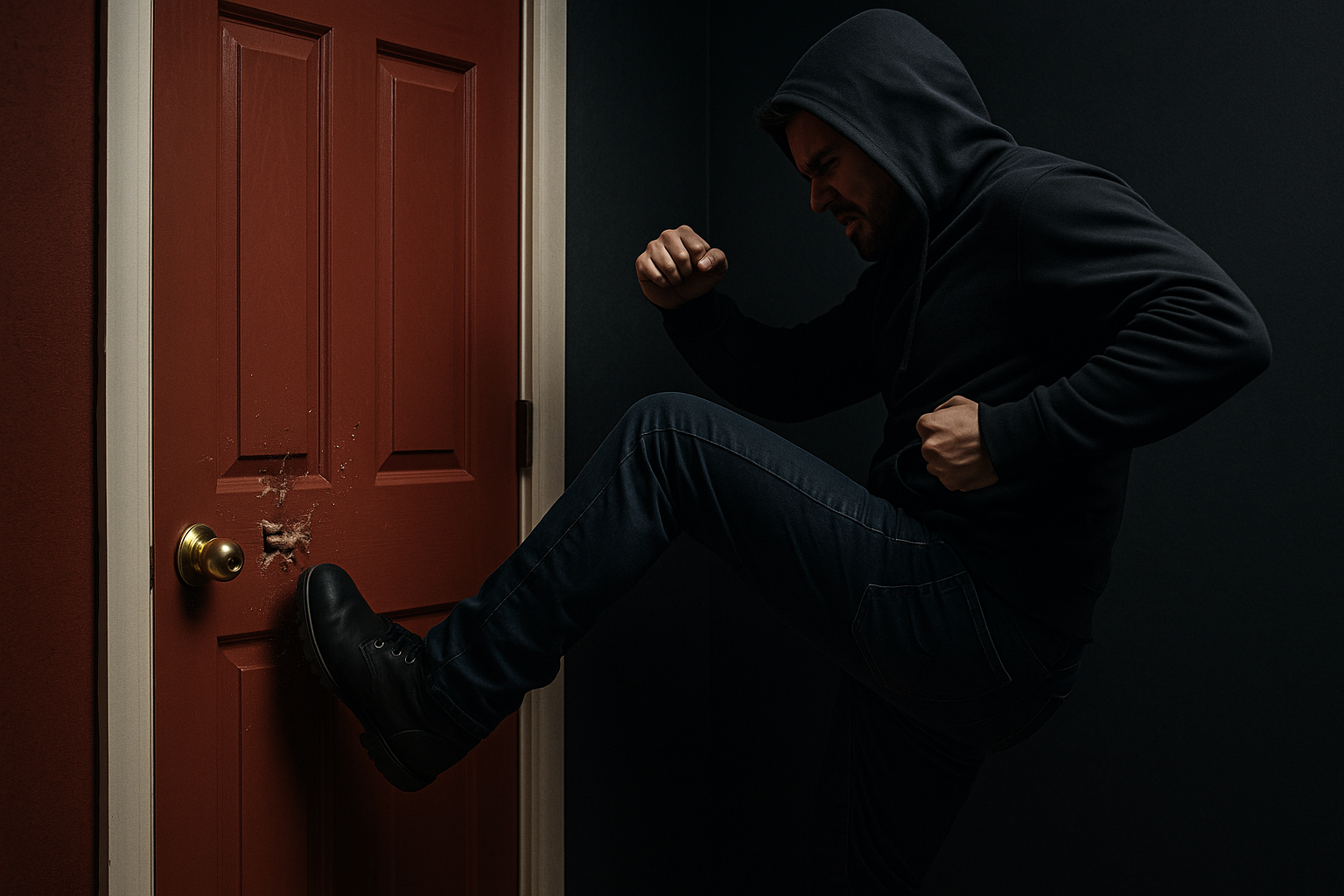
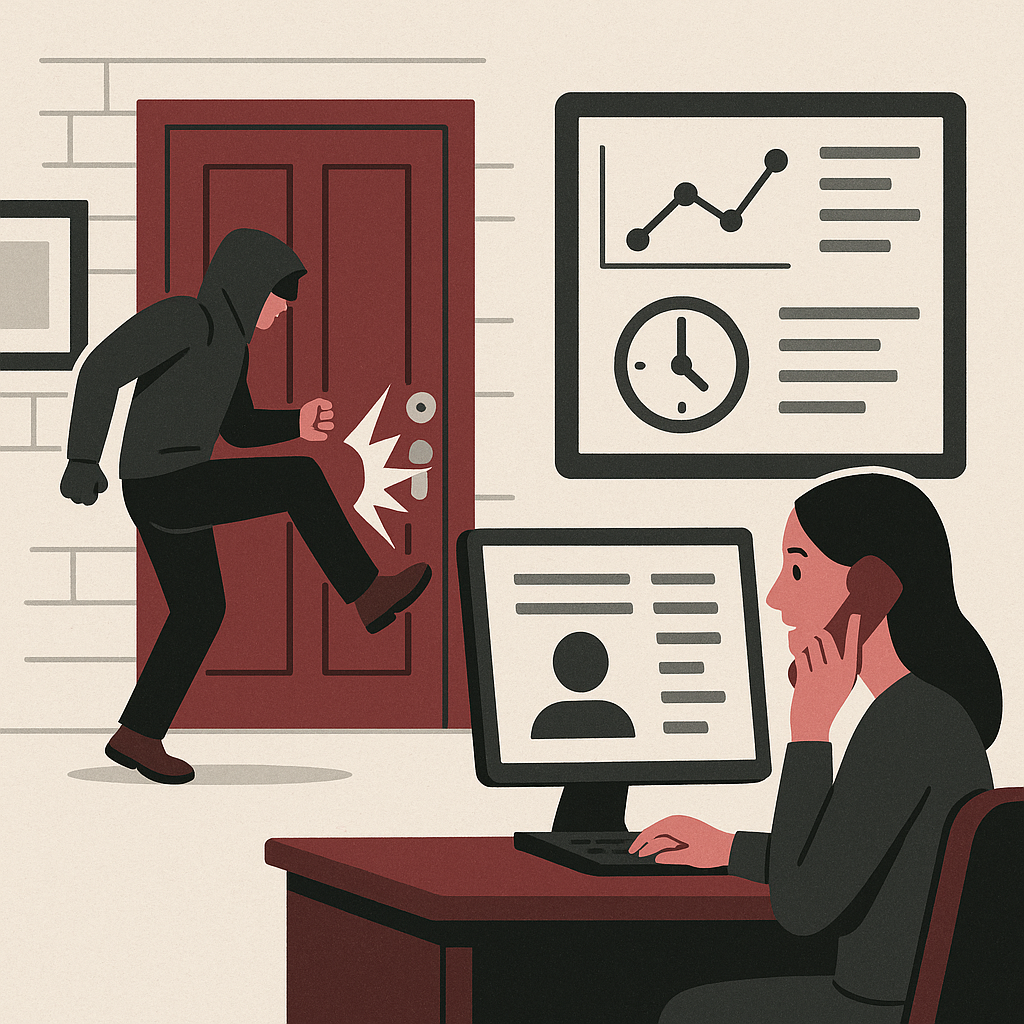
Picture a quiet evening at home. Then a single loud crack — and someone is already inside. That sound is not a movie effect. How long does it take to kick in a door? For most standard residential doors, the answer is seconds. Not minutes. Seconds. That reality should change how you think about your front door. This guide breaks down exactly why doors fail, where they fail first, and what you can do right now to make yours a much harder target.
The Reality of Door Kick-Ins
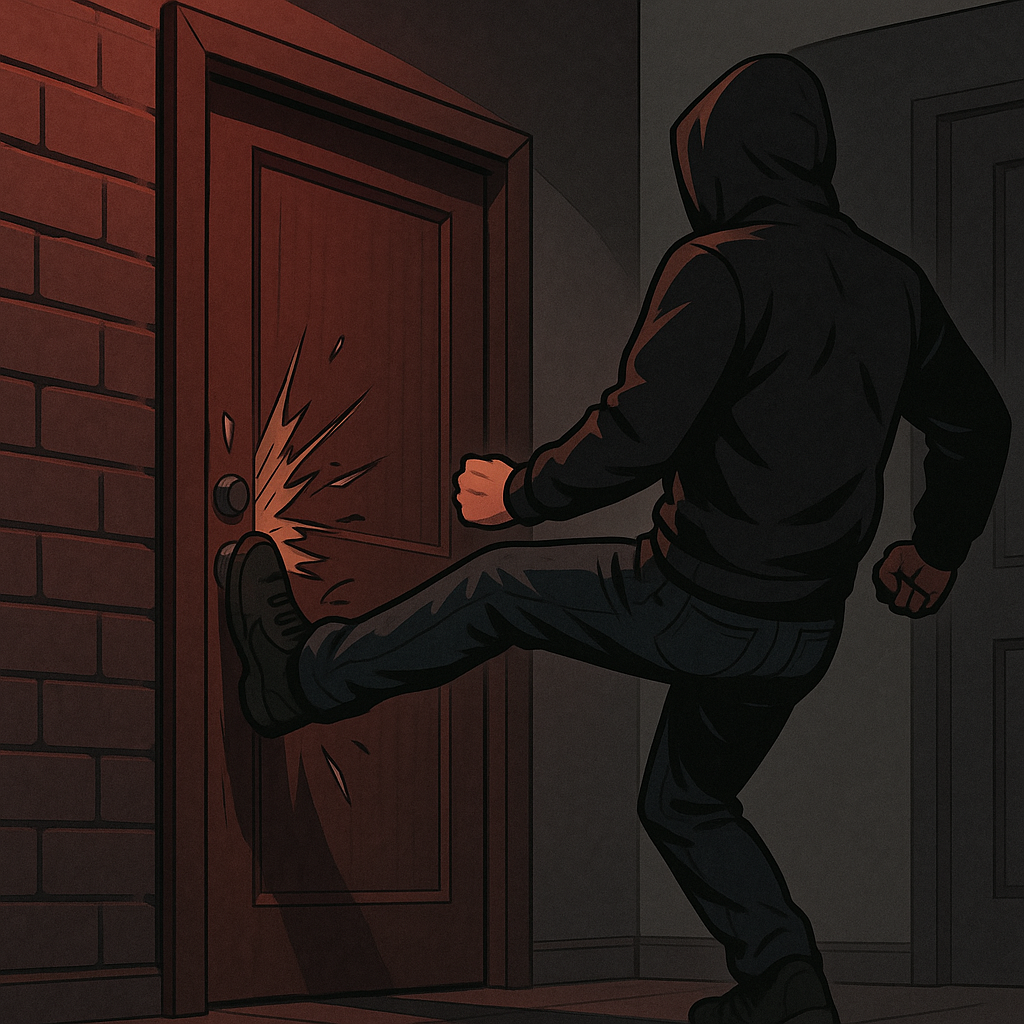
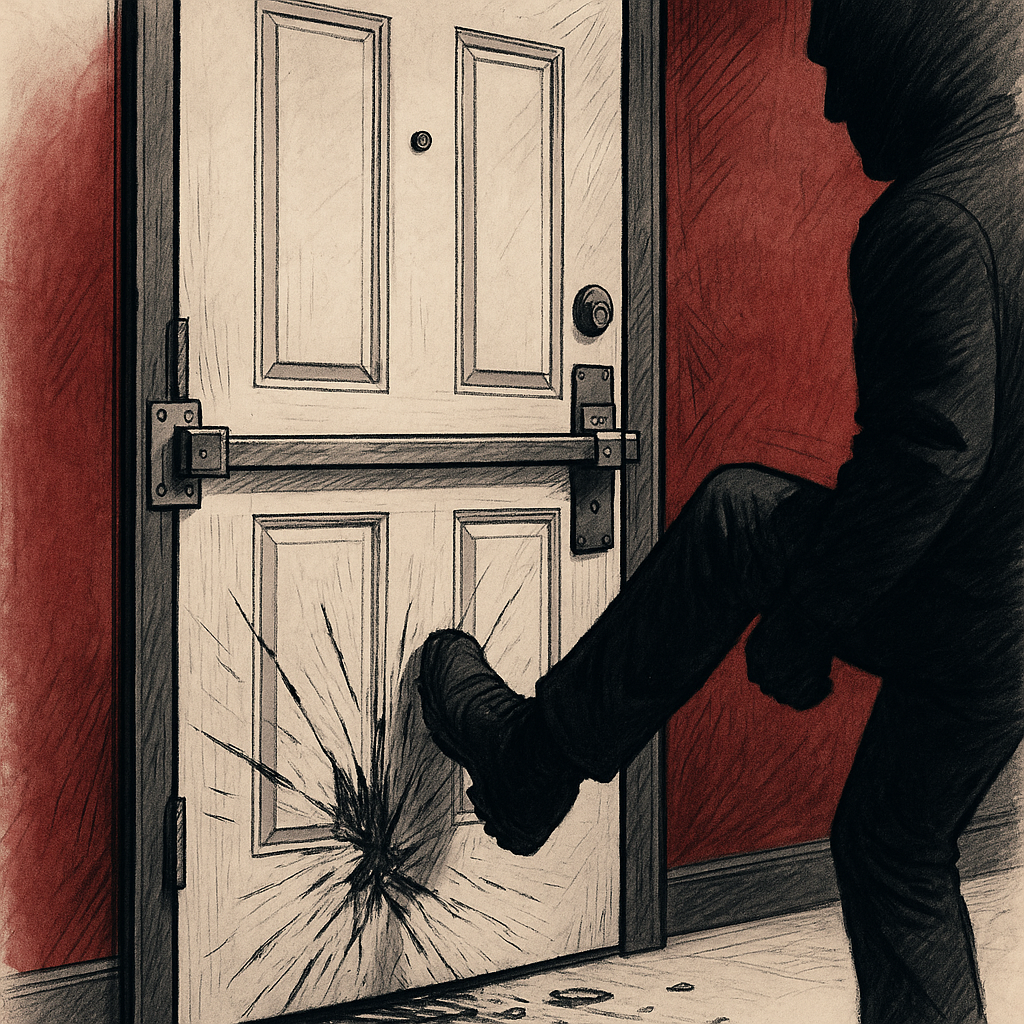
Most homeowners dramatically overestimate how much protection their door actually provides. A standard residential door — unreinforced — can be breached in a handful of kicks. Sometimes one. That is not a worst-case scenario. That is the baseline.
The data is clear: the front door is one of the most common entry points in residential break-ins. The exact time varies based on door construction and the intruder’s force, but the window is almost always under a minute. Speed is the entire point. The faster the entry, the lower the exposure. Knowing this, you have two choices: stay vulnerable or build in silence and fix it.
Understanding Door Construction
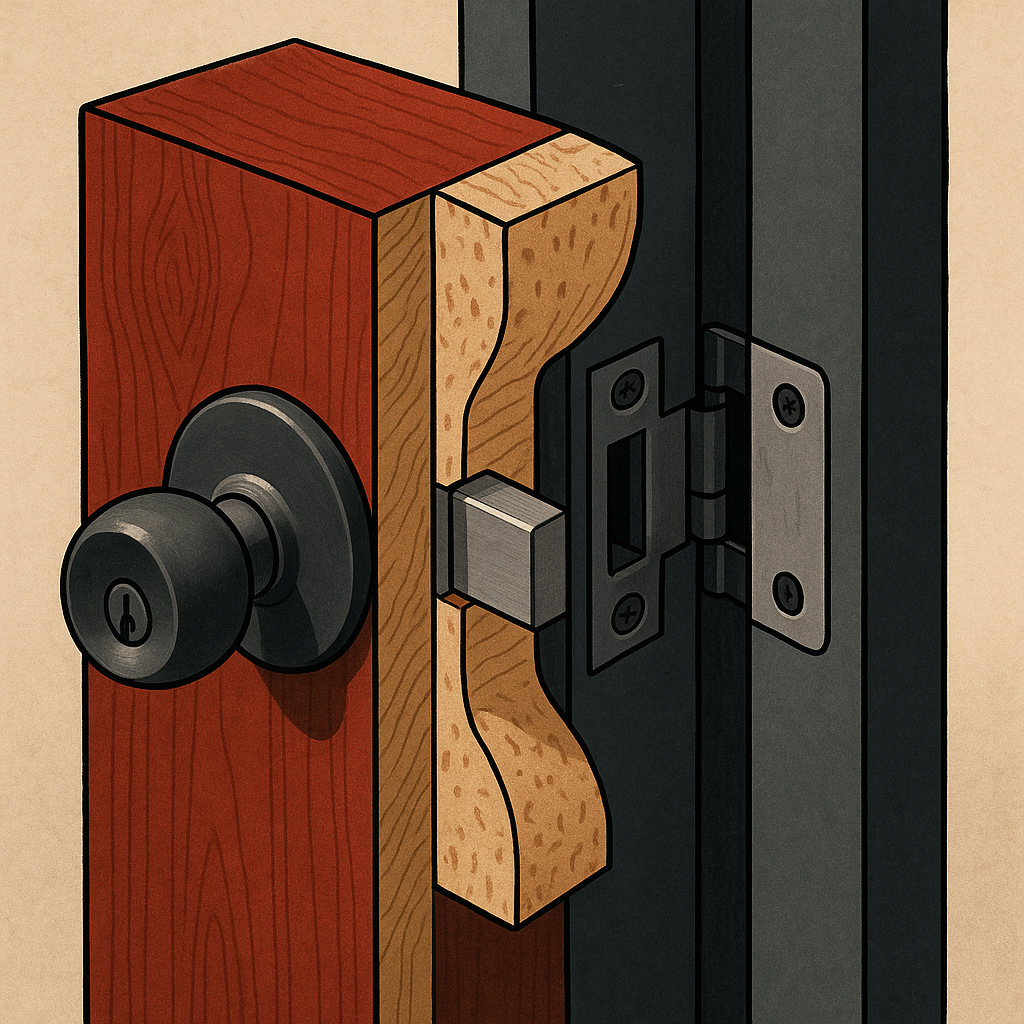
Before you can fix a problem, you need to understand where it lives. Most residential doors are wood or hollow metal. Both materials share the same critical weakness: the points where the door meets the frame. Specifically, the door jamb — the vertical section of the frame that holds the latch and deadbolt — is where failures happen first.
Here is the misconception that costs people: a strong lock does not equal a strong door. Without a reinforced frame behind it, even a high-grade deadbolt is only as strong as the wood it is screwed into. That wood splits. The door swings open. The lock never actually failed — the system around it did.
Key Vulnerable Points
- Door Jamb: Often the first point of failure during a kick-in.
- Lock Area: Weak locks or improperly installed locks can be easily bypassed.
- Hinge Area: Hinges can be targeted if they are not secured with long screws.
Effective Door Reinforcement Strategies
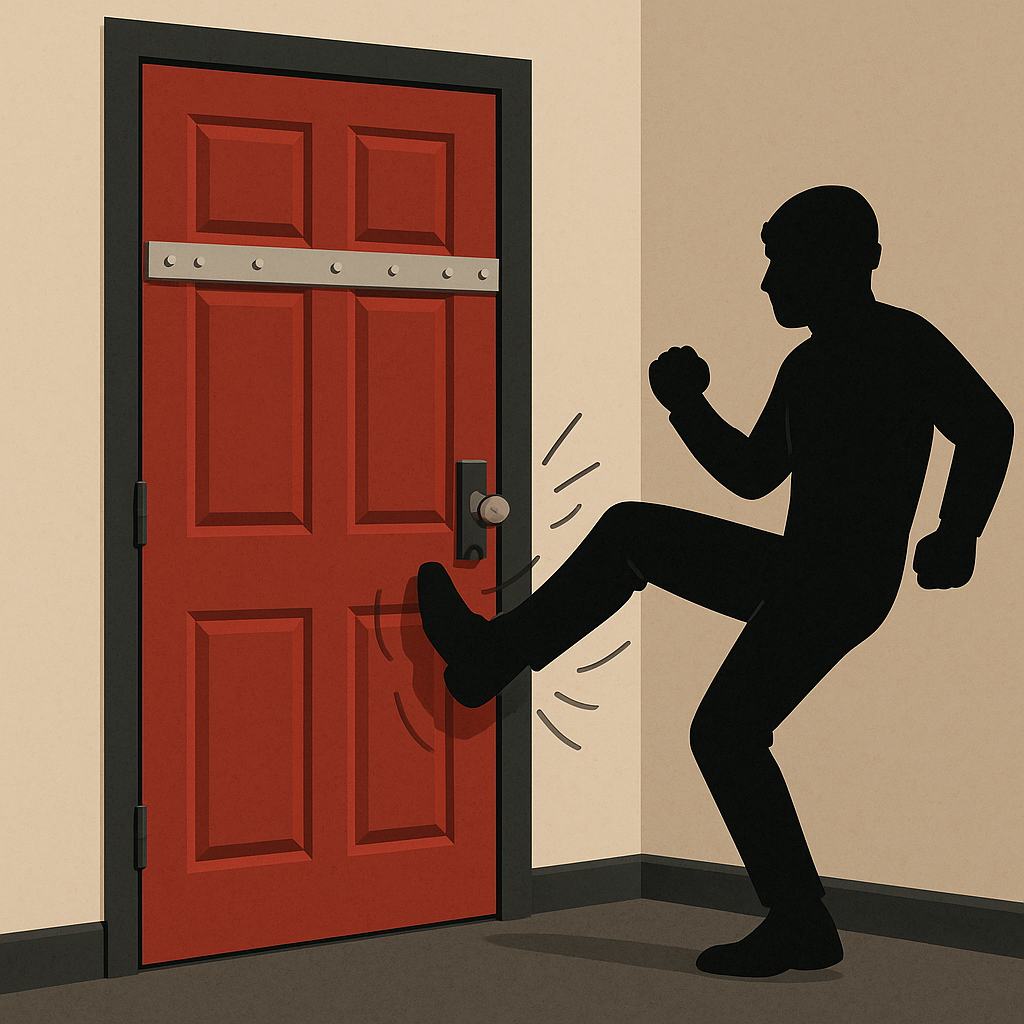
Securing your door does not require expensive renovations or a contractor. These are practical, proven strategies that meaningfully raise the cost of forced entry:
1. Install a Door Security Kit
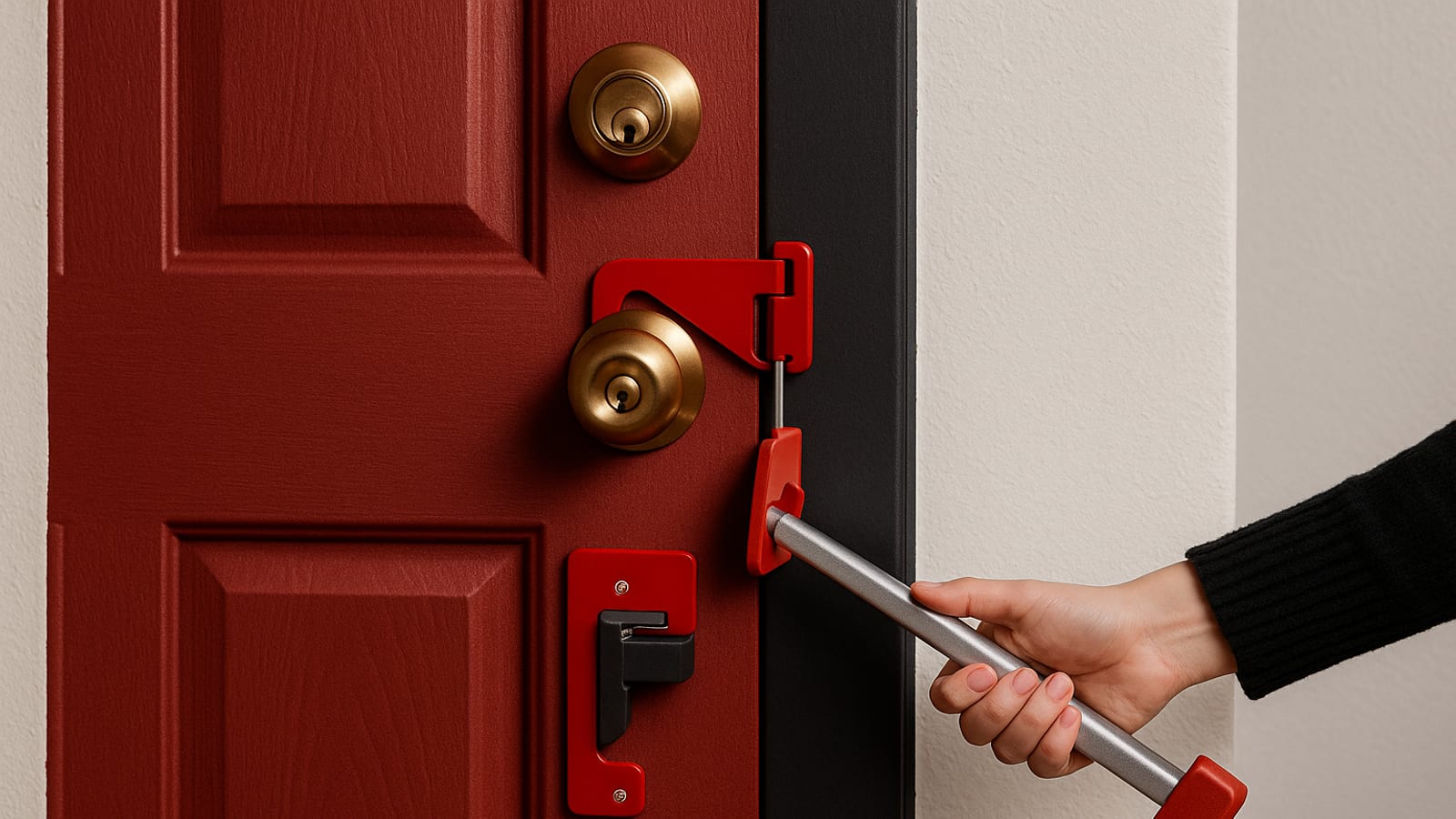
A Single Door Security Kit is the most direct upgrade for a standard door. Around $79, it reinforces the jamb, hinges, and lock area in one installation. If you have French or double doors, the Double Door Security Kit at approximately $149 covers that configuration. Both are designed for DIY installation — no professional required.
2. Reinforce Hinges and Locks
Swap out the short screws in your door hinges for longer, heavier ones. This single change makes it significantly harder to separate the door from the frame under impact. Pair that with a high-security deadbolt. A deadbolt alone is not enough — but as part of a fully reinforced system, it matters.
3. Use Door Jamb Reinforcements
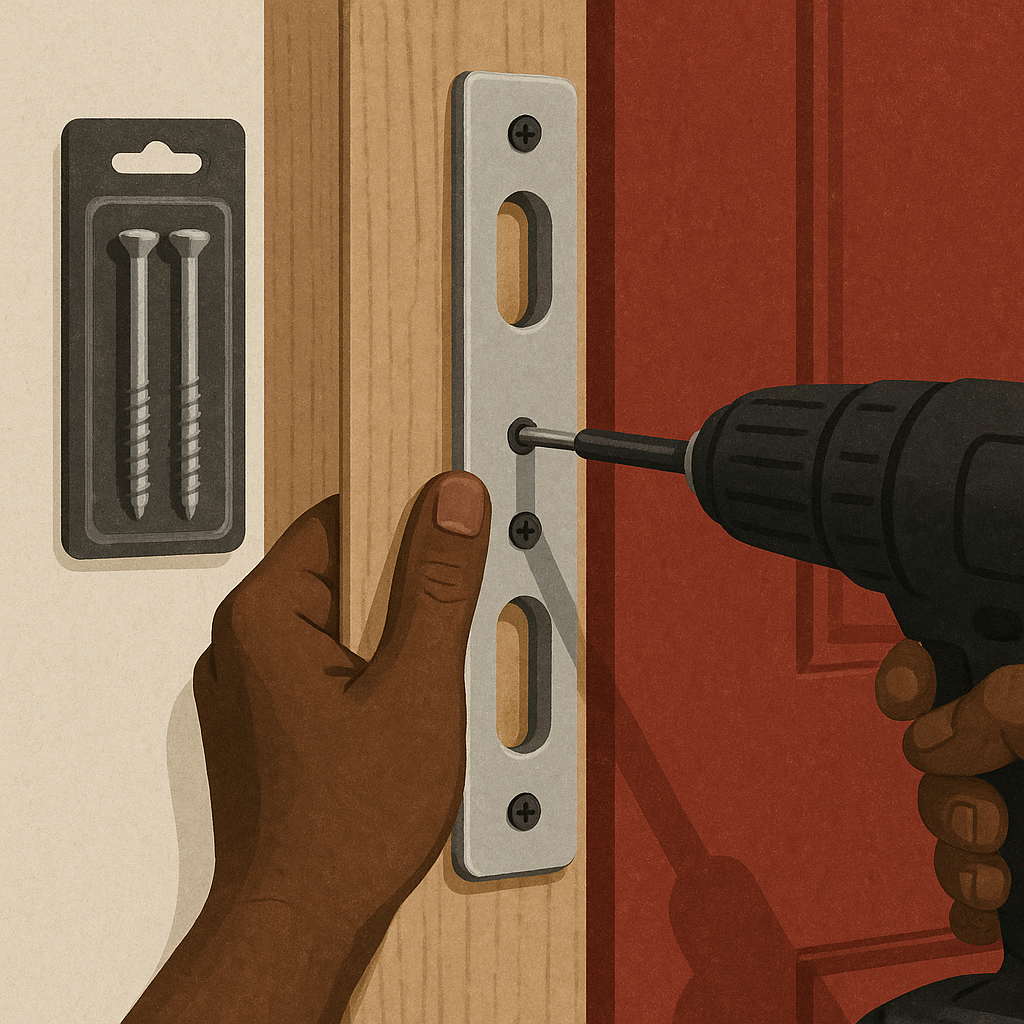
Reinforcing the jamb is non-negotiable. Metal strike plates installed over the existing jamb distribute kick force across a wider surface area, which dramatically reduces the chance of the wood splitting on impact. This is the upgrade most homeowners skip — and the one that makes the biggest difference.
Additional Security Measures
A reinforced door is your first line. These measures build the layers around it:
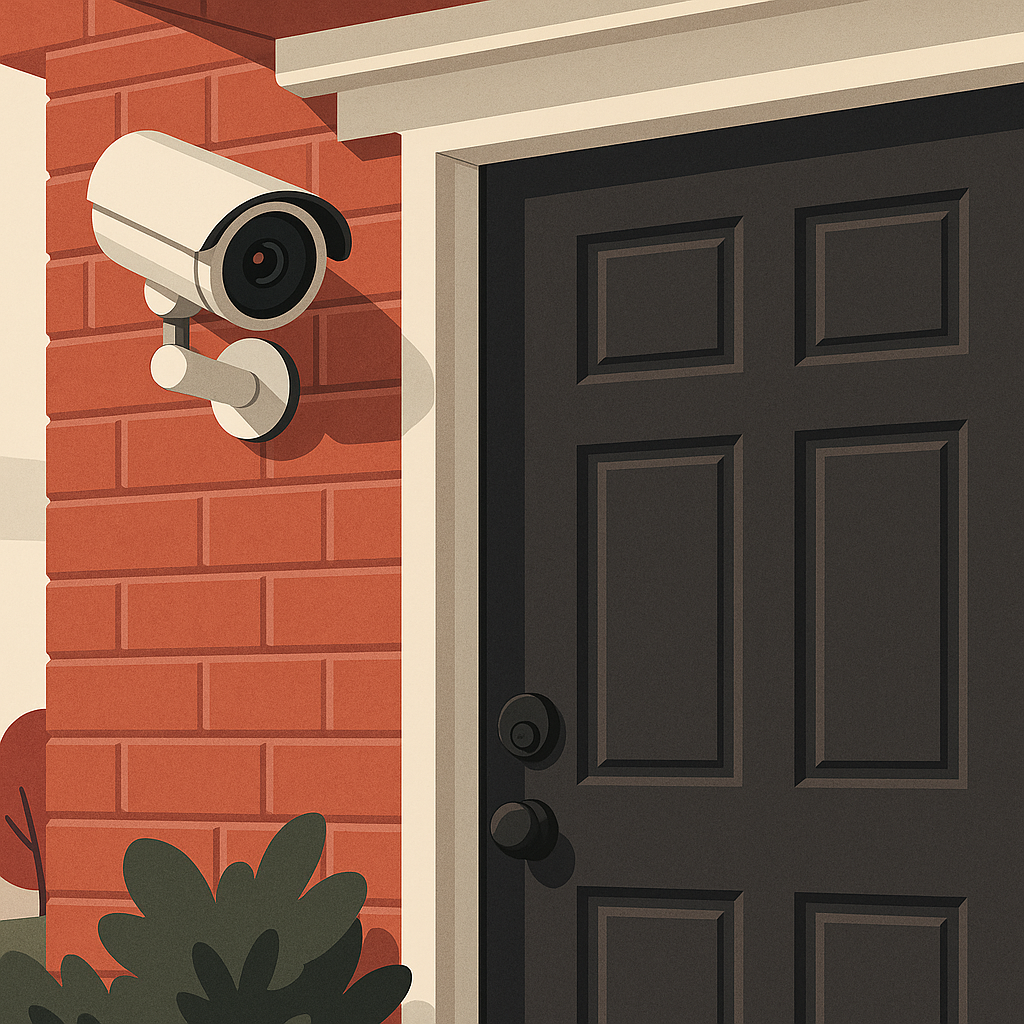
1. Install Security Cameras
Visible cameras change the calculation for anyone casing your property. Modern systems are straightforward to install and give you remote monitoring from your phone. Deterrence is its own form of protection.
2. Use Window Security Film
Doors with adjacent windows are a secondary entry point. Window Security Film holds shattered glass in place after impact, turning a quick smash-and-reach into a slow, noisy problem for anyone trying to get through.
3. Consider a Security System
An integrated home security system alerts you and law enforcement the moment a breach is attempted. Motion detection and remote access are standard features now. The alarm itself buys time — and time is what stops a break-in from becoming a completed one.
Step-by-Step Guide to Reinforcing Your Door
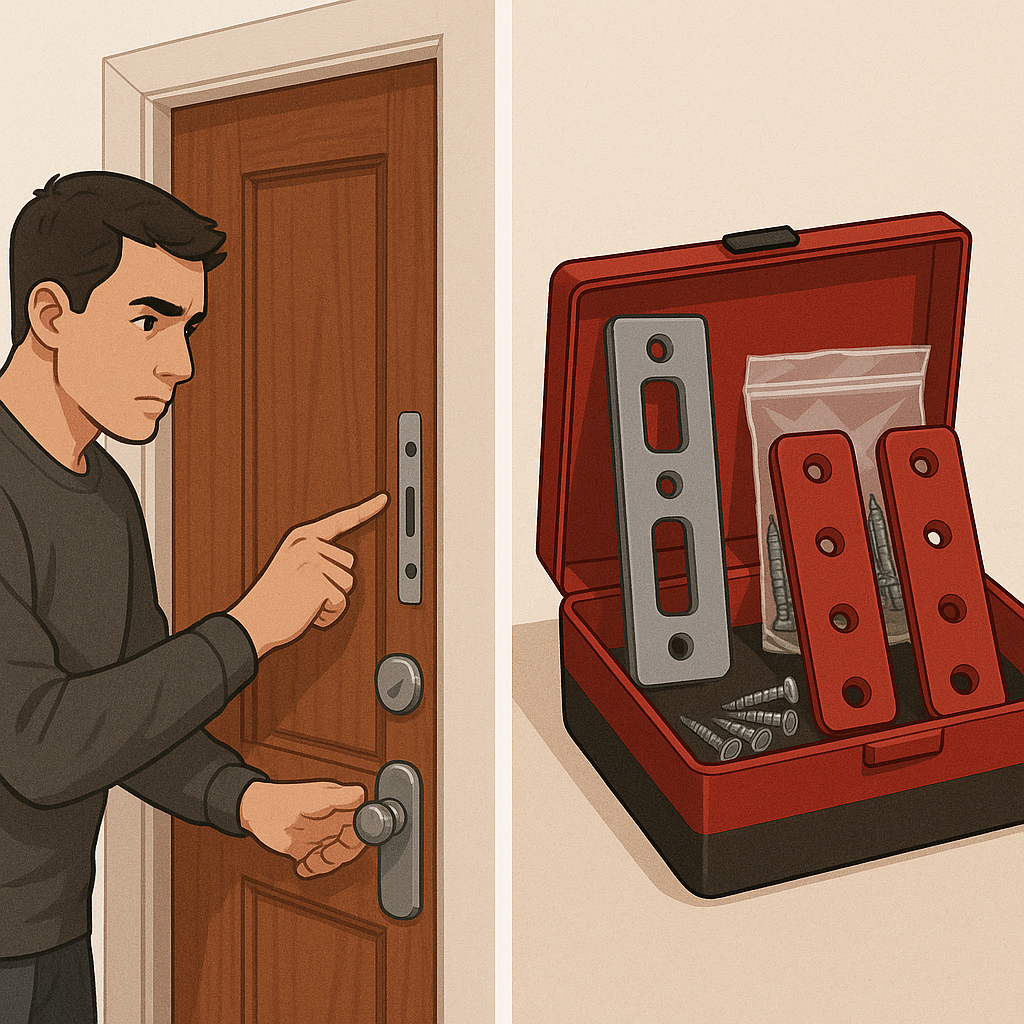
Follow this sequence and you will have a materially stronger door by the end of the day:
- Evaluate Your Door: Check for existing vulnerabilities in the jamb, hinges, and lock.
- Select a Security Kit: Choose a Door Security Kit that fits your door type.
- Install Reinforcements: Follow the kit’s instructions to install jamb and hinge reinforcements.
- Upgrade Locks: Replace existing locks with high-security deadbolts.
- Test Your Door: Confirm all components are secure and the door operates smoothly.
Conclusion: Take Action Today
The time it takes to kick in a door is uncomfortably short. But the time it takes to fix that vulnerability is a single afternoon. Understand where your door is weak, apply the right reinforcements, and you shift the odds decisively in your favor. Start with an honest assessment of your current setup, then invest in a Single Door Security Kit if your jamb and hinges are unprotected.
Earn in peace. That starts with knowing your home is actually secure. For the full range of reinforcement options, visit Door Armor’s website and see what a properly hardened entry point looks like.
Real-Life Examples of Door Reinforcement Success
Theory is useful. Documented outcomes are better. Here are two cases where proper door reinforcement made the difference between a completed break-in and a failed one:
Case Study 1: Suburban Home Security Upgrade
A homeowner in a low-crime suburban neighborhood installed a full security kit on their front door — not because they felt threatened, but because they understood the data. Six months later, an attempted break-in occurred. The reinforced door held. The intruders could not get through and left. No property lost. No one harmed. Proactive beats reactive every time.
Case Study 2: Urban Apartment Reinforcement
A resident in a dense urban building combined a security kit with longer hinge screws and a high-security deadbolt. During an attempted burglary, the door absorbed multiple aggressive kicks without failing. That resistance bought enough time to contact authorities. In high-traffic buildings where anonymity emboldens intruders, a reinforced door is not optional — it is the baseline.
Checklist for Door Security Assessment
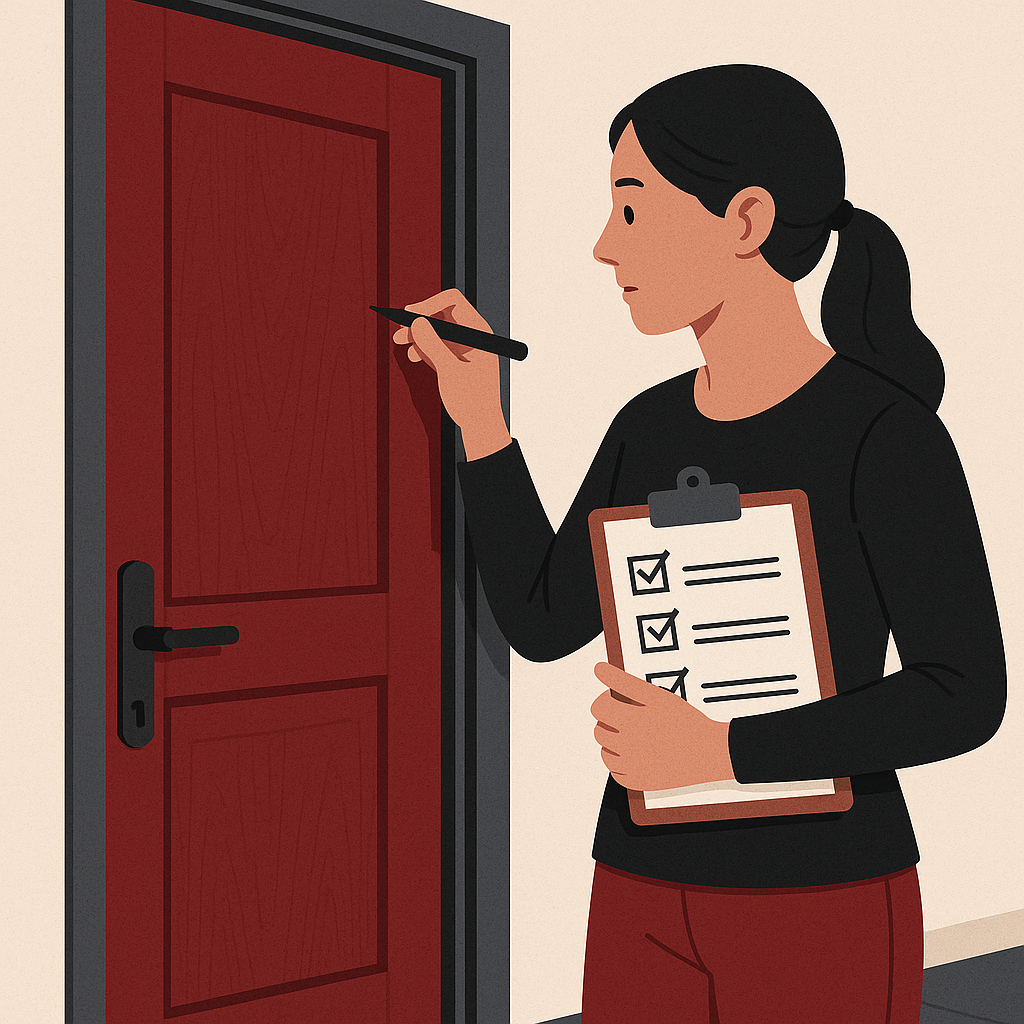
Before you buy anything, run this assessment. Know exactly what you are working with:
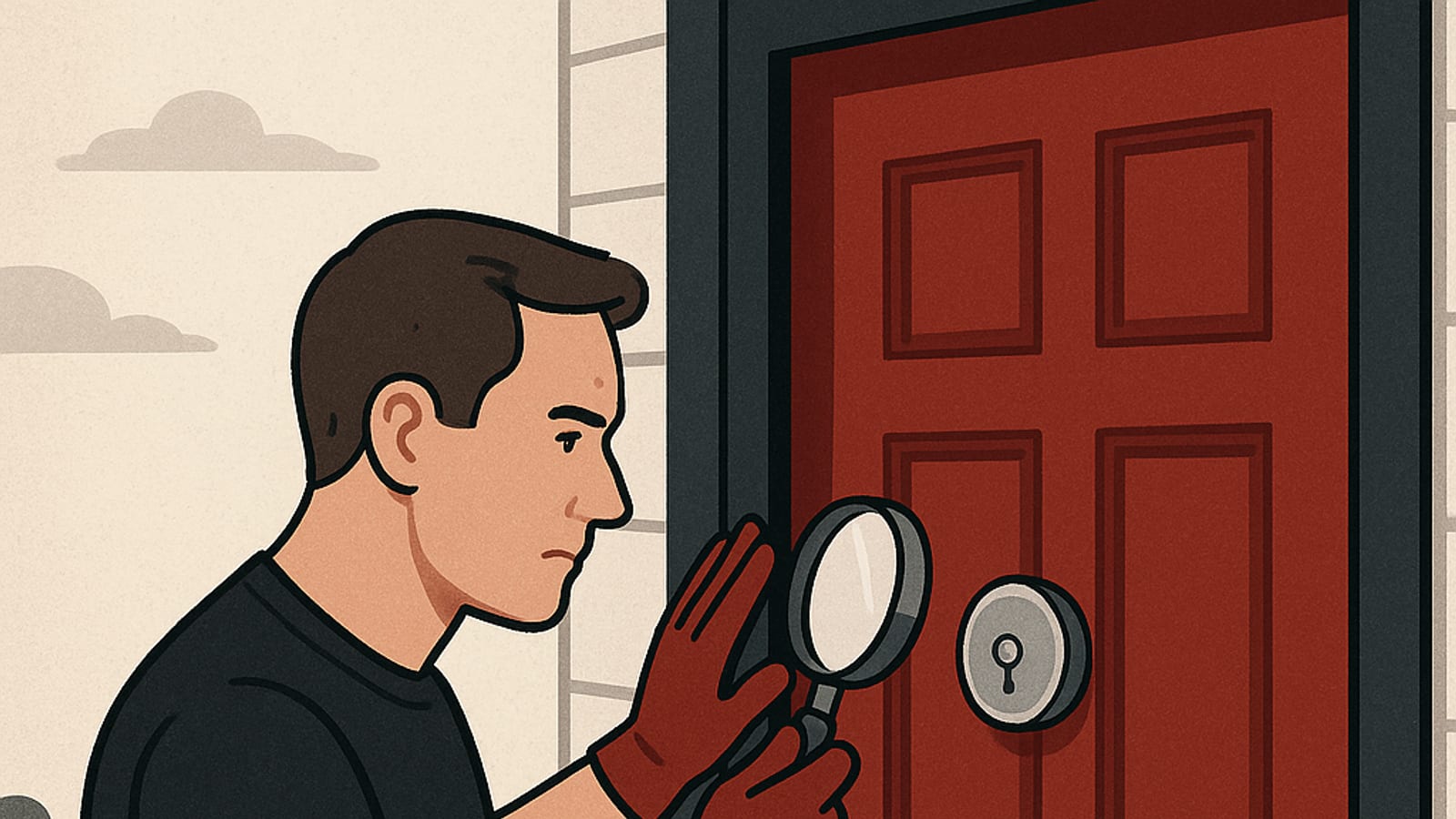
- Inspect the Door Frame: Look for wear, damage, or soft wood that would compromise the jamb under impact.
- Evaluate the Lock Quality: Confirm all locks are high-security grade and properly installed.
- Check the Hinges: Screws should be at least 3 inches long. Shorter than that and the hinge pulls free under force.
- Assess Door Material: Solid core resists forced entry. Hollow core does not.
- Review Past Incidents: Any prior security breach points directly to a recurring structural weakness.
Key Performance Indicators (KPIs) for Home Security Effectiveness
Security is a system. Systems need to be measured. Track these to know whether yours is actually working:
- Break-In Attempts: Document any attempted intrusions and whether the door held.
- Response Time: Measure how quickly you can act on a security alert from notification to response.
- System Reliability: Test all security components on a regular schedule to confirm they are operational.
- Maintenance Frequency: Log how often reinforcement hardware requires adjustment or replacement.
Frequently Asked Questions (FAQs) About Door Reinforcement
What is the most important part of door reinforcement?
The door jamb. It is the first point of failure in virtually every kick-in scenario. A metal strike plate installed over the existing jamb distributes impact force across a larger surface and dramatically reduces the chance of the wood splitting. Start there before anything else.
Can I install door reinforcements myself?
Yes. Most door security kits are built for DIY installation. They include detailed instructions and every component you need. No professional required, no special tools, no contractor markup.
How often should I check my door security?
Inspect every six months, and immediately after any significant weather event that could affect the door’s structural integrity. Consistent maintenance is what keeps a reinforced door performing the way it was designed to.
Disclosure: this article may contain affiliate links. If you buy through them, we may earn a small commission at no extra cost to you.

Leave a Reply