
Disclosure: This post contains affiliate links. We may earn a commission at no extra cost to you.
Disclosure: This post contains affiliate links. We may earn a commission at no extra cost to you.
Most homeowners overlook their windows entirely. That is a mistake. Glass is the softest entry point on your property, and a determined intruder knows it. Window security film is one of the quietest, most cost-effective upgrades you can make — but only if you understand exactly what it does and what it does not do.
Understanding Window Security Film
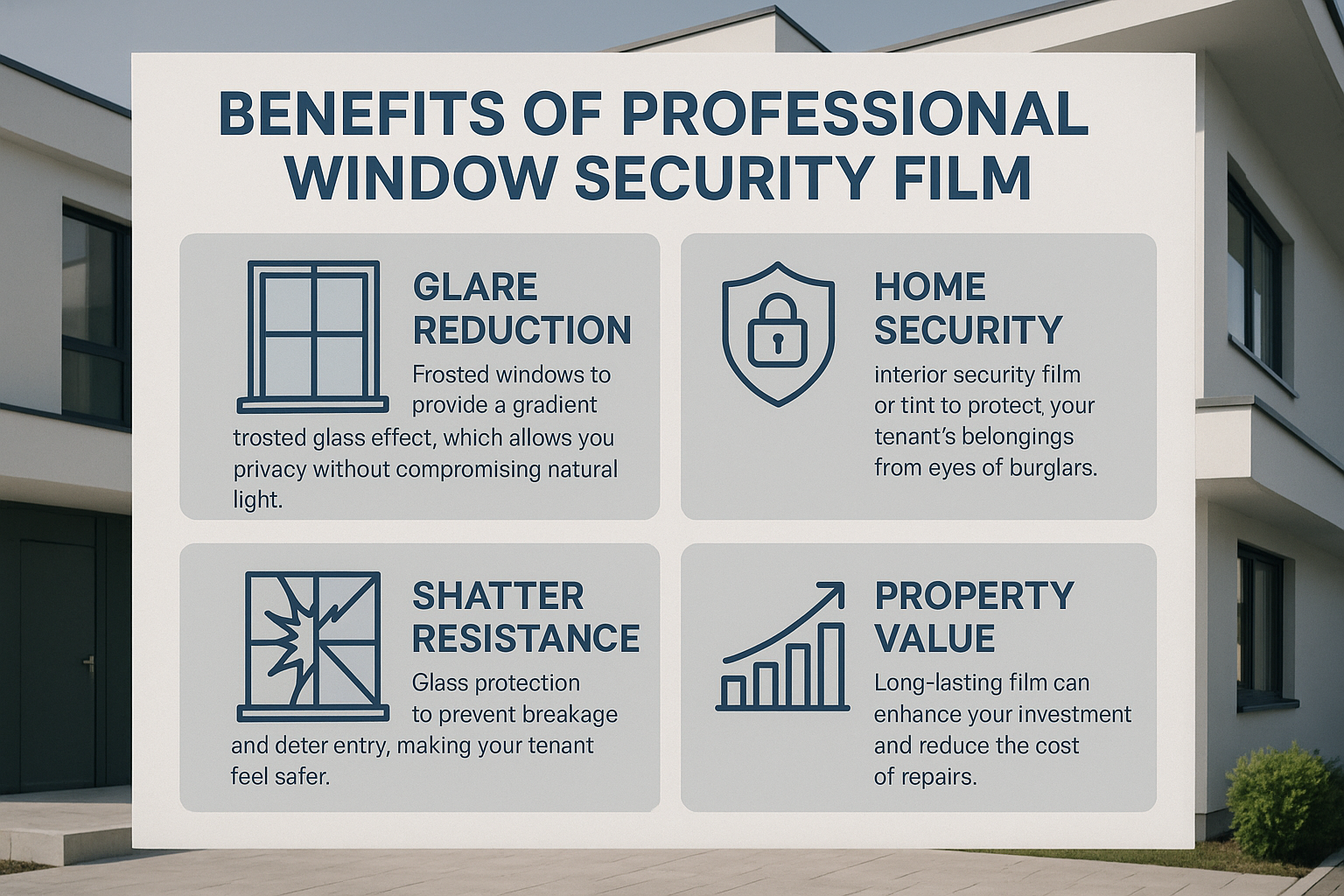
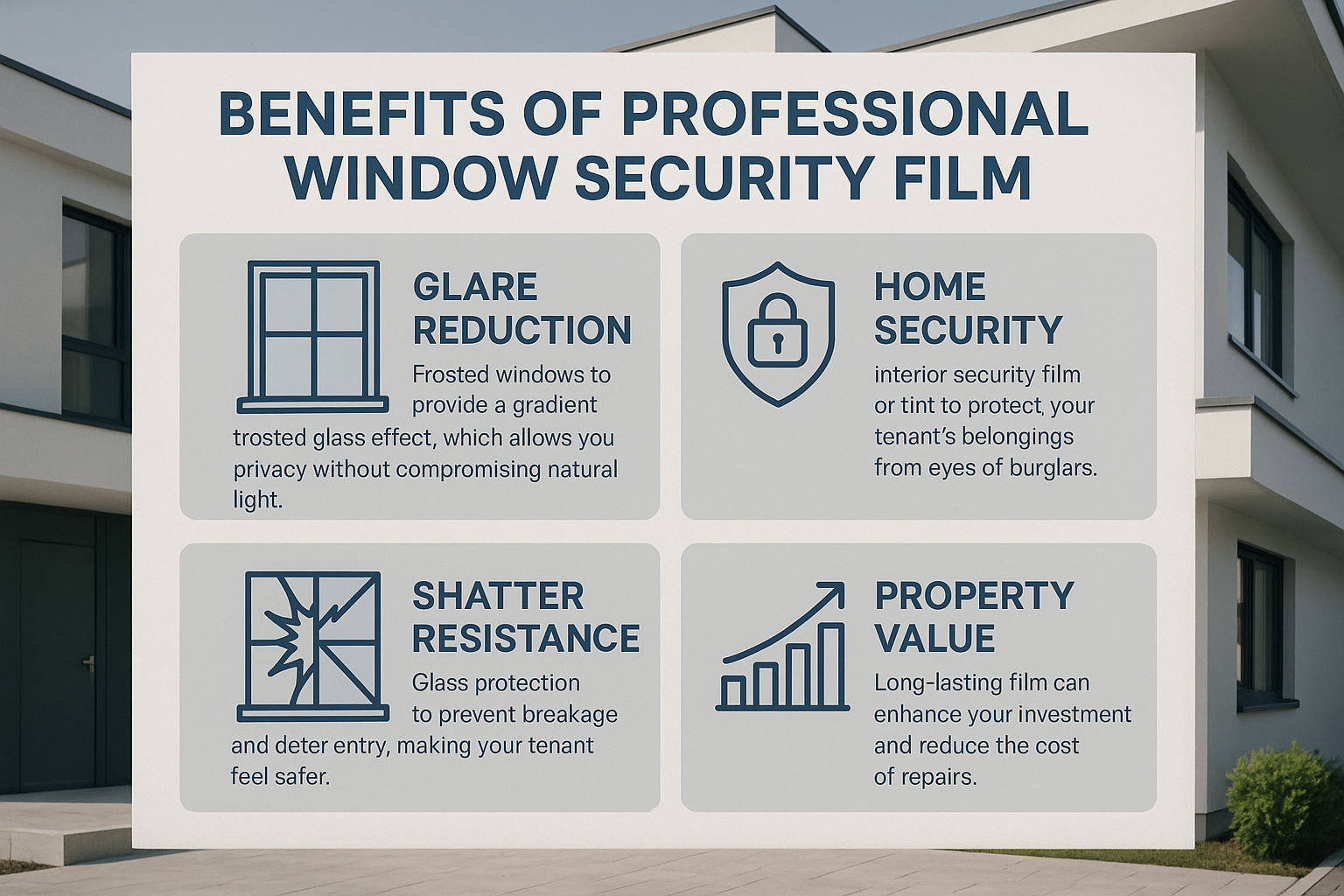
Window security film is a specialized polyester film bonded directly to glass surfaces. Its core function is simple: when glass breaks, the film holds the fragments in place. That one capability changes the entire calculus of a forced entry attempt. Instead of a clean smash-and-grab, an intruder faces a stubborn, jagged barrier that costs them time — the one thing they cannot afford. These films come in multiple thicknesses and impact ratings, so the right choice depends on your specific threat level.
Key Benefits of Window Security Film
- Injury Reduction: Contained glass fragments mean fewer flying shards during a break-in or storm. That matters for everyone inside the home.
- Forced Entry Delay: The added resistance slows intruders down. Every extra second increases the chance they abort and move on.
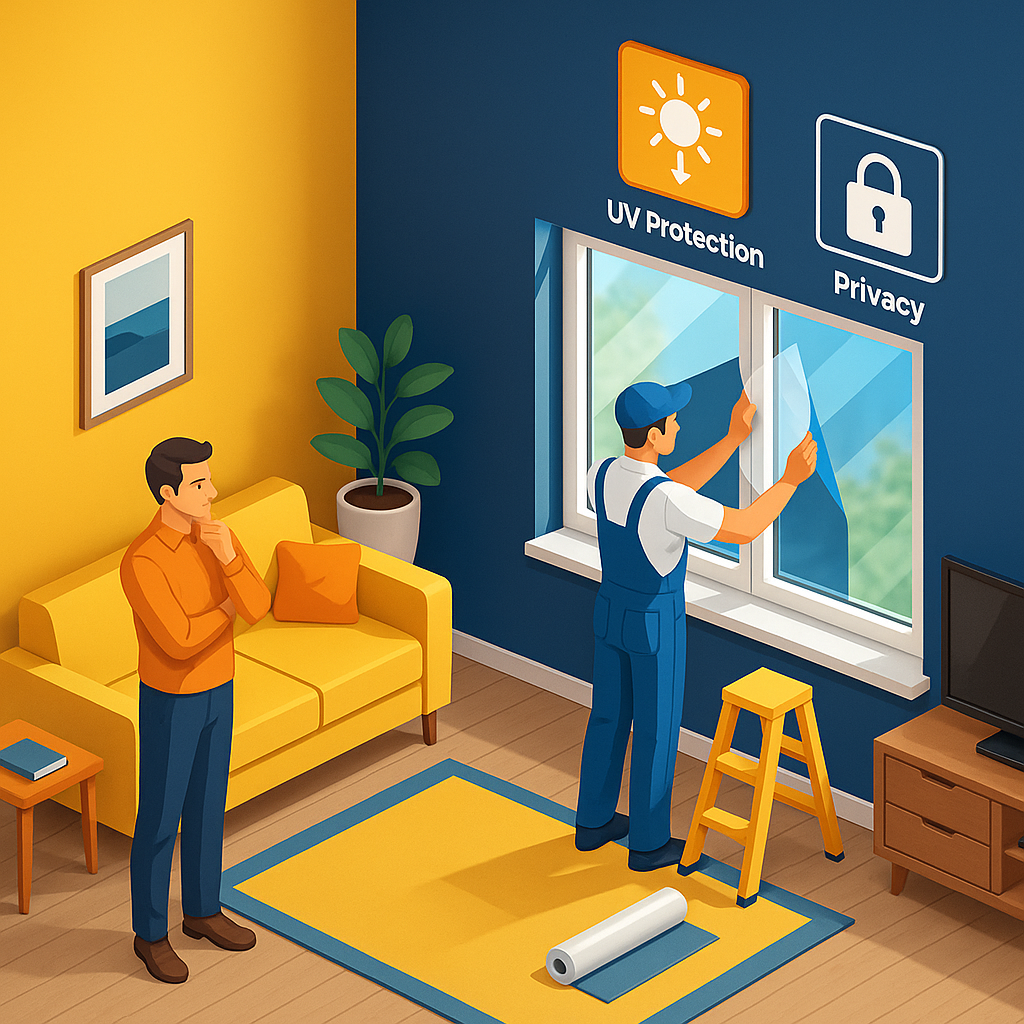
- UV Protection: Many films filter UV rays, protecting interior furnishings from fading and sun damage over time.
- Energy Efficiency: Select films add a measurable insulation layer, trimming heating and cooling costs across seasons.
Limitations and Considerations
Be clear-eyed about what this product is. Window security film is not bulletproof. It is not impenetrable. With enough force and enough time, any film can be defeated. That is not a reason to dismiss it — it is a reason to layer it with other measures. Professional installation is strongly recommended. A film applied with air bubbles or misaligned edges will not perform to spec, and that gap in execution erases the value of the product entirely.

Cost and Installation
Pricing varies by film grade and window count. DIY kits exist, but professional installation is where you actually protect your investment. A technician ensures full adhesion, correct overlap at edges, and no performance-killing gaps. Before you budget, walk your property and count every ground-floor window. That number drives your total cost more than the film grade does.
Is Window Security Film Right for You?
If you want a meaningful security upgrade without tearing out windows or installing bars, this is a rational choice. It fits inside a broader layered defense strategy without changing the look of your home. The decision comes down to your threat environment and what you are willing to spend to buy time against a forced entry.
For stronger overall protection, pair window security film with a Window Security Film (affiliate) and a Single Door Security Kit (affiliate). Layered systems are what actually hold.
Conclusion
Window security film earns its place in a serious home security plan. It will not replace a reinforced door or an alarm system. But it closes a real vulnerability at a fraction of the cost of other interventions. Understand its limits, install it correctly, and stack it with complementary measures. That is how you build a defense that works.
For more on building a complete perimeter, explore our range of door security options and close every soft entry point on your property.
Comparing Security Film with Other Window Security Options
Window security film does not exist in a vacuum. Stack it against the alternatives and the picture gets clearer fast.
- Window Bars: Highly effective at stopping entry. Also visually harsh, potentially limiting emergency egress, and a signal to every visitor that you live behind a barrier.
- Security Screens: A solid forced-entry deterrent, but expensive and capable of reducing natural light in ways that affect daily living.
- Reinforced Glass: Laminated or tempered glass delivers serious impact resistance. It also carries a serious price tag and a more complex installation process than film.
Maintenance and Longevity
This is one of the lowest-maintenance security upgrades available. Clean with non-abrasive products and avoid harsh chemicals that degrade the adhesive layer. Run a visual inspection every few months. Look for peeling edges or bubbling — either signals a re-application before performance drops.
Checklist for Choosing the Right Security Film
- Define your required protection level: basic impact resistance, medium, or high-impact rated film.
- Decide whether UV protection or energy efficiency features matter for your situation.
- Confirm the film’s visual profile works with your home’s exterior aesthetics.
- Get quotes from at least two professional installers and check their reviews.
- Read the warranty terms carefully — confirm what performance failures are actually covered.
Case Study: Security Film in Urban Homes
In high-density urban environments, where opportunistic break-ins are a documented pattern, the results speak. One metropolitan homeowner reported a measurable drop in attempted forced entries after visible security upgrades — including window film — were installed across ground-floor windows. The film they selected carried both impact resistance and UV filtering. The secondary benefit was real: interior furnishings showed significantly less sun damage over the following year. One product. Two problems solved. That is the kind of compounding return that makes a quiet upgrade worth every dollar.
Leave a Reply